
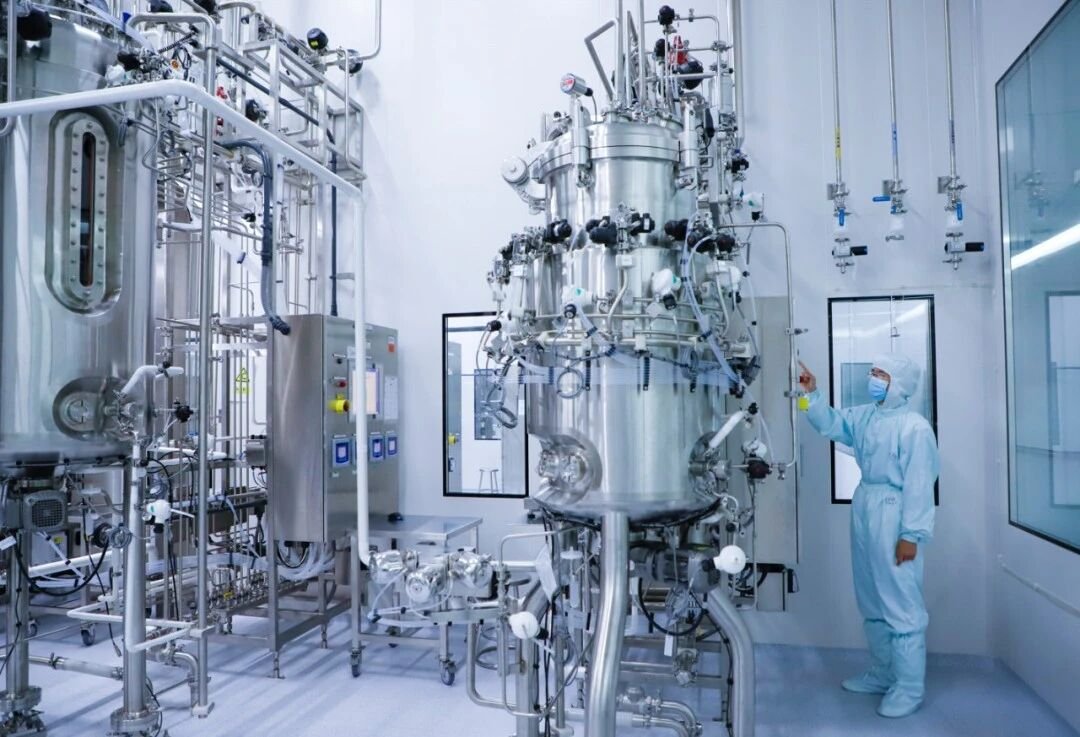
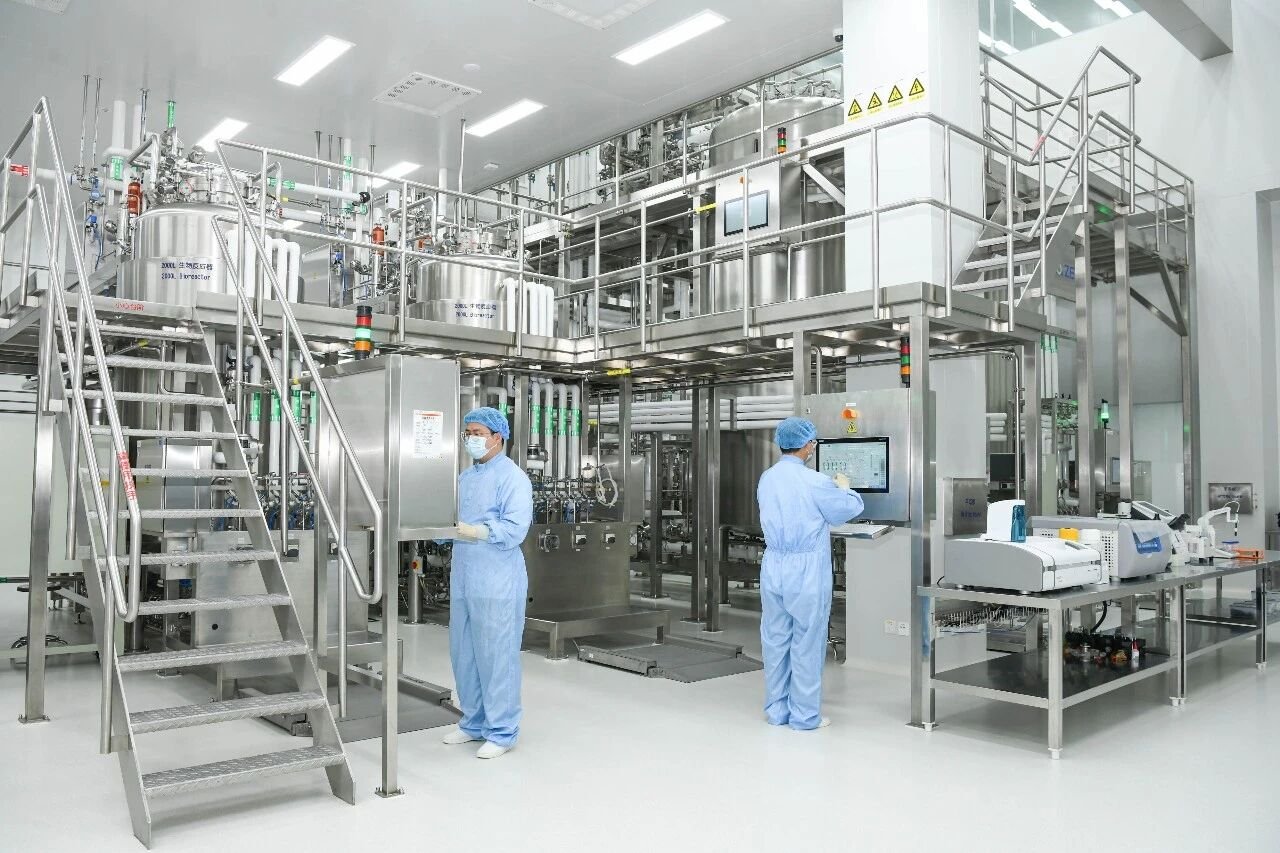
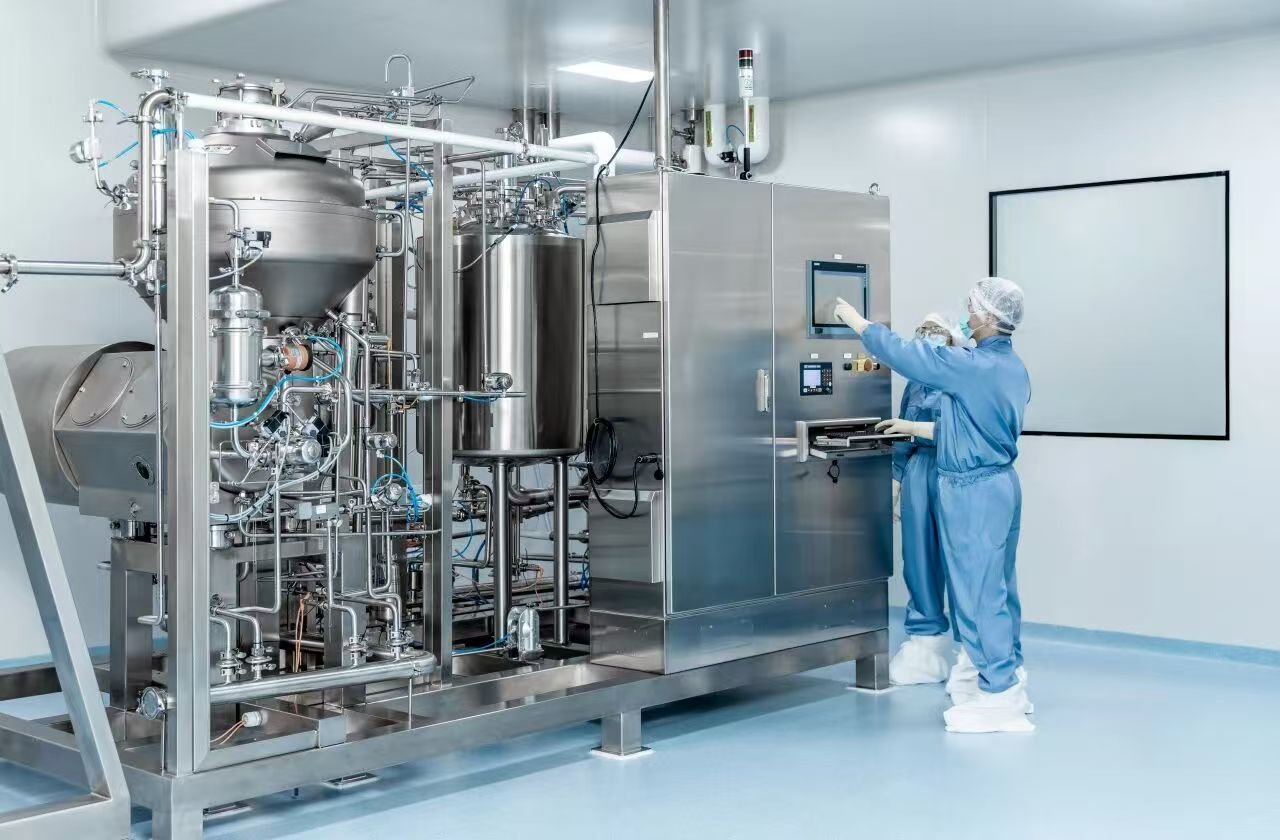
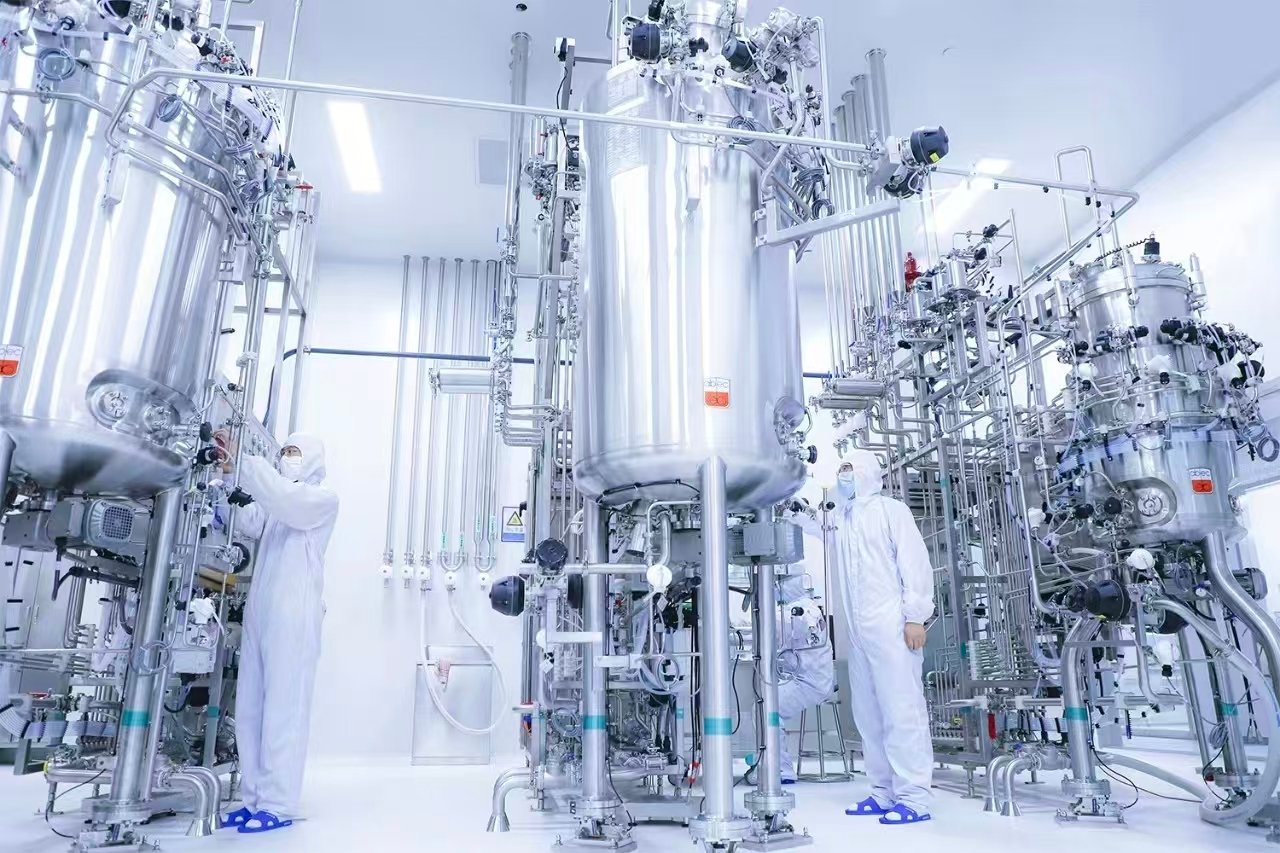
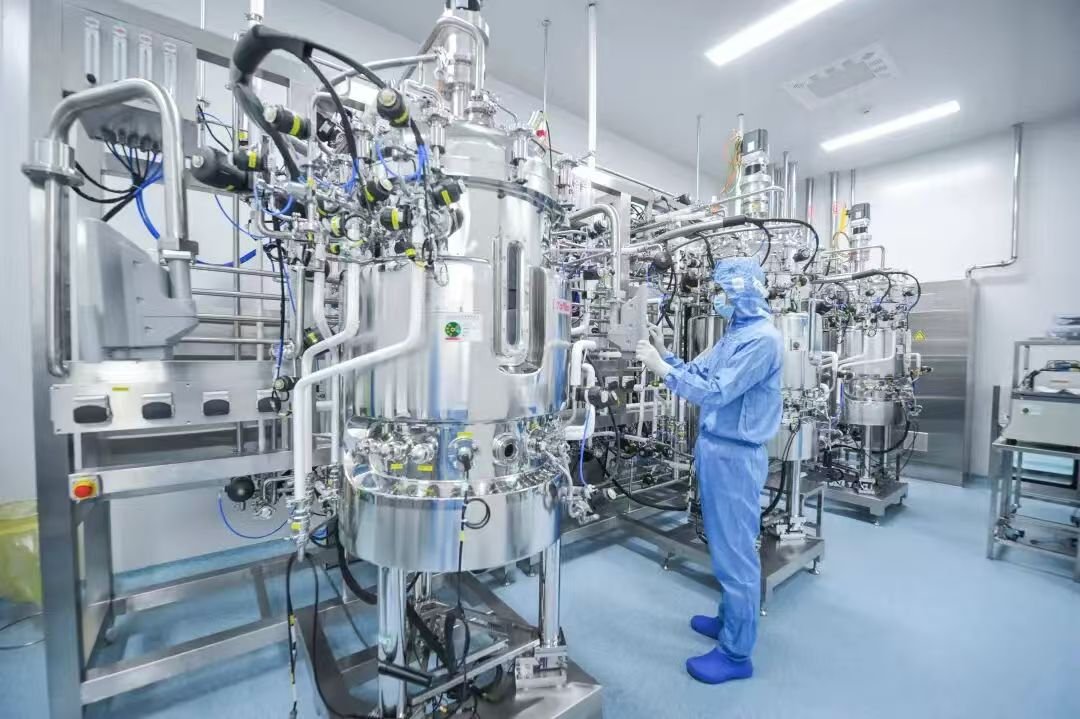
Our ASME BPE compliant biopharmaceutical fermentation equipment is purpose-engineered for sterile, reproducible microbial and cell-based cultivation across vaccine, recombinant protein, plasmid DNA and synthetic biology production workflows, delivering sanitary mechanical design that meets the most stringent global biomanufacturing standards. Every wetted component follows ASME BPE material, surface finish, joint design and fluid path requirements to minimize dead legs, crevice corrosion, biofilm accumulation and cross-contamination risks, forming a reliable hardware foundation for cGMP-aligned batch, fed-batch, perfusion and continuous bioprocess operations. The equipment portfolio spans laboratory, pilot and commercial-scale vessels, integrated skids, CIP/SIP circuits, gas distribution assemblies and media feed modules, with design decisions traceable to process criticality, product contact compatibility and long-term cleanability requirements for audit-ready manufacturing environments.
Each fermentation system incorporates electro-polished 316L stainless steel product-contact surfaces, sanitary orbital welds, validated seal materials, optimized sparger and impeller configurations, and fully drainable process geometry to support robust cleaning and steam sterilization cycles. Integrated sensing suites provide stable measurement of temperature, pH, dissolved oxygen, pressure and turbidity, interfacing seamlessly with PLC and SCADA automation platforms for closed-loop parameter regulation, recipe execution and immutable batch data logging. Full deliverables include P&ID drawings, weld maps, material test reports, surface roughness certificates, calibration documentation and FAT validation protocols, enabling transparent technical review by quality assurance and regulatory teams. Hydraulic and mixing performance is simulated upfront to confirm mass transfer, shear profile and heat removal capacity match the defined biological process requirements before fabrication commences.
Specifying ASME BPE compliant fermentation equipment reduces compliance exposure and operational variability throughout the product lifecycle for biotech developers, CDMOs and vaccine manufacturers. Standardized sanitary design principles simplify cleaning validation studies, shorten qualification timelines and lower the risk of undetected residual contamination that can compromise batch integrity. Consistent surface quality and fluid path discipline also extend equipment service life by mitigating pitting and corrosion under repeated CIP and SIP exposure, while modular skid-based packaging enables flexible facility deployment and phased capacity expansion without compromising sanitary boundaries. The standardized design language facilitates vendor interoperability and simplifies technical transfer between development, pilot and commercial production sites.
We deliver end-to-end engineering and manufacturing support covering custom vessel sizing, skid integration, automation configuration, factory testing, site commissioning, IQ/OQ assistance and after-sales technical advisory. Our bioprocess engineering team aligns equipment scope with facility utility networks, containment classification, electronic batch recording systems and regional regulatory expectations, whether the equipment is installed within a new greenfield biomanufacturing campus or retrofitted into an existing brownfield production suite. By embedding ASME BPE requirements into every stage of design and fabrication, we provide fermentation hardware that balances high biological performance, cleanability, regulatory defensibility and long-term operational predictability for modern biopharmaceutical manufacturing.