
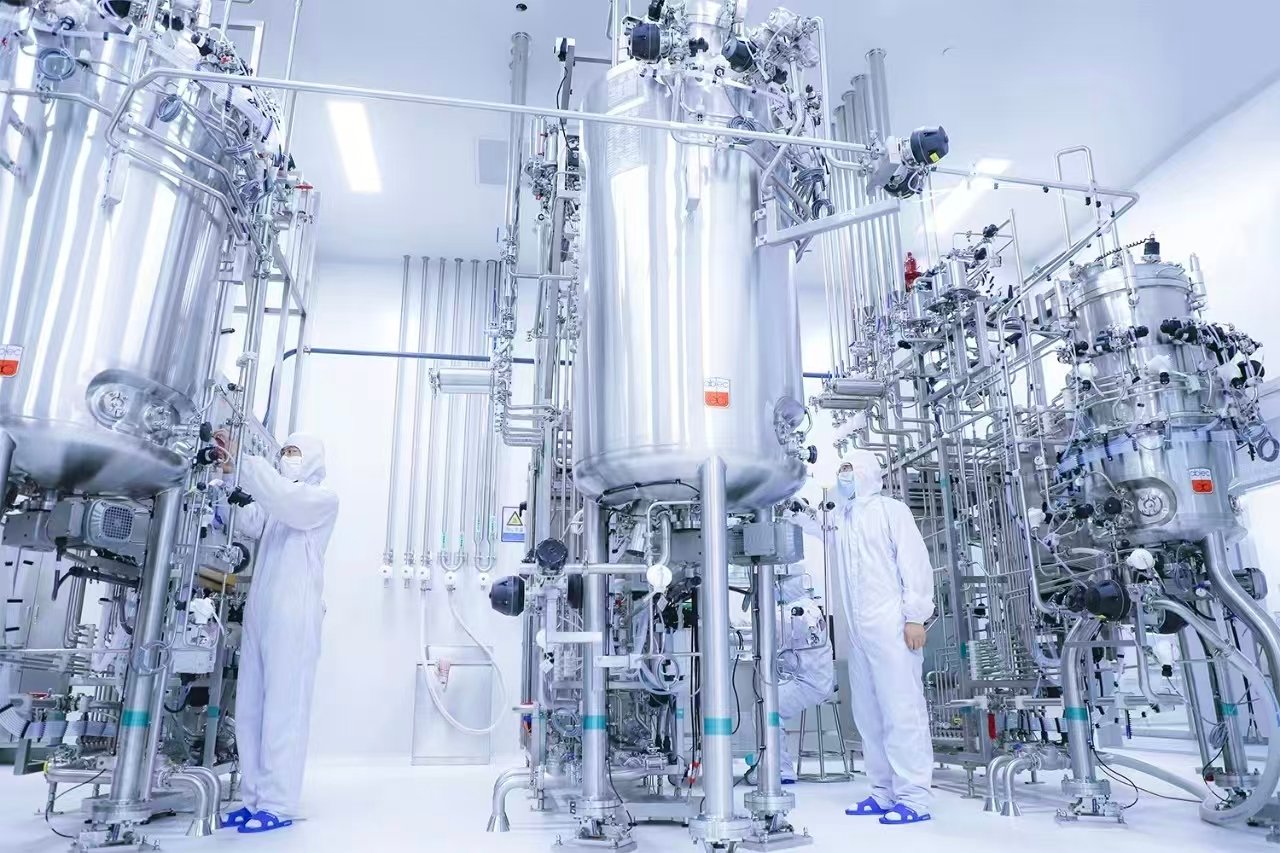
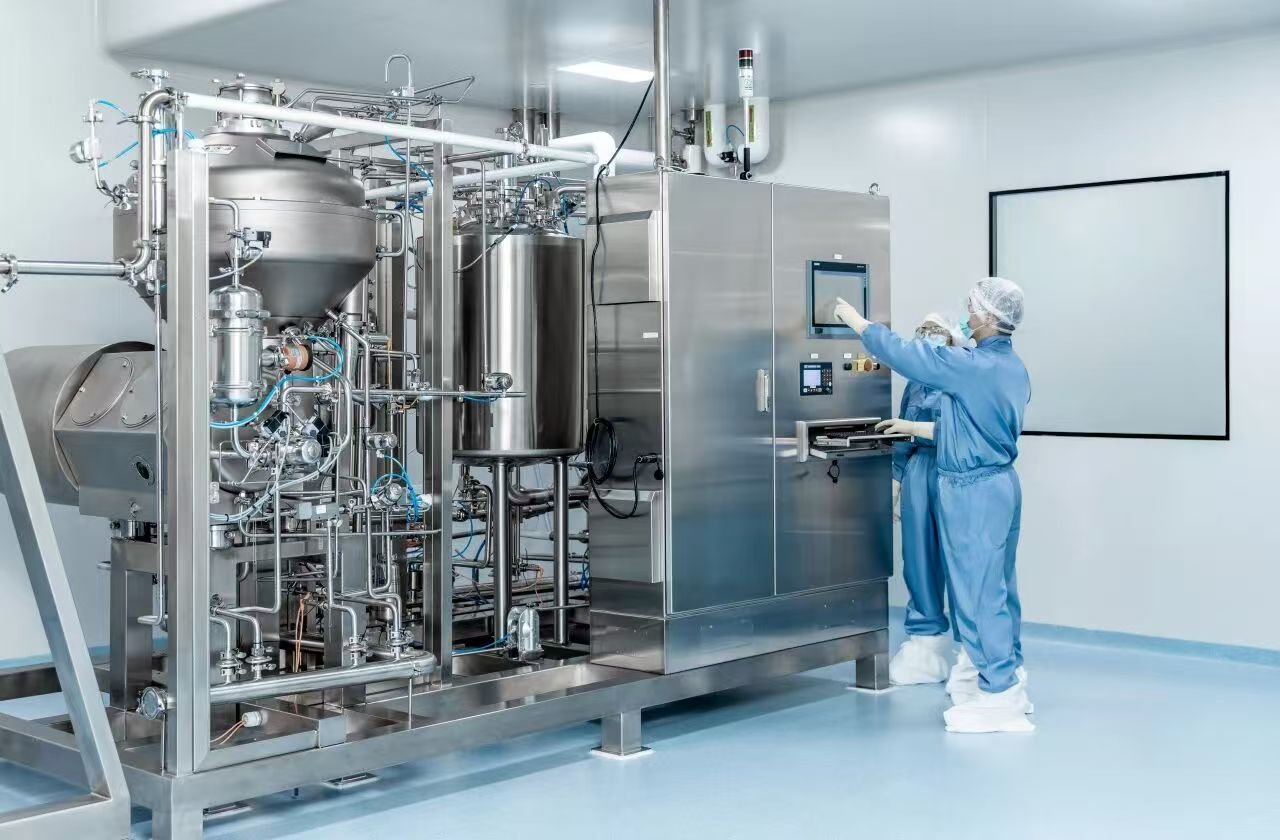
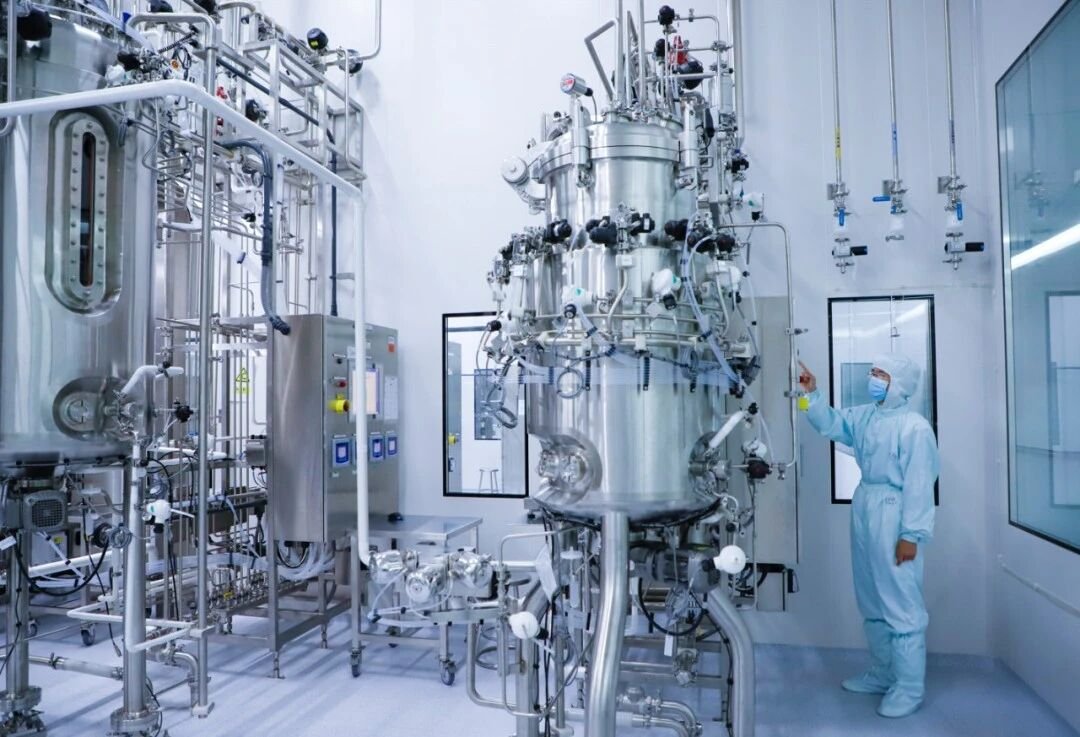
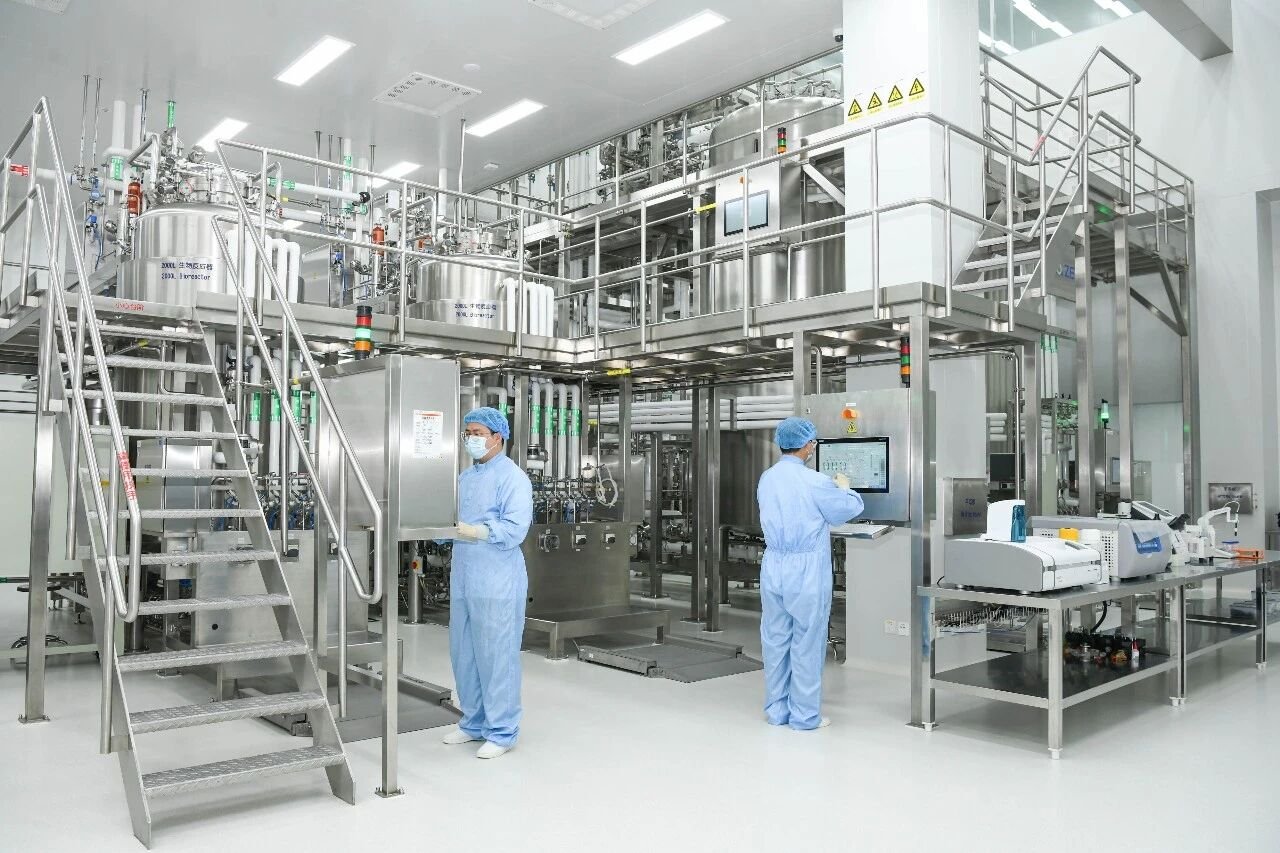
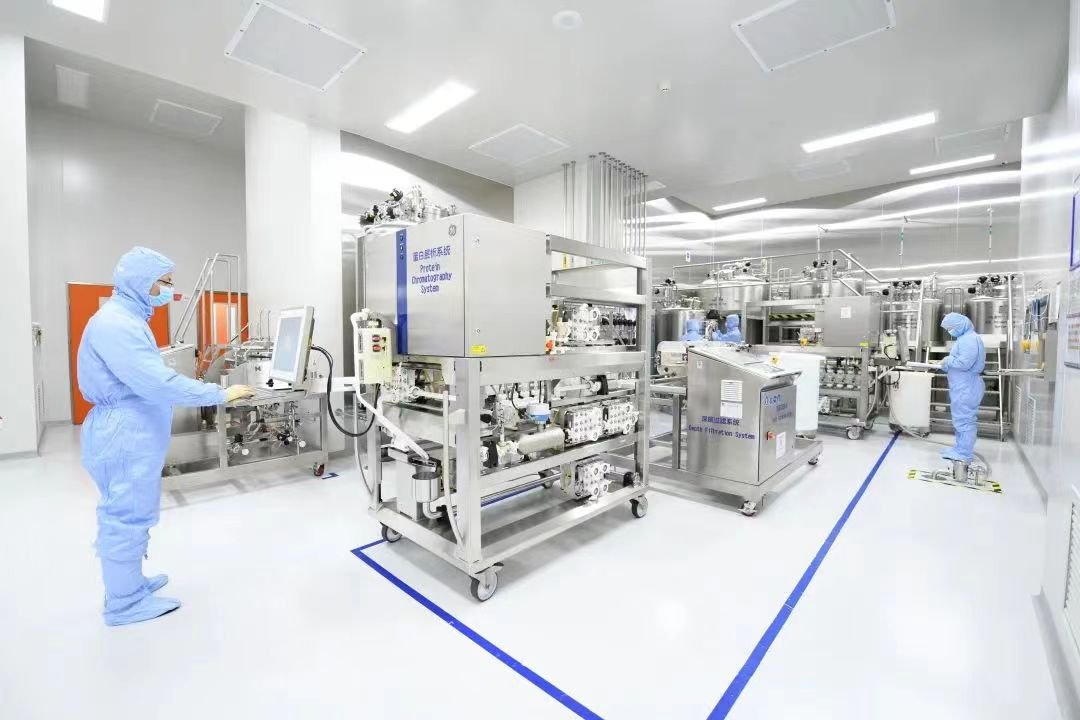
Our automated chromatography skid engineering delivers custom downstream purification infrastructure purpose-built for robust, reproducible capture, intermediate purification and polishing unit operations across biopharmaceutical workflows. Designed to translate lab-scale purification sequences into cGMP-aligned, closed automated workflows, the design mitigates core process risks stemming from variable feed matrix composition, resin bed instability, imprecise peak fractionation and cross-contamination hazards. Each skid configuration is engineered against predefined process design space, product critical quality attributes, resin selectivity and volumetric throughput targets, replacing labour-intensive, operator-dependent workflows with recipe-controlled execution. Working in close synergy with process development, quality assurance and regulatory stakeholders, we establish formal control strategies, alarm hierarchies and fractionation logic to safeguard product yield, purity and batch consistency throughout clinical and commercial manufacturing campaigns.
The integrated skid architecture is engineered and fabricated in full conformance with ASME BPE, cGMP and ISPE best practices, incorporating sanitary 316L wetted surfaces, validated orbital welds, low-dispersion manifold geometries and support for both fixed stainless steel columns and single-use column formats. The system integrates precision gradient pumping, multi-stream buffer switching, inline UV absorbance, conductivity, pH and differential pressure monitoring, automated column packing/unpacking sequences, matrix valve routing and secure SCADA/PLC recipe governance. Hydraulic characterisation and flow distribution modelling are embedded within the design cycle to minimise axial dispersion, channeling and transient pressure excursions, while enclosed CIP and sanitisation routines enable validated cleaning and bioburden control. Complete traceability packages for materials, instrumentation calibration and fabrication records are structured to support validation master planning and regulatory inspection readiness.
This automated chromatography implementation delivers measurable operational and commercial value by reducing manual handling, attenuating human error and enabling unattended cyclic operation to optimise resin utilisation and facility throughput. Its compact, pre-integrated skid layout facilitates seamless insertion into greenfield production trains as well as brownfield facility retrofits, with configurable buffer staging and fraction collection architectures adaptable for mAbs, recombinant proteins, viral vectors and advanced biologic modalities. Rigorous elution profile control minimises product loss and sustains consistent impurity clearance, compressing process cycle duration and reducing end-to-end cost of goods. The recipe library architecture further accelerates product changeover for multi-product, multiproduct manufacturing sites.
We provide full lifecycle engineering enablement spanning conceptual layout, P&ID development, hydraulic sizing, instrument specification, fabrication surveillance, FAT/SAT governance, site commissioning and validation support. Our downstream bioprocess specialists deliver post-handover sequence optimisation, process tuning, root-cause troubleshooting and operational training to stabilise performance under dynamic feed conditions. This end-to-end engineering engagement empowers biopharma sponsors and manufacturers to deploy scalable, audit-ready purification workflows that preserve product quality across the continuum from clinical material generation to sustained commercial supply.