
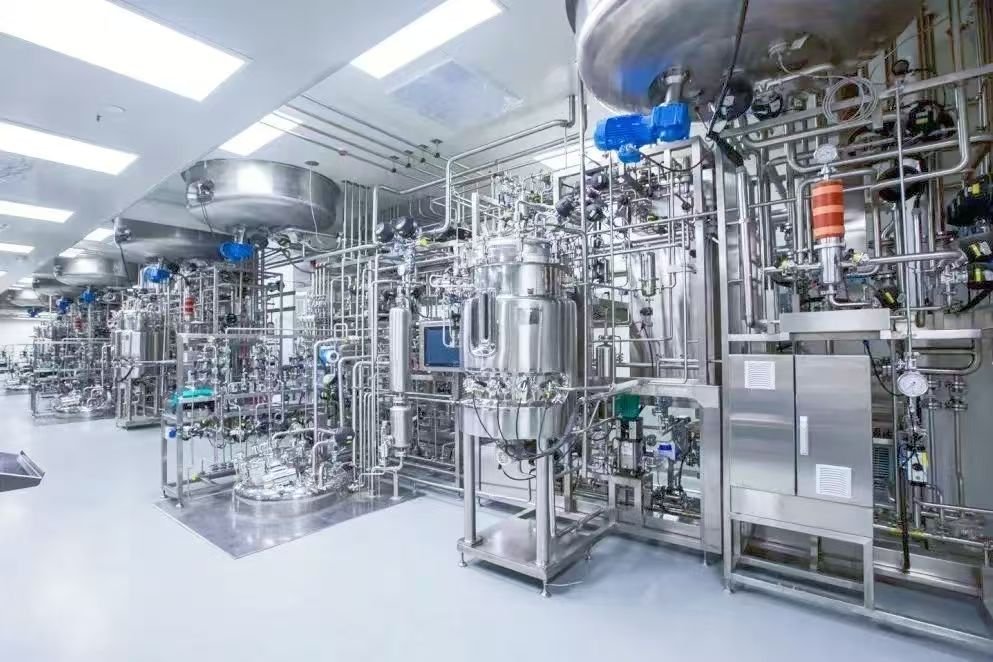

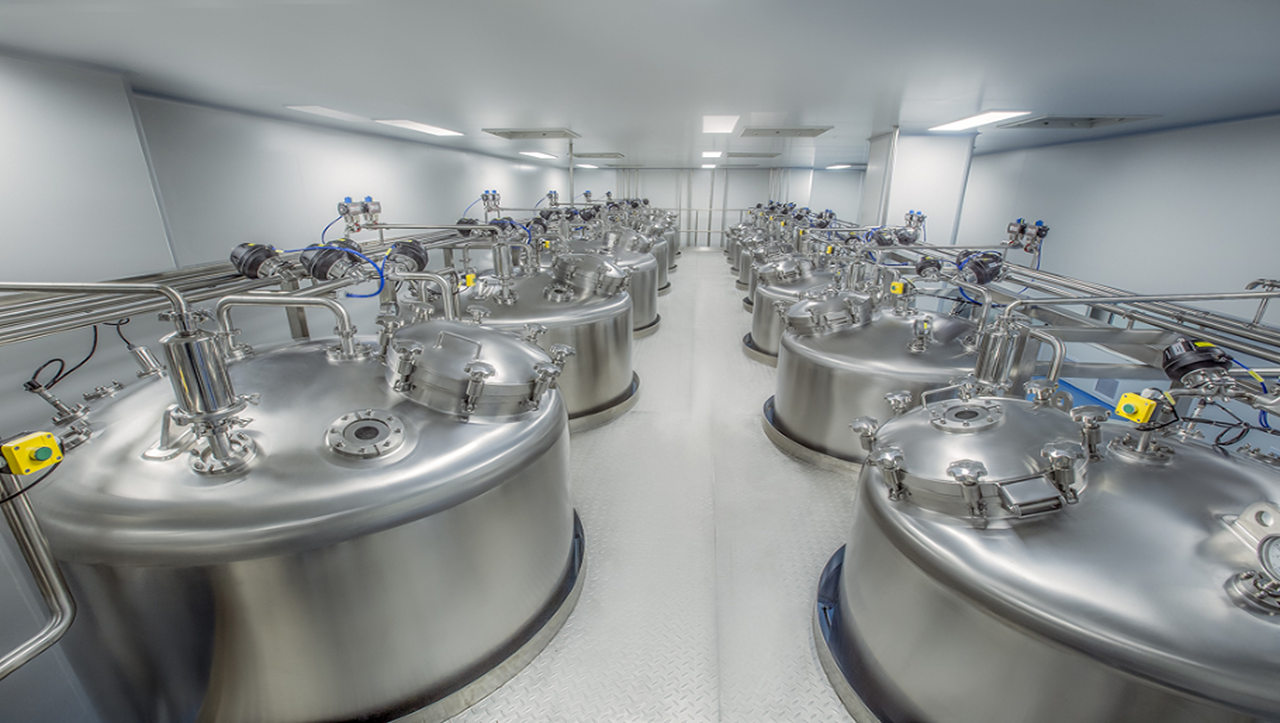
Our bio-inactivation and kill-tank system engineering delivers contained, validated process infrastructure designed for biologic manufacturing, viral vector production and biowaste treatment within cGMP-regulated bioprocess environments. Purpose-built to safely neutralize infectious feedstreams, harvested cell lysates and contaminated process fluids, the system acts as a critical biosafety barrier protecting operators, facility assets and the surrounding environment. Drawing on deep bioprocess containment and hygienic design expertise, we develop custom-engineered solutions aligned with biosafety classification, process validation and regulatory submission requirements for clinical and commercial biomanufacturing.
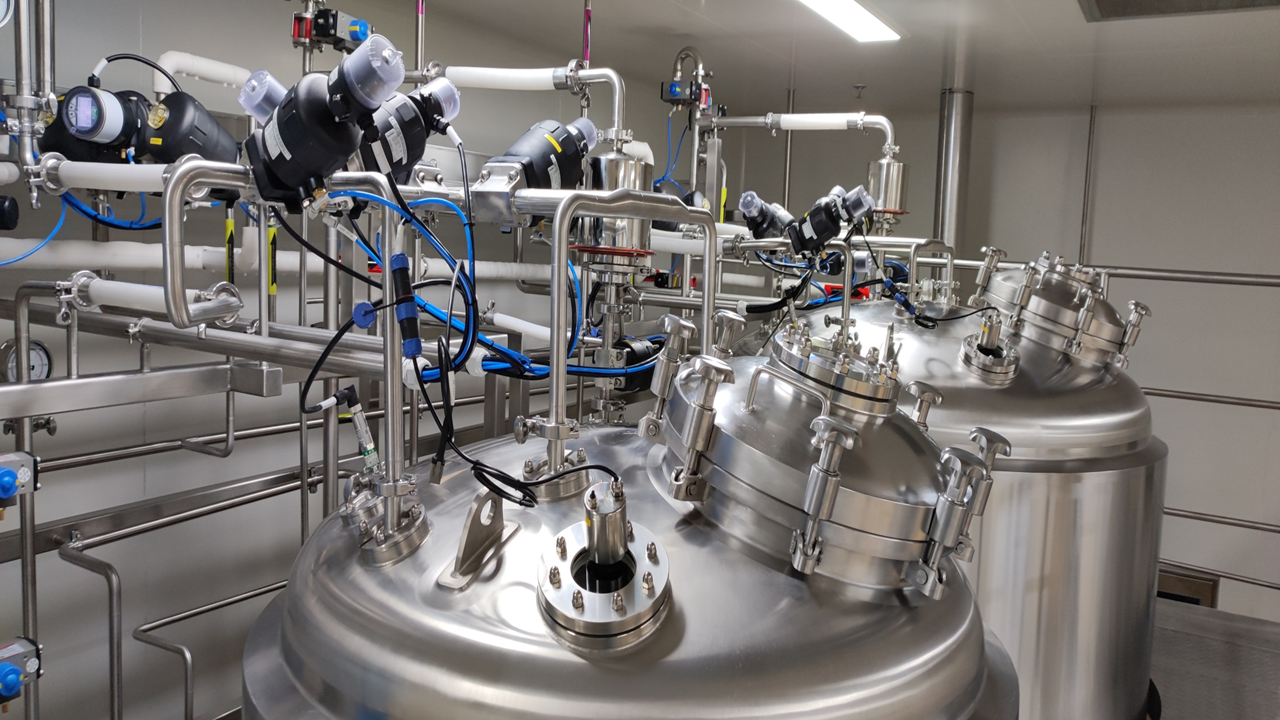
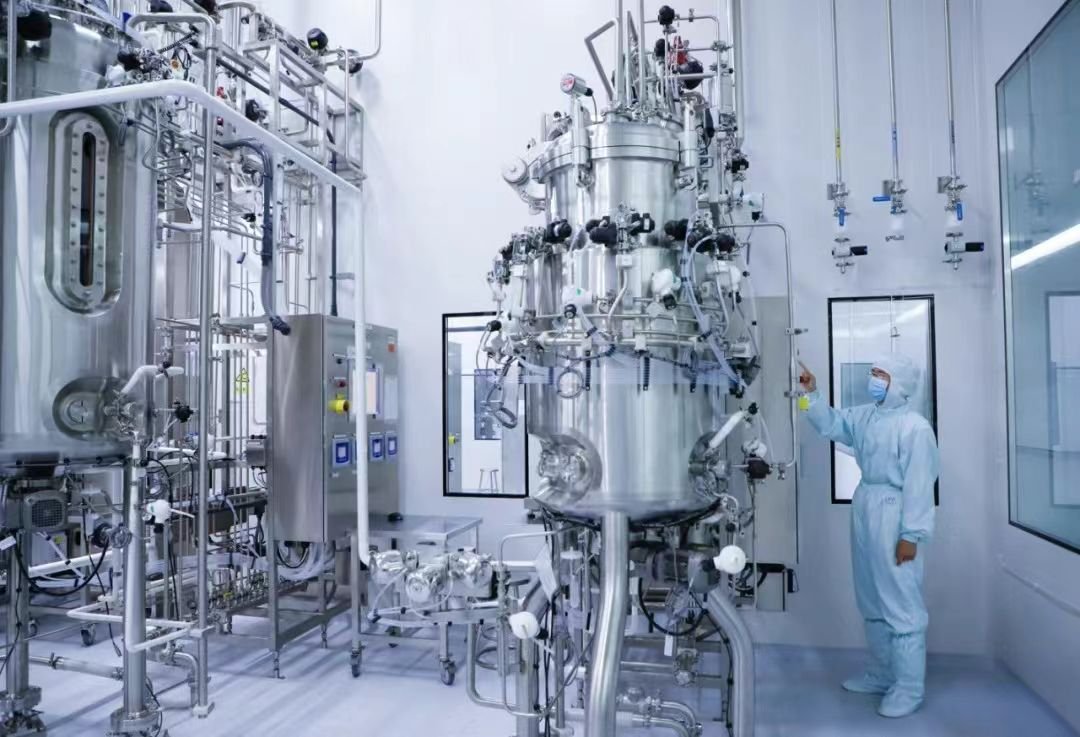
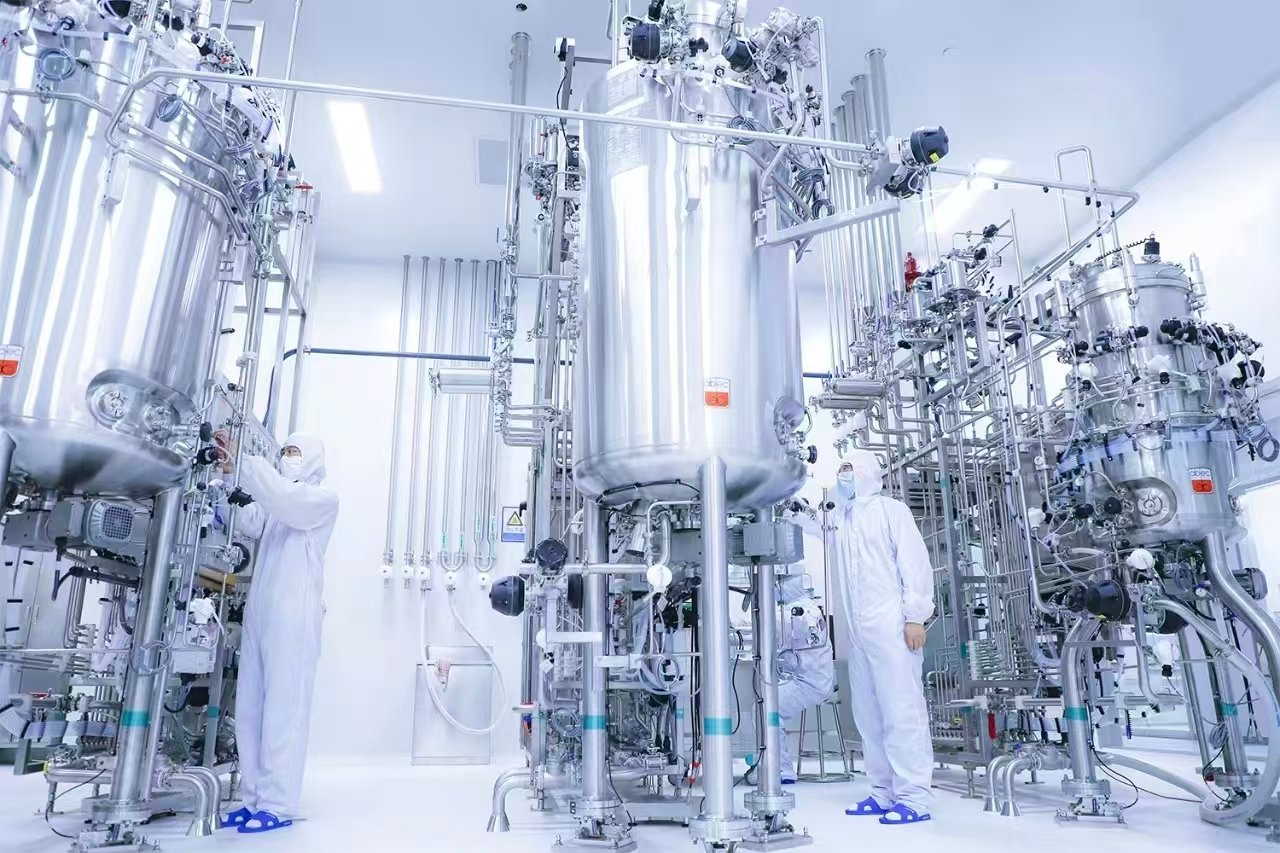
The system architecture comprises sanitary kill vessels, jacketed thermal control assemblies, closed chemical dosing modules, high-integrity agitation and continuous monitoring instrumentation, fully compliant with ASME BPE and hygienic engineering standards. Constructed from AISI 316L electro-polished stainless steel, the design eliminates dead legs and incorporates CIP/SIP functionality to support repeatable sterilisation and cross-campaign cleaning. Integrated sensors track temperature, pH, hold time and mixing homogeneity to verify inactivation kinetics, with secure data logging for audit trails. All pressure boundary components undergo hydrostatic testing and weld documentation during factory fabrication.
This engineered kill-tank platform delivers distinct biosafety and process performance benefits over conventional makeshift inactivation setups. Closed fluid transfer pathways prevent aerosol release and manual exposure hazards, reducing biosafety risk during material handling. Precise control over thermal or chemical inactivation parameters ensures consistent log reduction of target pathogens, minimising batch-to-batch variability and failed inactivation cycles. Automated recipe execution and electronic record capture simplify validation workflows and regulatory audits, while modular skid packaging shortens site installation and commissioning timelines.
We provide end-to-end system engineering services including conceptual process design, mechanical detailing, hazard assessment, FAT/SAT, site integration and validation support for biotech firms, CDMOs and bioprocess EPC contractors. Systems can be sized for pilot through commercial production scales and seamlessly interfaced with upstream bioreactor harvest and downstream waste streams. Our engineering team works alongside process safety and quality assurance teams to satisfy FDA, EU GMP and biosafety guidelines, de-risking technology transfer and delivering robust, audit-ready bio-inactivation infrastructure for global biomanufacturing facilities.
