
Core Engineering Design Principles
Tiered RNase Barrier Zoning & Pressure Cascade Engineering
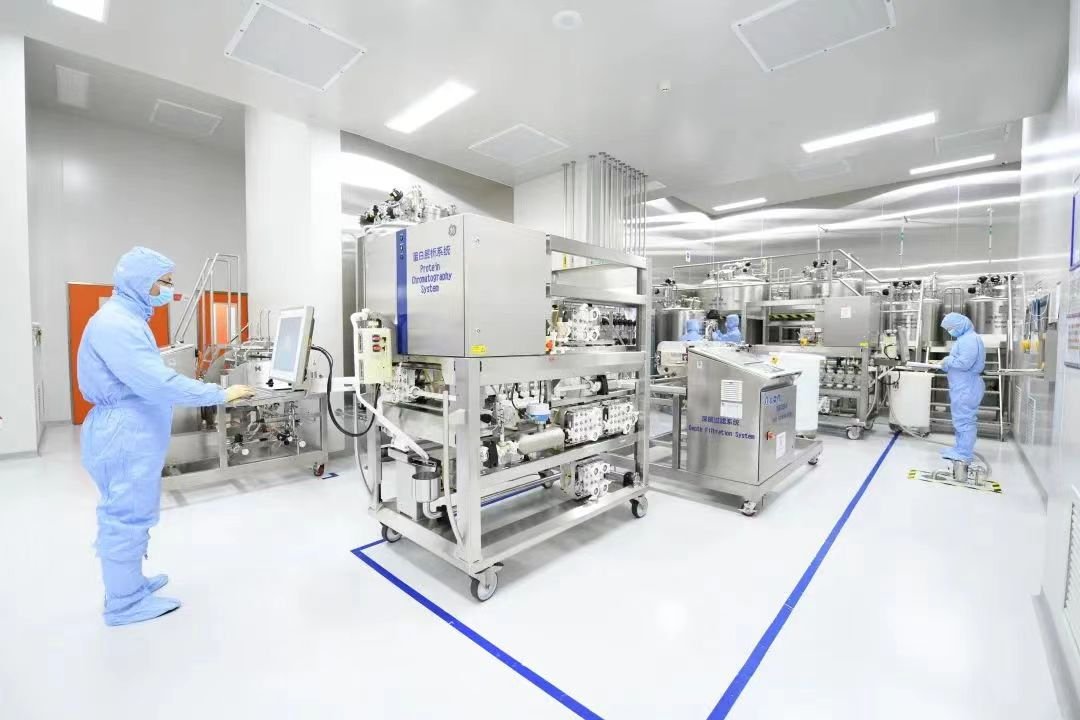
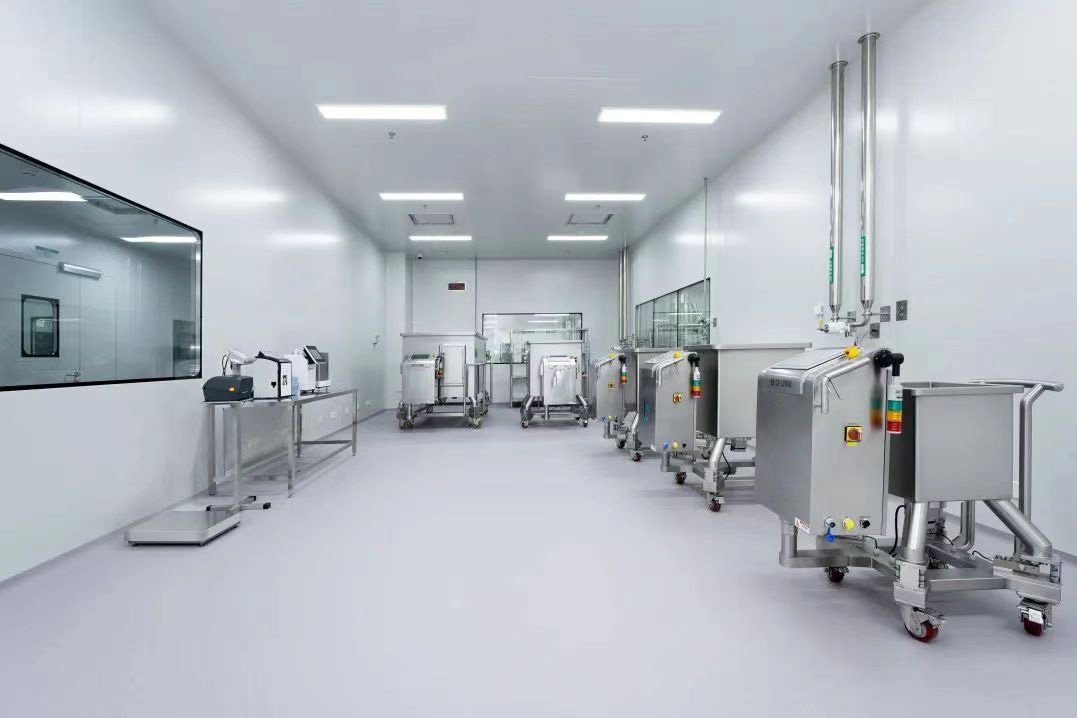
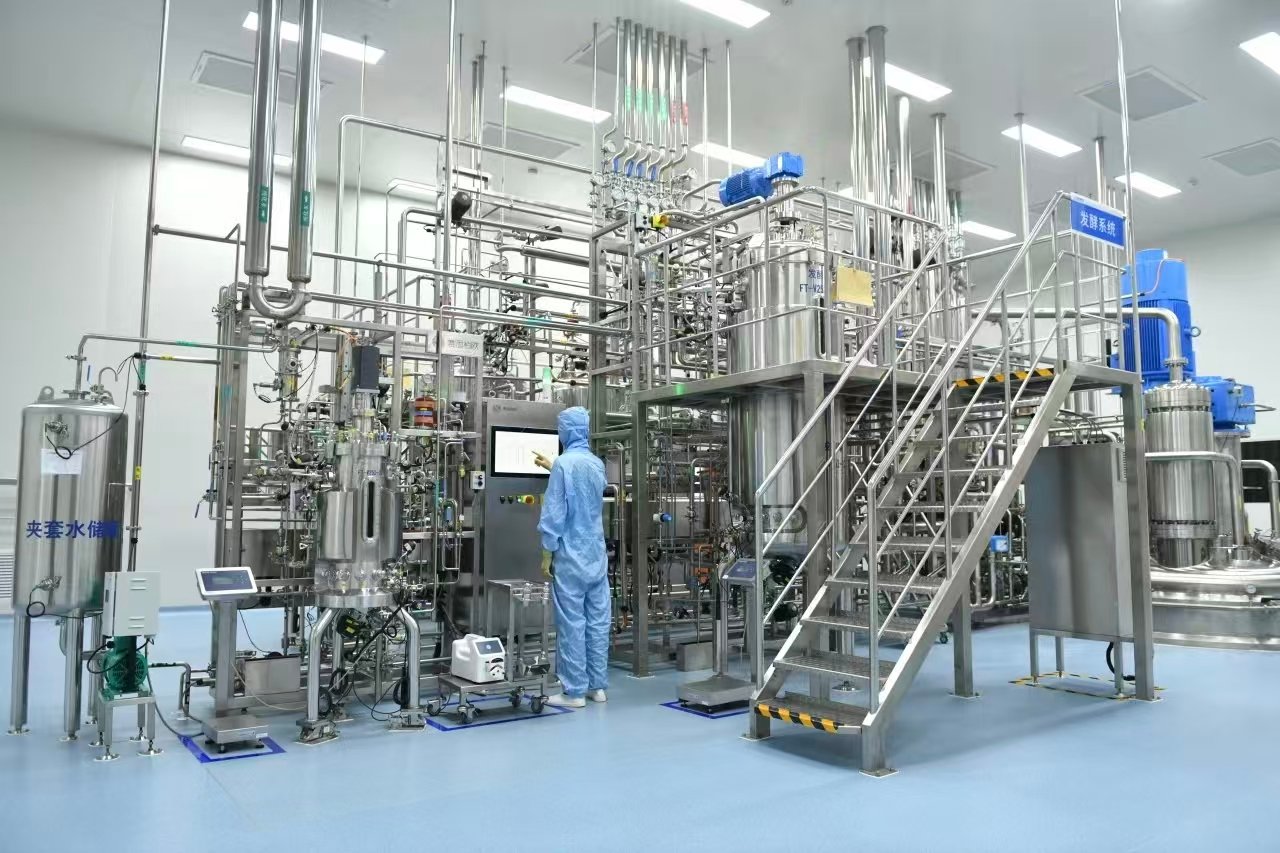
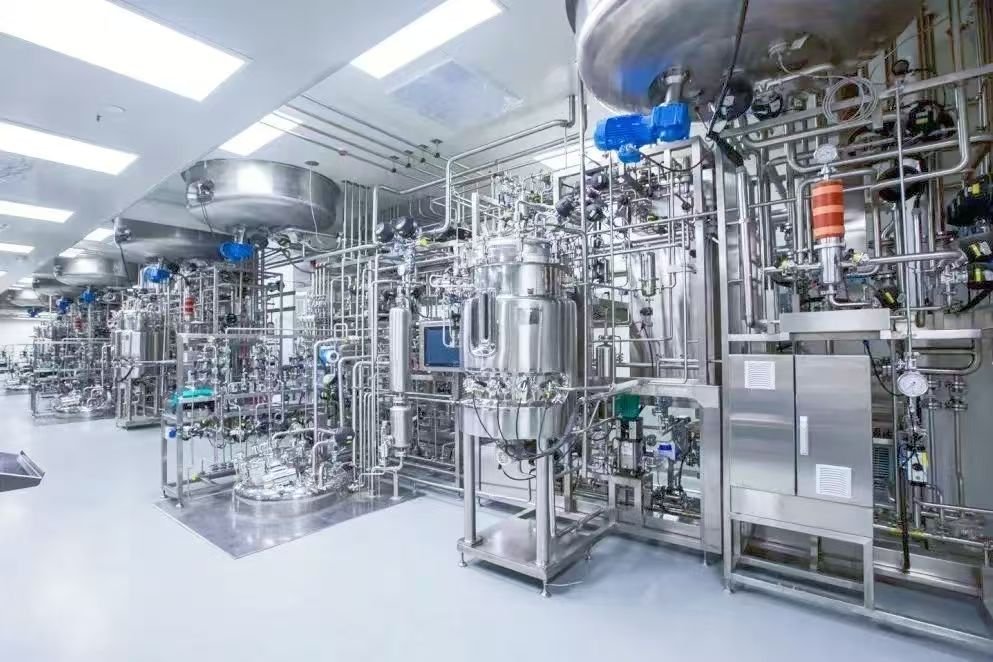
Physically separate pDNA production, IVT crude processing, mRNA purification and LNP formulation into independent suites with dedicated HVAC systems, multi-stage gowning airlocks and directional differential pressure gradients. Unidirectional flow for personnel, raw materials, intermediates and waste prevents RNase cross-contamination between process stages. Naked mRNA transfer adopts fully closed disposable tubing to eliminate open exposure.
Low-Shear Customized Fluid Path Design for Nucleic Acids
Optimize pipeline diameter, elbow radii, pump selection, circulation flow rate and microfluidic chip geometry across all unit operations. Minimize shear stress during mRNA recirculation, buffer exchange and LNP mixing to avoid strand breakage, aggregation and variable particle characteristics that impact critical quality attributes (CQAs).
Single-Use Optimized Piping & Equipment Layout
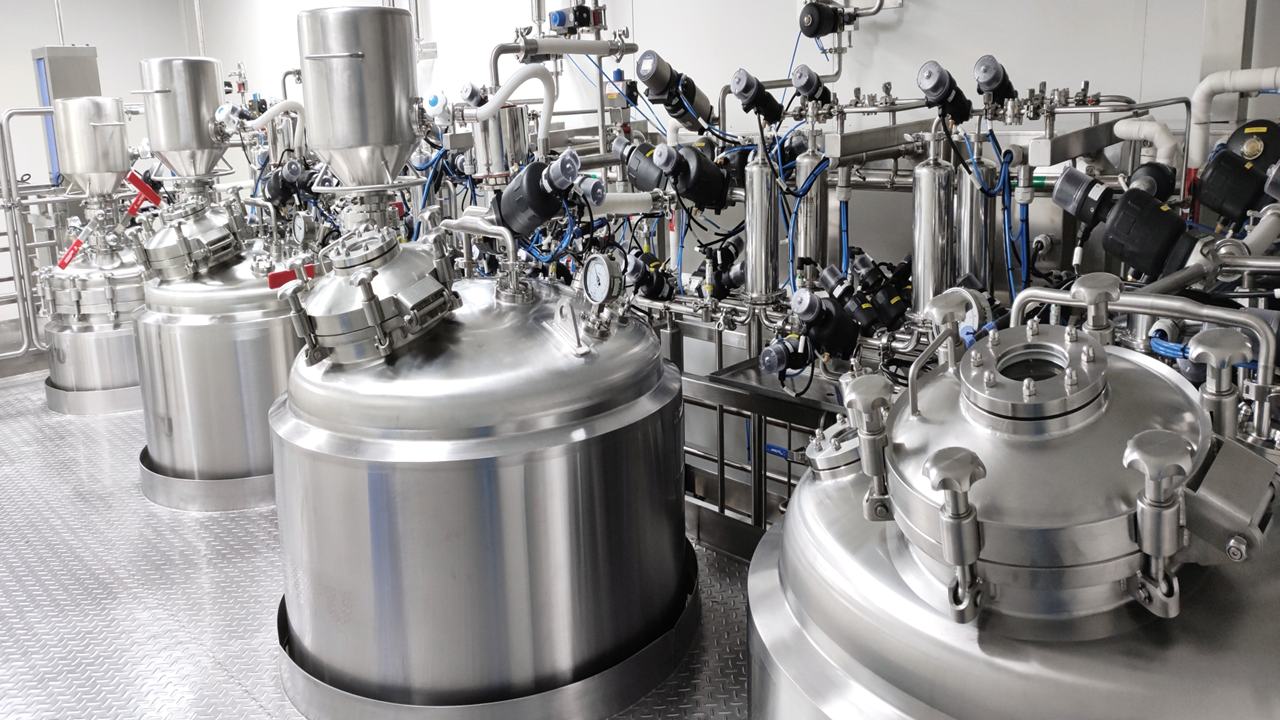
Reserve dedicated installation space, quick-disconnect sanitary ports and waste disposal manifolds for disposable bioreactors, filter cassettes, mixing bags and microfluidic cartridges. Reduce fixed hard piping coverage to lower repeated CIP/SIP validation scope and cut cross-contamination risks between different mRNA vaccine candidates.
Modular Skid Standardization for Scalable Capacity
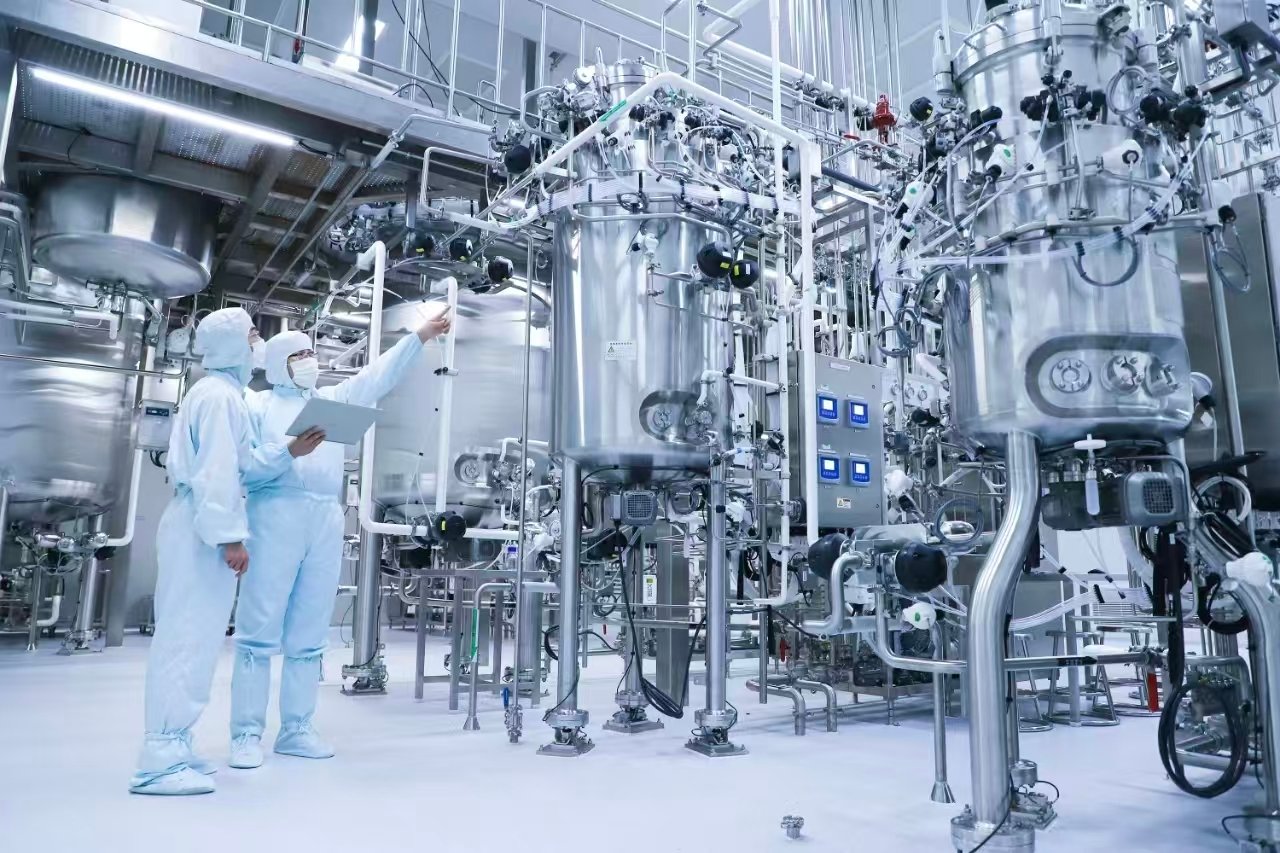
Standardize unified utility connection interfaces for fermentation, purification, LNP mixing and filling skids. Pre-reserve foundation space and pipeline trenches to support line capacity expansion or additional parallel production streams without large-scale civil and piping reconstruction.
Global Regulatory Compliance Embedded in Engineering Design
mRNA-specific GMP & Regulatory Guidance Compliance
Fully consistent with FDA mRNA manufacturing guidance, EMA Annex 1, ICH Q8/Q9/Q10, ISPE biopharmaceutical baseline guides and WHO vaccine codes. Enforce strict engineering controls to limit bioburden, endotoxin, residual plasmid DNA and double-stranded RNA. All room finishes, process contact materials and transfer components adopt RNase-free, low nucleic acid adsorption certified grades.
Graded Cleanroom Environment Engineering Standard
LNP mixing, sterile formulation and aseptic filling critical zones adopt Grade A with Grade B background; buffer preparation, mRNA polishing and seed cell culture adopt Grade C/D. HVAC design maintains stable low-humidity temperature control to suppress mRNA hydrolytic degradation.
Specialized Process Utility Compliance Design
WFI, pure steam, ultra-dry clean compressed air and low-temperature chilled water systems meet elevated purity standards for IVT reaction and lipid nanoparticle preparation. All circulation loops support validated CIP/SIP cycles for reusable equipment.
21 CFR Part 11 Data Integrity Built-In Automation Layout
Design centralized PLC/MES and real-time environmental monitoring architecture from schematic stage. Capture immutable audit trails for fermentation parameters, IVT temperature/time, TFF flux, LNP mixing pressure/flow, filling volume and cleanroom differential pressure to meet full batch traceability requirements for BLA/MA filings.
Cross-region adaptable design archives
Design basis reports, FMEA risk matrices and equipment qualification templates satisfy EU, US and Asia-Pacific regulatory review systems to simplify multi-country vaccine registration.