
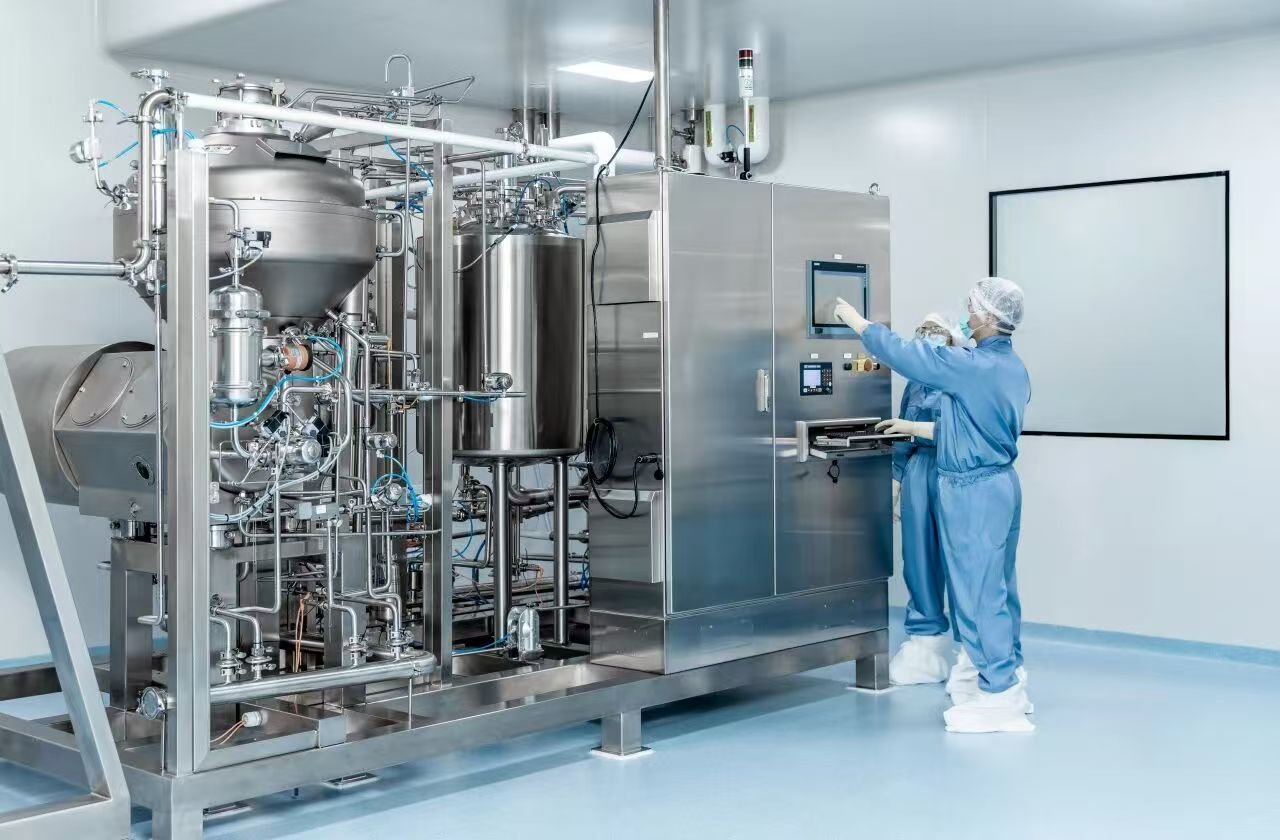
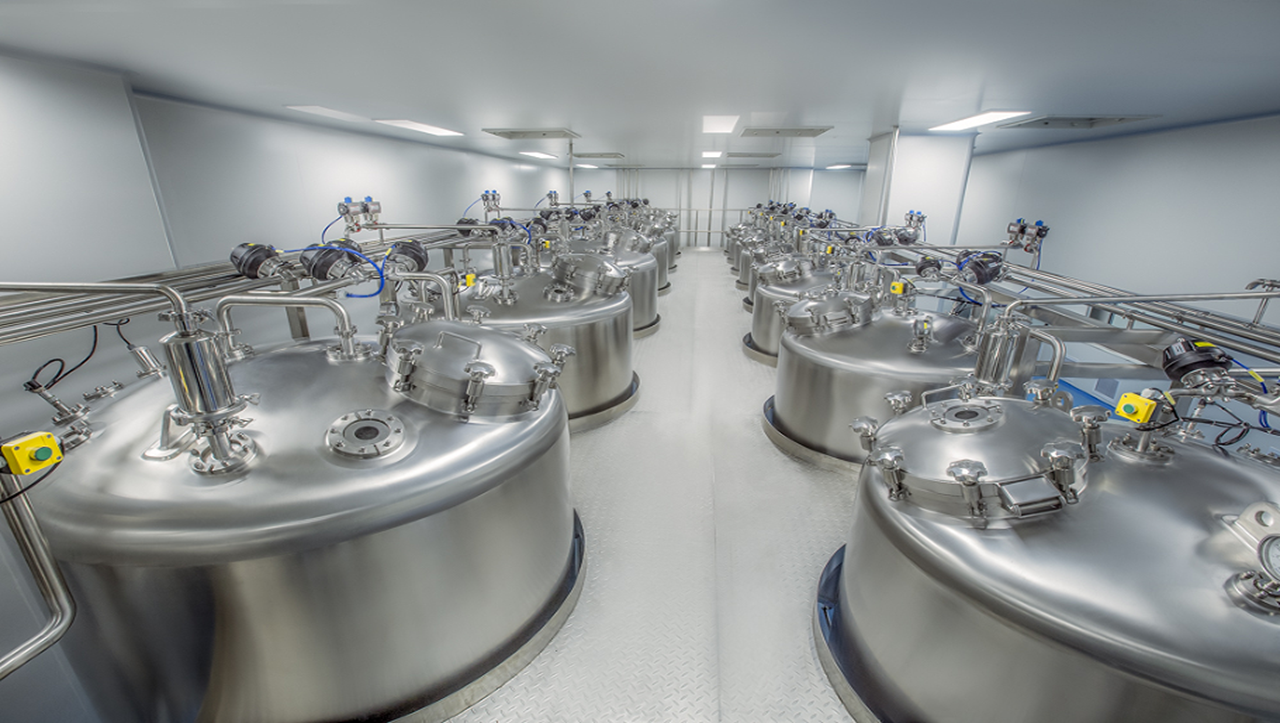
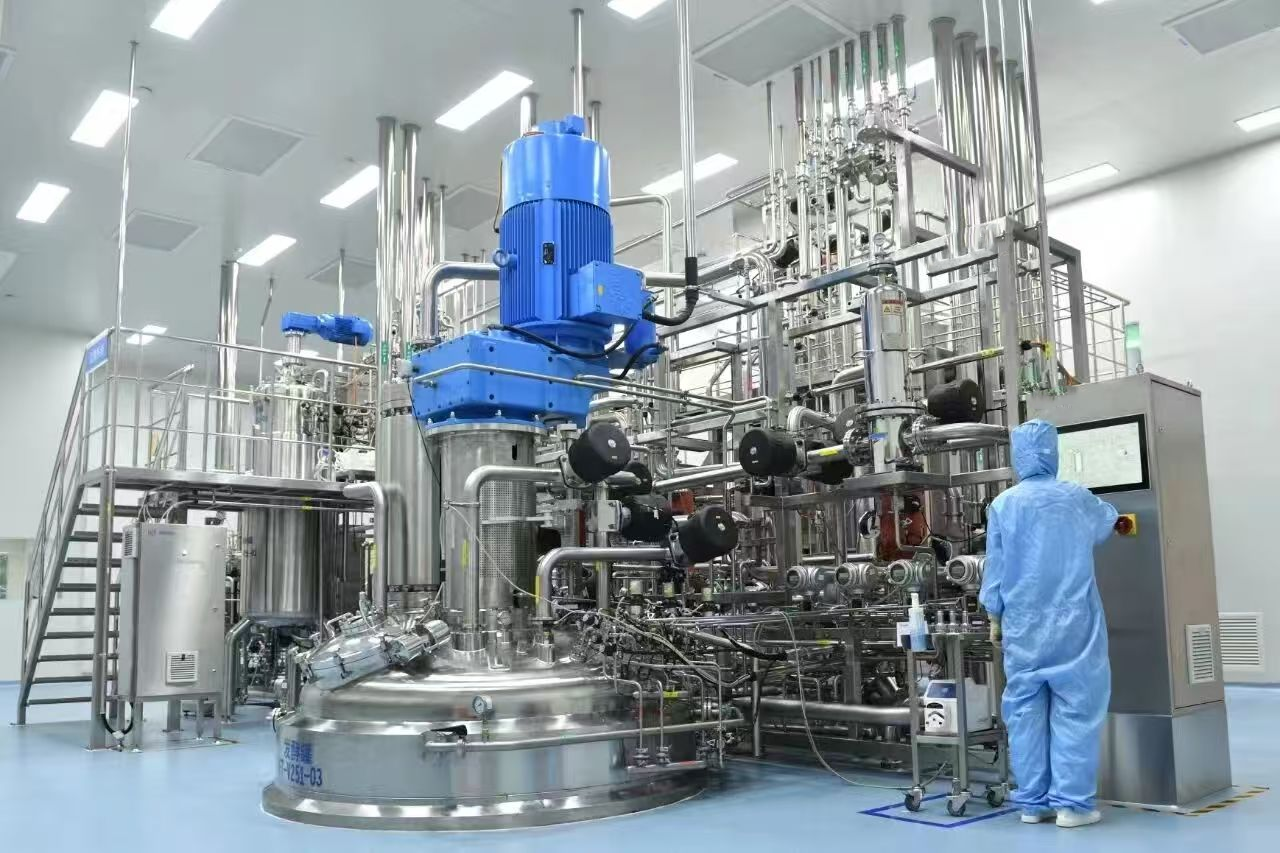
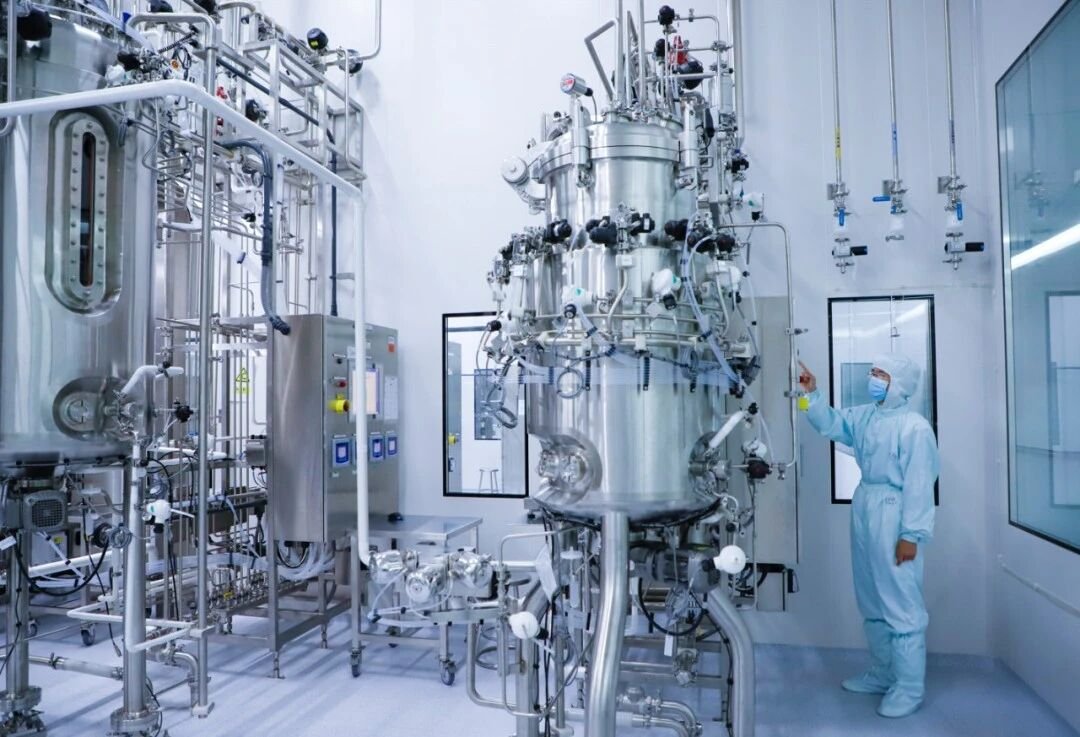
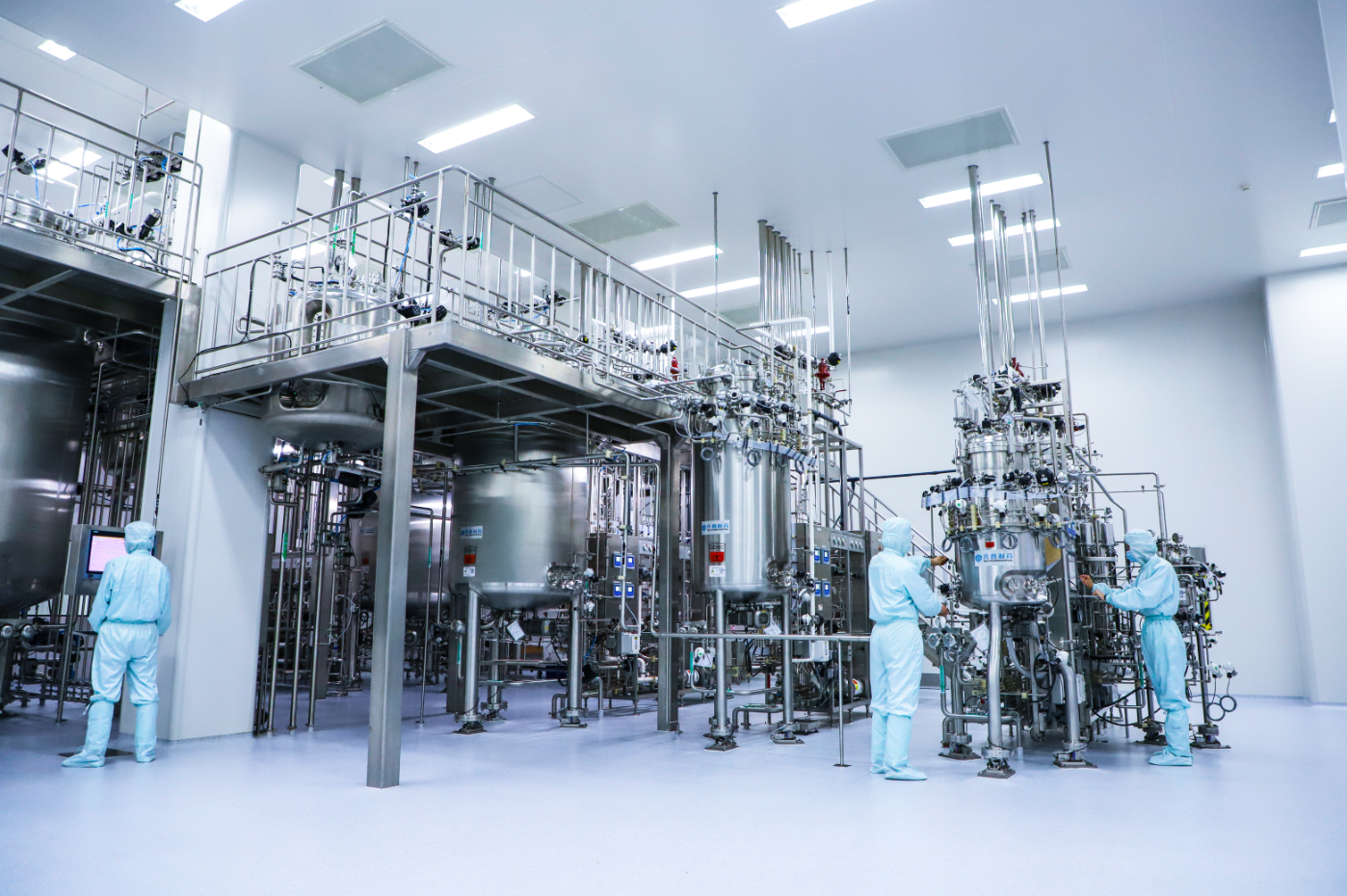
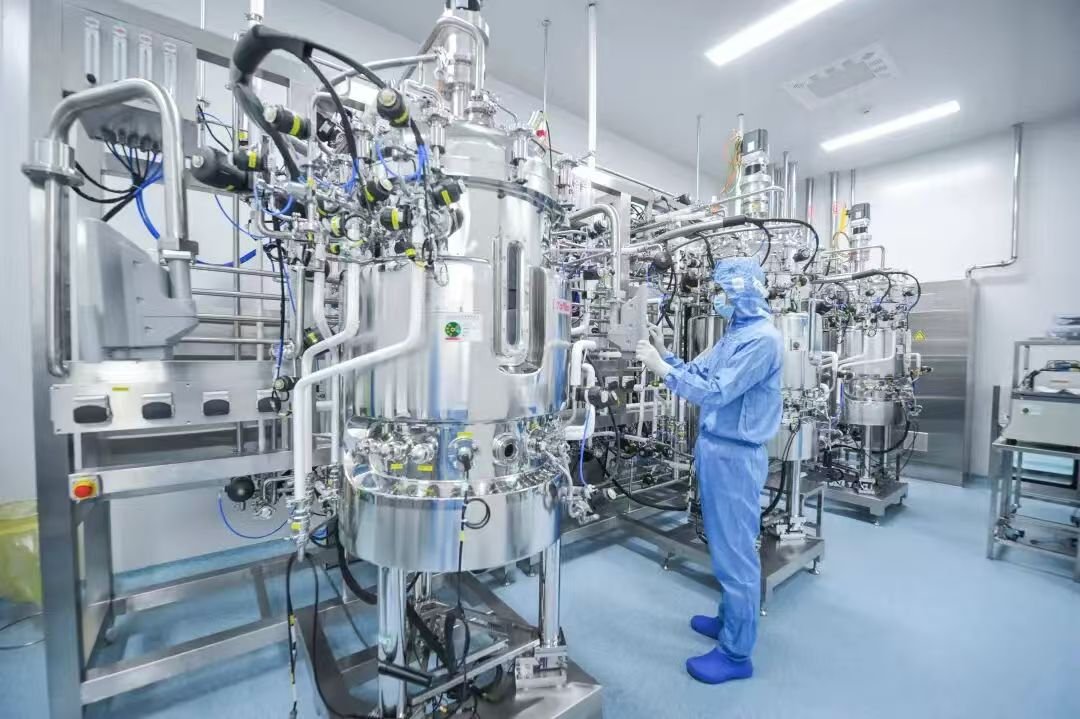
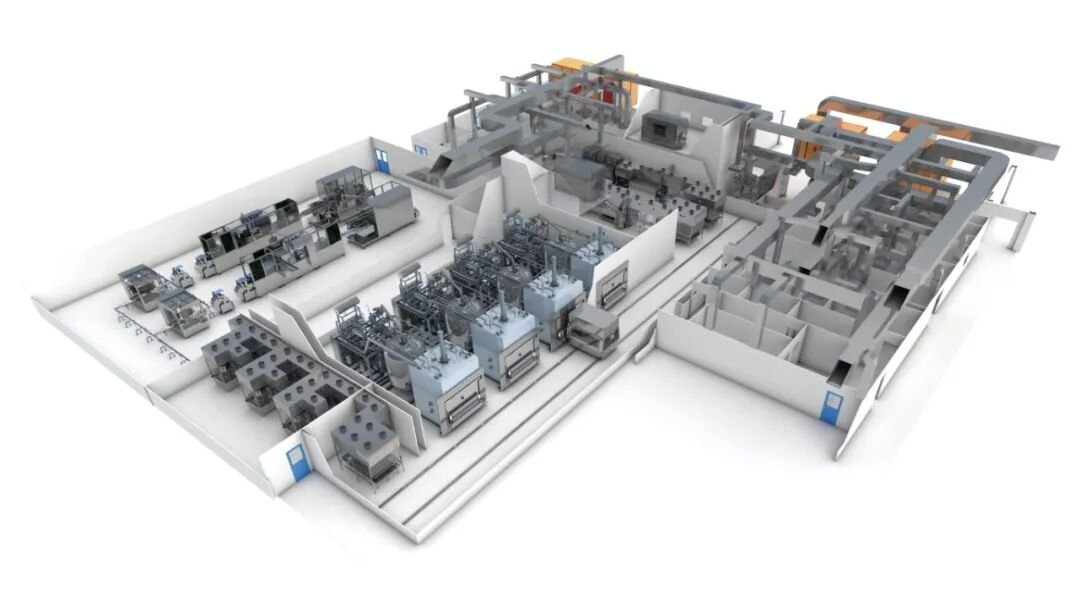
Our EU GMP Annex 1 aseptic processing compliance consulting delivers risk-led, inspection-ready advisory services focused on the revised regulatory framework for sterile medicinal products, addressing the elevated expectations for contamination control strategy, environmental monitoring, aseptic process simulation, and barrier technology deployment. Tailored for biologic fill-finish, cell and gene therapy, vaccine, and sterile formulation operators, the service bridges gaps between legacy quality systems and the current Annex 1 obligations, establishing a science-based contamination control strategy (CCS) as the foundational governance document for all aseptic operations. We assess your existing facility layout, cleanroom classification, RABS and isolator integration, material and personnel flows, and aseptic workflow interventions, identifying gaps that may trigger inspection observations and building a compliance roadmap aligned with EMA, PIC/S and notified body expectations. This advisory framework supports both greenfield design validation and brownfield remediation, enabling sponsors to anchor patient safety objectives within every aseptic unit operation.
Our technical consulting methodology embeds Annex 1 requirements across facility, equipment, process and organisational control layers, with deep focus on Grade A/B critical zone governance, environmental monitoring trending, rapid microbial methods, media fill simulation design, sanitisation and sporicidal programmes, and particulate control management. We review cleanroom HVAC performance, unidirectional airflow integrity, glove transfer and intervention controls, sterile component preparation, and the segregation of aseptic and non-aseptic activities, while rationalising monitoring locations, alert and action limits according to risk ranking. Our deliverables include gap assessment reports, CCS drafting and review, media fill protocols, validation master plan alignment, deviation and CAPA maturity reviews, and structured training for quality, production and engineering teams. All technical opinions are framed around the principle of quality by design, ensuring controls are proportionate to contamination risk rather than implemented through prescriptive, box-ticking compliance activity.
Targeted Annex 1 compliance transformation strengthens regulatory defensibility while unlocking tangible operational stability for aseptic manufacturing lines. A robust, living contamination control strategy reduces recurring excursion events and stabilises environmental monitoring trends, lowering the frequency of disruptive investigations and batch holds. Rationalised monitoring schemes and scientifically justified sampling frequencies eliminate redundant testing burdens, while validated barrier strategies reduce reliance on human intervention within Grade A zones, the dominant source of microbial risk in aseptic processing. The advisory model also supports scalable readiness for multi-product campaigns and flexible fill-finish suites, embedding change control routines that maintain compliance as formulations, container closure systems and processing technologies evolve. Over time, this structured approach reduces inspection vulnerability and supports consistent batch release confidence for commercial and clinical sterile supply.
We deliver end-to-end compliance support spanning pre-audit readiness, regulatory inspection accompaniment, post-inspection response management, and continuous compliance surveillance across the aseptic lifecycle. Our cross-functional regulatory and cleanroom engineering team collaborates with your quality assurance, validation, manufacturing and EPC partners to translate Annex 1 clauses into practical site procedures, qualification protocols and facility design rules. Whether preparing for an initial marketing authorisation inspection, remediating observations from a prior regulatory visit, or integrating new isolator and single-use aseptic technologies into an existing site, our consulting service establishes a sustainable state of control that aligns aseptic operations with the modernised EU GMP Annex 1 standard and global sterile manufacturing best practice.