

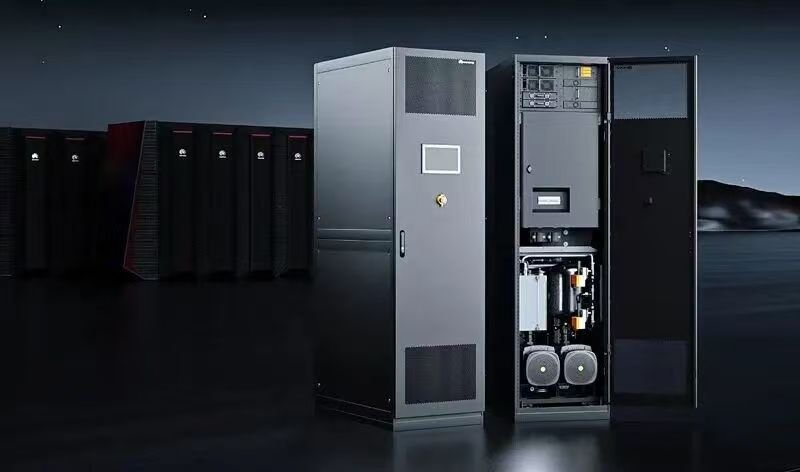
Our Front-end Engineering Design (FEED) service for AI liquid cooling deployment delivers a rigorous, risk-aligned engineering foundation tailored for hyperscale AI clusters, high-density GPU racks and next-generation compute infrastructure where conventional air cooling architectures can no longer satisfy thermal and energy targets. This early-stage engineering engagement bridges conceptual intent and detailed execution, consolidating rack power profiles, thermal boundary conditions, coolant chemistry specifications, site utility constraints, seismic and safety requirements, and sustainability KPIs into a coherent technical baseline. We engage closely with compute owners, facility teams and EPC stakeholders to align on technology selection, whether direct-to-chip cold plate, liquid-to-liquid CDU distribution or closed-loop immersion, and establish clear design assumptions that eliminate costly scope drift and rework during later project phases.
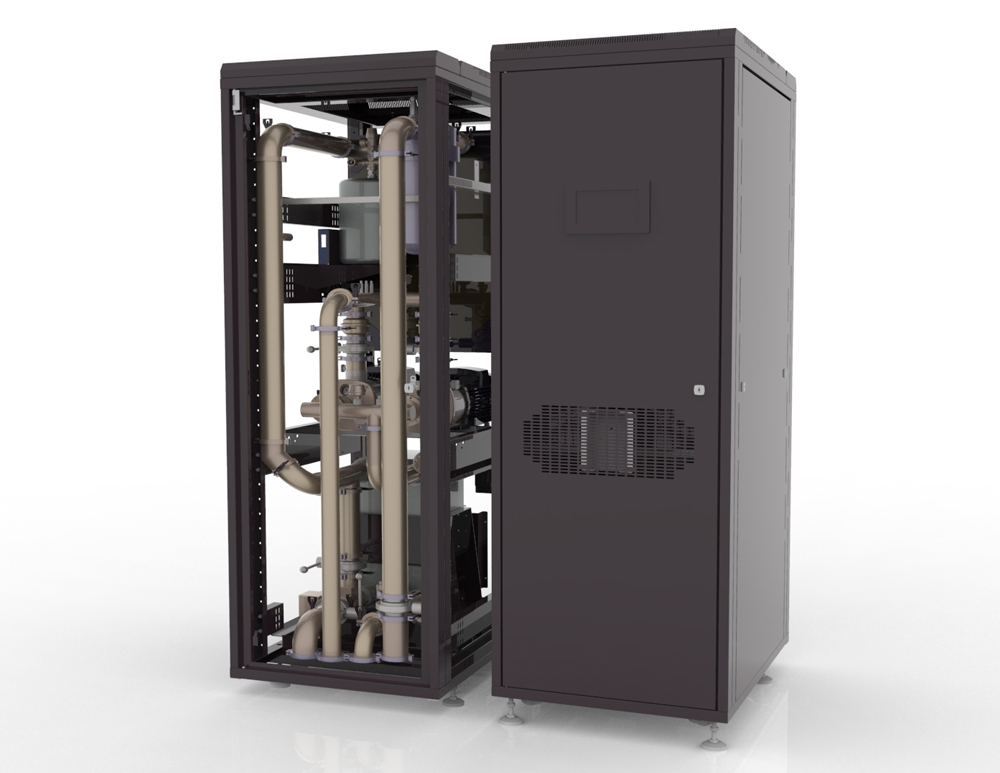
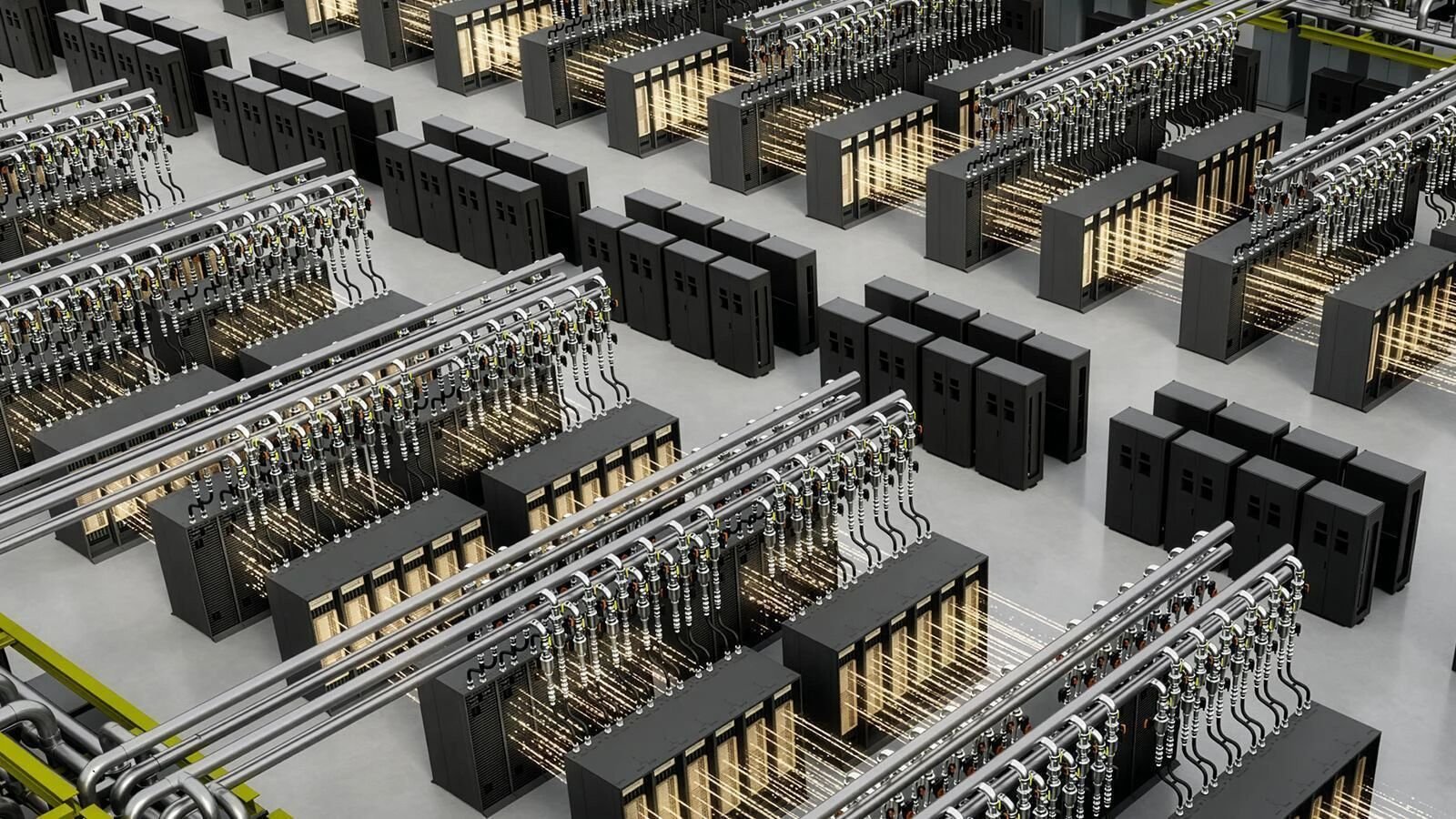
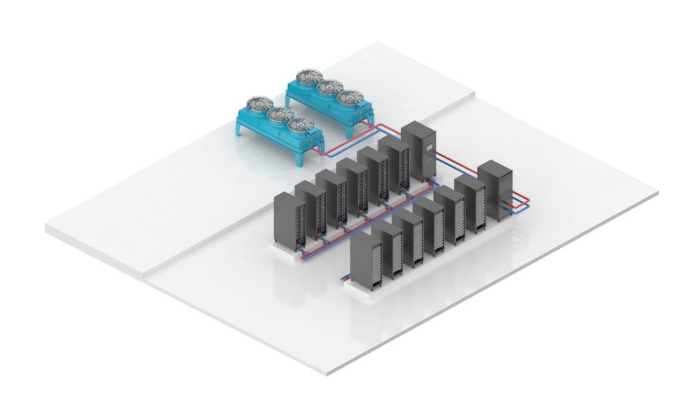
The FEED package integrates multi-physics thermal-hydraulic modelling, preliminary P&ID development, equipment sizing for CDUs, manifolds, heat rejection skids, pumps and filtration assemblies, routing studies for primary and secondary coolant loops, and early evaluation of leak detection, pressure relief, fluid treatment and monitoring architectures. Our deliverables include process flow diagrams, equipment datasheets, preliminary layout and pipe routing studies, capital and operating expenditure estimates, utility load tabulations, safety hazard reviews and an execution roadmap for subsequent detailed design, procurement and construction. Every design iteration is benchmarked against site climate conditions, redundancy tiers, uptime commitments and local codes, ensuring the proposed liquid cooling topology is hydraulically stable, thermally resilient and compatible with existing facility water, power and BMS controls.
By anchoring the liquid cooling deployment in robust FEED analysis, operators gain full visibility into bottlenecks that commonly derail high-density AI builds, including pressure imbalances across manifold branches, coolant temperature stratification, heat rejection limits at peak AI training loads, and compatibility risks between selected coolants, sealing materials and server cold plate interfaces. The study quantifies projected PUE, thermal headroom, turndown capability and failure-mode response, enabling data-driven trade-offs between capital spend, energy consumption, maintenance complexity and scalability. This structured de-risking exercise empowers investment decisions, validates vendor interface requirements and sets non-negotiable technical guardrails before long-lead equipment commitments are placed.
Our FEED offering extends beyond drawing packages and cost estimates to provide a continuous engineering interface through tendering, vendor technical evaluation and handover to detailed design, supporting seamless transition from front-end definition to fabrication, site integration and commissioning. We maintain configuration traceability across design assumptions, simulation outputs and regulatory requirements, and can adapt deliverables for greenfield hyperscale campuses, brownfield retrofits and modular edge AI deployments. With deep domain expertise across AI thermal management, industrial fluid systems and data centre reliability standards, our FEED service establishes a predictable, auditable pathway to deploy liquid cooling infrastructure that balances performance, resilience and long-term operational economics.