
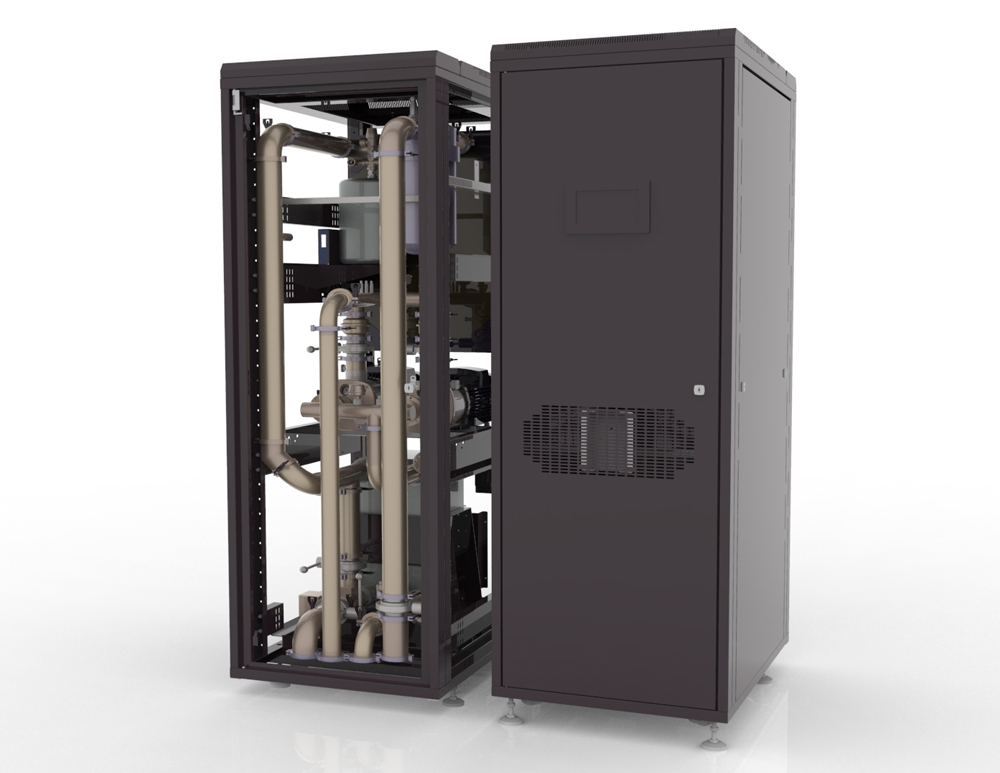
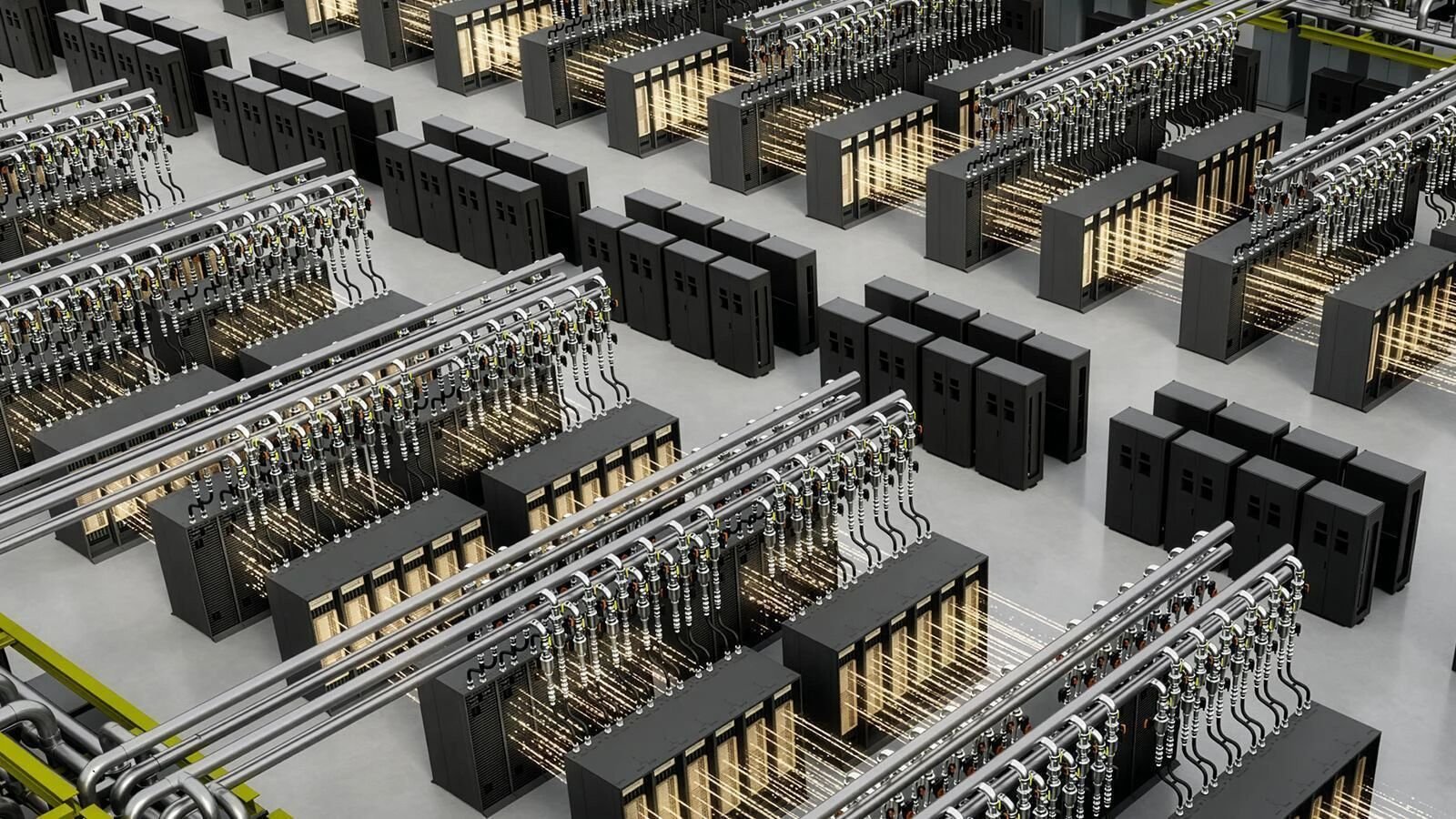
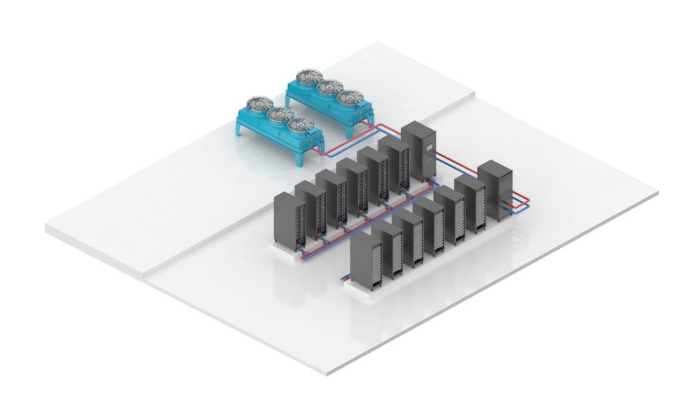


Our precision thermal management engineering delivers holistic thermal infrastructure strategy purpose-built for high-density computing hubs hosting large-scale AI training, generative inference and HPC workloads. Rooted in ASME BPE sanitary design and contamination control frameworks proven within cGMP biopharmaceutical manufacturing, our methodology transfers bioprocess fluid quality governance to liquid cooling circuits, mitigating particulate fouling, corrosion, leaching and stagnant fluid degradation that silently compromise fine cold-plate channels over extended runtime. We address compound thermal challenges arising from concentrated GPU/CPU arrays, dynamic load fluctuations and localized hotspots, establishing stable, cleanliness-guarded thermal boundaries to unlock the full compute potential of modern supercomputing environments. Merging multi-physics simulation expertise, mission-critical data center operational standards and sanitary fluid-system know-how, we develop tailored thermal roadmaps aligned with rack power escalation, hardware refresh cycles and sustainability targets for hyperscale and enterprise compute campuses.
The engineering framework integrates coupled thermal-hydraulic modelling, CFD hotspot analysis, transient load simulation and closed-loop control architecture across air and liquid cooling modalities, including direct-to-chip, secondary coolant loops and precision fluid distribution subsystems. All wetted coolant paths follow sanitary design principles adapted from biomanufacturing practice: minimized dead legs, fully drainable routing, controlled internal surface roughness and validated material-elastomer compatibility, supported by flushing, sampling and loop conditioning protocols inspired by biopharma CIP workflows. Every component, from cold plates and manifolds to CDU skids and sensing instrumentation, undergoes thermal, pressure and formal fluid cleanliness validation to maintain tightly controlled temperature and flow tolerances. Our design methodology embeds redundancy, leak mitigation and continuous real-time telemetry to sustain stable thermal performance under variable burst and steady-state compute loads.
This precision-engineered thermal ecosystem yields measurable operational resilience and energy efficiency gains versus conventional generic cooling deployments by embedding biopharma-grade fluid integrity into core thermal design. By eliminating temperature drift, hotspot-induced compute throttling and progressive fouling-related thermal decay, it preserves consistent chip performance and extends the service life of high-value IT hardware within dense rack environments. Centralized intelligent monitoring enables predictive anomaly detection and condition-based maintenance, minimising unplanned downtime. Optimized thermal loop operation reduces auxiliary power draw, lowering facility PUE and delivering favorable total cost of ownership throughout the computing hub’s operational lifespan, with all inspection, test and validation records organized under the audit-ready traceability standard of regulated bioprocess assets.
We provide full-lifecycle thermal engineering services spanning concept feasibility, detailed design, prototyping, FAT/SAT validation, site implementation oversight and ongoing technical support for hyperscale operators, colocation owners and EPC partners. The modular design paradigm supports incremental capacity expansion without disrupting existing compute zones. Our cross-functional engineering team unites sanitary bioprocess fluid expertise and data centre thermal management, collaborating closely with server, power and facility vendors to achieve seamless system interoperability, de-risking deployment and delivering robust, future-ready, cleanliness-controlled thermal foundations for global high-density computing hub projects.