
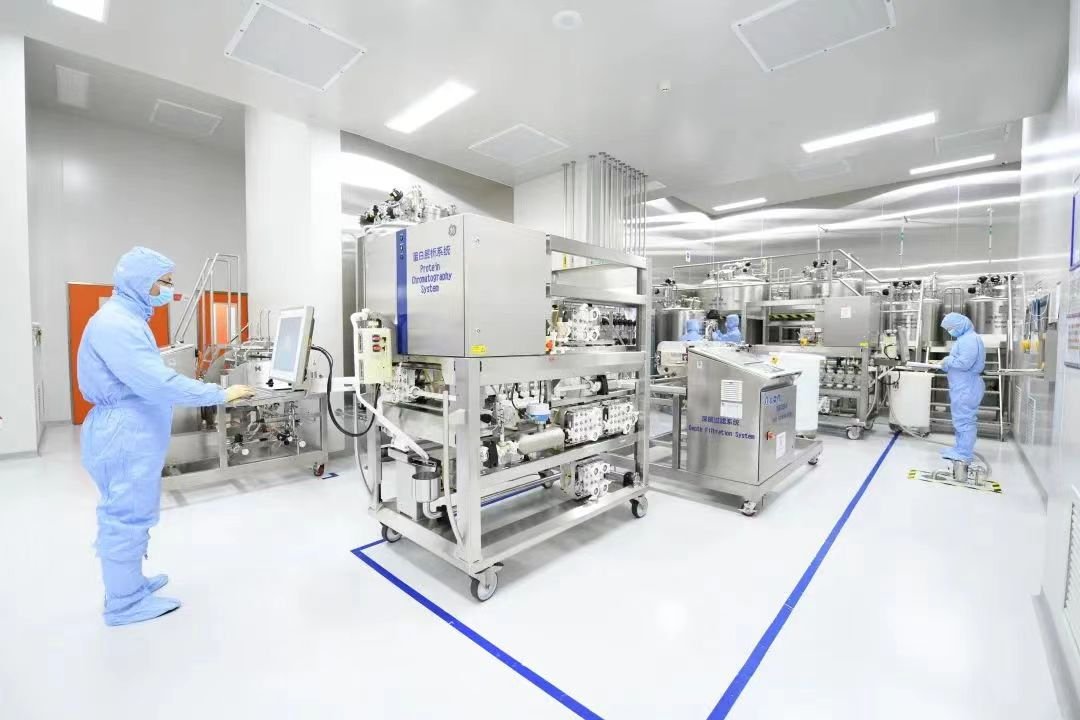
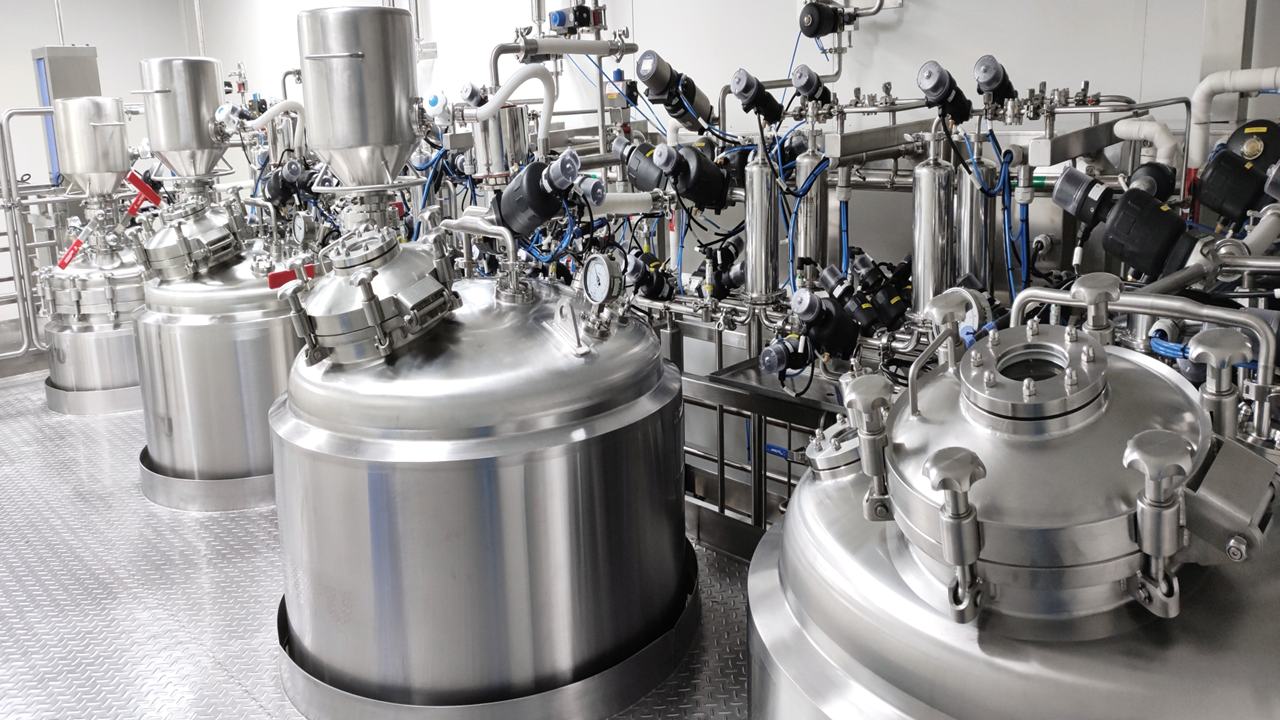
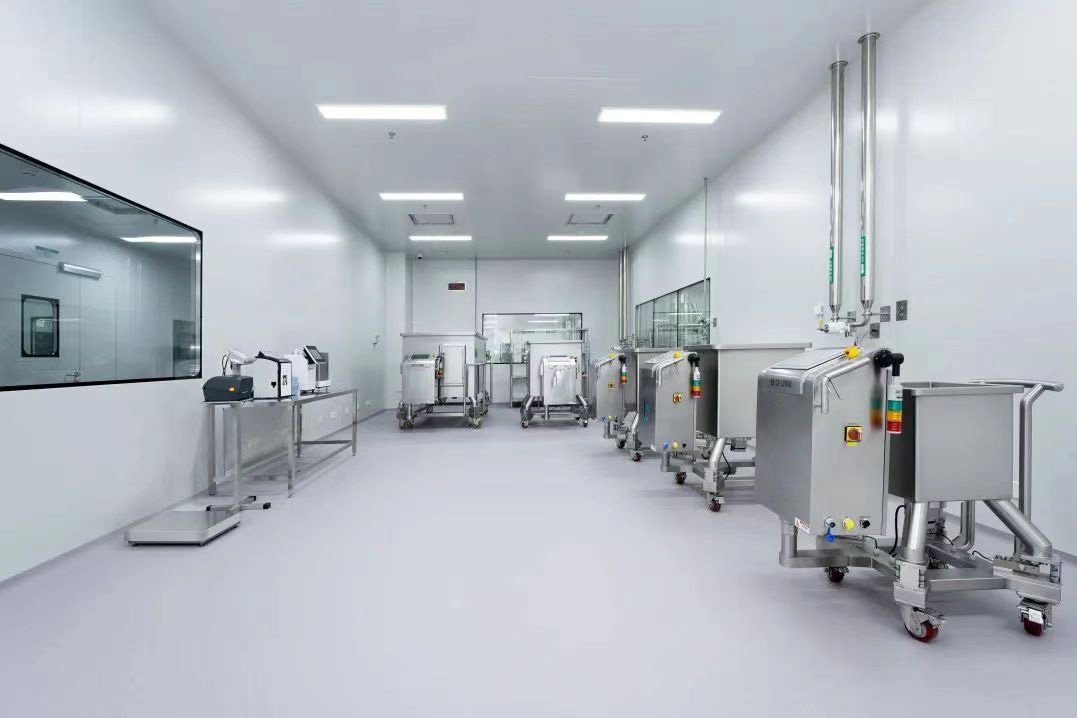
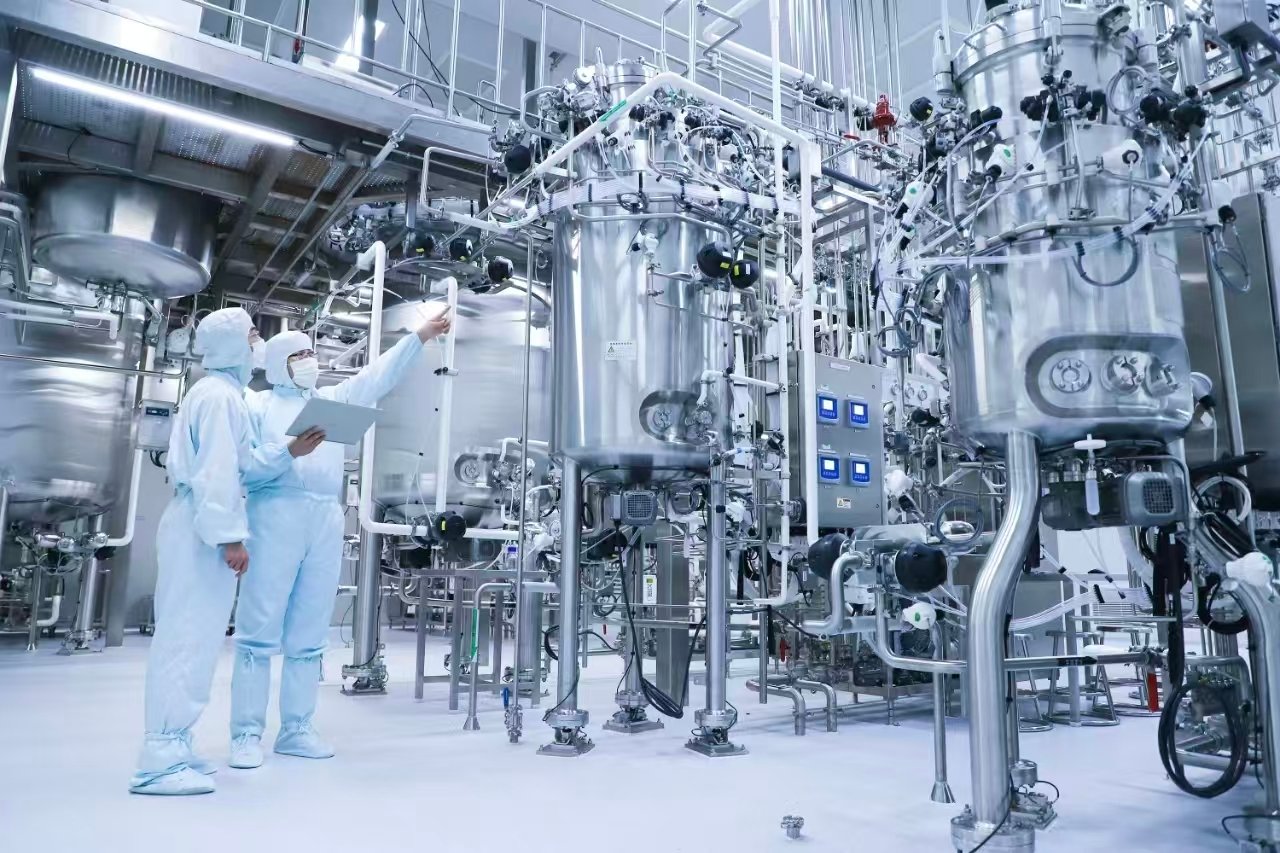
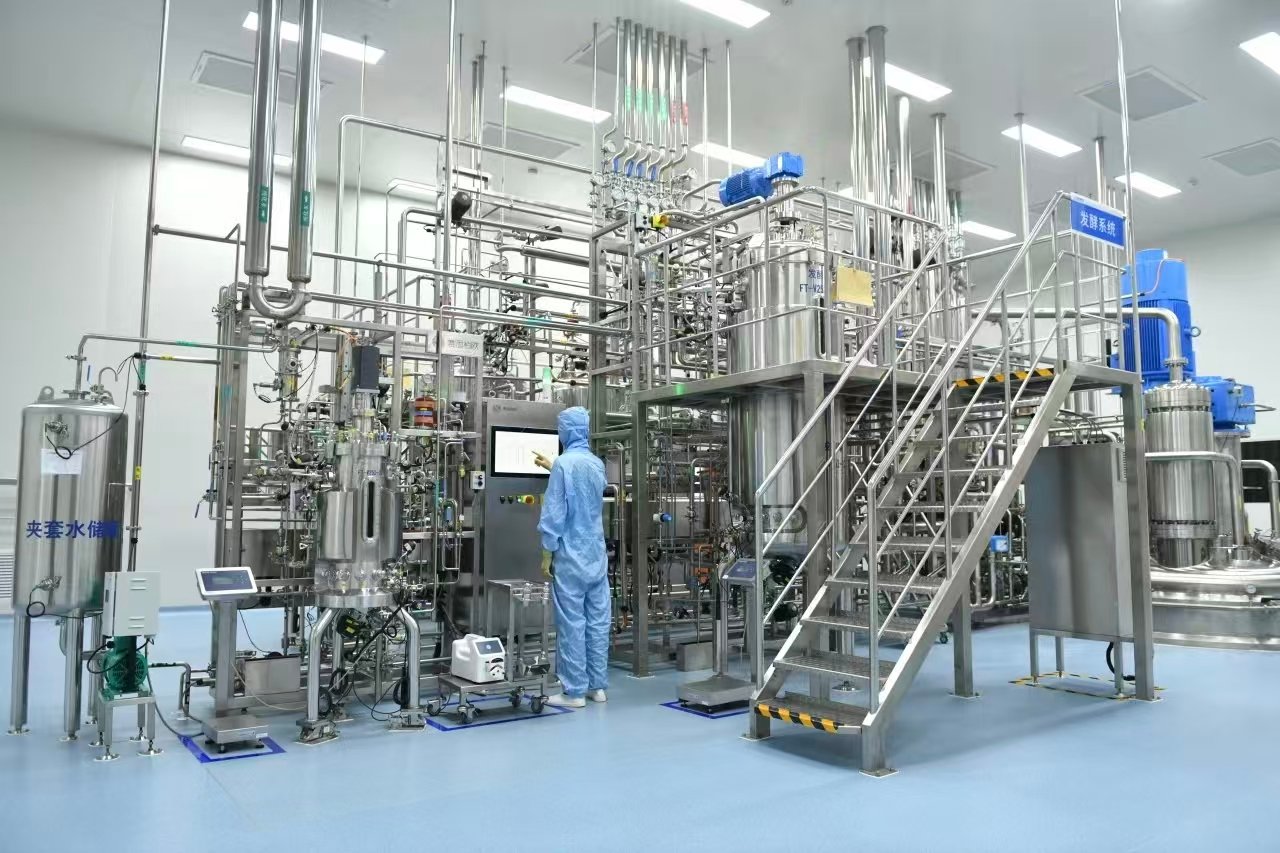
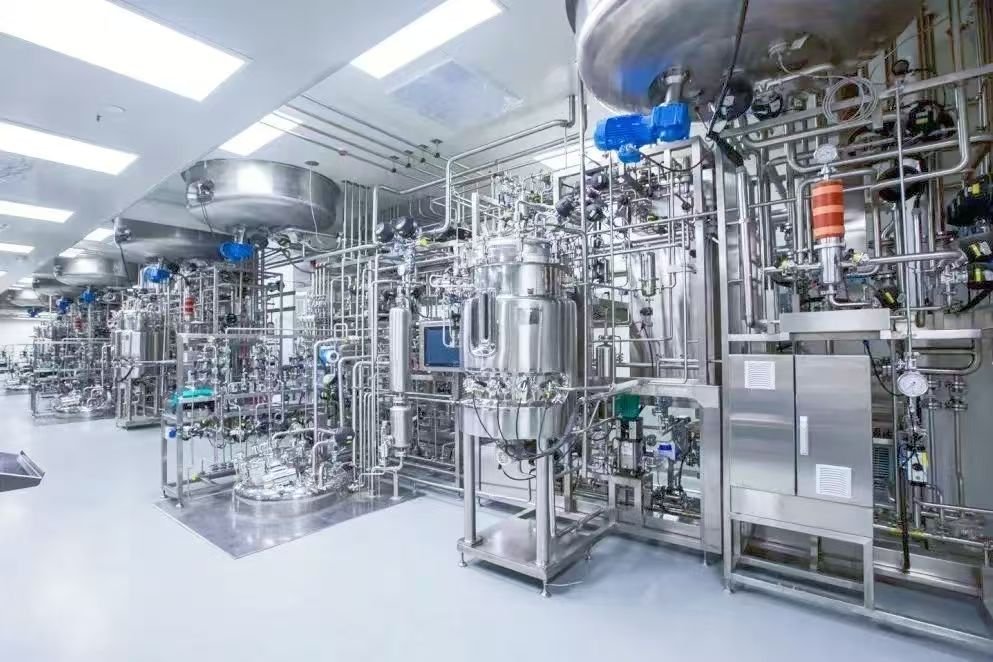
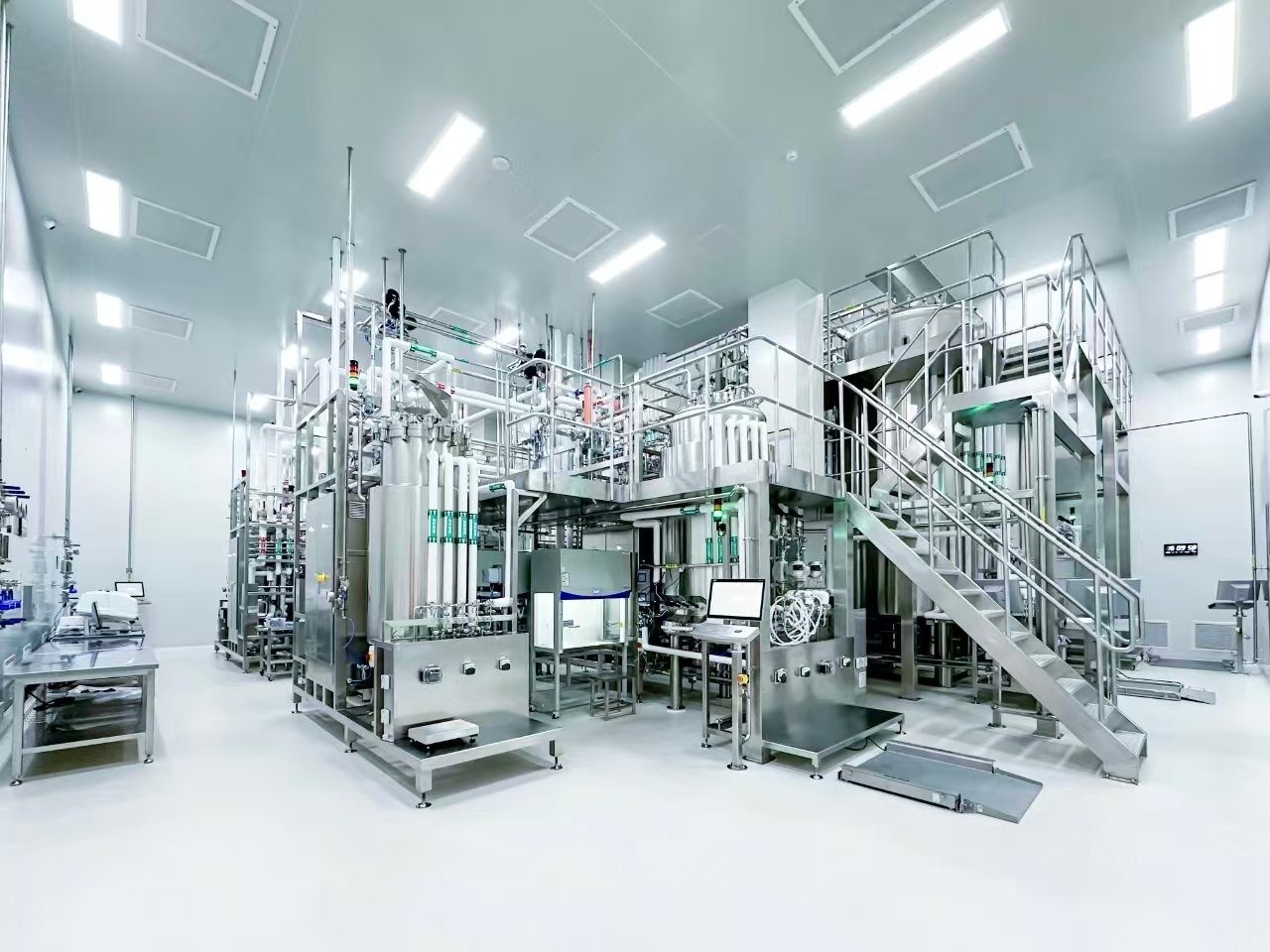
We deliver risk-stratified, fully regulatory-embedded pharmaceutical plant layout design integrating cross-disciplinary engineering covering process, architecture, HVAC, purified water and electrical systems. Our service portfolio encompasses master site planning for greenfield developments, alongside renovation, capacity expansion and compliance remediation of existing brownfield facilities, catering to sterile injectables, lyophilized drugs, mRNA vaccines, ADC therapeutics, mAbs, recombinant proteins and veterinary biological production workshops. Every zoning strategy and circulation pathway for personnel, raw materials, semi-finished goods and waste is engineered to mitigate cross-contamination hazards, enforce dedicated product segregation and meet stringent biosafety containment requirements. The resulting spatial framework inherently satisfies audit readiness criteria, striking a balanced synergy between manufacturing throughput, operational occupational safety and global GMP regulatory mandates.
Our plant spatial architecture is built upon four foundational engineering tenets: risk-tiered zoning separation, strictly unidirectional non-intersecting material/personnel flow, cross-discipline spatially coordinated deployment, and modular expandable layout configuration. Graded differential pressure cascades are deployed to physically segregate high-potency cytotoxic suites, Grade A/B aseptic core zones, nucleic acid RNase-free processing areas and general manufacturing spaces, blocking aerosol and particulate cross-contamination transmission routes at the source. Architectural spatial allocation is precisely matched against process equipment footprints, with dedicated reserved corridors and utility shafts preallocated for HVAC air handling ductwork, purified water circulation piping, power distribution networks and automation cable trunking. All sanitary dead spaces, concealed crevices and hard-to-access cleaning zones are eliminated through iterative layout optimization to streamline routine sanitization, automated CIP/SIP cycles and long-term facility maintenance. Modular partition frameworks retain standardized expansion interfaces, enabling seamless production pipeline iteration, capacity scaling and multi-product campaign conversion without extensive structural reconstruction.
All zoning criteria, flow segregation benchmarks and utility spatial coordination specifications fully align with FDA cGMP, EMA Annex 1, ICH Q8/Q9/Q10, PIC/S and ISPE biomanufacturing facility standards. Mandatory regulatory constraints are intrinsically embedded into layout schematics, including isolated high-containment suites for cytotoxic payload handling, independent RNase-isolated zones for nucleic acid production, and dedicated residual biowaste inactivation segregation areas. Reserved spatial provisions for environmental monitoring sensors, data acquisition hardware and graded access control infrastructure guarantee full compatibility with 21 CFR Part 11 data integrity implementation. Each design iteration undergoes targeted gap analysis against recurring FDA 483 inspection observations, sustaining permanent inspection readiness for cross-border regulatory audits and global pharmaceutical product registration evaluations.
We provide end-to-end layout-centric full-lifecycle engineering support, covering pre-project process hazard mapping, conceptual functional zoning drafting, multi-disciplinary detailed layout drafting, cleanroom partition optimization, integrated utility pipeline routing coordination, construction technical briefing and qualification alignment consulting. Unified cross-disciplinary coordination of process, architectural, HVAC, water and electrical disciplines within a single layout design eliminates late-stage engineering conflicts, slashes costly on-site design rework and compresses overall project delivery schedules. Clients receive logically stratified, regulation-resilient and operationally streamlined plant spatial layouts that stabilize batch quality consistency, reduce post-construction compliance rectification risks and accelerate facility qualification validation as well as commercial production launch timelines.