
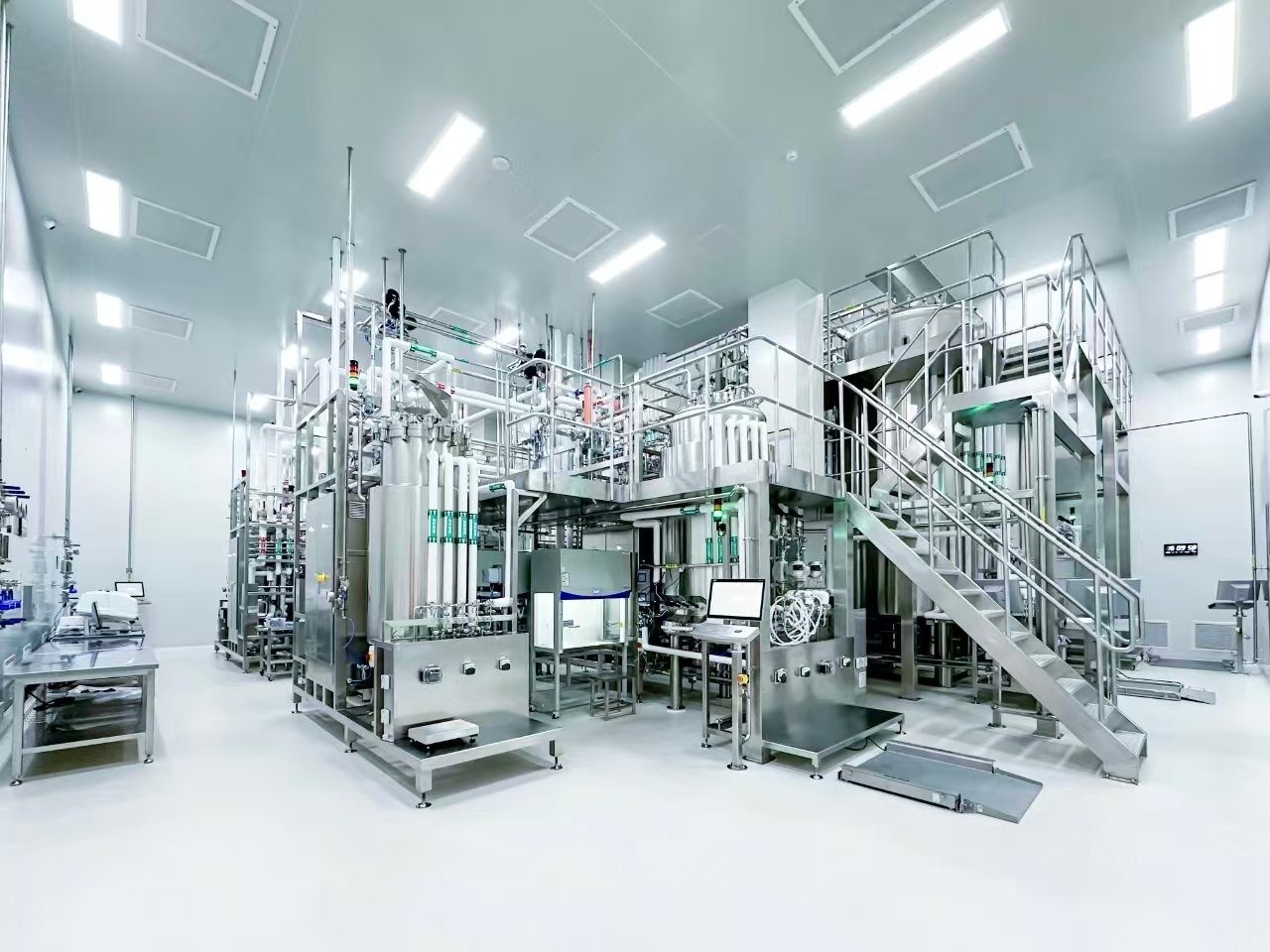
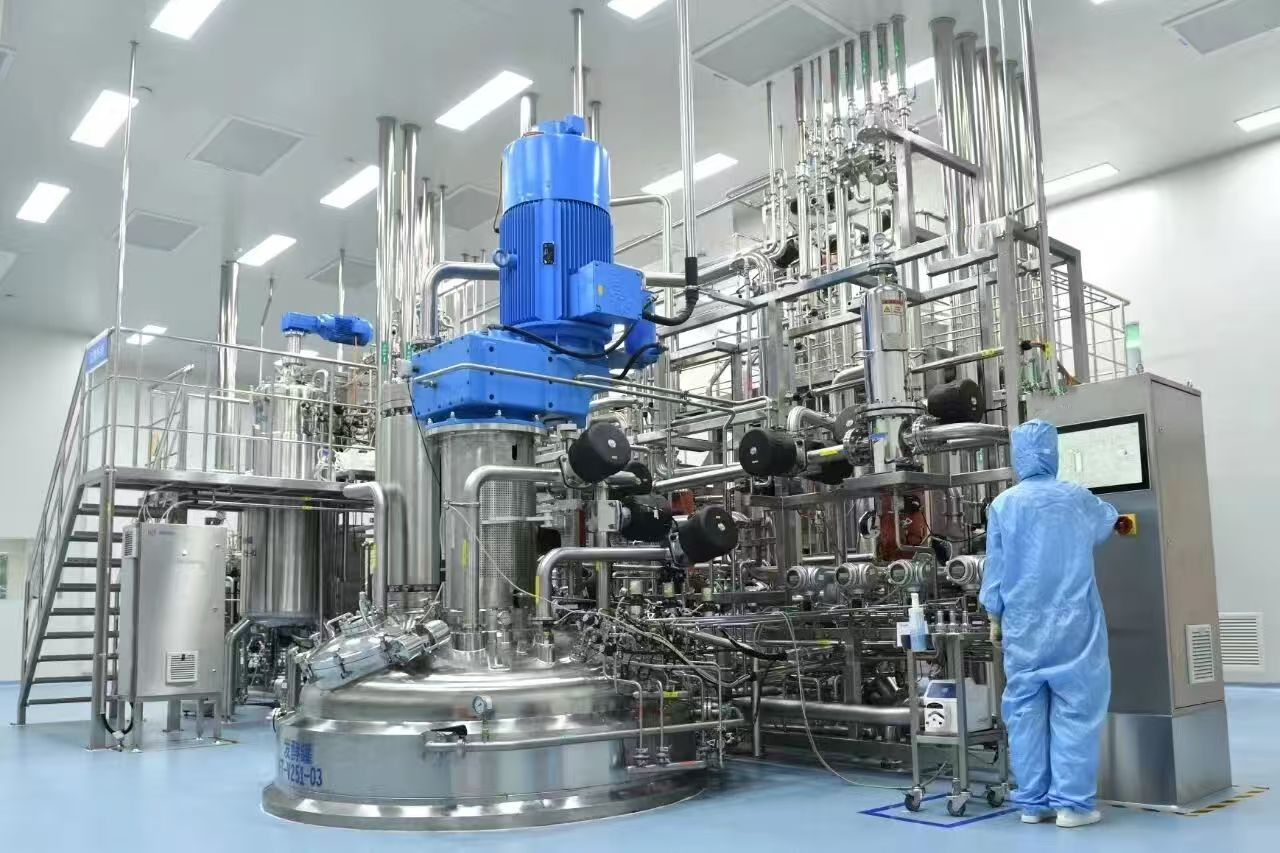
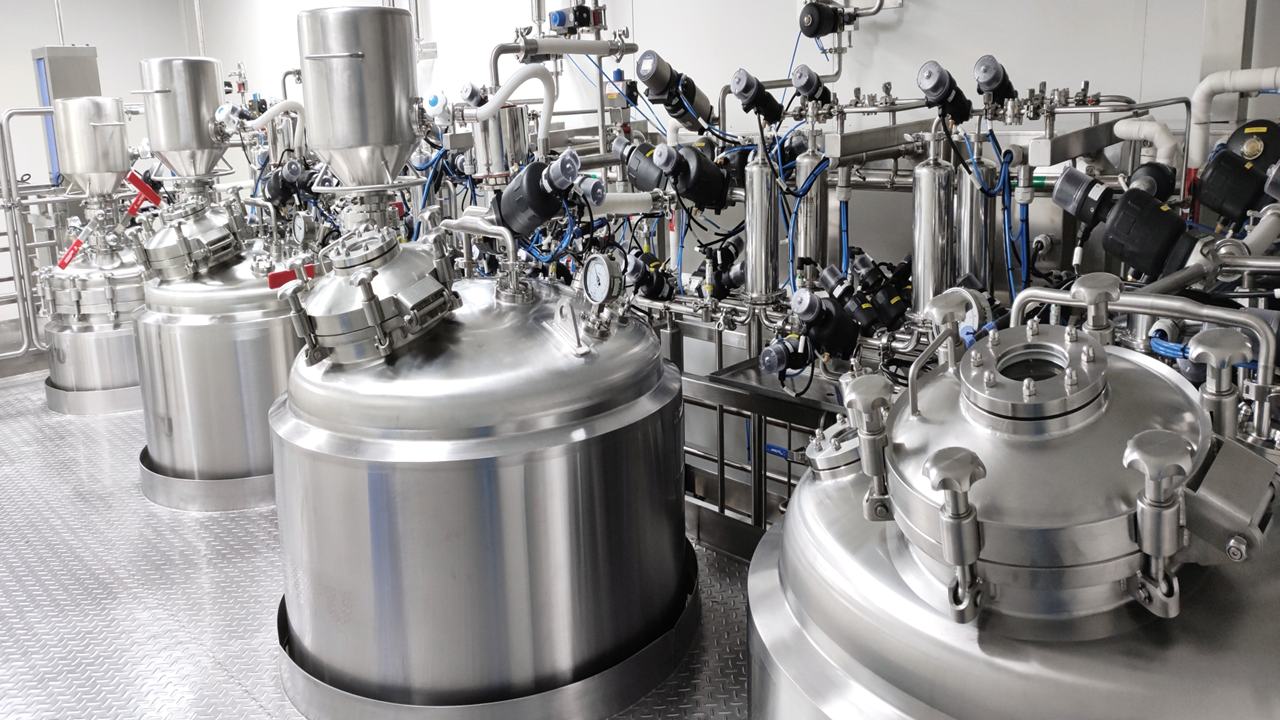
Core Design & Engineering Principles
1.Biomolecule-Friendly Low-Shear Fluid Architecture
Customize transfer pumps, pipeline radii, manifold layout and filling needle geometry to eliminate high-shear turbulence. Adopt low-pressure laminar flow paths for mRNA-LNP suspensions, concentrated antibody formulations and fragile viral vectors to prevent aggregation, particle size deviation or loss of biological activity. Temperature-jacketed transfer loops maintain precise cold holding for thermolabile drug substances throughout fill-finish.
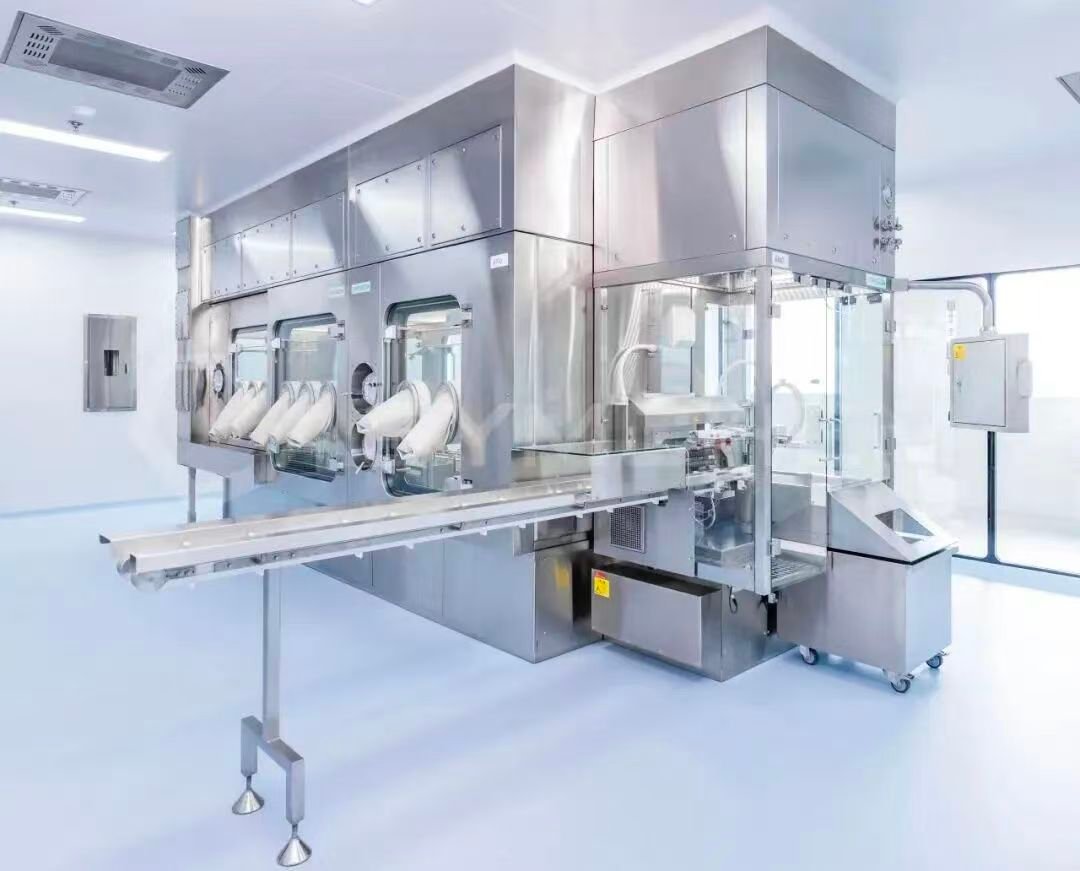
2.Full Physical Isolation via Restricted Access Barrier Systems / Aseptic Isolators
All filling critical zones are enclosed in fully sealed isolators with independent Grade A unidirectional airflow, separated from Grade B background environment. Eliminate human particulate and RNase/viral contamination risks; integrated VHP biodecontamination enables fast, repeatable full enclosure sanitization between product campaigns without full line disassembly.
3.Fully Closed End-to-End Aseptic Workflow
Closed disposable single-use transfer manifolds connect upstream sterile bulk holding vessels directly to filling heads, eliminating open bulk handling. Integrate inline 0.22 μm sterile filtration with zero dead-volume design for biologic bulk feed, avoiding secondary microbial ingress during hold and transfer.
4.Modular, Segregated Multi-Campaign Layout Design
Independent isolator suites and dedicated product contact consumable pathways for incompatible biologics (live viral vectors, naked mRNA, antibody products). Quick-disconnect sanitary fittings reduce cross-residue carryover risk and cut line changeover validation cycle time. Standardized utility docking interfaces support future line expansion or lyophilizer capacity upgrades.
Global Regulatory Compliance Framework
Core Global Aseptic Manufacturing Standards
Compliant with EMA Annex 1, FDA 21 CFR Part 210/211, ICH Q7/Q8/Q9/Q10, ISPE Baseline Guides and PIC/S GMP for injectable biologics. Design fully supports media fill simulation, VHP decontamination validation and viral clearance hold-time studies mandatory for complex biologic registration.
Biocompatible, Low-Adsorption Material Specifications
All product-wetted components use pharmaceutical-grade 316L stainless steel, PTFE and biocompatible disposable film stacks with ultra-low protein/nucleic acid adsorption; no extractables/leachables risk for high-concentration and lipid-based formulations.
End-to-End 21 CFR Part 11 Data Integrity
Centralized line control system, isolator environmental monitoring, filling weight tracking and lyophilization cycle recording generate immutable electronic audit trails for full batch traceability, covering filling volume, isolator differential pressure, VHP cycles, temperature and decontamination log data.
Specialized Compliance Modules by Product Type
mRNA-LNP lines: built-in RNase control, low-humidity isolator atmosphere and cold-chain holding engineering
Viral vector facilities: enhanced exhaust HEPA filtration, biosafety containment and dedicated waste inactivation circuits
Lyophilized mAb lines: precise pressure/temperature lyo cycle control with minimal product reconstitution variability
Full-Scope Integrated Turnkey Delivery Services
1. Customized Line Process Sizing & Layout Design
1.Calculate filling throughput based on batch volume, container format (vials, pre-filled syringes, cartridges) and annual clinical/commercial output
2.Design unidirectional workflow: sterile bulk receiving → inline filtration → temperature-controlled hold → isolator filling → stoppering → transfer to lyophilizer (if required) → visual inspection → coding & packaging
3.Separate dedicated zones for disposable consumable staging, isolator decontamination and contaminated waste handling
2. Aseptic Core Equipment & Modular Skid Integration
1.Isolator filling platforms with servo-controlled low-shear filling pumps, closed disposable fluid paths
2.Matching auxiliary skids: sterile bulk holding vessels, temperature-controlled buffer/formulation transfer systems, inline sterilization units
3.Integrated automatic loading/unloading systems for vial/syringe nests to minimize human intervention in Grade A zones
4.Supporting lyophilization tunnels, nest transfer carts and automatic external washing stations
3. HVAC, Utility & Decontamination System Engineering
1.Isolator dedicated air handling with stable low particulate Grade A airflow; humidity control for moisture-sensitive mRNA-LNP formulations
2.Design of VHP vaporized hydrogen peroxide generation and recirculation systems for full enclosure sanitization
3.Complete utility integration: WFI, pure steam, cold glycol circulation and clean dry compressed air for isolator operation
4. Automation, Monitoring & Electronic Batch Record System Deployment
1.Distributed PLC line control linked to site MES for unified batch data management
2.Real-time monitoring of isolator pressure, particle count, viable bioburden, filling weight deviation and formulation temperature
3.Pre-configured user access management, electronic signature and audit trail architecture meeting data integrity requirements
5. FAT, SAT & Validation Support Package
1.Factory acceptance testing with simulated biologic formulation to verify low-shear performance and filling precision
2.On-site installation, commissioning and aseptic media fill support
3.Full qualification documentation suite: IQ/OQ/PQ templates, decontamination validation protocols, change control files and standard operation procedure guides
4.Long-term technical service: line modification, capacity expansion redesign and regulatory inspection preparation consultation
Key Unique Advantages for Complex Biologics
1.Low-shear fluid design protects fragile biomolecules, drastically reducing batch loss caused by aggregation or activity degradation
2.Full isolator containment eliminates critical Grade A human intervention risks, lowering regulatory observation risks during inspections
3.Closed single-use workflow shortens sanitization and revalidation intervals between different biologic campaigns
4.Built-in precise temperature and humidity control meets strict stability requirements of mRNA-LNP, viral vectors and concentrated protein formulations
5.Modular skid layout enables fast-track installation and flexible capacity scaling for evolving clinical and commercial pipeline demands