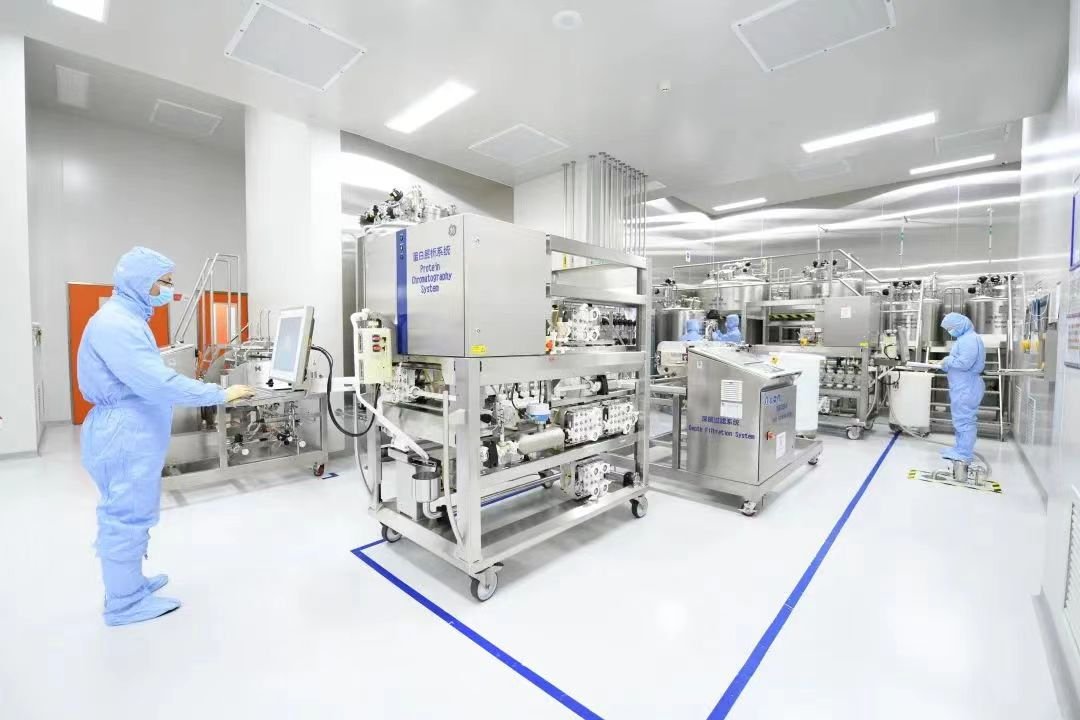
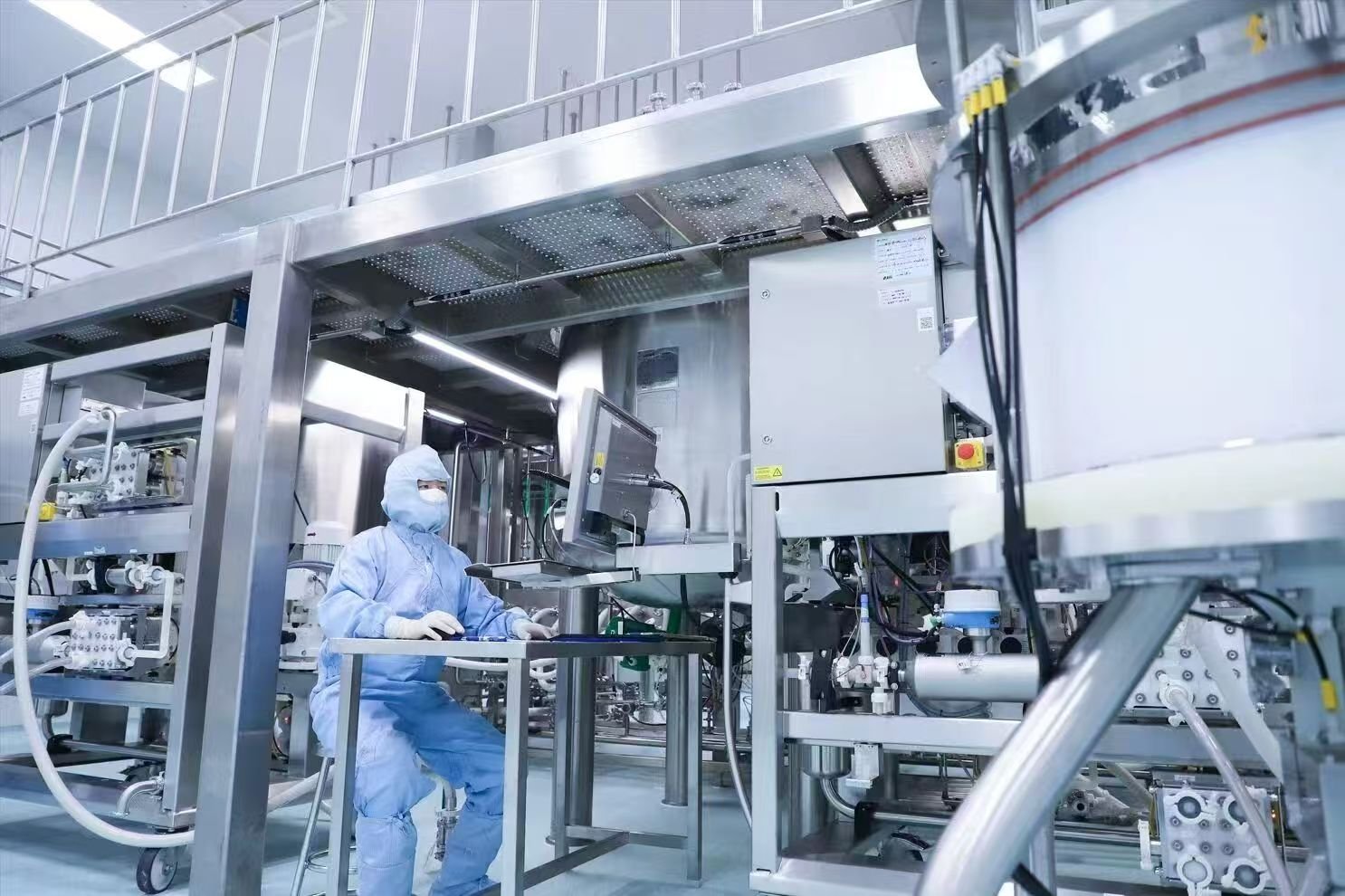
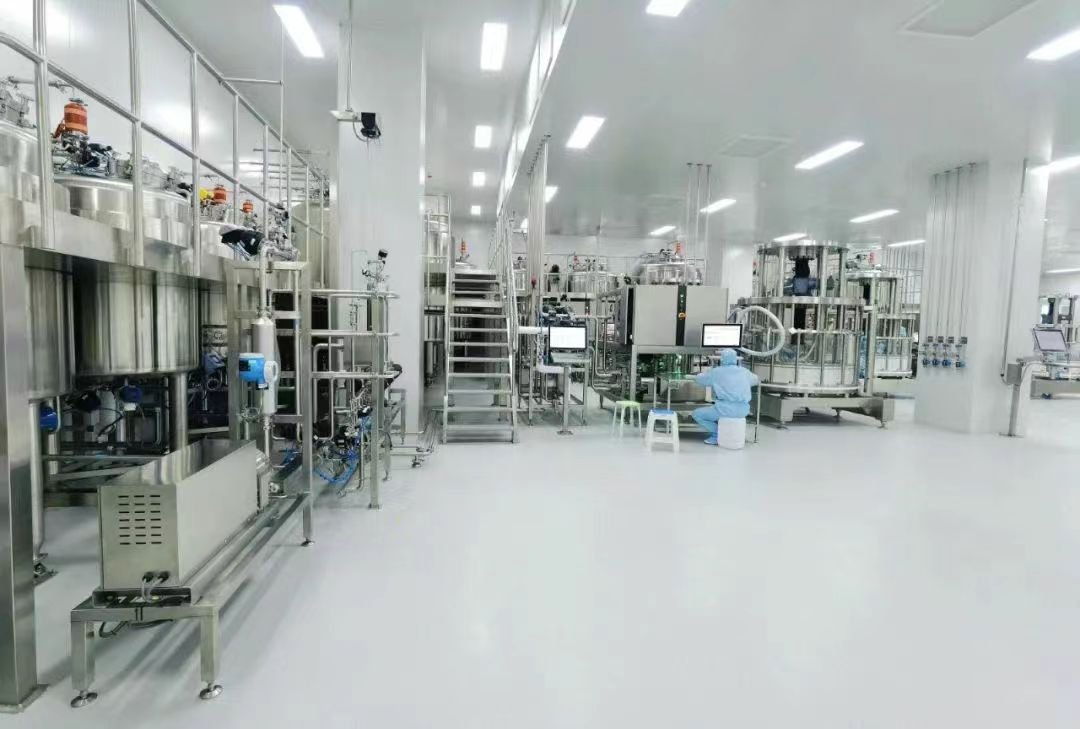
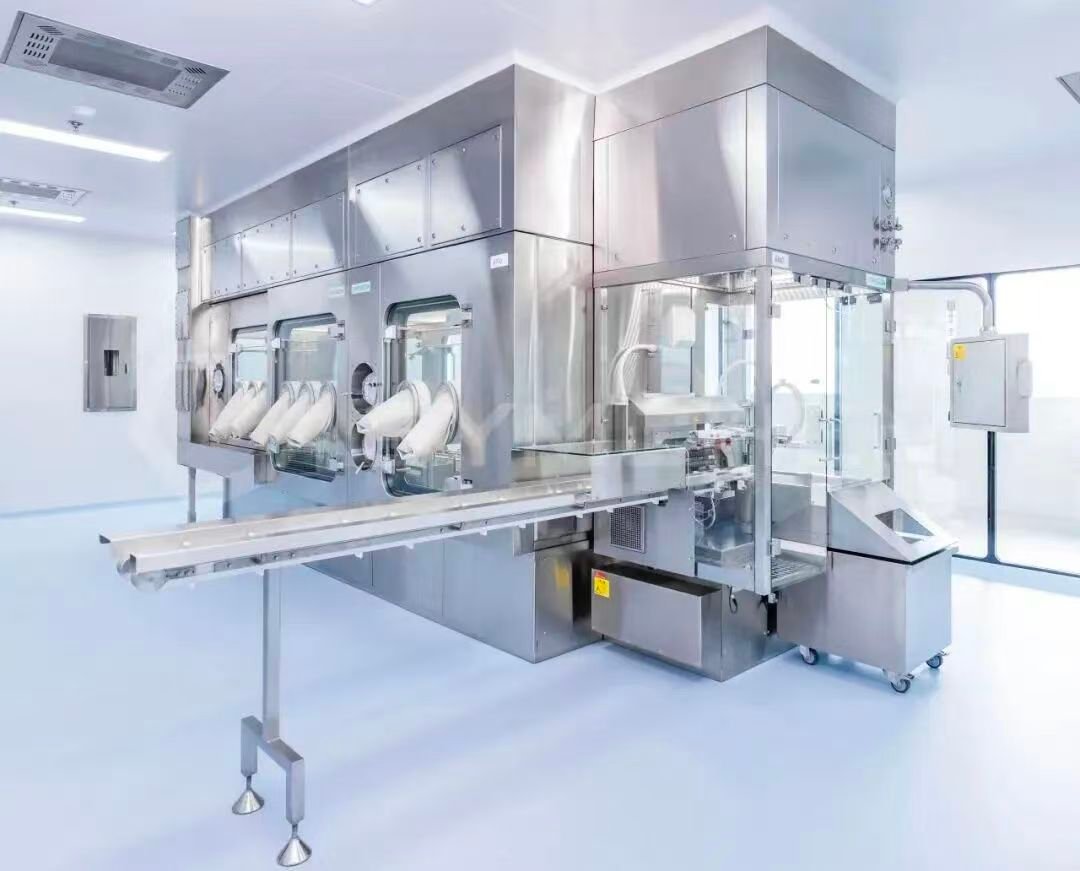
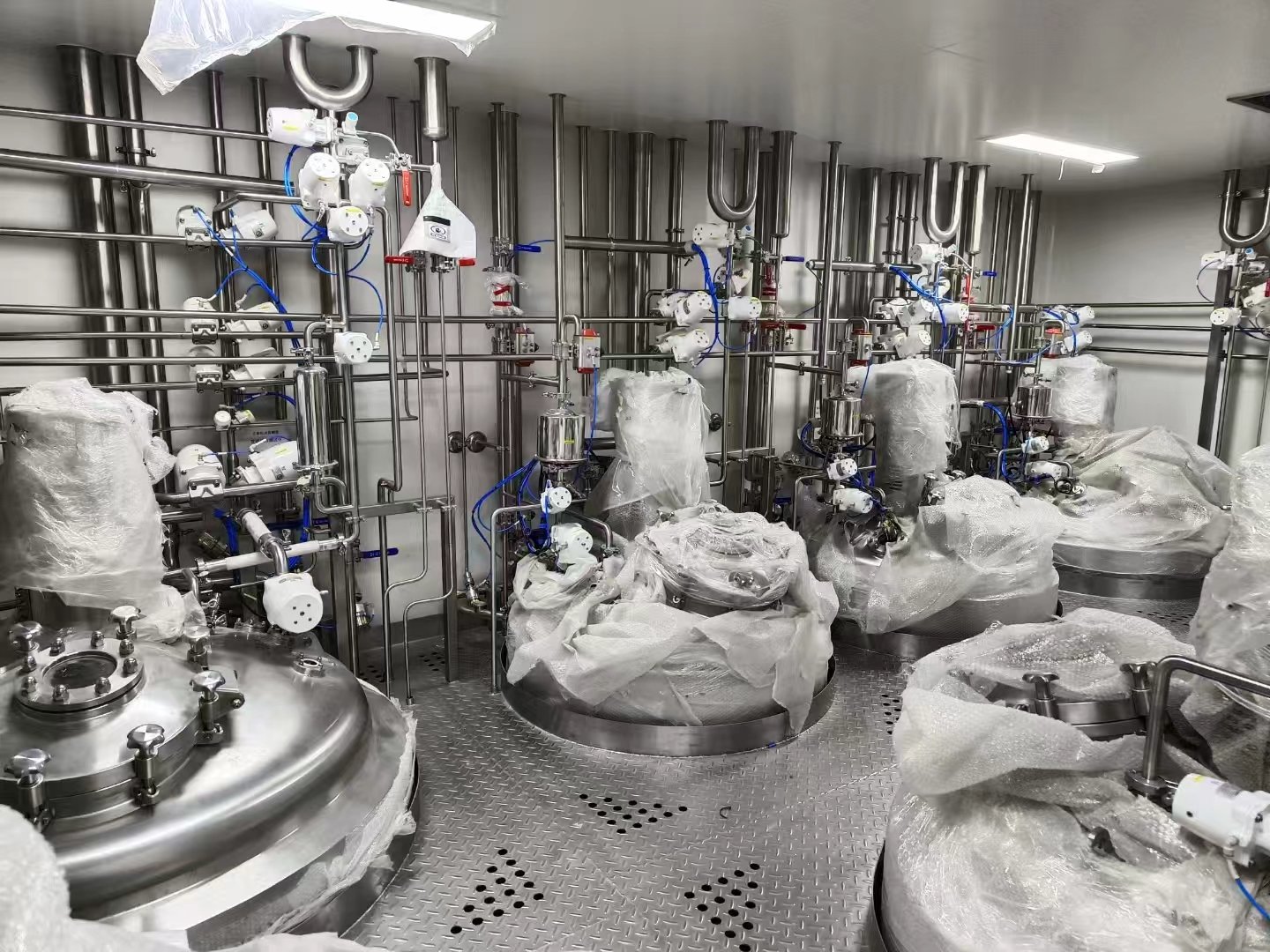
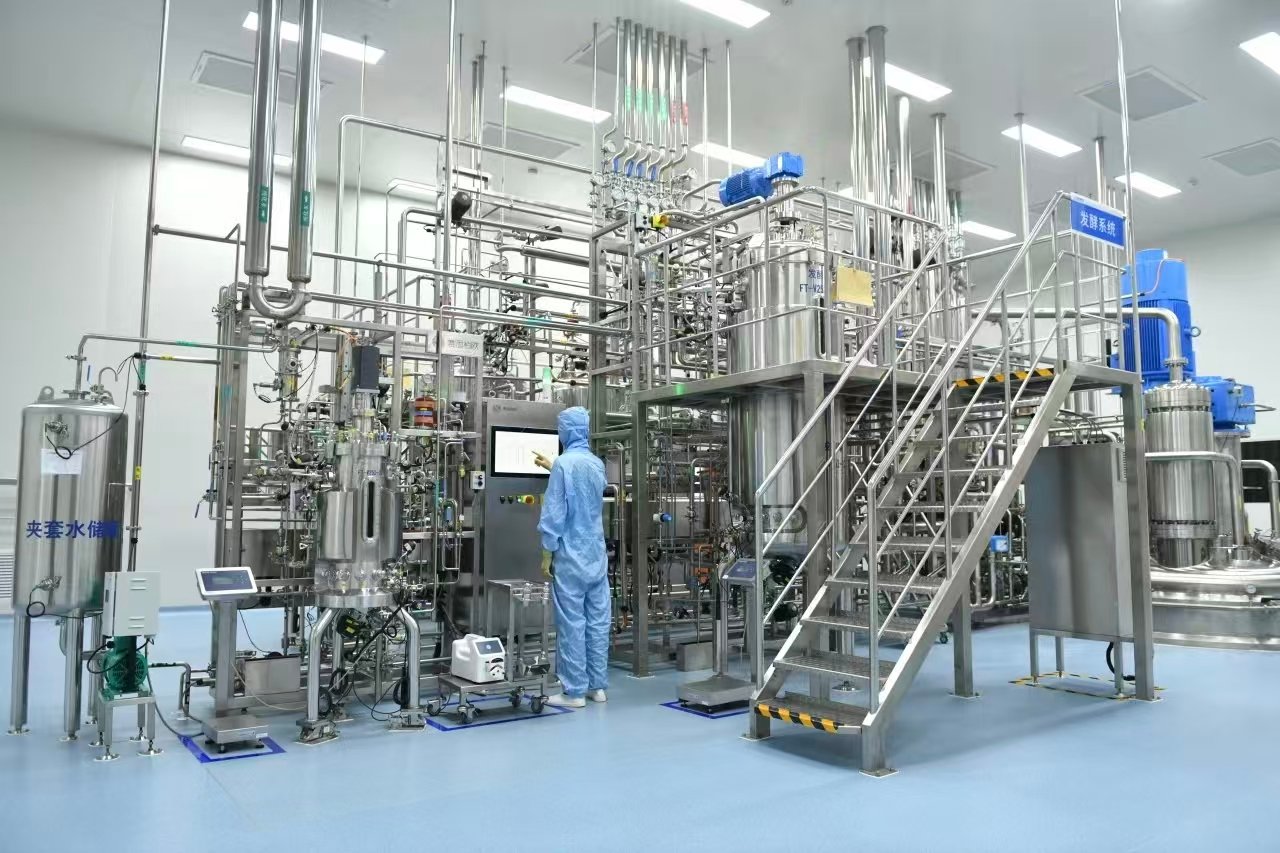
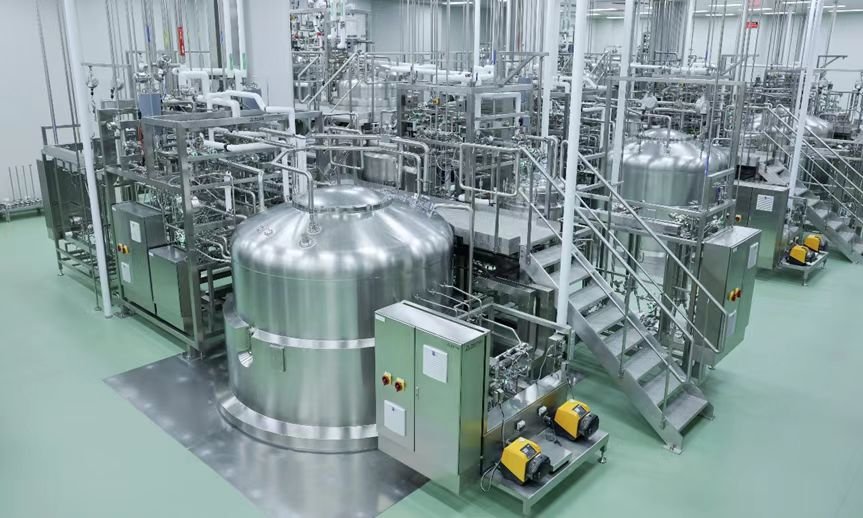
This is a large-scale therapeutic antibody project focusing on the production of monoclonal antibodies. Covering the entire process from cell culture to filling and packaging. The project features a GMP-compliant production system that meets FDA and EMA guidelines, integrating professional cleanrooms and advanced bioprocess equipment.
Key Challenges: During the project implementation, we encountered five key challenges that are typical in large-scale antibody projects:
1. Process integration: Achieving seamless connection between various process systems.
2. Space constraints: Limitations in both floor area and plant height.
3. Difficulties in equipment transfer and installation.
4. Tight construction schedule and constrained budget.
5. Complex requirements for utility systems.
Targeted Solutions: To address the above challenges, we customized targeted solutions to ensure the project’s progress, quality, and compliance:
1. Process integration optimization: We adopted a modular process design, pre-integrated key systems (cell culture, purification, and filling) in advance, conducted offline simulated connection tests, and performed on-site debugging to achieve seamless docking and enhance operational efficiency.
2. Space utilization improvement: We optimized the cleanroom layout, adopted compact equipment models, and reasonably utilized vertical space (e.g., overhead installation of pipelines and equipment) to maximize space utilization under the constraints of limited area and height.
3. Equipment transfer guarantee: We formulated a detailed transfer plan, employed professional hoisting and transportation equipment, reserved dedicated transfer channels in the plant layout, and coordinated with equipment suppliers for on-site assembly to reduce transfer difficulties and avoid equipment damage.
4. Schedule and budget control: We adopted off-site prefabrication for key components (e.g., cleanroom modules, equipment brackets) to shorten on-site construction time; optimized resource allocation, prioritized core processes, and strictly controlled non-essential expenses to ensure the project was completed on schedule and within budget.
5. Utility system customization: We conducted in-depth demand analysis, designed an integrated utility system (power, water, gas, and ventilation) matching the project scale, adopted energy-efficient equipment, and ensured stable operation while meeting process and regulatory requirements.
As a leading process-oriented engineering company, Sino Bioengineering delivers professional bioengineering solutions and comprehensive technical services to clients worldwide.
For more products and solutions: https://sinobioengg.com/category/solution/
For more service: https://sinobioengg.com/category/service/