
1. Solution Overview & Global cGMP Compliance Benchmarks
Our process-centric facility design delivers fully customized, audit-ready layout and engineering schemes dedicated to recombinant protein manufacturing, covering bacterial fermentation, mammalian cell culture, multi-stage downstream purification, sterile bulk formulation and controlled cold-chain storage. All design specifications strictly align with FDA cGMP, EMA Annex 1, PIC/S and ICH Q8/Q9/Q10 quality risk management standards, applicable to therapeutic enzymes, cytokines, insulin analogues, fusion proteins and vaccine antigen raw materials.
Different from template-driven generic pharmaceutical layouts, this design takes the full recombinant protein workflow as the primary design driver rather than civil architectural constraints. It resolves typical industrial pain points: discontinuous material transfer between upstream and downstream zones, mismatched cleanroom grading against purification process risks, excessive cross-traffic of personnel and raw materials, insufficient dedicated utility circuits for protein stability control, and incomplete segregation of expression host strains to avoid cross-contamination. The solution supports greenfield commercial production campuses, brownfield workshop transformation and compact clinical pilot manufacturing suites for biotech developers and CMO service providers.
2. Core Design Philosophy & Recombinant Protein-Specific Advantages
1.Linear unidirectional process flow layout
Adopts straight-line material progression: raw material warehouse → seed culture → main fermentation/cell culture → harvest clarification → multi-step chromatography purification → ultrafiltration/diafiltration buffer exchange → sterile filtration → bulk storage. Strict physical partitions and airlock passages eliminate reverse cross-traffic of semi-finished and raw materials, drastically reducing microbial and protein cross-contamination risks.
2.Graded cleanroom matching to process risk levels
High-risk purification and sterile formulation zones adopt Grade B background + Grade A local laminar flow; upstream cell/fermentation suites use Grade C/D classification; auxiliary preparation and storage areas apply low-grade controlled environments, avoiding costly over-engineering while meeting regulatory thresholds.
3.Temperature-sensitive utility dedicated circuits
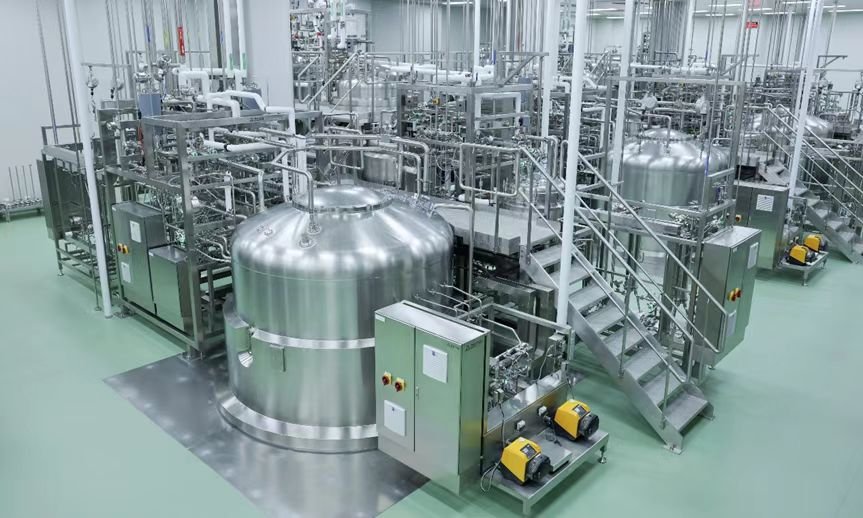
Independent low-temperature chilled water loops for protein purification and bulk storage zones to prevent denaturation of fragile recombinant proteins; separated WFI and CIP/SIP pipelines for upstream and downstream equipment to eliminate host cell residue carryover.
4.Optimized closed transfer infrastructure
Reserved standardized docking interfaces for stainless steel vessels and single-use bioprocess systems, enabling fully enclosed material handover between bioreactors, chromatography skids and storage tanks, minimizing open operation exposure and improving product yield.
3. Four Integrated Process-Driven Design Modules & Standard Deliverables
1.Upstream Expression Zone Design Module
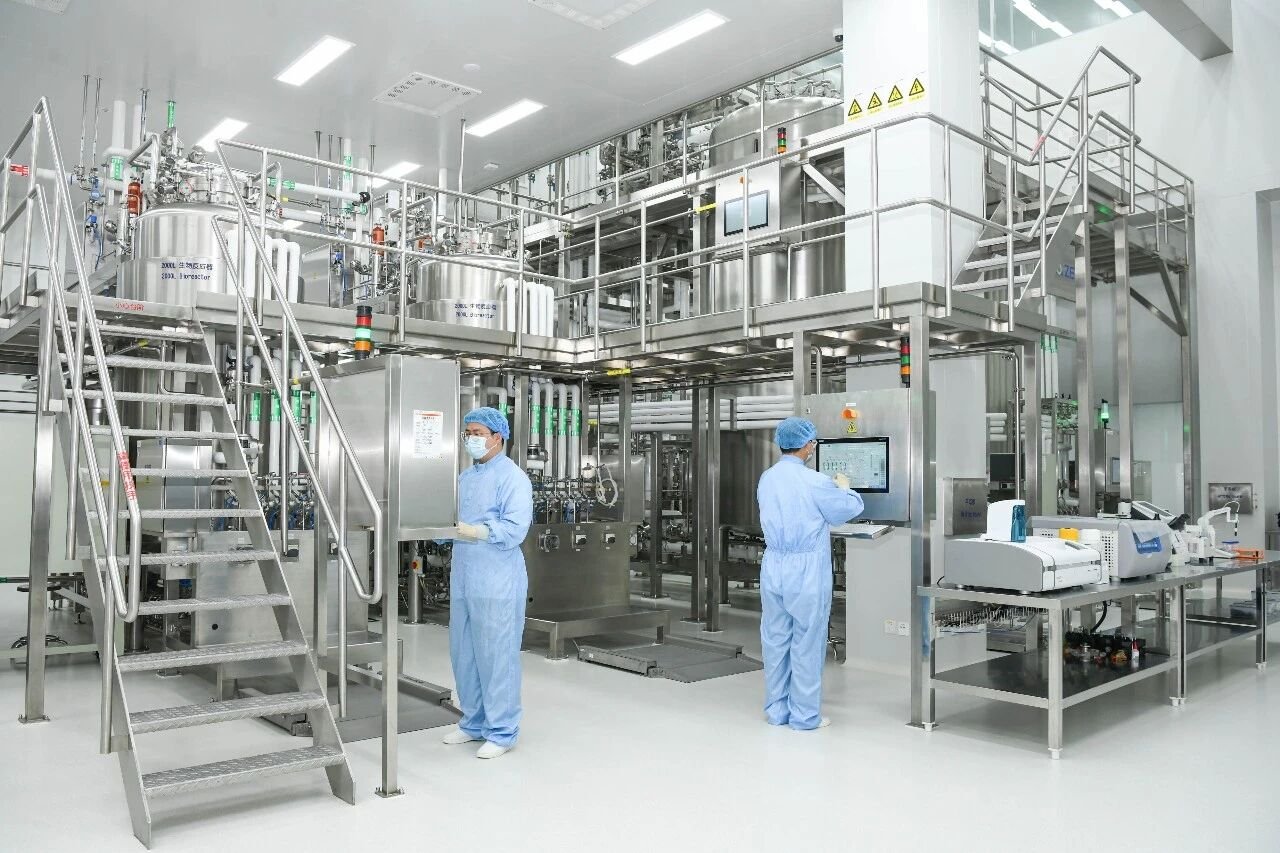
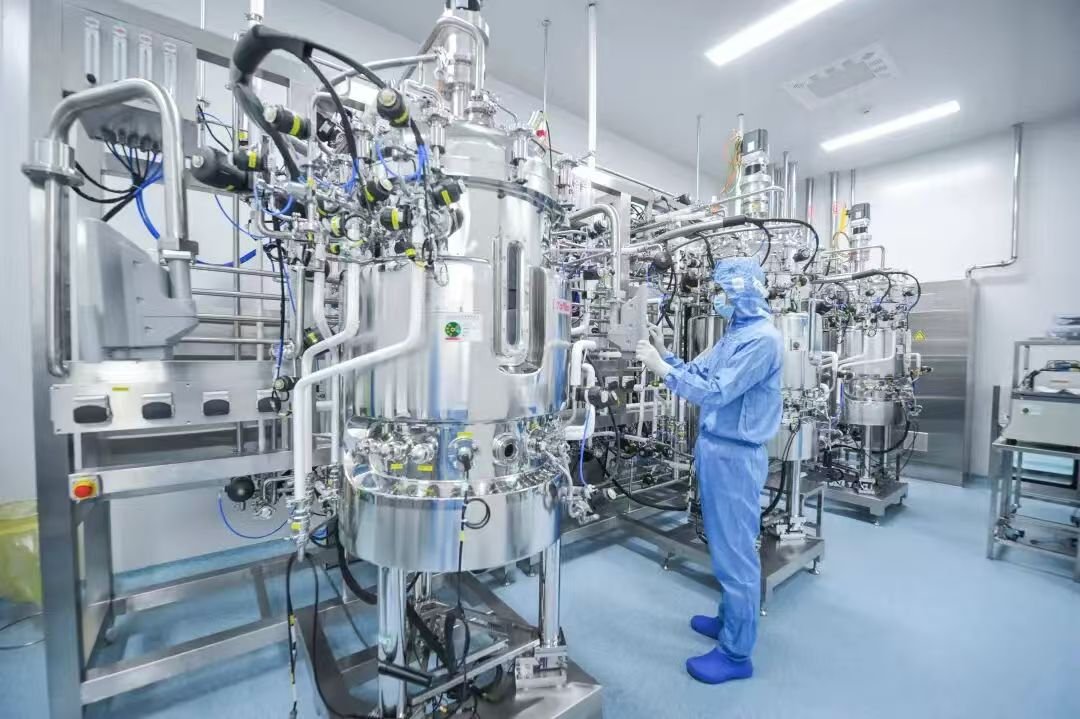
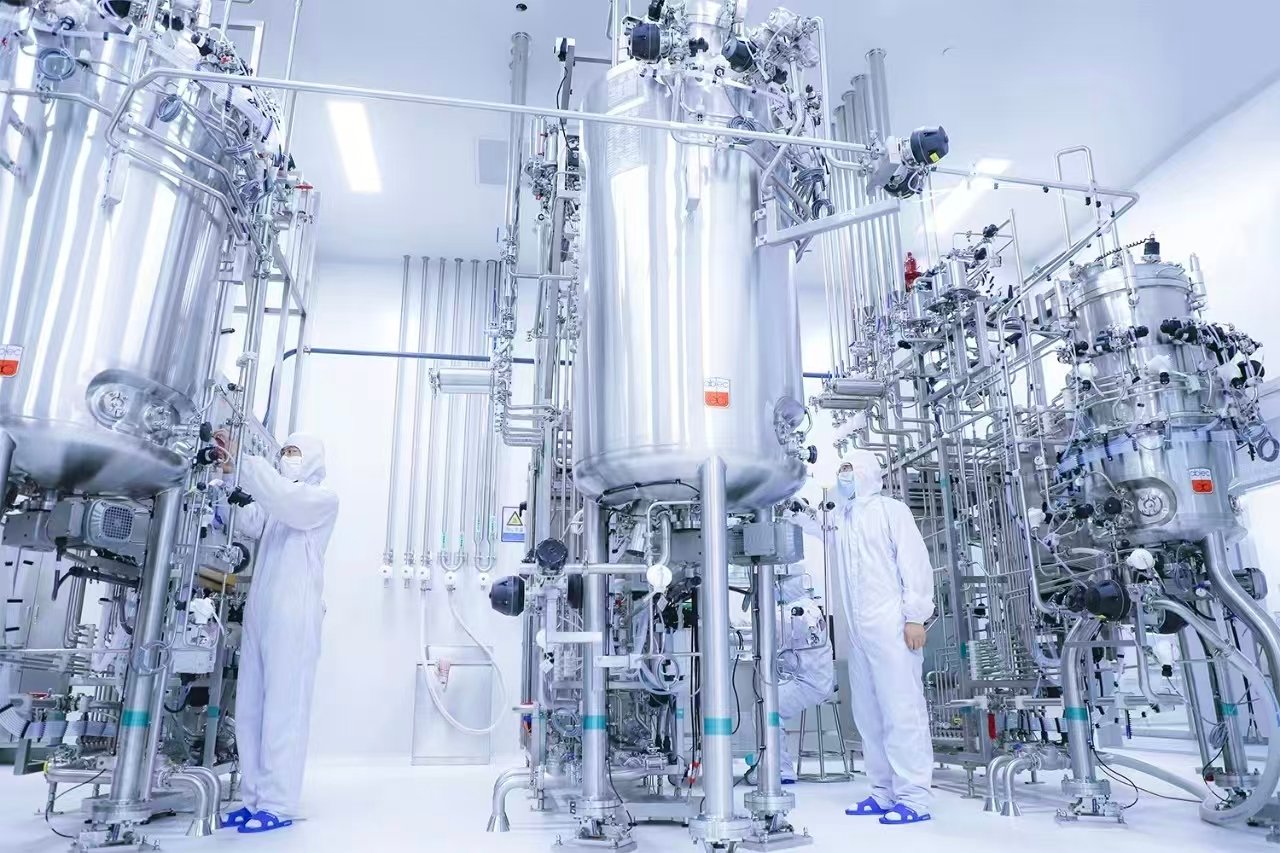
Custom zoning for dual production modes: microbial fermentation and mammalian cell culture; independent seed bank preservation cold rooms, segregated inoculation operation rooms, and dedicated medium/buffer preparation suites. Optimized tank layout reserves expansion space for high-density fed-batch culture, with dedicated exhaust and sterilization pipelines to contain host strain aerosol risks.
2.Downstream Purification Dedicated Layout Module
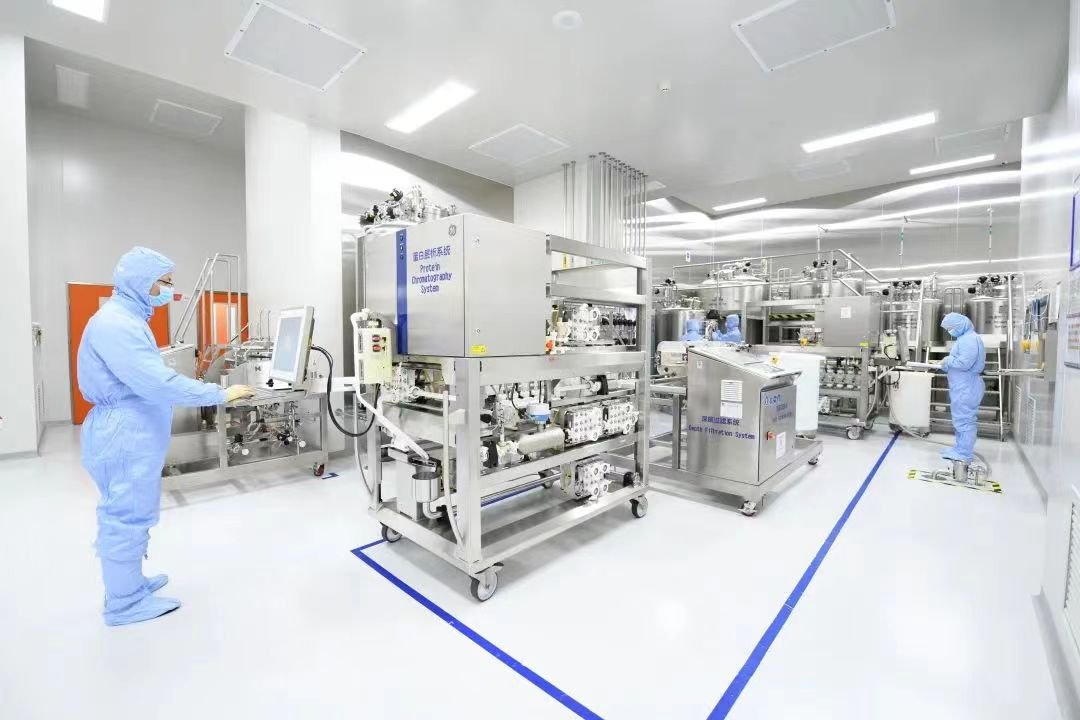
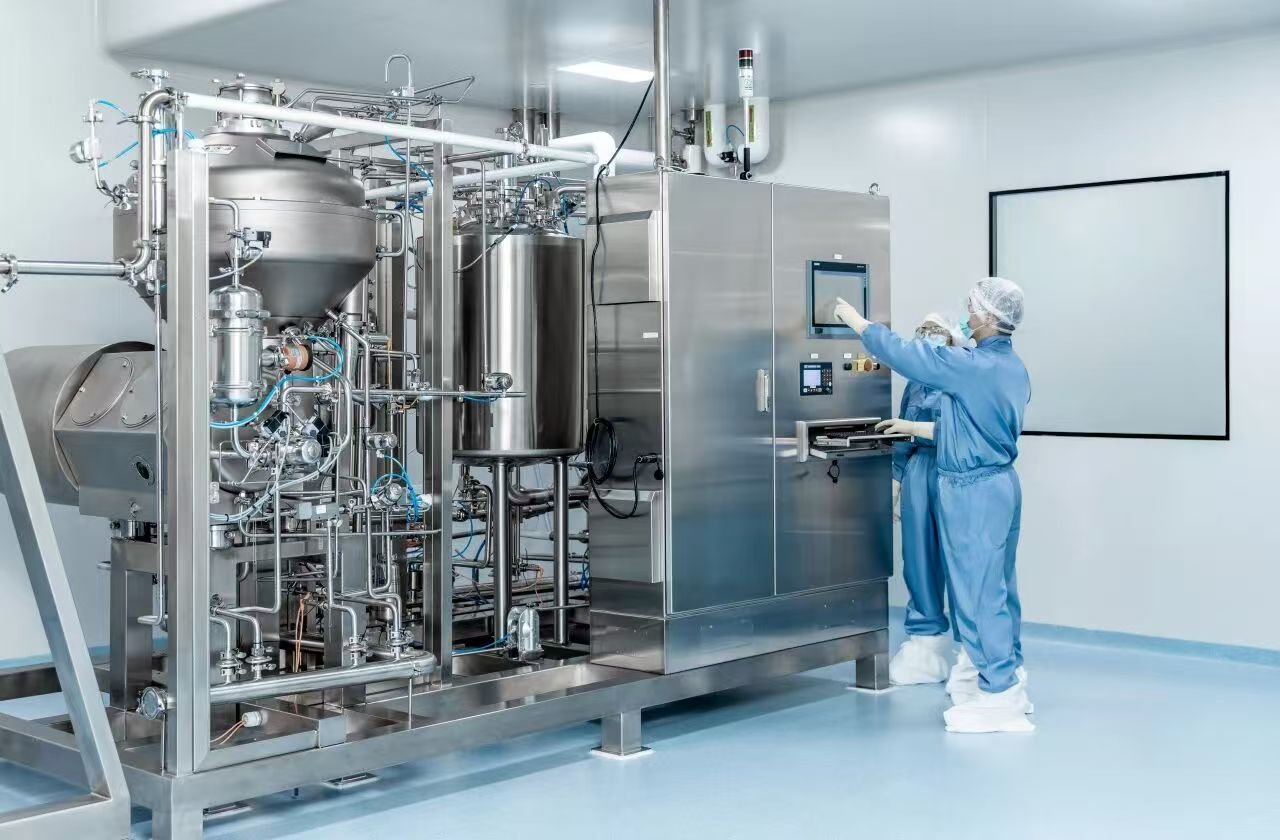
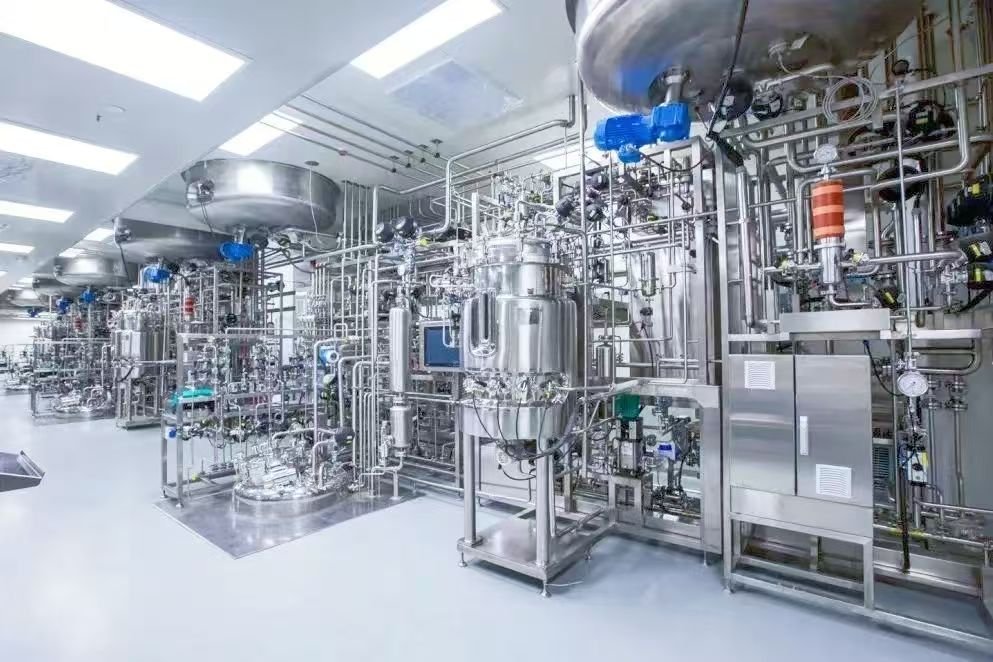
Continuous connected layout for capture, intermediate purification and polishing chromatography skids; independent buffer preparation stations adjacent to purification lines to shorten transfer distances; dedicated waste discharge and decontamination pipelines for host protein and endotoxin waste streams. All process piping adopts orbital welded 316L stainless steel with Ra ≤0.6μm finish for robust cleaning validation.
3.Sterile Formulation & Cold Storage Engineering Module
Class A aseptic bulk filtration and compounding zones with unidirectional airflow design; partitioned temperature-controlled cold storage rooms (2–8°C / -20°C / -70°C) for finished recombinant protein bulk products; isolated sampling airlocks to avoid temperature fluctuation during material access.
4.Utility & Compliance Documentation Module
Zone-divided HVAC, purified water and central CIP/SIP system design; full set of design qualification (DQ) documents, process flow risk assessment reports, contamination control strategy and cleaning validation master plans tailored to recombinant protein impurity clearance requirements.
4. Industrial Application & Full Lifecycle Technical Support
This process-centric design applies to large-scale commercial recombinant protein production bases, lab-to-clinical pilot process development workshops, multi-product flexible biomanufacturing parks and specialized microbial fermentation industrial plants. The modular linear layout retains excellent scalability: new protein product pipelines or capacity expansion can be added by extending the linear process corridor without disrupting existing production lines.
We provide full lifecycle follow-up technical services including pre-design process simulation review, construction drawing technical audit, on-site layout adjustment consulting, validation scheme matching and GMP production operation training. By embedding recombinant protein process characteristics into every architectural and utility detail, the facility design ensures stable product quality, simplifies regulatory inspection preparation, cuts operational energy and labor costs, and accelerates the industrial transformation and commercial launch of recombinant protein therapeutics.