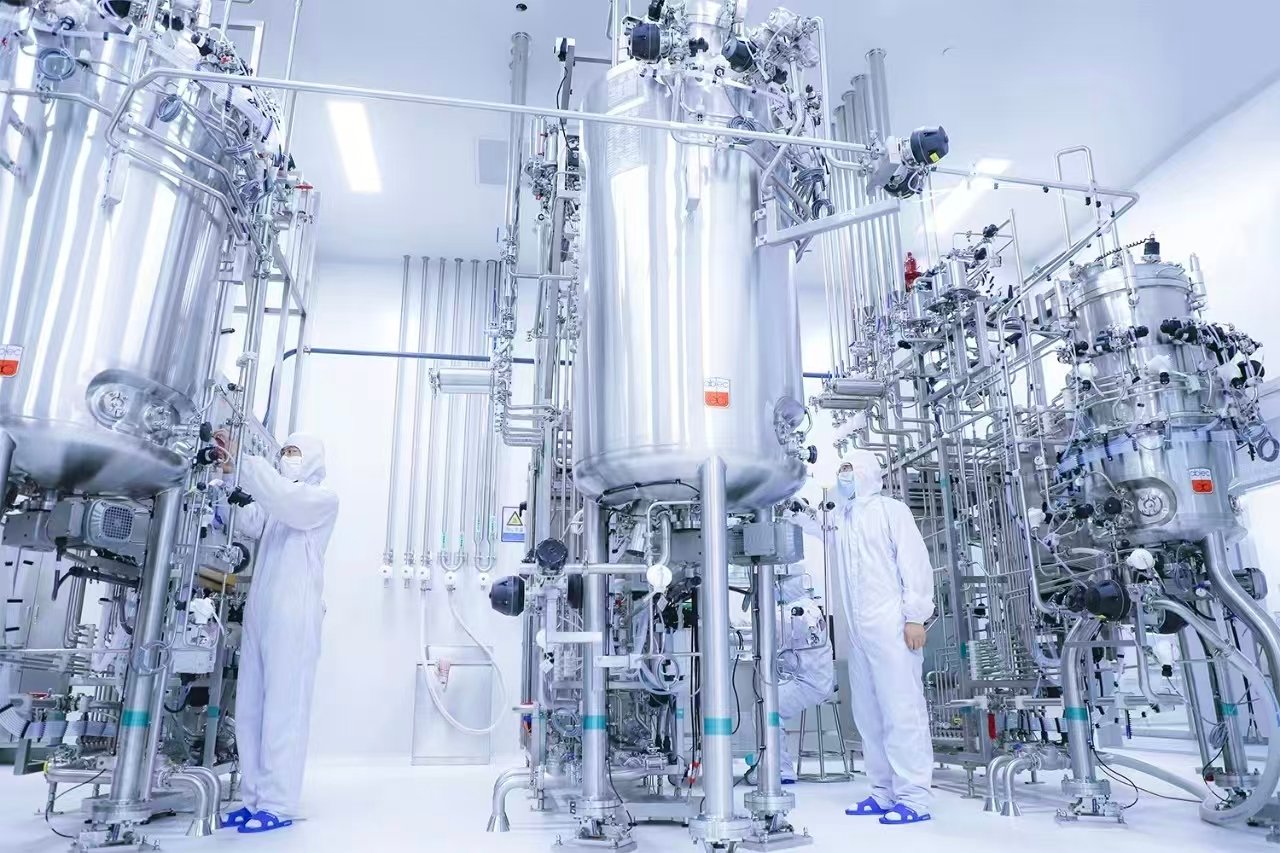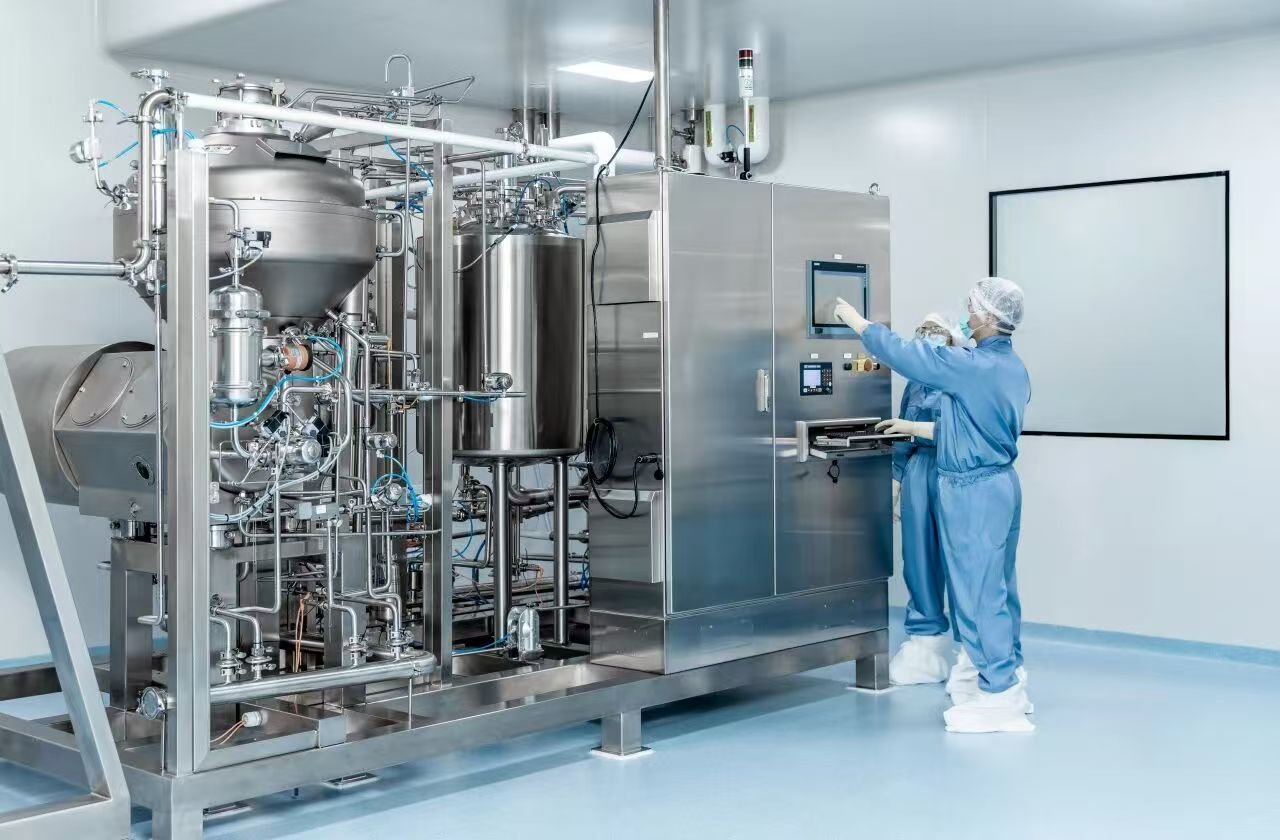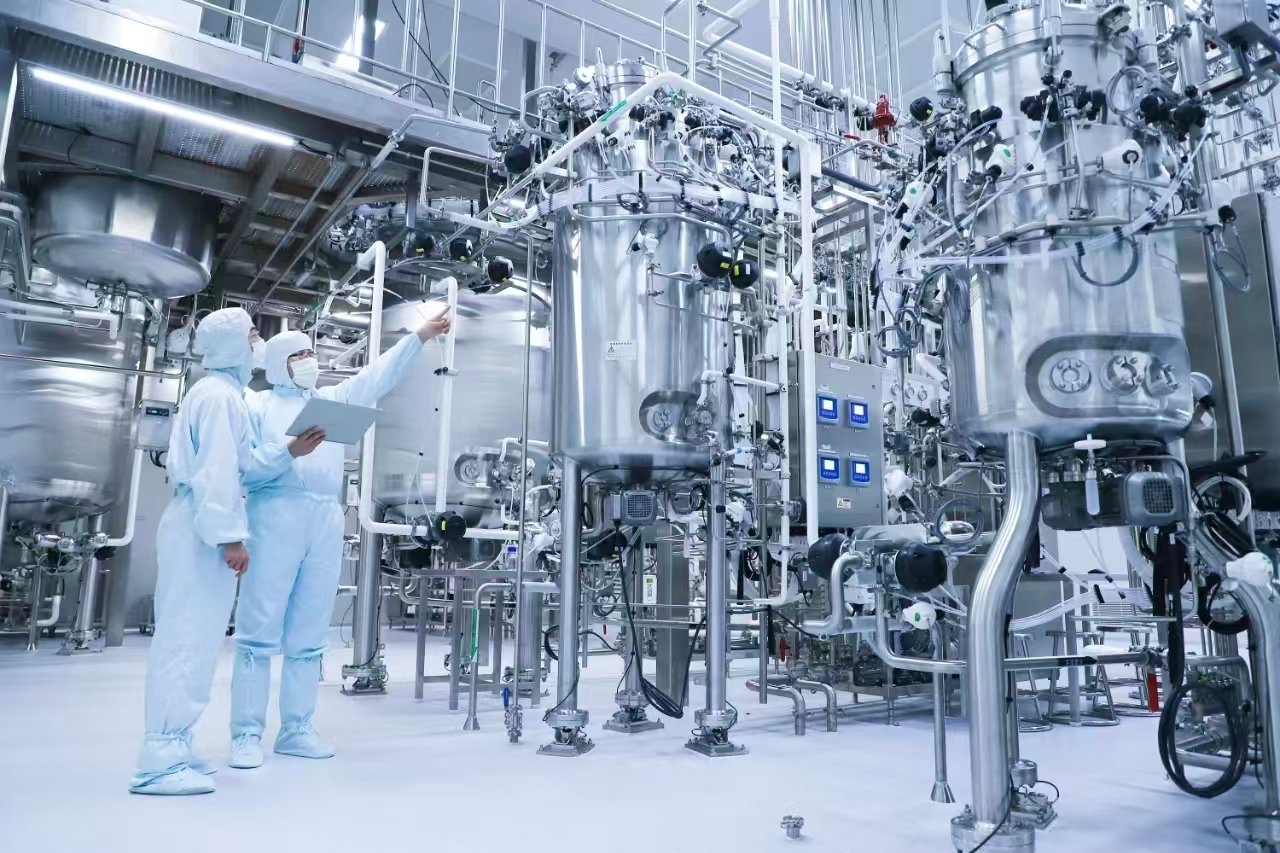
1. Solution Overview & Global Regulatory Alignment
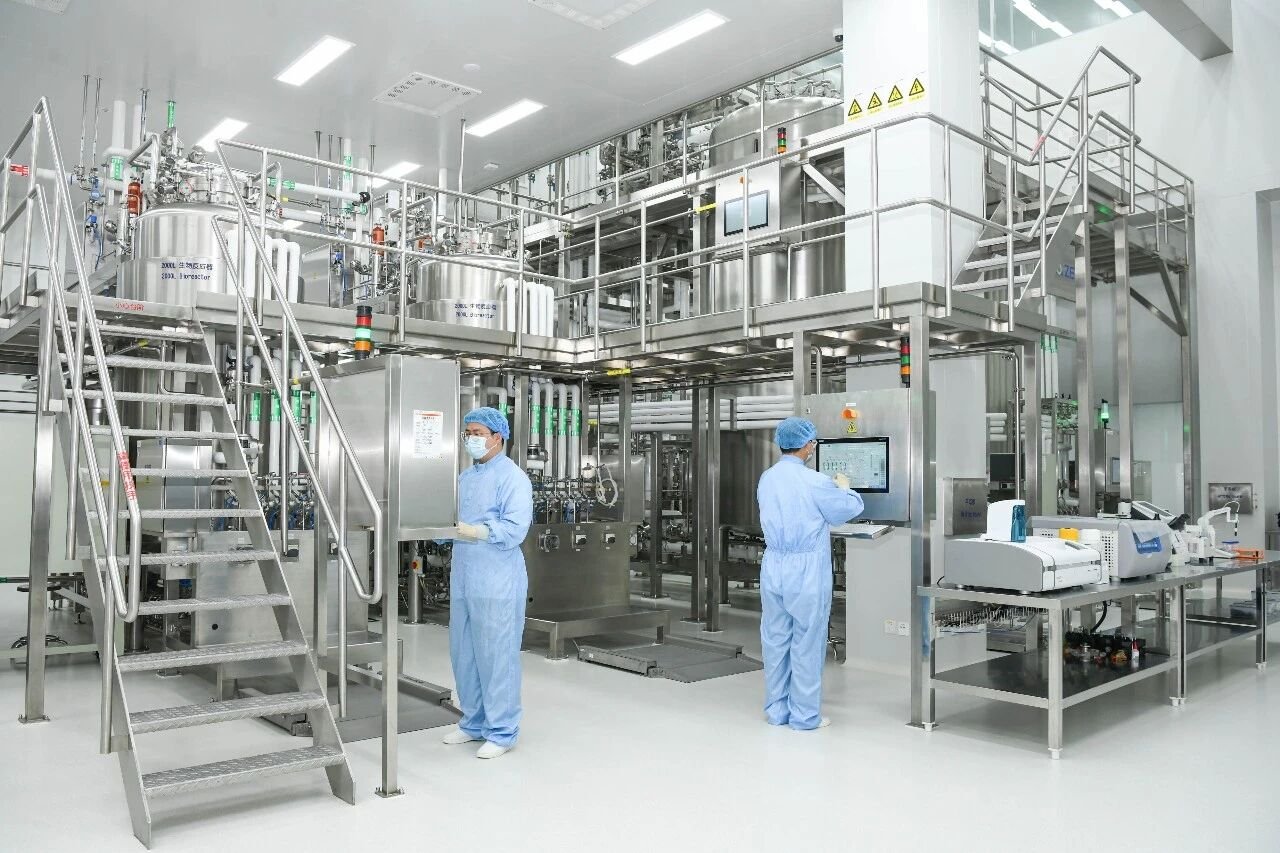
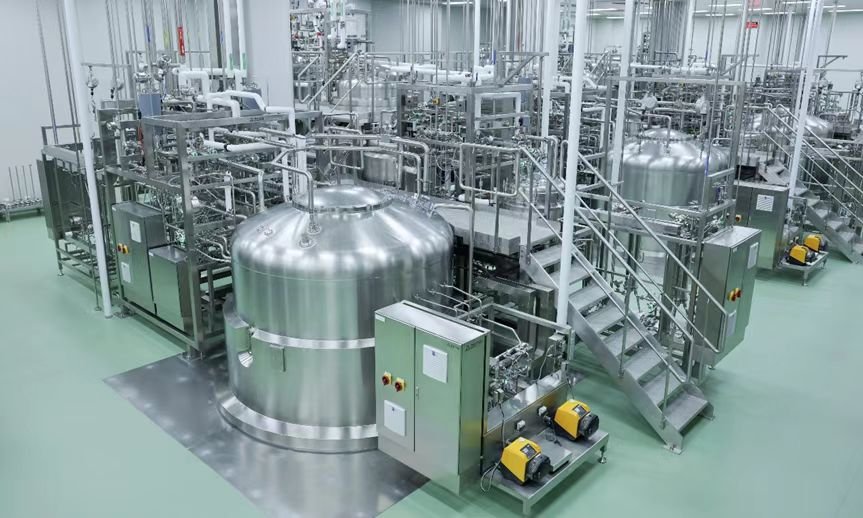
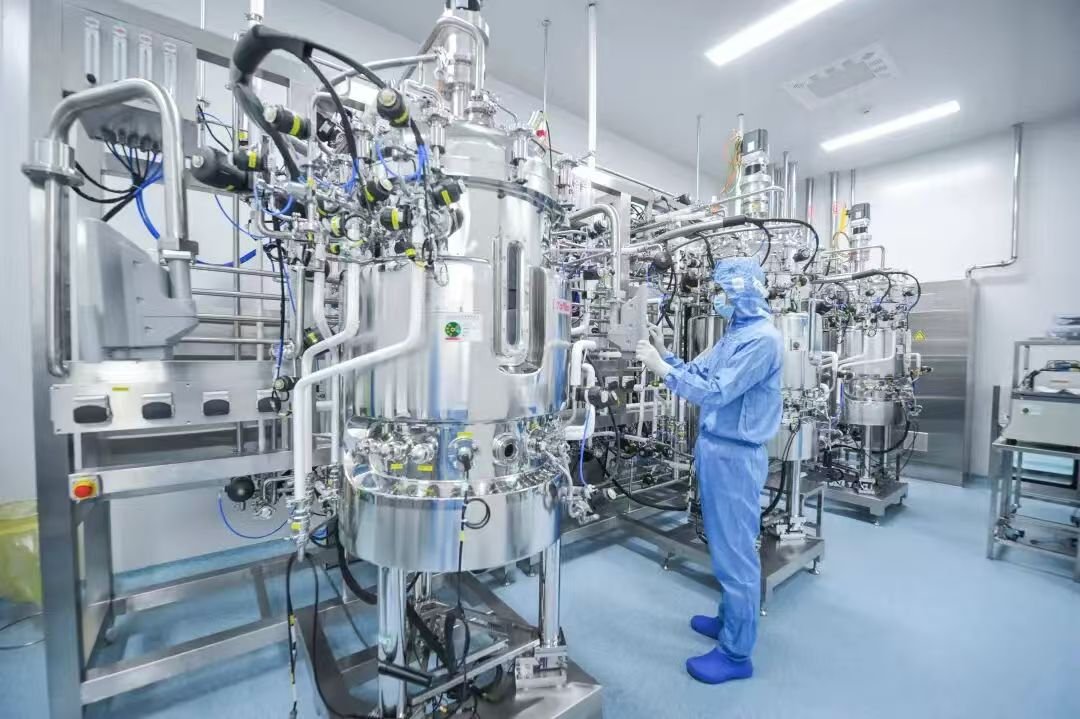
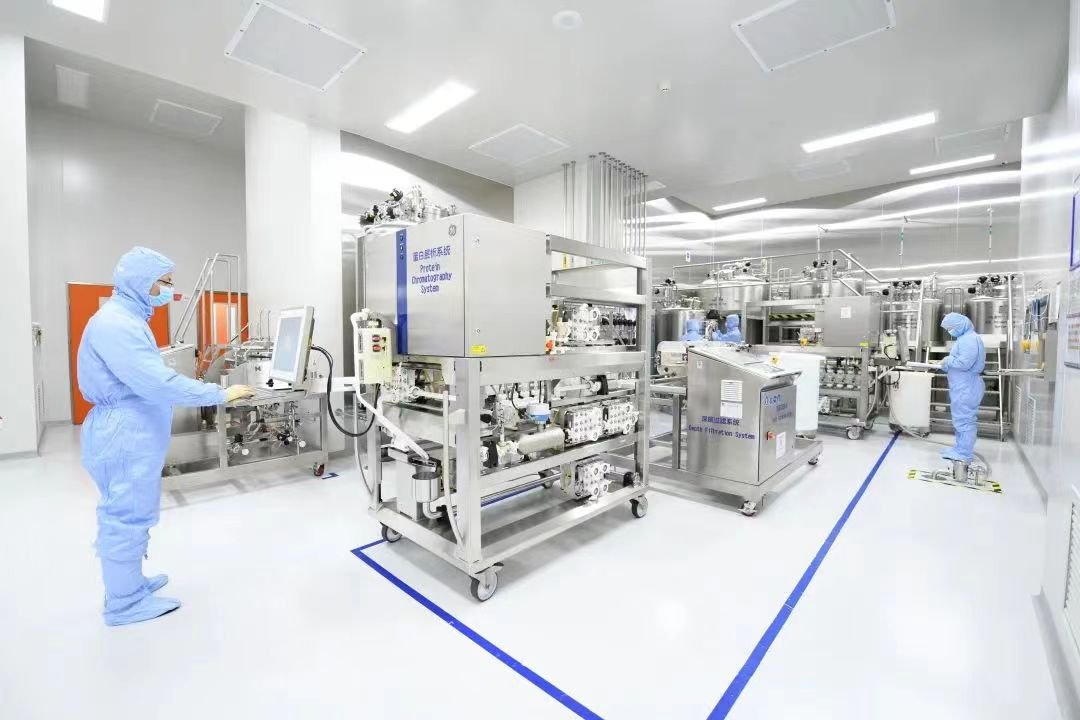
Our risk-based facility design delivers biomanufacturing layout and engineering schemes fully anchored in ICH Q9 quality risk management, complying with FDA cGMP, EMA Annex 1, PIC/S and local pharmaceutical regulatory standards for all biological products including mAbs, ADCs, recombinant proteins, viral vectors and vaccines. Unlike conventional facility design that merely follows fixed cleanroom grading templates, this solution takes product safety, contamination risks and process variability as the primary design drivers. We systematically identify hazards such as cross-contamination, microbial ingress, cytotoxic exposure, viral carryover and environmental parameter drift at the early conceptual stage, targeting high-risk process segments with differentiated containment and control measures. The design applies to lab pilot plants, clinical production workshops and large-scale commercial biologic manufacturing campuses, forming fully audit-ready facilities with built-in risk mitigation rather than post-construction corrective rectifications.
2. Core Design Philosophy & Risk-Driven Technical Advantages
Rooted in process determinism and graded risk mitigation logic, the design workflow starts with comprehensive FMEA hazard analysis covering raw material receiving, upstream cultivation, downstream purification, sterile formulation and waste disposal. Critical process parameters (CPPs) and critical quality attributes (CQAs) of each biologic product define risk ranking, which dictates cleanroom classification, pressure gradient hierarchy, personnel/material segregation, airflow patterns and utility redundancy configurations. High-risk zones such as ADC conjugation, open aseptic filling and viral vector processing adopt enhanced negative pressure isolation, fully closed material transfer and dedicated exhaust treatment; low-risk auxiliary areas adopt simplified control strategies to cut unnecessary capital and operational expenditure. Compared with one-size-fits-all facility layouts, risk-based design minimizes over-engineering for low-risk areas while strengthening safety barriers at high-risk nodes, effectively reducing contamination incidents, batch rejection rates and long-term compliance maintenance costs.
3. Four Integrated Risk Control Functional Modules
The risk-aligned biologic manufacturing facility system consists of four interconnected risk management engineering modules: hazard identification & zoning module, contamination segregation engineering module, environmental monitoring & utility risk mitigation module, and risk documentation & validation module.
1.Hazard identification & zoning module: Carries out product-specific risk ranking, partitions high/medium/low-risk functional zones, and designs unidirectional people-material flow to avoid cross-traffic between conflicting process streams.
2.Contamination segregation engineering module: Implements physical isolation, closed transfer piping, independent CIP/SIP circuits and differential pressure cascades; deploys dedicated containment systems for cytotoxic, viral and live microbial workflows.
3.Environmental monitoring & utility risk mitigation module: Equips real-time particle/bioburden monitoring systems proportional to risk levels, designs redundant WFI, HVAC and compressed air utilities for high-risk production lines to prevent process interruption.
4.Risk documentation & validation module: Generates facility risk assessment reports, contamination control strategies, DQ/IQ/OQ/PQ validation plans customized to identified hazards, forming complete traceable risk archives for regulatory inspections.
4. Industrial Application & Full Lifecycle Risk Support
This risk-based facility design applies to greenfield biologic plant construction, brownfield compliance renovation, multi-product flexible production workshops and high-containment ADC/viral vector manufacturing sites. The risk grading framework retains scalability: new product pipelines with varying hazard levels can be integrated into existing facilities via targeted partial upgrades without full reconstruction. We provide full lifecycle risk management services including pre-design hazard evaluation, construction-phase risk supervision, post-handover periodic risk review, process change risk re-assessment and staff GMP risk training. By embedding risk prevention into every architectural and utility detail, the design enables biopharma manufacturers to build resilient, cost-efficient biomanufacturing facilities that consistently meet global regulatory risk control expectations and safeguard product and patient safety.