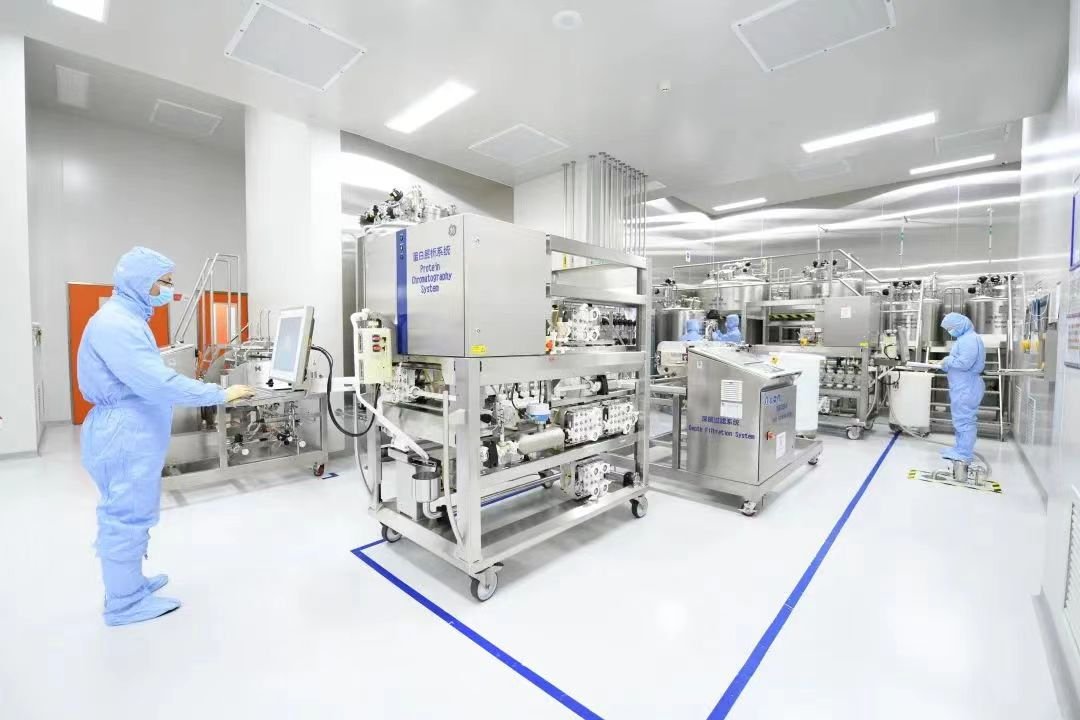
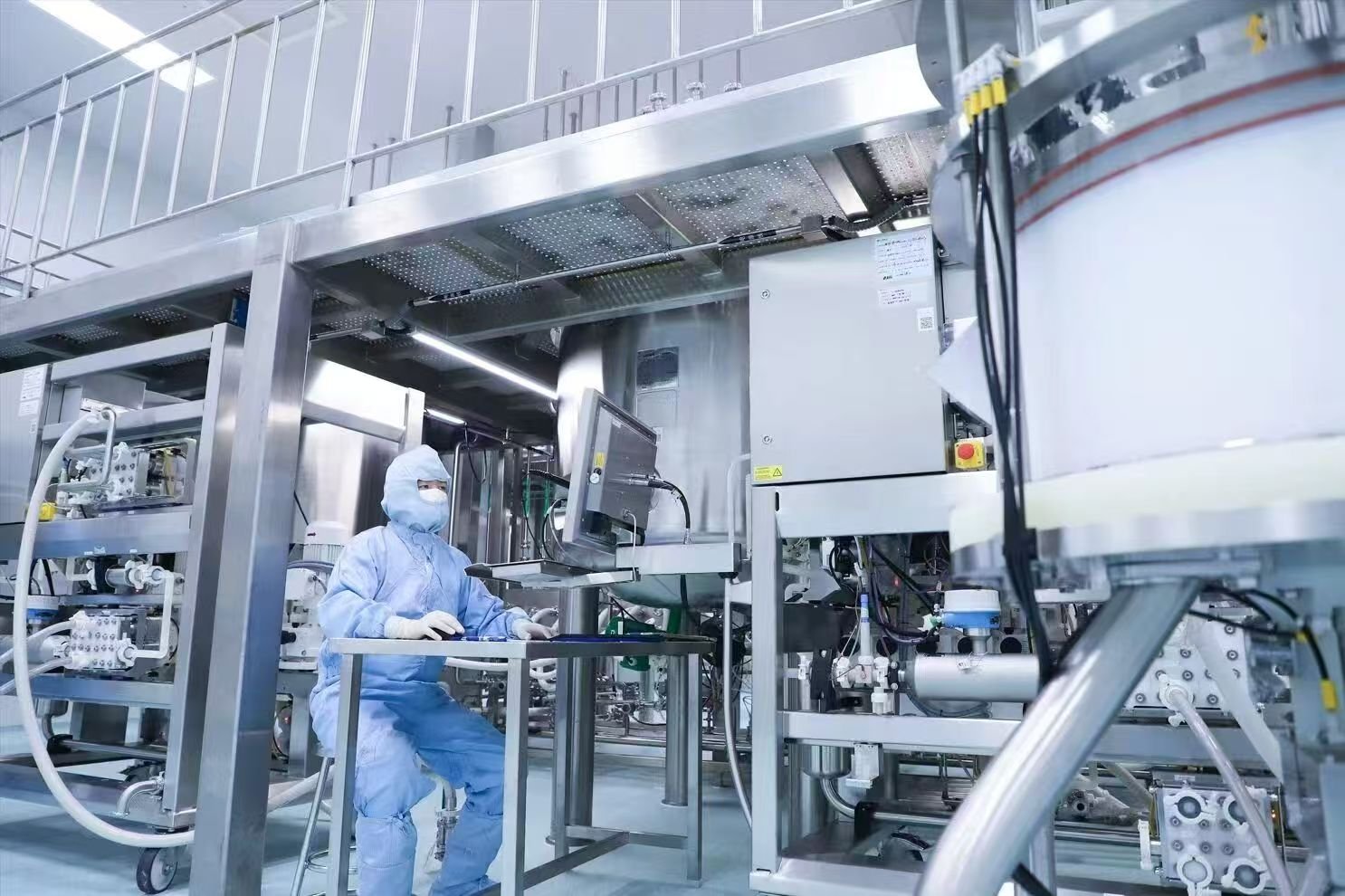
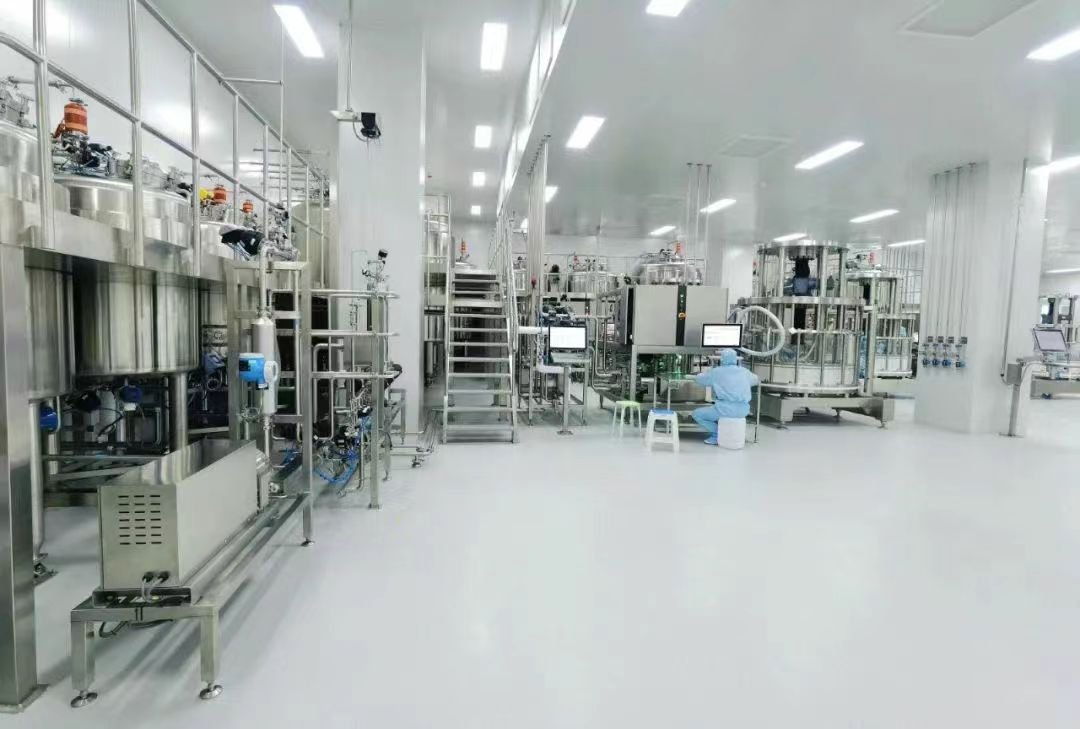
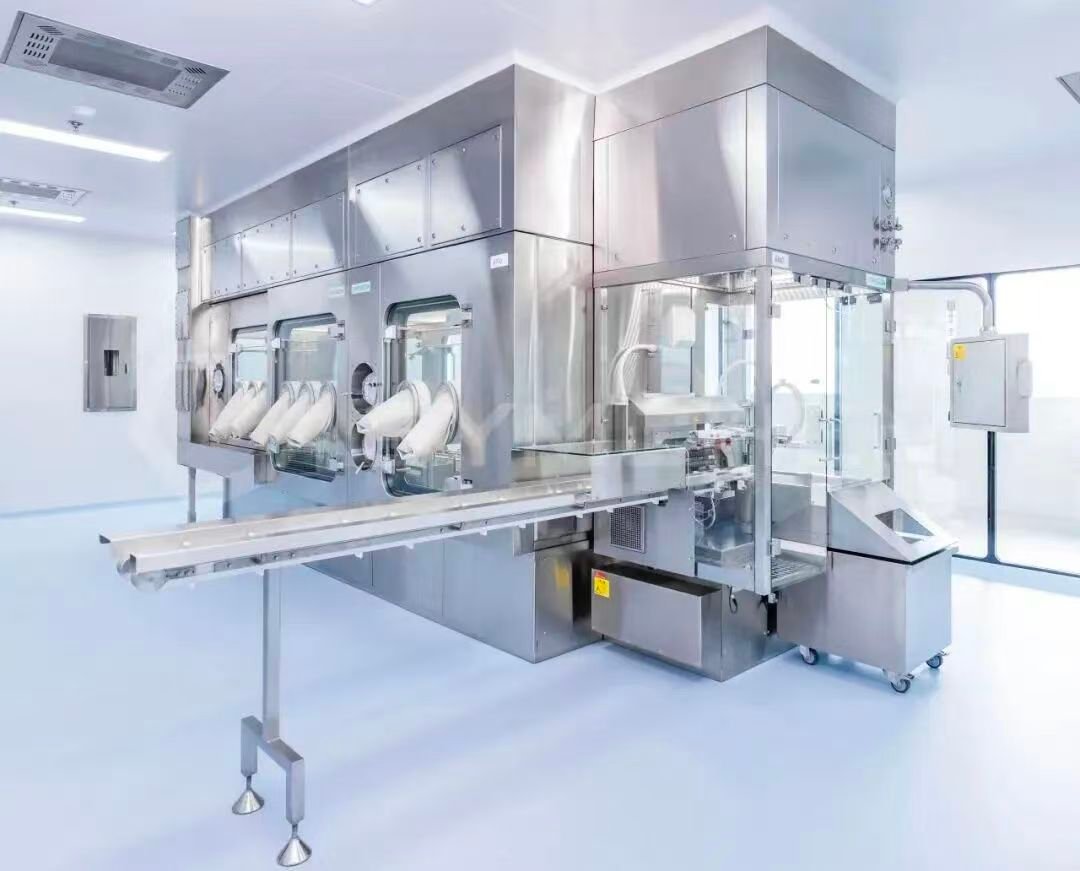
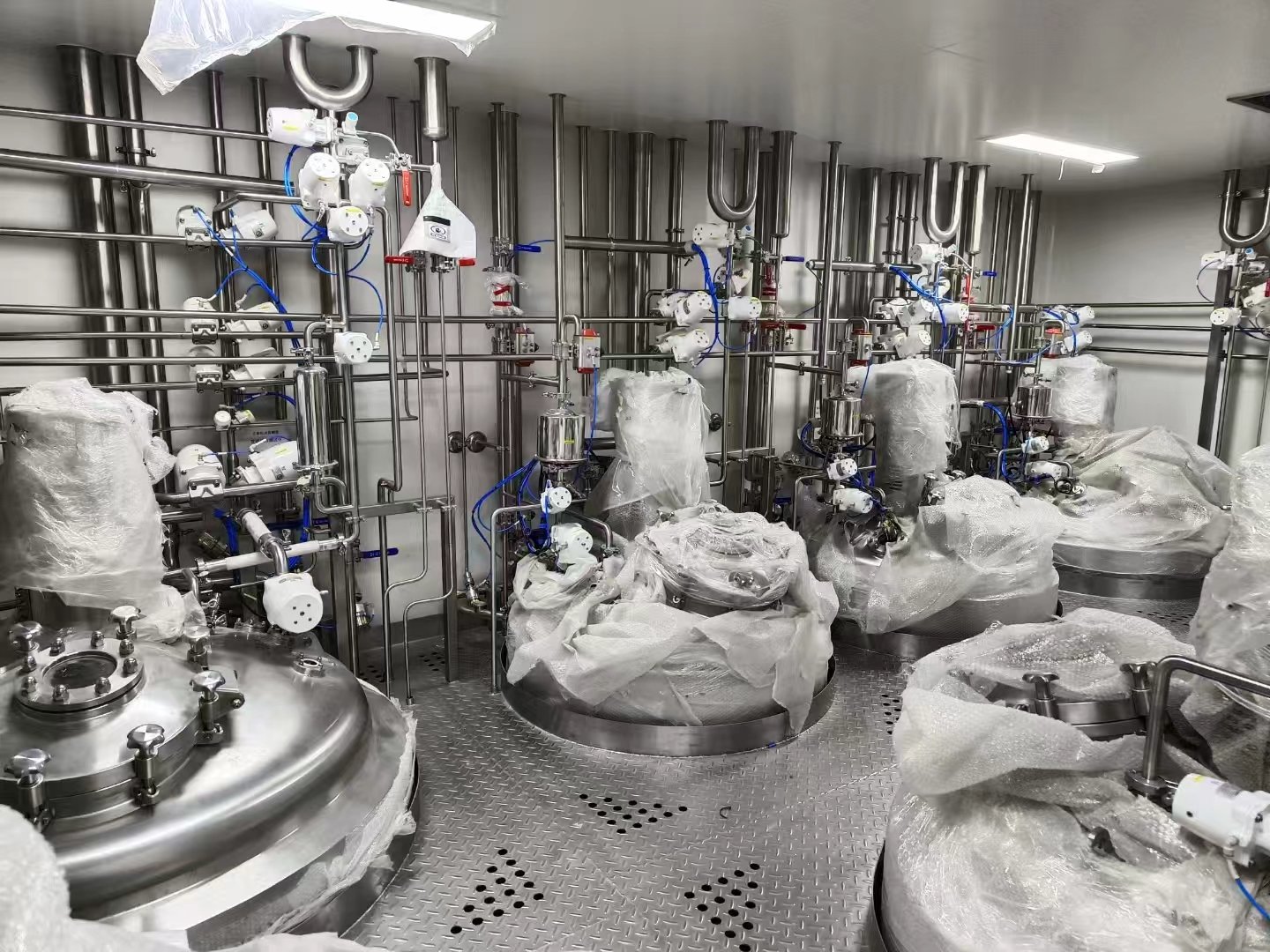
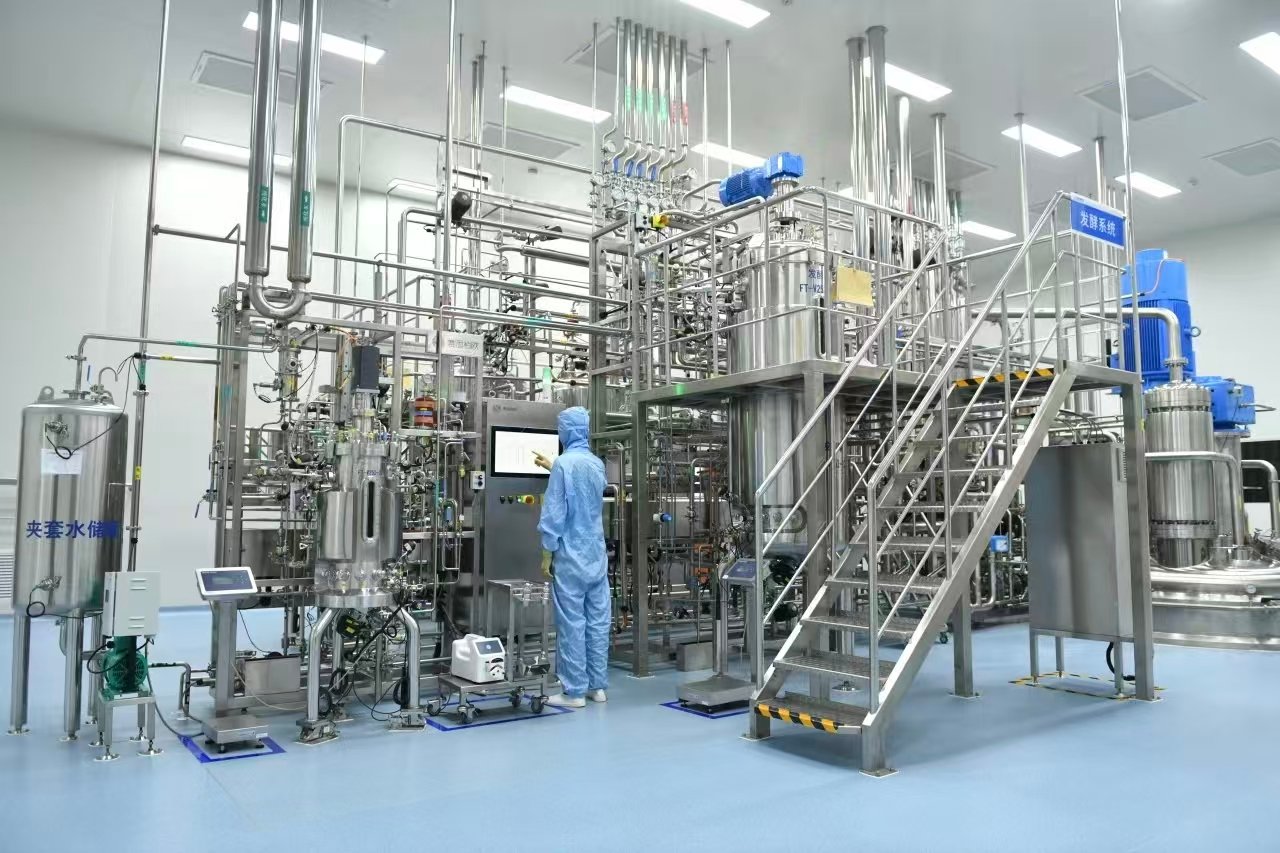
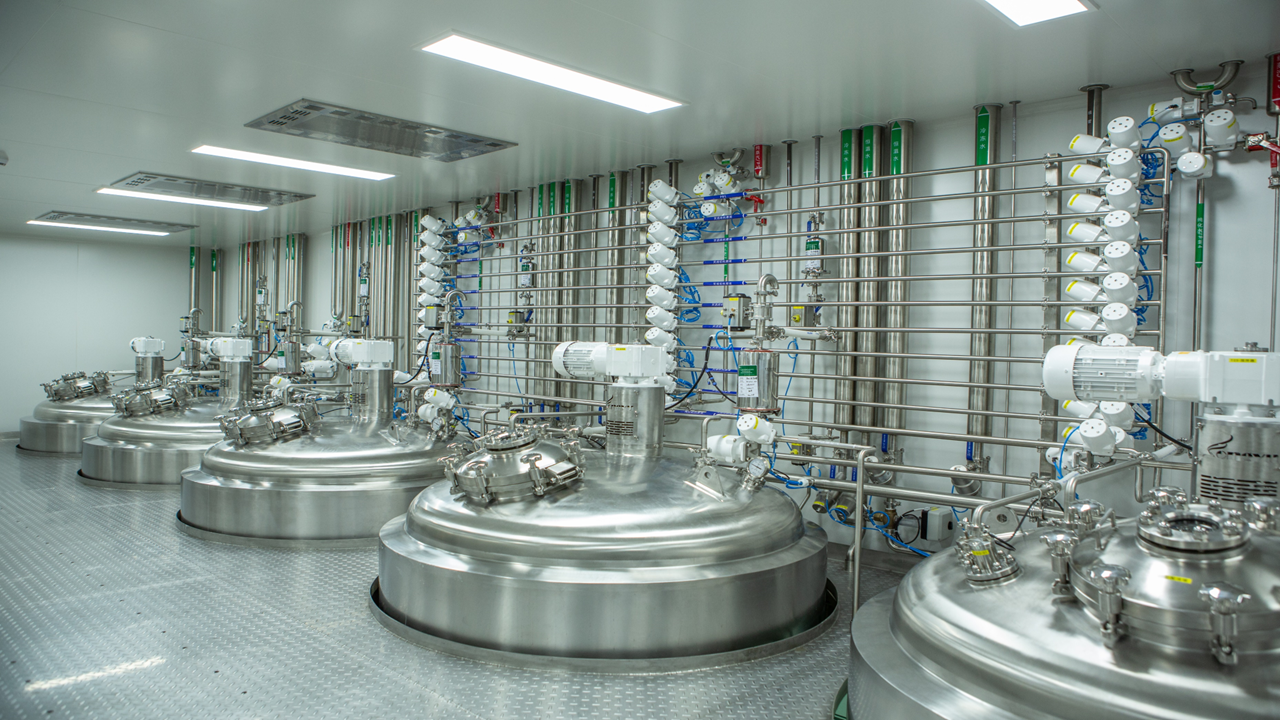
This is a biotherapeutic project focusing on the production of blood products. It covers the entire production process from blood collection, separation, purification to formulation, filling, and packaging. The project is equipped with a GMP-compliant production system that meets the strict guidelines of the FDA and EMA, integrating state-of-the-art professional cleanrooms, specialized biosafety equipment and high-efficiency bioprocess equipment to ensure product quality, biosafety, and regulatory compliance.
Key Challenges: During the project implementation, the main challenges we encountered were focused on the renovation and design of the existing plant for large-scale blood products production, specifically in the following three aspects:
1. Dual compliance and anti-cross-contamination in design: The design of the blood products production plant must simultaneously meet the requirements of GMP regulations, biosafety standards, and effectively prevent cross-contamination. Blood products are highly sensitive to microbial pollution and cross-contamination between different blood components, requiring strict functional division, air purification grading, and material transfer isolation in the plant design, which brings great challenges to the integration of multiple compliance requirements.
2. Space constraints in existing plants: The project is based on an existing plant, which has inherent space limitations in terms of floor area and vertical height. It is difficult to arrange production equipment, clean areas, auxiliary facilities and other functional zones reasonably under the premise of meeting GMP and biosafety requirements, and the space tension seriously restricts the rational layout of the production process.
3. Explosion-proof requirements: The production process of blood products involves flammable reagents (such as organic solvents used in purification and disinfection links) and flammable gas (such as some protective gases). The existing plant was not originally designed for explosion-proof, so it is necessary to carry out targeted explosion-proof transformation on the plant structure, equipment layout and pipeline configuration to meet the safety operation standards, which increases the difficulty of renovation and design.
Targeted Solutions: To effectively address the above challenges, we customized targeted and feasible solutions to ensure the project’s smooth progress, stable quality, and full compliance with regulatory requirements:
1. Integrated design for compliance and anti-cross-contamination: We adopted a multi-standard integrated design concept, combined with the characteristics of blood products production, strictly divided the plant into clean zones, semi-clean zones and non-clean zones in accordance with GMP requirements, configured gradient air pressure and high-efficiency air purification systems to prevent air cross-contamination; designed dedicated material transfer channels and personnel access channels, adopted closed transfer equipment for blood components, and set up independent disinfection and decontamination zones to ensure biosafety and effectively avoid cross-contamination between different processes.
2. Space optimization design for existing plants: Aiming at the space tension of the existing plant, we carried out in-depth measurement and analysis of the plant structure, adopted a compact and efficient equipment layout mode, selected small and integrated production equipment, made full use of vertical space (such as overhead pipeline laying, multi-layer shelf installation) and corner space, optimized the functional division of the plant, merged non-core auxiliary zones reasonably, and maximized the utilization of existing space while meeting all compliance requirements.
3. Targeted explosion-proof transformation design: Combined with the explosion-proof requirements of blood products production, we carried out targeted transformation on the existing plant. We clearly divided the explosion-proof zones and non-explosion-proof zones, replaced the plant’s building materials with explosion-proof and fire-resistant materials in key areas, selected explosion-proof models for flammable reagent storage equipment and related production equipment, optimized the layout of flammable gas pipelines and ventilation systems, and configured professional fire-fighting and leak-proof facilities to ensure that the plant meets the explosion-proof safety standards.
As a leading process-oriented engineering company, Sino Bioengineering delivers professional bioengineering solutions and comprehensive technical services to clients worldwide.
For more products and solutions: https://sinobioengg.com/category/solution/
For more service: https://sinobioengg.com/category/service/