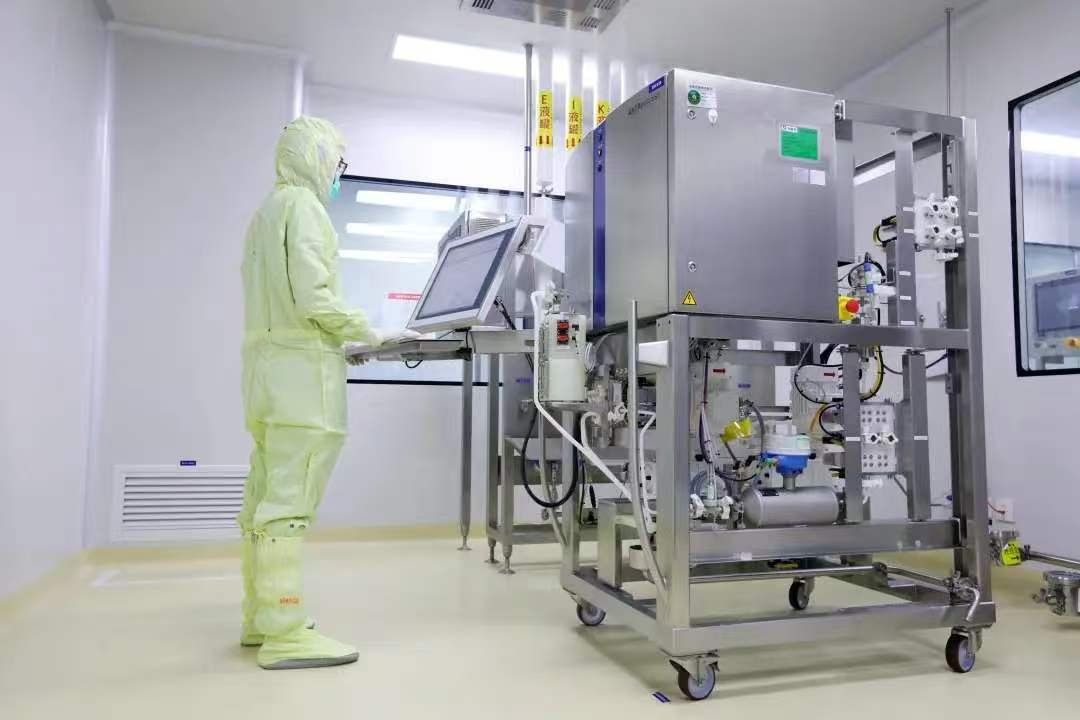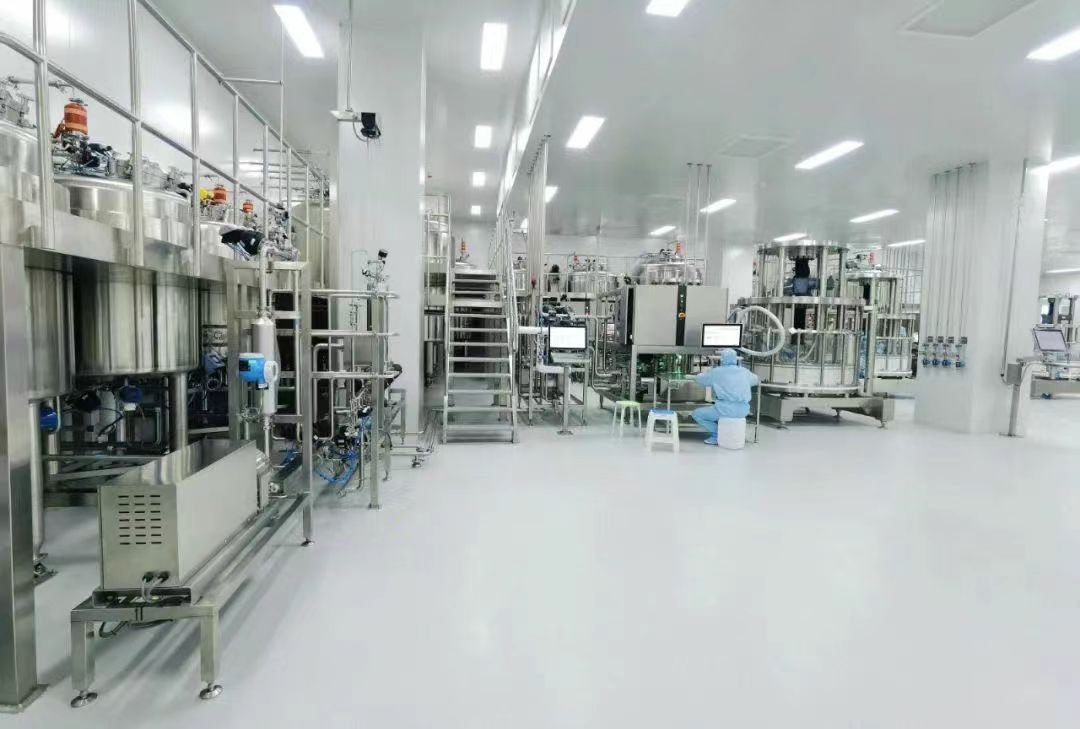
Recombinant proteins expressed in the form of bacterial inclusion bodies (IBs) have attracted substantial attention across industrial and medical biotechnology applications. Elucidating the structure-function relationship of proteins within IBs has unlocked novel opportunities for developing innovative separation, solubilization, refolding and purification protocols, enabling high-throughput recovery of biologically active proteins from bacterial IBs.
This review analyzes the merits, drawbacks and core challenges associated with each processing step. It summarizes feasible solutions and prospective directions for fundamental and translational research to maximize the utilization efficiency of IB aggregates.
1 Major Advantages of Inclusion Bodies
Recombinant DNA technology was first established by Cohen and Boyer in 1974. Escherichia coli has been widely adopted as a host for recombinant protein production. IBs are intracellular macromolecular aggregates predominantly composed of proteins, formed due to the imbalance among protein folding, aggregation and degradation pathways.
IBs were long regarded as a major obstacle to producing active and soluble recombinant proteins. Despite diverse molecular and biochemical strategies applied to inhibit IB formation, approximately 80% of overexpressed recombinant proteins in E. coli still accumulate as inclusion bodies. Converting inactive, misfolded IBs into soluble, biologically functional proteins carries profound implications for biopharmaceutical advancement and industrial development. The prominent strengths of IBs are concluded as follows:
Distinct size and density from host proteins facilitate facile isolation;
Strong resistance to proteolytic degradation;
High specificity and mechanical stability of protein aggregates, along with elevated yield of overexpressed target proteins;
Feasible expression of cytotoxic proteins;
Retention of native-like secondary structures and inherent biological activity.
2 Development Strategies and Challenges for Inclusion Body Processing
The overall workflow of IB treatment consists of four core stages: isolation, solubilization, refolding and purification of target proteins.
2.1 Strategies and Challenges of Inclusion Body Isolation
Multiple isolation techniques have been developed based on the structural and functional properties of bioactive proteins embedded in IBs. Certain methods are cost-effective and time-efficient at laboratory scale yet impractical for industrial production. Method selection relies on comprehensive understanding of protein structure-function correlation, downstream applications and manufacturing scale.
Each isolation approach possesses unique pros and cons. Physical disruption efficiently breaks down bacterial cells but inevitably impairs protein integrity within IBs. Combined physical and enzymatic treatment is optimal to acquire high-purity IBs. Dense and charged IB aggregates are difficult to separate from genomic DNA, endogenous proteins and cell debris, necessitating rigorous purification to eliminate cellular contaminants.
Mild detergents and low-concentration chaotropes may trigger target protein loss from nonclassical inclusion bodies (ncIBs), thus only applicable to classical IBs. pH value exerts critical impacts on washing efficiency: IBs tend to shrink under acidic conditions, while alkaline environments induce protein dissolution.
Deoxyribonuclease (DNase) combined with detergent treatment effectively removes cell debris and membrane contaminants, yet its application is limited by high cost and difficulty in residual elimination in downstream processes. Electrophoretic deposition enables rapid, economical separation of cytoplasmic components from cell fragments, but large-scale recovery of bioactive proteins via this technique remains unexplored.
2.2 Strategies and Challenges of Inclusion Body Solubilization
Improper solubilization treatment is a primary cause of low recovery efficiency of bioactive proteins from IBs. Strong denaturants completely disrupt native secondary structures and trigger re-aggregation during refolding. Non-denaturing reagents are developed to recover functional proteins without refolding procedures, though they fail to solubilize classical IBs.
Novel mild solubilizers emerge as a compromise, capable of dissolving both classical IBs and ncIBs while preserving native-like protein conformations, and delivering higher bioactive protein recovery compared with harsh denaturants. Nevertheless, no universal solubilizer suits all protein species, and no computational algorithm can predict optimal solubilizer for specific IB-derived proteins.
Two promising strategies are proposed to address this issue. Bioinformatic analysis of solubilization profiles establishes correlations between solubilizer properties and IB characteristics, supporting targeted reagent prediction. Alternatively, versatile mild solubilizers can be engineered to dissolve diverse IBs and maintain native protein structures. Both approaches substantially cut down time and costs for process optimization in laboratory and industrial settings.
2.3 Strategies and Challenges of Protein Refolding
According to Anfinsen’s dogma, proteins intrinsically refold into native conformations from denatured states, which competes fiercely with molecular aggregation. Protein refolding restores functional three-dimensional structures and biological activity, categorized into in vivo refolding via molecular chaperone co-expression and in vitro refolding by gradual denaturant dilution. In vitro refolding serves as the prevailing technical route.
Four pivotal factors determine refolding yield and quality: solubilizer type, protein concentration, buffer conditions and refolding methodologies.
Appropriate mild solubilizers preserve intrinsic secondary structures and improve refolding performance;
Protein aggregation positively correlates with concentration. Excess dilution consumes massive buffer solutions, hence moderate concentration is favorable for efficient refolding;
Differential scanning fluorimetry screens optimal buffer parameters including additives, pH, ionic strength and temperature based on protein thermodynamic stability;
Diversified refolding techniques have differentiated characteristics.
Dilution and dialysis methods are widely used but cost-intensive. Traditional column-based refolding reduces industrial costs but suffers from prolonged processing time. Monolithic matrix-based column refolding achieves superior purity, higher recovery yield, scalable production and shorter operation duration. Further exploration of refolding mechanisms at chemical, biochemical and biophysical levels facilitates the development of universal refolding buffers, minimizing expenses and labor workload for buffer screening.
2.4 Strategies and Challenges of Refolded Protein Purification
Solubilized and refolded samples contain diverse components: soluble aggregates, insoluble precipitates, correctly folded, misfolded, oligomeric and degraded proteins. Insoluble aggregates can be separated by density gradient centrifugation. Size-exclusion chromatography separates soluble impurities at lab scale, yet limited sample loading capacity restricts its industrial application.
Misfolded proteins diminish specific bioactivity and alter immunogenicity, making separation from native conformers indispensable. High physicochemical similarity hinders purification via conventional chromatographic methods. Current mainstream purification technologies include hydrophobic interaction chromatography based on hydrophobic discrepancy, multimodal chromatography distinguishing misfolded variants, low-cost membrane chromatography and monolithic chromatography, high-capacity resin-based chromatography, as well as cellulose nanofiber-based chromatography featuring high flow rate and dynamic binding capacity.
Conclusion
Inclusion bodies feature easy isolation, outstanding mechanical and thermal stability, along with high yield and purity of recombinant proteins. Significant progress has been achieved in developing mild solubilization reagents. Integrated separation, solubilization, refolding and purification protocols have been well established in biopharmaceutical industry, acting as universal platforms for bioactive protein recovery from bacterial IBs. This technical system effectively shortens research cycles and cuts expenditure for novel biopharmaceutical development. More efficient and innovative processing strategies are expected to emerge in future studies.
As a leading process-oriented engineering company, Sino Bioengineering delivers professional bioengineering solutions and comprehensive technical services to clients worldwide.
For more products and solutions: https://sinobioengg.com/category/solution/
For more service: https://sinobioengg.com/category/service/