
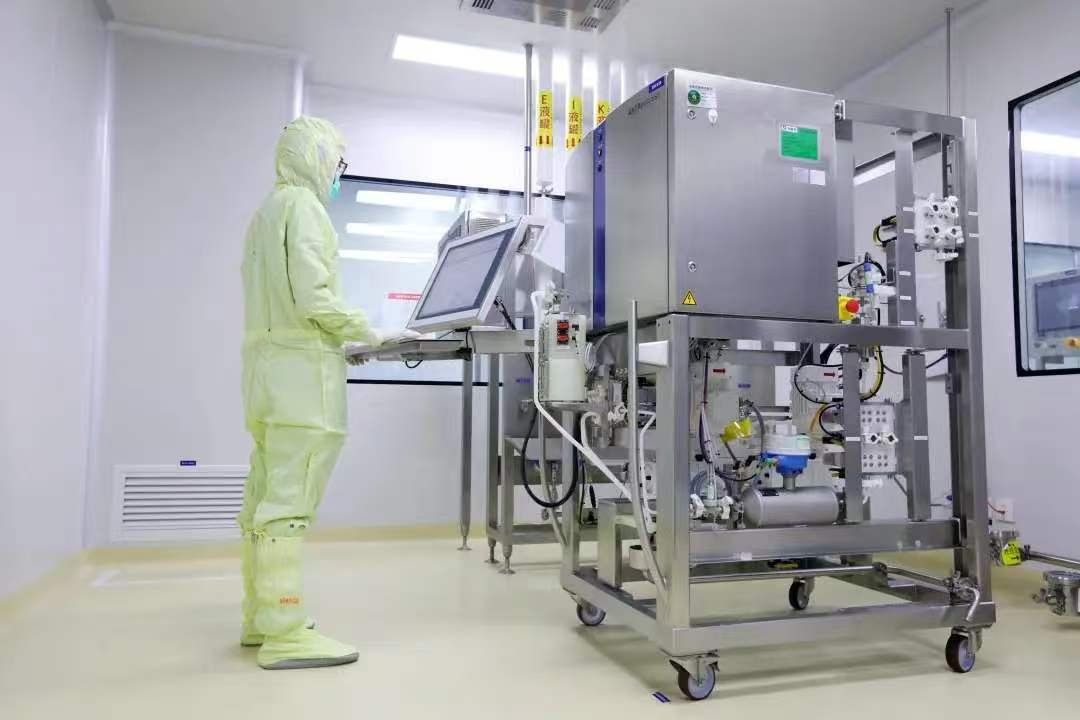
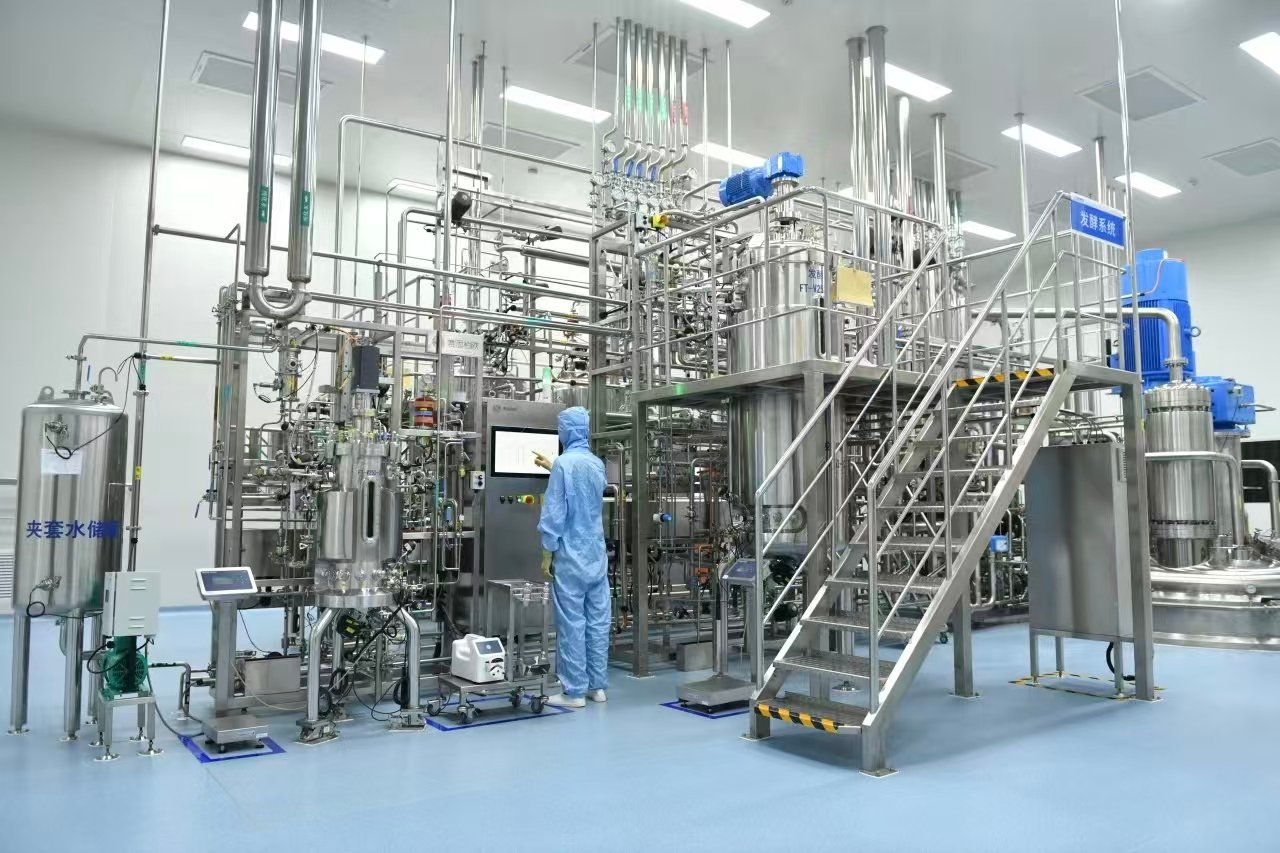
Traditional pharmaceutical raw material acquisition methods such as plant extraction and natural organism biosynthesis have prominent drawbacks. Plant extraction suffers from long growth cycles, complicated processing procedures and limited yield. Natural microbial producers are restricted by slow proliferation and unstable output, failing to meet large-scale industrial production demands. The emergence of microbial recombinant protein synthesis has pioneered a new route for biopharmaceuticals, among which yeast stands out as an exceptional production host. This article elaborates on yeast cell factories, illustrating how sophisticated cellular engineering design evolves into large-scale industrial manufacturing to benefit human health.
1. Cellular Engineering
1.1 Promoter Engineering and CRISPR/Cas9 Technology
Efficient gene expression regulation lays the foundation for successful recombinant protein production, with promoter engineering serving as a core regulatory tool. The methanol-inducible AOX1 promoter is a pivotal element in the Pichia pastoris expression system. Truncation and duplication modification of transcription factor binding sites enable autonomous regulation upon glucose depletion, eliminating reliance on exogenous methanol induction. Distinctively, partial methanol-inducible promoters of Hansenula polymorpha retain bioactivity in glycerol medium. Leveraging this property, researchers have manufactured various vaccines and therapeutic proteins including hepatitis B vaccine antigens and insulin, demonstrating tremendous application potential in biopharmaceuticals.
CRISPR/Cas9 and its derivative technologies enable precise and efficient genome manipulation. CRISPR interference accurately modulates AOX1 expression in Pichia pastoris. Metabolic pathway reconstruction mediated by this technique drastically elevates resveratrol yield in Hansenula polymorpha. Targeted genome integration site identification facilitates lycopene biosynthesis in Yarrowia lipolytica.
1.2 Optimization of Yeast Secretory Pathway
Optimization of secretory pathways is critical to enhancing the yield and quality of therapeutic proteins, which determines industrial production feasibility. Common bottlenecks including aberrant glycosylation and proteolytic degradation severely compromise protein integrity and productivity.
Genetic engineering strategies have been developed to address these challenges. Modified signal peptides effectively boost secretion efficiency. Overexpression of molecular chaperones and oxidoreductases alleviates protein misfolding. Modulation of vesicular trafficking related genes accelerates intracellular protein transportation. Construction of protease-deficient strains protects target proteins from degradation, and knockout of specific protease genes substantially increases the titer of diverse recombinant proteins.
1.3 Glycosylation Engineering
Glycosylation is an essential post-translational modification that profoundly influences protein structure, biological function, pharmacokinetic properties and immunogenicity. Yeast performs native N-linked and O-linked glycosylation, yet its glycosylation patterns differ greatly from human counterparts. Alpha-1,3-mannose linkage and high-mannose glycans trigger elevated immunogenicity and shortened in-vivo half-life, constituting major obstacles for humanized biopharmaceutical production using yeast platforms.
Deletion of the OCH1 gene serves as a fundamental approach to remodel yeast glycosylation profiles in Saccharomyces cerevisiae, Kluyveromyces lactis, Hansenula polymorpha, Yarrowia lipolytica and Pichia pastoris, effectively lowering protein immunogenicity and laying groundwork for subsequent humanized modification. Heterologous introduction of human glycosyltransferases and glycosidases realizes human-like glycan assembly. In Pichia pastoris, knockout of alpha-1,6-mannosyltransferase combined with expression of alpha-1,2-mannosidase and human beta-1,2-N-acetylglucosaminyltransferase I generates human-compatible glycan structures. Sialylation of O-glycans is achieved via overexpressing sialic acid synthetic enzymes. Recombinant human epidermal growth factor with O-fucosylation modification is successfully biosynthesized in engineered yeast strains. These advances expand the capacity of yeast hosts for complex glycoprotein production and support novel biopharmaceutical development.
2. Fermentation and Scale-up Strategies
2.1 Growth and Production Kinetics
Comprehensive understanding of strain growth and biosynthesis kinetics underpins efficient industrial manufacturing. Pichia pastoris exhibits varied metabolic behaviors on different carbon sources. Glucose and glycerol exert catabolite repression against methanol utilization, resulting in diauxic growth. Recombinant strains generally possess lower specific growth rates compared with wild-type strains. Determination of maximum specific growth rate guides rational cultivation strategy formulation.
Protein biosynthesis kinetics correlates closely with intracellular folding and trafficking processes, requiring balanced carbon source supply for coordinated cell growth and product formation. Secretory proteins driven by the GAP promoter show positive correlation between productivity and growth rate, reaching peak yield near maximum specific growth rate. AOX1 promoter-controlled biosynthesis presents a bell-shaped kinetic curve affected by methanol metabolism efficiency and secretory pathway saturation. Maintaining specific growth rate below 0.04 per hour facilitates high-titer production for AOX1-regulated expression systems.
2.2 Strain Screening and Cultivation Optimization
High-efficiency recombinant strain screening is indispensable for heterologous protein manufacturing. Clones with differentiated productivity are selected through batch culture screening to optimize cultivation parameters. Screening data of GAP promoter strains can be directly applied to fed-batch fermentation, while AOX1-driven strains demand further optimization of methanol induction protocols.
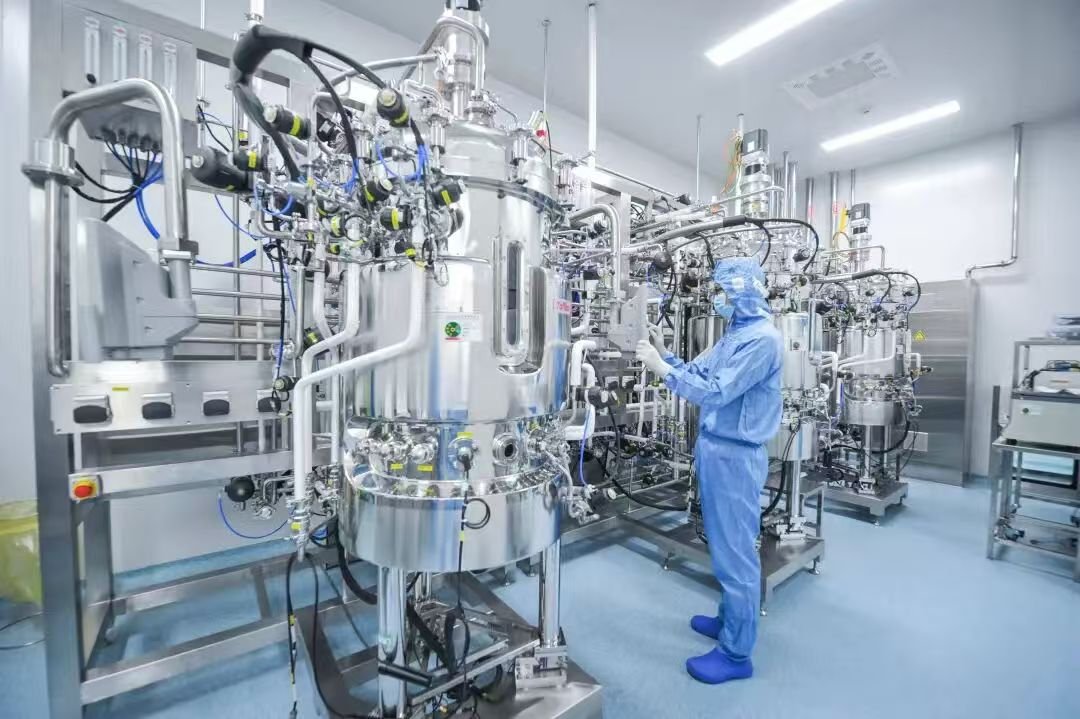
Physiological characterization facilitates biomass accumulation and target product synthesis. Rational carbon source selection and advanced cultivation modes significantly improve production capacity. Optimized fed-batch cultivation yields 13.4 milligrams of human serum albumin per gram biomass in engineered Pichia pastoris. Precise methanol feeding and parameter regulation achieve an insulin precursor titer up to 3 grams per liter.
2.3 Bioprocess Development of Non-conventional Yeasts
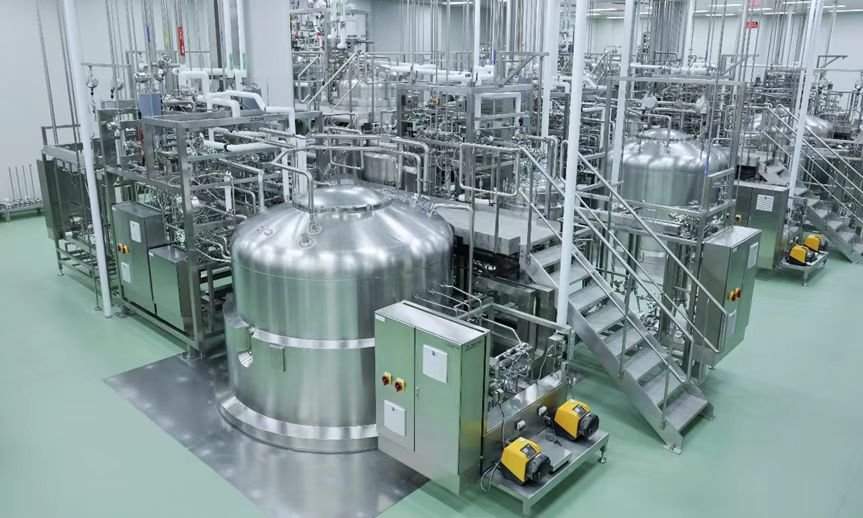
Customized bioprocesses tailored for non-conventional yeast species further enhance production efficiency. Medium composition adjustment and biofilm reactor application improve human lysozyme output in Kluyveromyces lactis. An optimized 80-liter short-cycle fermentation process elevates staphylokinase yield to 1 gram per liter in engineered Hansenula polymorpha. Carbon-nitrogen ratio acts as a key regulatory factor modulating metabolic flux and recombinant protein synthesis in Yarrowia lipolytica. Engineered strains achieve a maximum resveratrol titer of 12.4 grams per liter using cost-effective mineral medium, enabling economical production of high-value bioproducts.
Conclusion
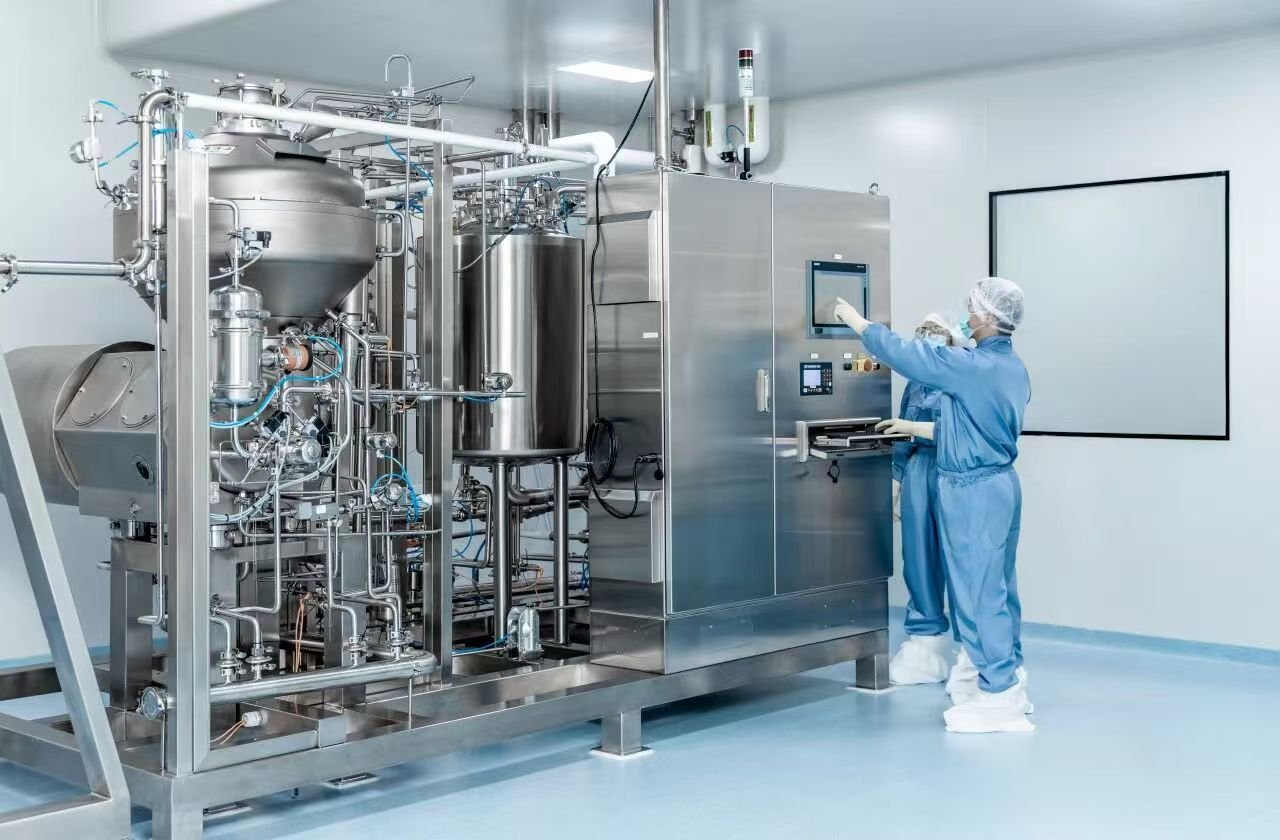
Customized yeast cell factories have achieved remarkable breakthroughs in biopharmaceutical industry, with enormous potential for further advancement. Future research focuses on comprehensive dynamic and precise regulation of gene expression to stabilize and elevate heterologous protein production. In-depth exploration of glycosylation mechanisms will refine humanized modification technologies. Real-time data monitoring and intelligent process control will realize fully automated fermentation management. Development of novel chassis yeast cells will continuously broaden industrial application boundaries. As a promising manufacturing platform, engineered yeast cell factories will drive biopharmaceutical innovation and contribute steadily to global public health.
As a leading process-oriented engineering company, Sino Bioengineering delivers professional bioengineering solutions and comprehensive technical services to clients worldwide.
For more products and solutions: https://sinobioengg.com/category/solution/
For more service: https://sinobioengg.com/category/service/