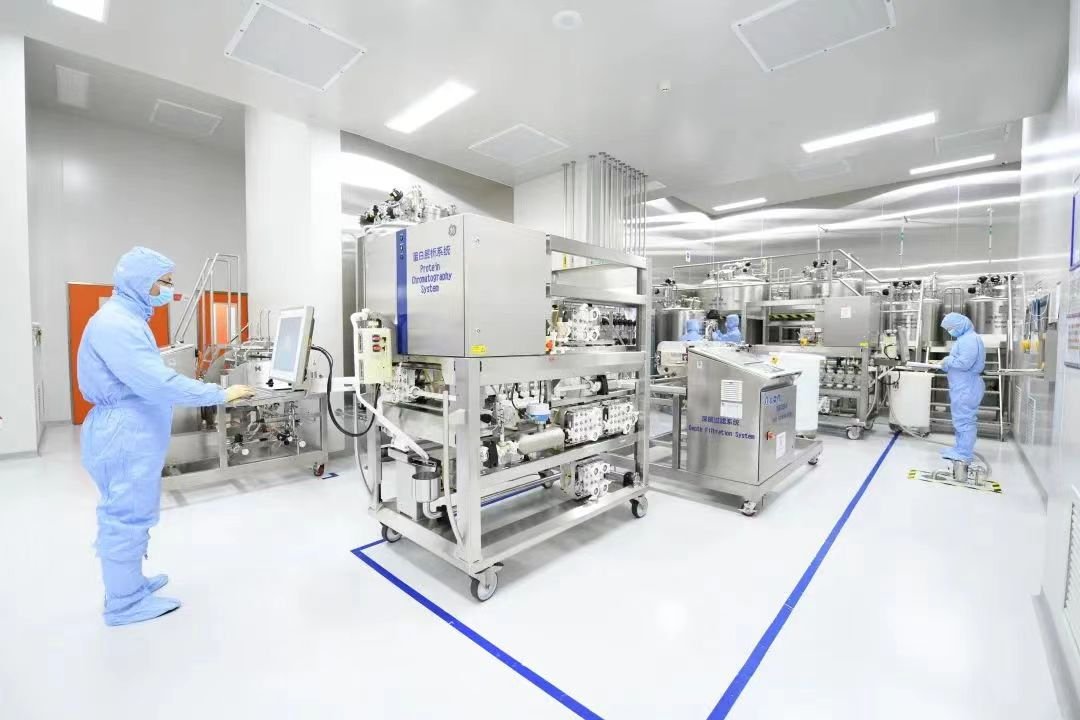
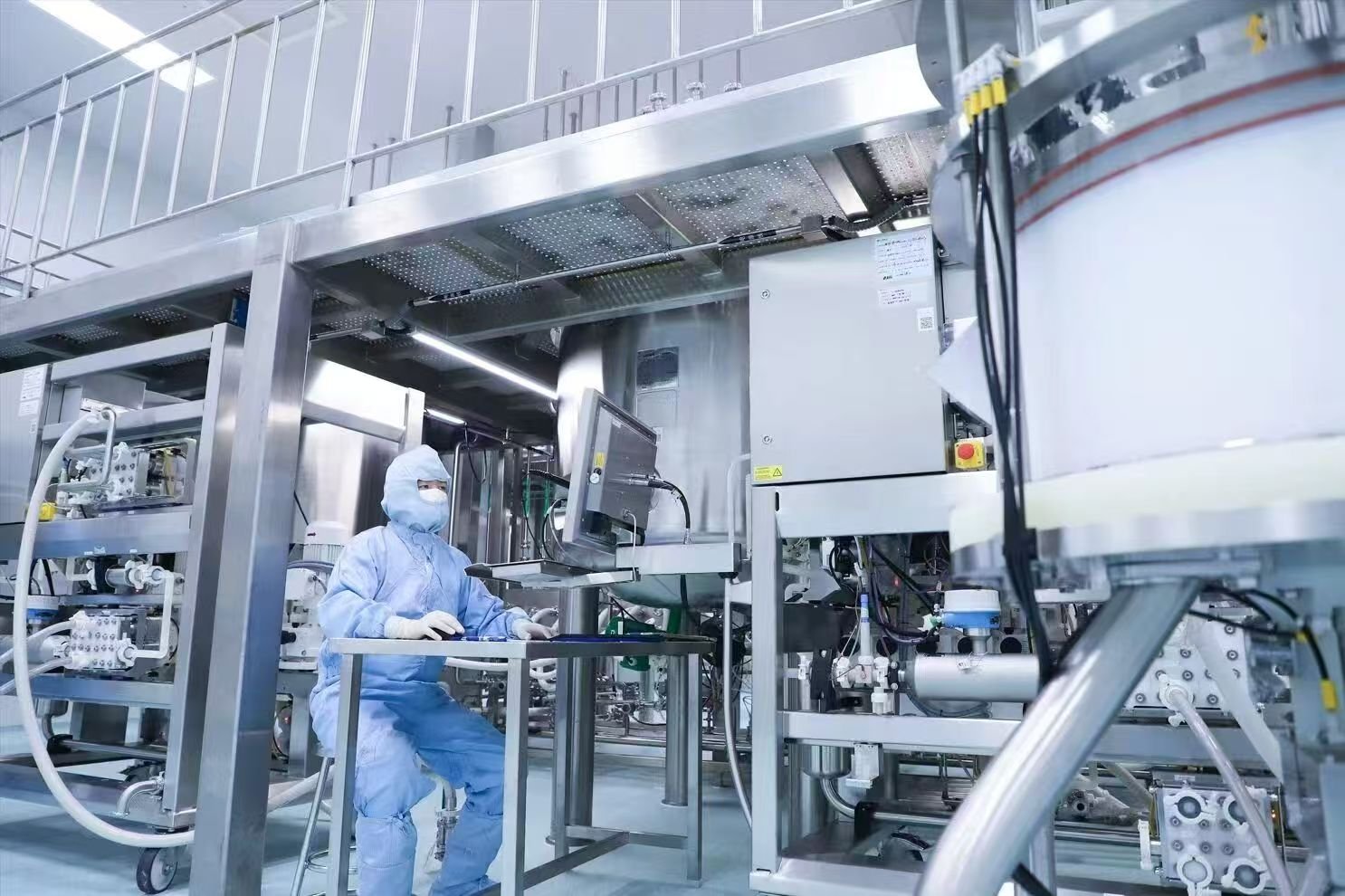
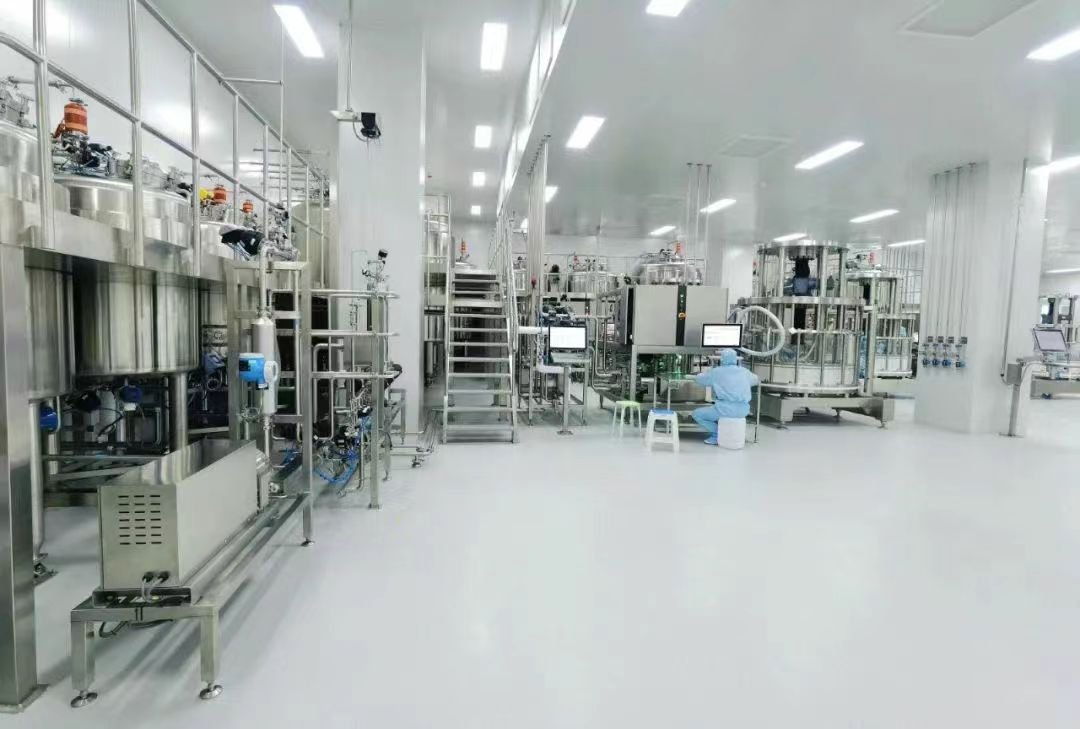
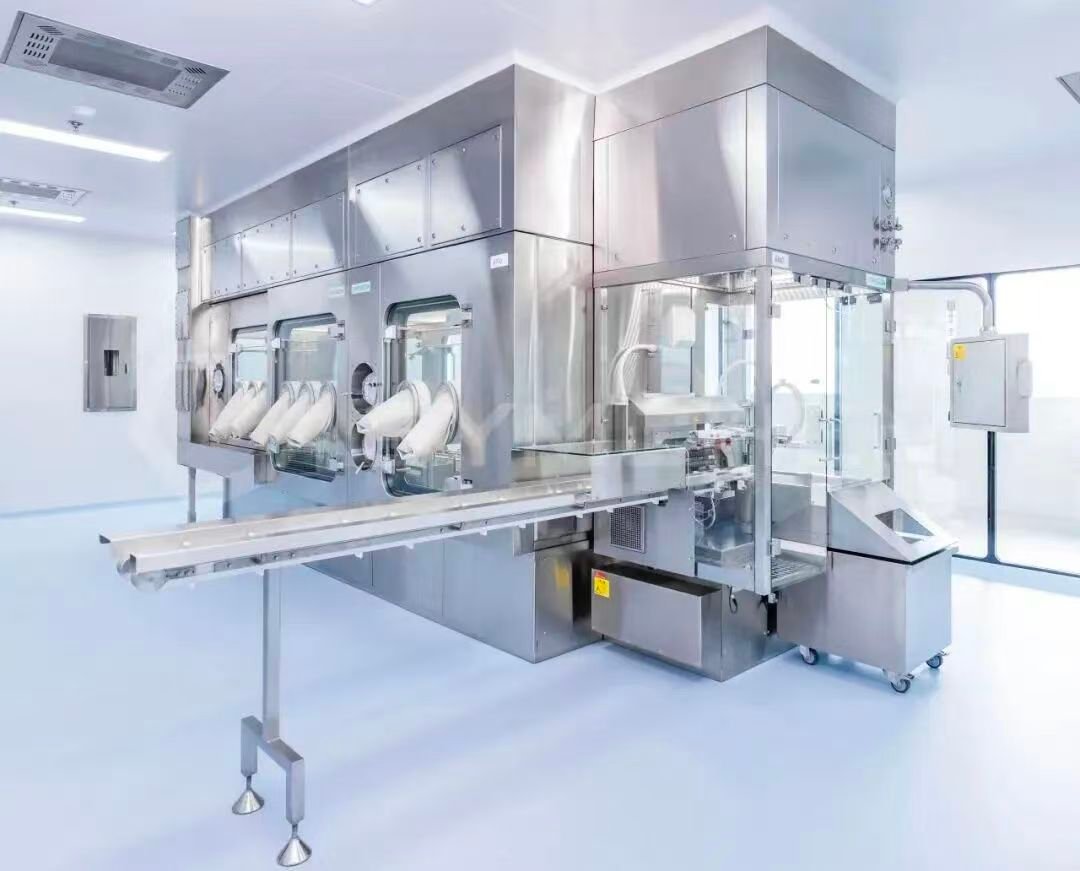
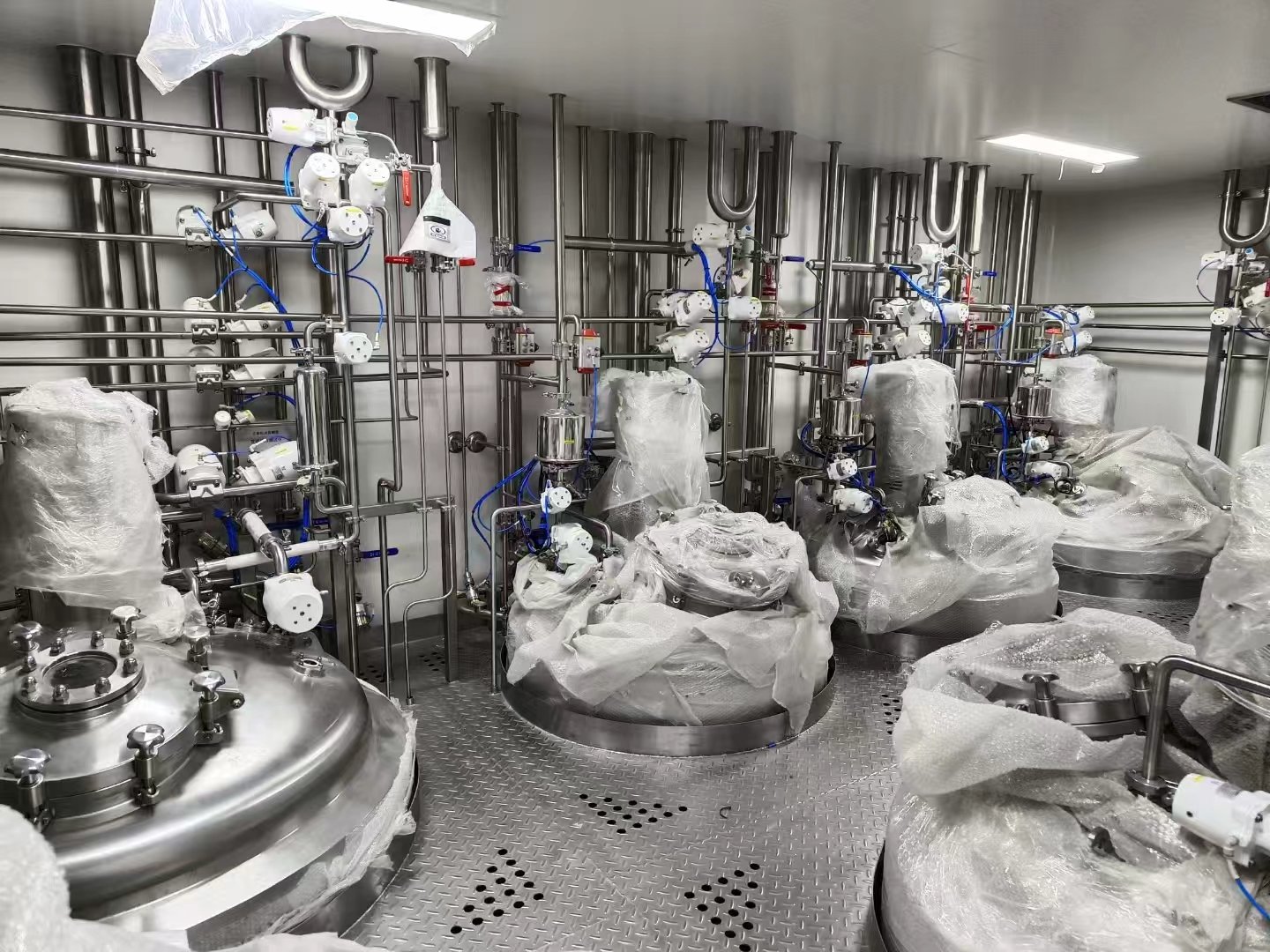
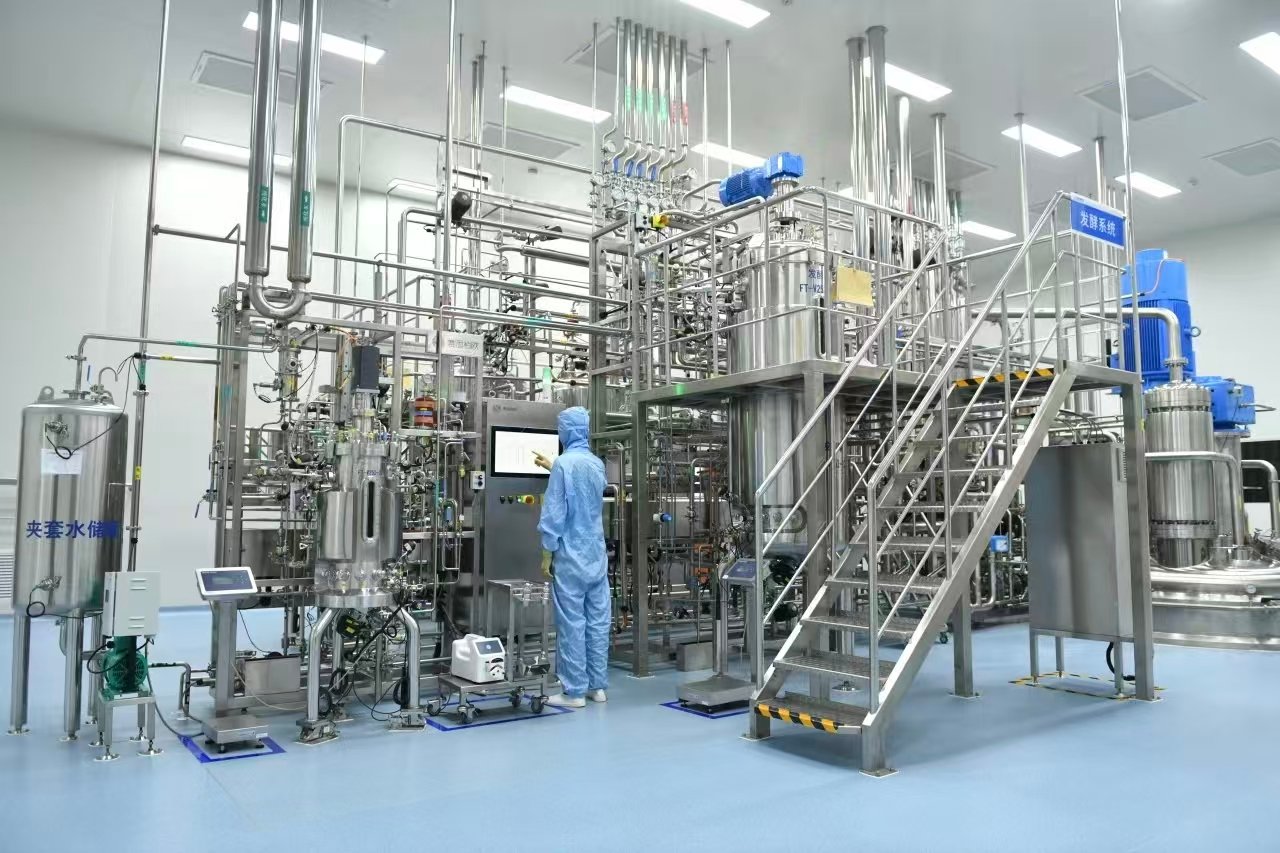
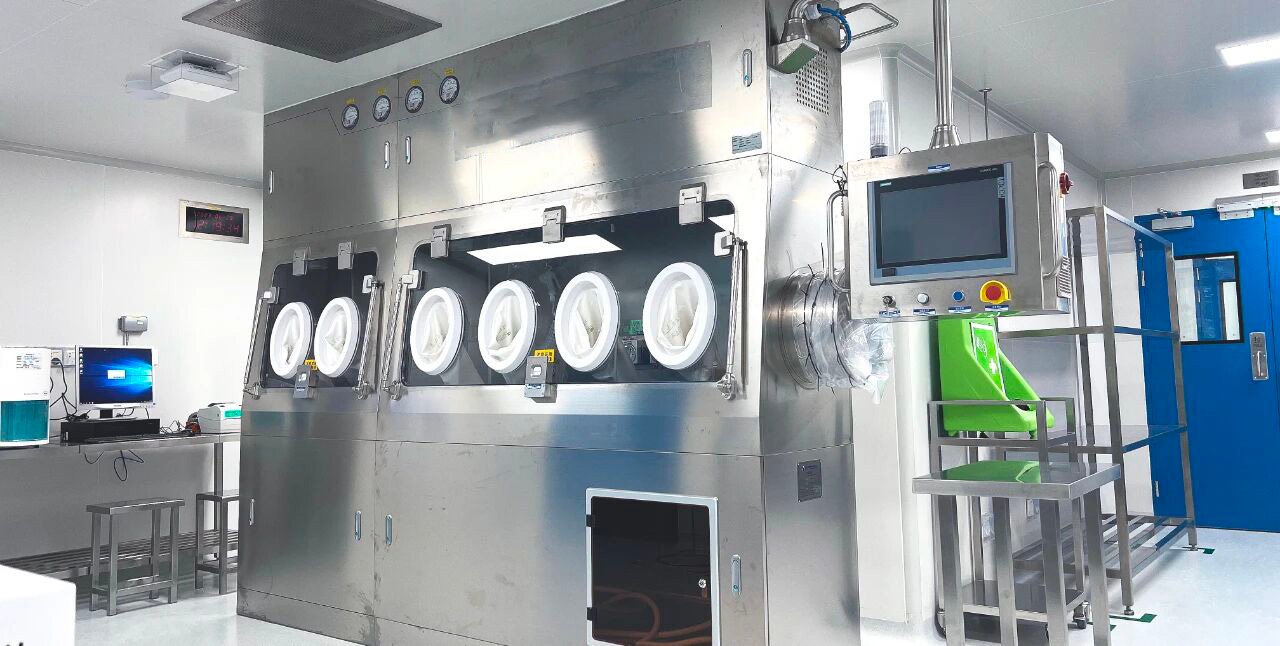
This is a biotherapeutic project focusing on the production of peptides. It covers the entire production process from raw material preparation, peptide synthesis, purification, desalination to formulation, filling, and packaging. The project is equipped with a GMP-compliant production system that meets the strict guidelines of the FDA and EMA, integrating state-of-the-art professional cleanrooms, specialized peptide synthesis equipment and high-efficiency separation and purification equipment to ensure product quality, purity and regulatory compliance.
Key Challenges: During the project implementation, the main challenges we encountered were focused on the construction and production operation for large-scale peptide production, specifically in the following four aspects:
1. Too many process steps: Peptide production involves numerous interrelated and complex process steps, including raw material pretreatment, solid-phase or liquid-phase synthesis, multiple rounds of purification, desalination, lyophilization, and quality inspection. Each step has strict technical requirements, and the coordination and connection between processes are difficult, which increases the complexity of project implementation and the risk of process errors.
2. Long construction period: Due to the large number of process steps, the corresponding production equipment, cleanroom layout and auxiliary facilities need to be comprehensively constructed and debugged. In addition, the high precision requirements of peptide production equipment require a long period of installation, commissioning and verification, resulting in an overall long project construction period.
3. Tight budget: The project involves a large number of professional equipment (such as peptide synthesizers, high-performance liquid chromatography systems) and high-standard cleanroom renovation, which requires substantial investment. The tight project budget puts forward higher requirements for cost control, and it is difficult to balance the quality of equipment and facilities with the budget limit.
4. Insufficient supporting utility systems: Peptide production has strict requirements for utility systems such as power supply, pure water, process gas, and temperature and humidity control. The existing or supporting utility systems are insufficient to meet the stable operation needs of peptide production equipment and process conditions, requiring additional transformation and upgrading of utility systems, which increases the difficulty and cost of the project.
Targeted Solutions: To effectively address the above challenges, we customized targeted and feasible solutions to ensure the project’s smooth progress, stable quality, and full compliance with regulatory requirements:
1. Process optimization and integration: We carried out in-depth analysis of the peptide production process, optimized and integrated redundant process steps, adopted modular process design, and pre-integrated key process units (synthesis, purification, lyophilization) in advance. We also formulated detailed process operation specifications and conducted pre-commissioning tests to improve process coordination and efficiency, reduce process errors, and simplify the implementation difficulty.
2. Efficient construction schedule management: We decomposed the project into multiple key nodes, formulated a scientific and detailed construction schedule, adopted parallel construction of key processes and off-site prefabrication of auxiliary components (such as cleanroom modules, equipment brackets), optimized the sequence of equipment installation and commissioning, and strengthened on-site supervision and coordination to shorten the overall construction period while ensuring construction quality.
3. Scientific budget control: We conducted a detailed cost analysis of the project, optimized the selection of equipment and materials, selected cost-effective and high-quality professional equipment, and avoided unnecessary investment in non-core links. We also established a dynamic budget monitoring mechanism to track and control project expenses in real time, ensuring that the project is completed within the budget while meeting production and regulatory requirements.
4. Utility system upgrading and matching: We conducted in-depth investigation and analysis of the existing utility systems, designed a targeted utility system upgrading plan, supplemented and upgraded insufficient utility facilities (such as expanding pure water production capacity, optimizing power supply stability, and improving temperature and humidity control systems), and integrated the utility system with the production process to ensure that it can stably meet the operational needs of peptide production equipment and process conditions.
As a leading process-oriented engineering company, Sino Bioengineering delivers professional bioengineering solutions and comprehensive technical services to clients worldwide.
For more products and solutions: https://sinobioengg.com/category/solution/
For more service: https://sinobioengg.com/category/service/