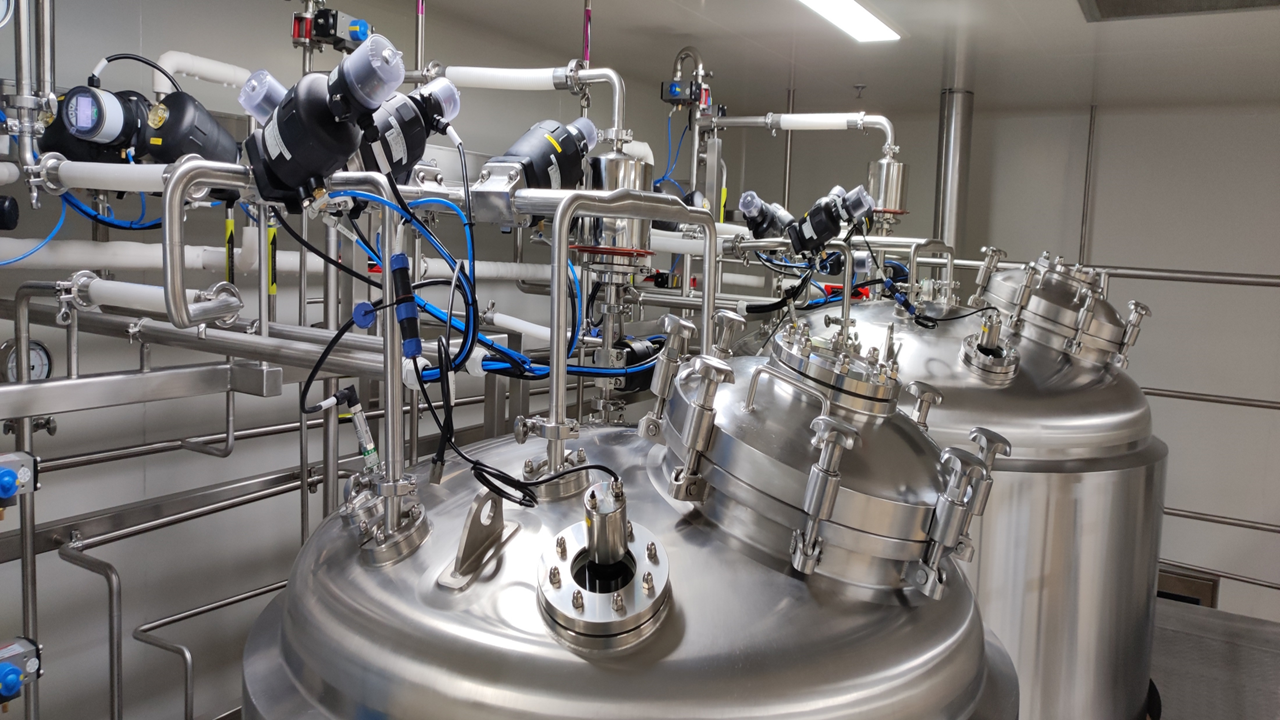
Vaccines are the most cost-effective and efficient tools for the prevention and control of infectious diseases. Vaccination is a routine approach that induces protective immune responses in the body to combat human and animal diseases. Evolving from the classical Pasteur’s principle — pathogen isolation, inactivation and inoculation — modern vaccine technologies integrate genetic engineering, immunology, structural biology, reverse vaccinology and systems biology. They are now expanding into the fields of cancer, autoimmune disorders and other chronic diseases.
Confronted with emerging, complex, unexpected and highly variable pathogens, traditional vaccinology can no longer meet current demands. Vaccines against major infectious diseases such as HIV, Mycobacterium tuberculosis and malaria parasites remain undeveloped. Novel vaccine technologies have become powerful weapons to address global public health challenges ahead. This article systematically reviews the production processes of mainstream next-generation vaccines for reference only.
Recombinant Protein Vaccines
Recombinant protein vaccine is an innovative vaccine platform based on genetic engineering. The gene encoding a specific pathogen protein is cloned into an expression vector, and target proteins are produced via large-scale cell culture and subsequent purification to formulate high-purity protein vaccines. Compared with traditional inactivated and live attenuated vaccines, recombinant protein vaccines feature superior safety, good stability and convenient large-scale production, making them a major research hotspot in the vaccine industry.
The core production workflow is as follows:
Gene Cloning: Insert the gene of the target pathogen protein into an expression vector to construct recombinant expression plasmids.
Cell Culture: Transfect host cells with recombinant vectors to achieve high-yield expression of recombinant proteins through large-scale cultivation.
Protein Purification: Isolate and purify recombinant proteins from cell culture supernatants using centrifugation, chromatography, electrophoresis and other techniques to obtain high-purity target proteins.
Vaccine Formulation: Mix purified recombinant proteins with appropriate adjuvants to produce final vaccine products.
The manufacturing of recombinant protein vaccines requires sophisticated technical expertise and specialized equipment. Nevertheless, their excellent safety and stability enable effective prevention of multiple infectious diseases, including hepatitis B, influenza and HIV.
Virus-Like Particle (VLP) Vaccines
VLP vaccine is an advanced vaccine technology developed via genetic engineering. Viral envelope proteins are expressed to assemble into virus-like particles (VLPs). Morphologically and structurally identical to native viruses yet devoid of viral nucleic acids, VLPs pose no risk of pathogenic infection. With high safety and strong immunogenicity, VLP vaccines are widely applied for the prevention of infectious diseases such as hepatitis B and human papillomavirus (HPV) infection.
Production Process of VLP Vaccines
Gene Cloning: Amplify the target viral envelope protein gene by PCR and insert it into an expression vector.
Cell Culture: Transfect host cells with constructed vectors to express envelope proteins and assemble VLPs. Common expression hosts include yeast, insect cells and mammalian cells.
Isolation and Purification: Remove cell debris and miscellaneous proteins from culture broth via centrifugation and filtration, followed by polishing using ultracentrifugation, column chromatography and electrophoresis.
Final Formulation: Subject purified VLPs to inactivation and further processing such as lyophilization or suspension preparation to obtain finished vaccines.
When expressed monomeric or polymeric proteins self-assemble into hollow particles mimicking native viruses, the resultant products are defined as VLPs. HPV vaccines are typical representatives of this type.
Yeast expression systems are widely adopted for VLP production at present. Since target proteins are expressed intracellularly, yeast cells are harvested and disrupted after fermentation. Cell debris is removed via clarification filtration, and target proteins are captured using Mustang membrane chromatography, which delivers a wide flow rate range and sharp elution peaks. After further polishing, ultrafiltration and buffer exchange, the intermediates proceed to formulation and filling.
Polysaccharide and Conjugate Vaccines
Traditional bacterial polysaccharide vaccines exhibit limited immunogenicity in infants. To enhance immune efficacy, polysaccharide conjugate vaccines are developed by chemically coupling carrier proteins with bacterial polysaccharides, which effectively improve immune responses in young children.
In the upstream process, bacteria are cultured and harvested, followed by inactivation and detoxification. Depth filtration is applied to ensure bioprocess safety. Ultrafiltration is used for volume reduction and removal of small molecular impurities, while clarification filtration eliminates macromolecules and particulate contaminants. Repeated ultrafiltration and clarification are performed to obtain purified bacterial polysaccharides, which can be directly formulated into plain polysaccharide vaccines.
For conjugate vaccines, a chemical conjugation step is implemented to link carrier proteins to polysaccharides. Free polysaccharides and uncoupled proteins generated during the reaction are removed by ultrafiltration and chromatography. Single-use mixing and filling systems are deployed in the final formulation stage to improve batch changeover efficiency and prevent cross-contamination between different serotypes.
Given the chemical cross-linking nature of conjugate vaccines, molecular integrity monitoring is mandatory. Analytical Ultracentrifugation (AUC) from Beckman Coulter has become a gold-standard technique for assessing molecular integrity and aggregates. It enables molecular weight distribution analysis of large glycoconjugates composed of proteins and bacterial polysaccharides, so as to evaluate the overall integrity of conjugate vaccines.
Viral vector vaccines employ attenuated viral strains or non-replicating viruses as delivery vehicles to deliver antigen-encoding genes into host cells and elicit specific immune responses. A variety of viruses have been developed as vaccine vectors, including adenovirus, lentivirus, vesicular stomatitis virus, herpesvirus, measles virus and modified vaccinia virus Ankara (MVA).
Viral vectors can carry foreign antigen genes and accommodate large gene inserts stably. Antigens synthesized and modified in host cells can target specific cell populations, making this platform versatile for broad vaccine development.
For instance, CanSino Biologics’ Ad5-nCoV COVID-19 vaccine is constructed by inserting the gene encoding SARS-CoV-2 spike (S) protein into the adenovirus genome. The viral capsid remains intact, while the recombinant adenovirus carries the S protein gene. Upon infecting host cells, the vector releases the target gene, which directs intracellular synthesis of S protein and triggers robust immune responses.
Inactivated vaccines are manufactured by culturing pathogens and eliminating their infectivity via physical or chemical treatments, while retaining antigenicity. Compared with live attenuated and genetically engineered vaccines, inactivated vaccines feature short R&D cycles, mature manufacturing processes, non-pathogenicity and high safety. They mainly induce humoral immunity with relatively weak cellular immunity, and multiple booster doses are generally required to establish protective immunity.
Licensed inactivated vaccines in China include inactivated poliovirus vaccine, Japanese encephalitis vaccine, diphtheria-tetanus-pertussis (DTP) vaccine, influenza vaccine, rabies vaccine, as well as COVID-19 inactivated vaccines developed by Sinopharm and Sinovac. The inactivated vaccine platform boasts high safety and rapid response capabilities against emerging pathogens.
Standard Production Process
Pathogen Cultivation: Viruses, bacteria or other microorganisms are cultured and amplified in dedicated culture media.
Inactivation: Propagated pathogens are inactivated by chemical reagents, heat or radiation. The inactivation process eliminates infectivity while preserving antigenicity to trigger immune reactions.
Extraction and Purification: Inactivated pathogens are processed through multiple steps including centrifugation, filtration, precipitation and washing to remove impurities and improve vaccine purity.
Formulation and Packaging: Purified antigens are blended with excipients such as preservatives, stabilizers and buffers. The final vaccine bulk is then filled into designated containers for storage and distribution.
Quality Control: Finished vaccines undergo comprehensive testing covering physicochemical properties, microbiological assays and animal studies. Only qualified products are approved for clinical use.
The production of inactivated vaccines is a sophisticated process with strict control over every step to ensure safety and efficacy.
DNA vaccines are constructed by inserting eukaryotic expression cassettes encoding target antigens into bacterial plasmids. Antigen expression is driven by potent eukaryotic promoters after administration. DNA vaccines can induce both humoral and cellular immunity with long-lasting immune effects. They feature simple production procedures and easy scale-up, yet have limitations including moderate immunogenicity, low delivery and expression efficiency, as well as potential risks of foreign gene integration into the host genome leading to mutation or tumorigenesis.
Multiple DNA vaccine candidates have entered clinical trials, targeting MERS, Zika, HIV, Ebola, dengue, cervical cancer, B-cell lymphoma and COVID-19. INO4800, a COVID-19 DNA vaccine encoding the full-length SARS-CoV-2 S protein, demonstrated no severe adverse reactions and potent humoral and cellular immune responses in Phase I trials. Further technological improvements are needed to enhance immunogenicity, optimize delivery systems and reduce required doses.
Production Process of DNA Vaccines
Plasmid and Master/Working Cell Bank Establishment: Native plasmids are not suitable for direct application. Well-characterized plasmid banks and tiered cell banks are established to support stable large-scale production of plasmid DNA.
Fermentation of Engineered Bacteria: High-density fermentation of host strains is critical for high plasmid yield, requiring optimized culture protocols to obtain qualified biomass.
Cell Lysis: Dedicated lysis reagents and optimized protocols are adopted for large-scale production. Conventional laboratory methods such as ultrasonication and high-pressure homogenization are not applicable. The reaction system is maintained mild and stable, with lysis duration controlled within 5 minutes, pH kept at 12.0–12.5, and gentle agitation for homogeneous reaction.
Plasmid Harvest & Clarification: Cell lysate is clarified by centrifugation and filtration to remove cell debris, intact cells, colloids and large aggregates, reducing the burden of downstream purification. Multi-stage clarification is often applied for graded removal of different particulate impurities.
Primary Purification: Residual host proteins and process impurities are removed via ultrafiltration. Ultrafiltration membranes with appropriate molecular weight cut-offs are selected based on impurity removal rate and plasmid recovery. Filtration components are validated for chemical and mechanical stability, fouling resistance and scalability prior to formal production.
High-Level Polishing Purification: Combined chromatographic techniques (e.g., gel filtration chromatography) or density gradient centrifugation are used for final polishing under well-controlled conductivity, UV absorbance, salt concentration and pH. All purification steps are fully validated for impurity removal efficiency and product recovery. Strict contamination control and microbial limit testing are implemented throughout the process, with batch-based specification criteria established.
Concentration, Formulation, Sterile Filtration and Filling: Hollow fiber or flat sheet membrane cassettes are used for ultrafiltration concentration. The bulk solution is subjected to sterile filtration, formulation and filling. A comprehensive quality control system covering cell banks, fermentation broth, bulk plasmid and finished products, as well as toxicity evaluation, is essential for DNA vaccine manufacturing.
The development of mRNA vaccines starts with identifying target antigens of pathogens. The corresponding gene sequences are synthesized and cloned into DNA template plasmids, followed by in vitro transcription to generate mRNA for immunization. Current mRNA vaccines are categorized into non-replicating mRNA and self-amplifying mRNA (SAM).
mRNA vaccines elicit immune responses comparable to live attenuated vaccines, with no risk of genomic integration or infection. They offer stable antigen expression, simple chemical synthesis, low production costs and easy large-scale manufacturing. Self-amplifying mRNA, derived from alphavirus genomes with complete RNA replication machinery, is a major research focus.
Production Process (Taking SARS-CoV-2 mRNA Vaccine as an Example)
DNA Template Preparation: Design and construct plasmids carrying the S protein gene sequence, then amplify the plasmids via E. coli fermentation.
mRNA Bulk Production: Purified plasmids are linearized. In vitro transcription (IVT) is performed under the control of T7 phage promoter to generate mRNA with 5’ capping structure. A series of purification and sterile processing steps follow to eliminate residual enzymes, free nucleotides, template DNA, exogenous RNA, double-stranded RNA and other immunogenic contaminants, complying with GMP requirements. For Moderna’s mRNA vaccine, uridine is replaced with pseudouridine to reduce intrinsic reactogenicity.
Lipid Nanoparticle (LNP) Encapsulation: Prepare delivery systems such as lipid or polymeric nanoparticles. Purified mRNA is encapsulated into LNPs via proprietary processes. The mRNA-LNP complexes are concentrated, buffer-exchanged and sterile-filtered. Final drug substances are usually stored frozen before formulation and filling, and lyophilization is adopted in certain production workflows.