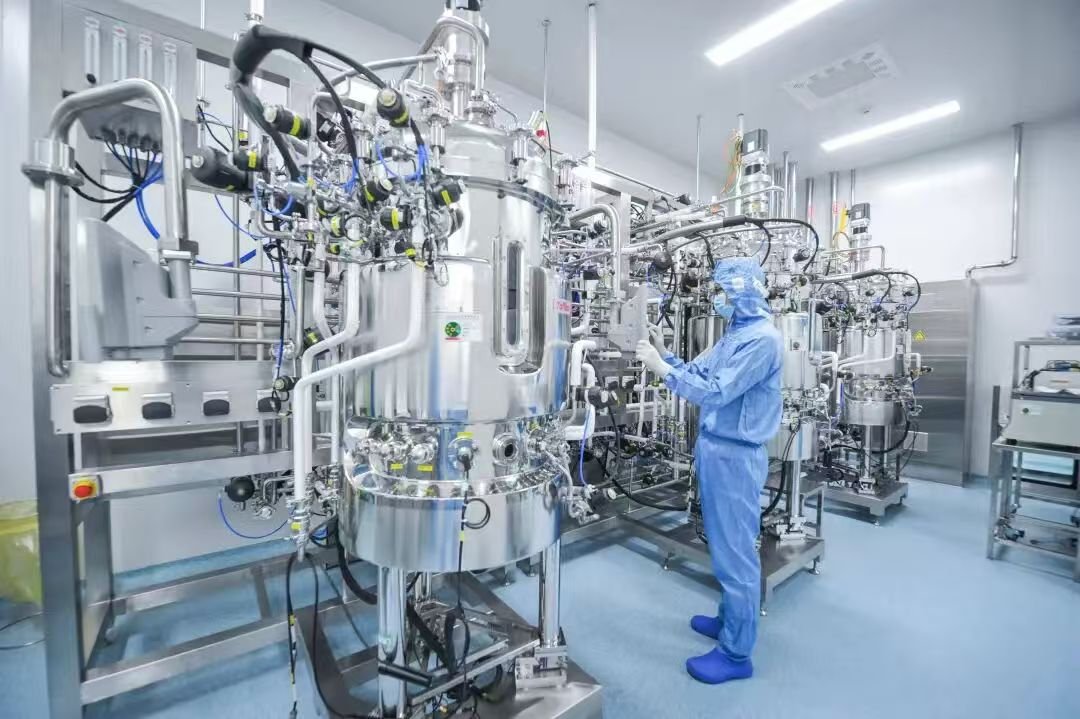
Escherichia coli is one of the longest-established and most widely used host systems for the expression of recombinant therapeutic proteins. To date, over 25% of recombinant biopharmaceuticals are produced in E. coli. Its well-characterized genetics, thoroughly studied physiology, extensive toolkit of expression vectors, combined with low cultivation costs, short fermentation cycles and high recombinant protein yields, make it an ideal host for both fundamental research and industrial manufacturing.
Overexpression of recombinant proteins in E. coli commonly leads to the formation of inclusion bodies (IBs). While production of recombinant biopharmaceuticals as inclusion bodies rather than soluble proteins offers multiple advantages — including high productivity (inclusion body yields exceeding 20 grams per liter of culture broth), elevated purity (total target protein content up to 95%), superior mechanical and thermal stability, reduced susceptibility to proteolysis, and easy isolation due to distinct size and density compared with host cell proteins — inclusion bodies require refolding to restore the native protein conformation. Subsequent purification steps are then performed to obtain bioactive, purified bioproducts. Despite substantial advances in developing mild solubilization and refolding protocols for bacterial inclusion bodies over the years, the industrial implementation of such strategies still requires comprehensive consideration of multiple factors. This article briefly outlines the development roadmap for industrial-scale inclusion body refolding processes.
Early-stage process development for new products is largely empirical. In most cases, only the protein sequence is available, alongside research data verifying the therapeutic potential of the target molecule. Purification processes developed to generate materials for preclinical studies are typically operated at small scales, and the output from lab-scale workflows is insufficient to meet commercial demands. Therefore, further process optimization and scale-up are indispensable. Time and cost are core considerations for industrial process development. Platform processes, scale-down models and computer-aided modeling are widely adopted to accelerate development timelines. The overarching goal is to establish robust, reliable manufacturing processes.
Initial Screening and Optimization of Refolding Buffers
Buffer condition screening is the first step to achieve effective solubilization and refolding of inclusion bodies. Optimal buffer formulations are highly protein-specific, and conventional trial-and-error approaches are often time-consuming and labor-intensive. Accordingly, high-throughput development platforms have been adopted to streamline this workflow.
Design of Experiments (DOE) is commonly applied for automated buffer screening in small-volume systems (< 2 mL). The primary objectives are to achieve high refolding yields and high protein concentrations within a reasonable process duration (< 12 hours), while minimizing buffer components to lower economic costs and environmental impact. Process re-optimization is generally required if the refolding yield falls below 50% or the final protein concentration under refolding conditions is lower than 0.5 g/L. Since refolding buffer compositions cannot be reliably predicted and must be customized for each target protein to facilitate native folding, DOE has proven effective in improving yields of difficult-to-refold proteins. For instance, intrinsic fluorescence, zeta potential measurement and reversed-phase high-performance liquid chromatography (RP-HPLC) are used to characterize the refolding kinetics of model antibody fragments. Based on primary DOE results, follow-up refined DOE tests are conducted to fine-tune local chemical microenvironments — including dilution ratio, redox pairs and pH — which can significantly enhance the refolding efficiency of antibody fragments.
After identifying the optimal solubilization and refolding buffer systems, further validation and optimization are carried out on bench-scale equipment. Traditional process development follows a sequential approach, where the optimal parameters of one unit operation (e.g., solubilization) serve as the input for the next step (e.g., refolding), which in turn feeds into downstream chromatographic capture. However, this method fails to account for interactions between distantly connected process steps. Integrated process modeling and machine learning can address this limitation. Combining process modeling with high-throughput technologies to integrate solubilization, refolding and capture chromatography delivers higher overall yields compared with conventional sequential workflows.
Furthermore, DOE is utilized to screen critical scale-up parameters in parallel bench-scale bioreactors, followed by statistical data analysis to define robust refolding conditions and kinetic profiles.
Protein refolding performance is affected by a wide range of factors, including pH, temperature, buffer composition, redox systems, divalent ions and additives. Inherent properties of the target protein also play a decisive role. Protein amino acid sequence is known to influence refolding behavior, though its underlying mechanisms are rarely fully elucidated during routine process development due to time and resource constraints. The number and pairing status of cysteine residues can act as a preliminary indicator for process design. Combined analysis of protein hydrophobicity profiles and machine learning also provides valuable supporting data for process development.
Additional manufacturability-related factors also need evaluation prior to risk-based process implementation, such as agitation speed, process duration, vessel dimensions and geometry, as well as refolding modes including batch operation, fed-batch operation and reverse dilution.
Industrial refolding processes are preferably operated at high protein concentrations to improve productivity. Nevertheless, elevated protein concentration accelerates molecular aggregation and reduces overall yields. Since protein refolding competes with aggregation kinetically, reducing the feeding rate of denatured protein and maintaining turbulent flow at the interface between denatured protein solution and refolding buffer can effectively mitigate aggregate formation. Multiple mixing strategies are available for combining solubilized protein and refolding buffer.
Batch refolding: Denatured protein is added to refolding buffer in a single batch. This method is widely used in early-stage exploratory experiments but requires subsequent optimization to reduce shear stress and adapt to production-scale pumping systems.
Fed-batch refolding: Denatured protein is added intermittently or continuously over an extended period, effectively boosting volumetric productivity (g/L/h).
Reverse dilution: Refolding buffer is introduced into a vessel pre-loaded with denatured protein solution. The gradual change in solution conditions helps suppress protein aggregation, making this approach well-suited for large-scale manufacturing.
Strong chaotropic conditions alter the kinetics of both refolding and aggregation, with aggregation being more profoundly affected. Therefore, denaturant concentration must be carefully balanced: sufficiently low to maintain protein flexibility and enable proper folding, yet high enough to prevent aggregation. Optimized redox pairs are also essential to ensure correct protein refolding, and the stability of redox components from buffer preparation to end use must be thoroughly tested. In addition, headspace oxygen inside the vessel significantly impacts refolding outcomes.
Process Scale-Up and Implementation
Multiple established strategies are applied for refolding process scale-up, focusing on maintaining consistent key engineering parameters across scales, including Reynolds number (Re), mixing time, power input and volumetric oxygen transfer coefficient (kLa). These equipment-dependent parameters are characterized via bench-scale testing for mixing time and kLa, or analyzed using computational fluid dynamics (CFD). Variations in vessel geometry (height-to-diameter ratio) and agitation configurations across different scales complicate the selection of appropriate scale-up criteria.
The presence or absence of disulfide bonds in the target protein provides key guidance for scale-up strategy selection. For proteins without cysteine residues (and thus no disulfide bonds), dissolved oxygen and redox balance exert only minor influences on refolding. In such cases, scale-up can be performed by maintaining constant power input or mixing time. However, cysteine residues are prevalent in therapeutic proteins. For proteins with paired cysteines, laboratory-scale experiments are required to quantify the oxygen dependency of the refolding process, which also correlates with the selected redox system. A simple experimental approach involves sparging the refolding system with oxygen or nitrogen to adjust dissolved oxygen levels. The optimal redox pair is determined when reaction kinetics and total process yield reach plateaus. If aeration improves overall process performance, the buffer system can be further optimized to achieve cost-effective production.
Process temperature affects final yields, reaction kinetics and stability of the refolding pool, and its effects vary with protein characteristics and manufacturing technologies. For antibody fragments, refolding remains stable within the temperature range of 15–30 °C, while the formation of inter-domain disulfide bonds is highly temperature-dependent. Temperature regulation has proven effective in reducing protein aggregation and is therefore adopted as a critical adjustable variable in process development.
Prior to full-scale commercial deployment, the developed refolding process is validated at intermediate scales with a typical scale-up factor of 10 to 20, and final operating parameters are confirmed before technology transfer to manufacturing facilities. Most process optimization work should be completed in the early development phase to minimize costs and maximize improvement efficiency. A structured, experience-driven approach is required to address all relevant factors. The Quality by Design (QbD) framework — a holistic, science-based strategy — is strongly recommended for developing robust manufacturing processes.
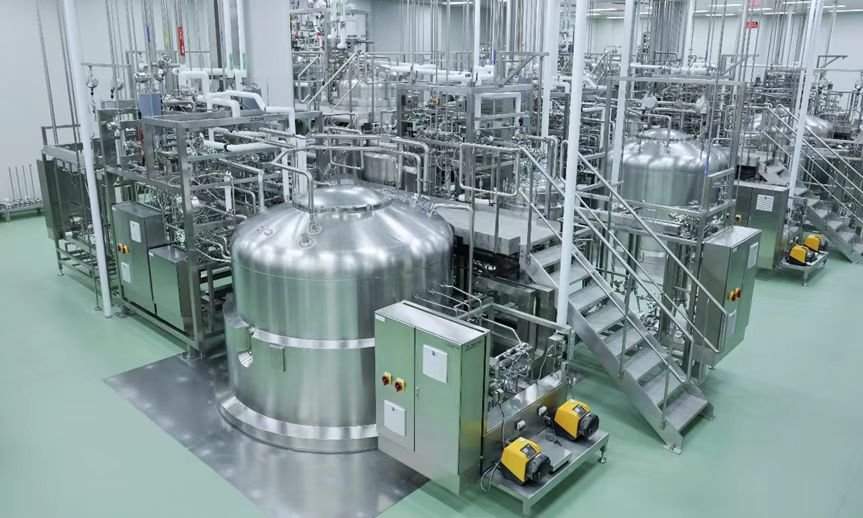
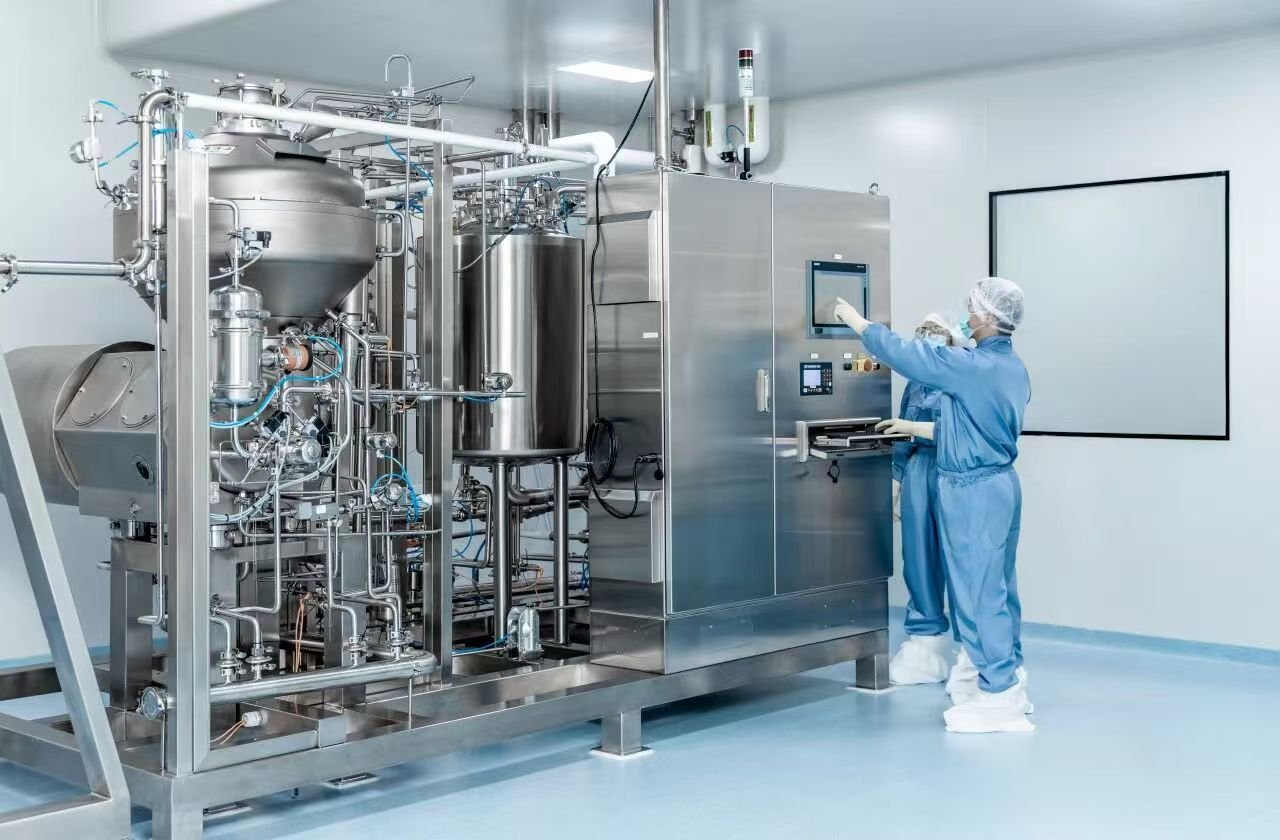
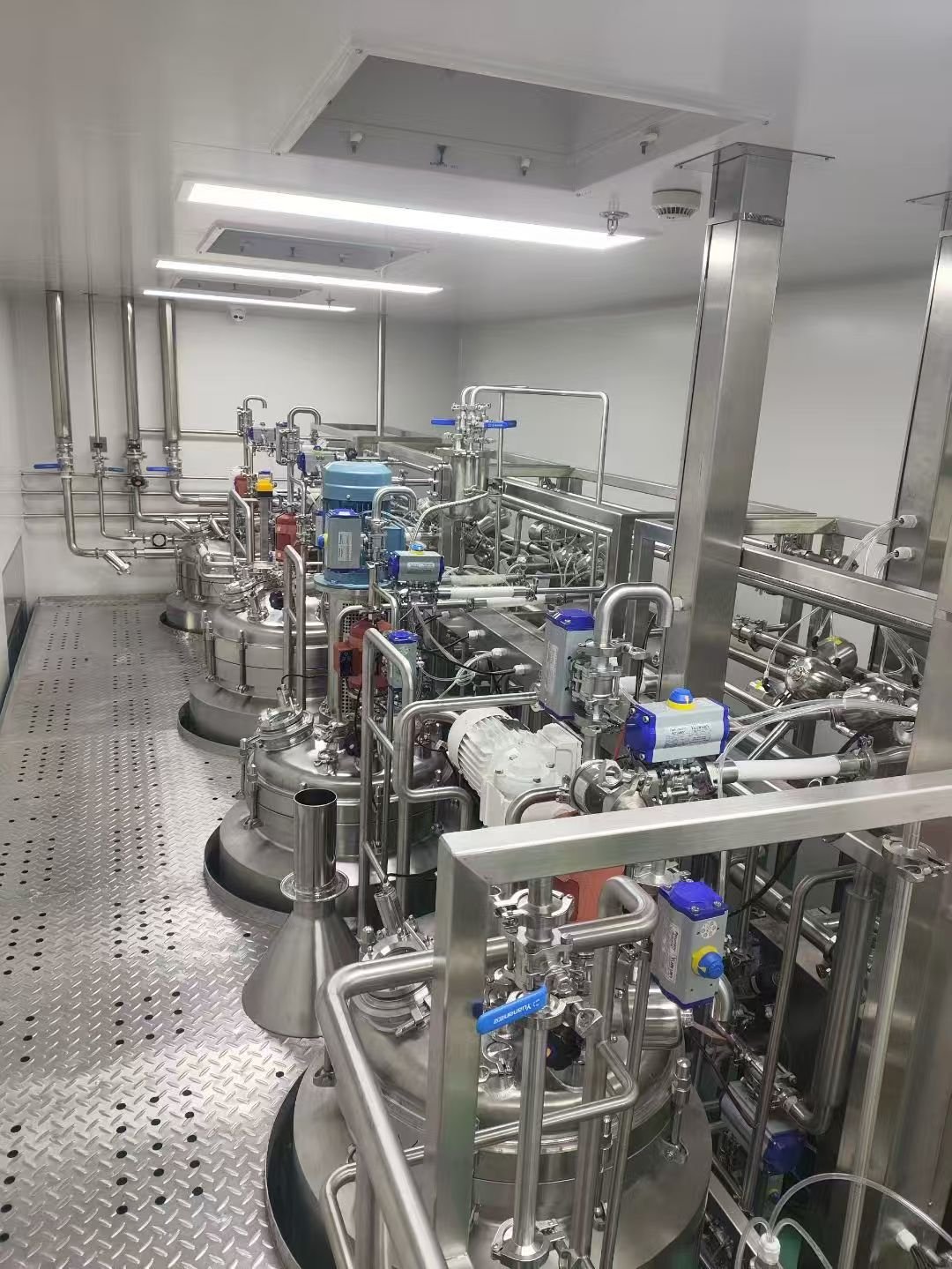
The feasibility of a new process is largely constrained by existing production infrastructure. In general, process parameters are adjusted to adapt to on-site equipment limitations. In some cases, facility retrofits are necessary, such as upgrading piping systems, pumps and mobile intermediate tanks, to establish a stable and rational process layout. Computational modeling and simulation support the design of complex unit operations prior to physical trials or commercial runs. CFD analysis delivers in-depth equipment characterization, revealing mixing behaviors, local kinetic variations, changes in viscosity and density, phase separation and flow profiles inside bioreactors. Transient and steady-state process modeling help define overall process boundaries, including reaction rates, buffer volume requirements, membrane area and flow rates.
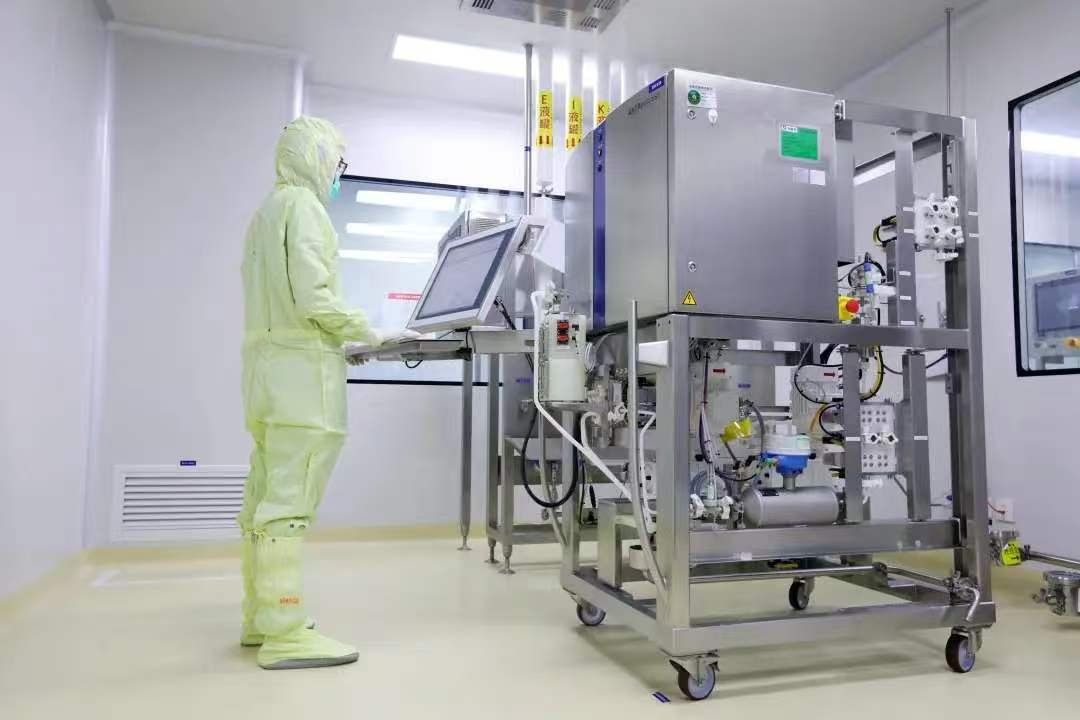
Despite the adoption of systematic development methodologies, protein refolding remains a relatively complex and poorly understood process that still relies heavily on empirical exploration and offline testing, especially in industrial settings. Real-time online measurement, monitoring, modeling and control are critical to avoid deviations in process performance and product quality. Process Analytical Technology (PAT) serves as a powerful tool to monitor and control manufacturing by tracking Critical Process Parameters (CPPs) — parameters proven to affect final product quality during development. Continuous real-time monitoring of predefined CPPs improves data reliability and minimizes batch failures.
Two mainstream PAT approaches are widely implemented:
Soft sensors: Real-time monitoring of measurable parameters such as redox potential, dissolved oxygen and pH.
Spectroscopic techniques: Applied in online, at-line or in-line modes.
Spectroscopic tools have emerged as promising monitoring solutions over the past decades due to rapid detection capability and easy integration into production lines. These techniques can identify changes in protein secondary and tertiary structures, which is essential for evaluating protein stability during manufacturing. For example, differential scanning fluorimetry (DSF) rapidly distinguishes unfolded, misfolded and natively folded protein states. A combination of multiple analytical tools also enables characterization of the interplay between protein structure, stability and biological function. Nevertheless, these technologies have not yet achieved universal applicability for diverse protein variants and complex buffer matrices. Future development will focus on expanding the compatibility of PAT tools with commonly used refolding buffer systems.
Given the vast structural diversity of recombinant therapeutic proteins, the demand for optimized refolding strategies will continue to grow. Meanwhile, continuous advancements in automation and high-throughput screening will reduce reliance on empirical testing. Combined with sophisticated molecular modeling and data management platforms, these technologies will substantially cut resource consumption and development lead time, and facilitate the establishment of more robust, efficient manufacturing processes.
Sino Bioengineering delivers one-stop solutions for the production of recombinant protein biopharmaceuticals based on microbial expression systems. We focus on core process workflows including upstream microbial fermentation, cell disruption and protein extraction, chromatographic purification, as well as ultrafiltration concentration and buffer exchange. All our process systems and consumables support seamless scale-up from laboratory to industrial production scales. Backed by high-quality, reliable products, proven technologies and extensive industry experience, Sino Bioengineering is fully capable of addressing your diverse technical and production requirements.