
1 Upstream Preparation
1.1 High-Density Fermentation and Cell Harvest
1.2 Alkaline Lysis and Plasmid Release
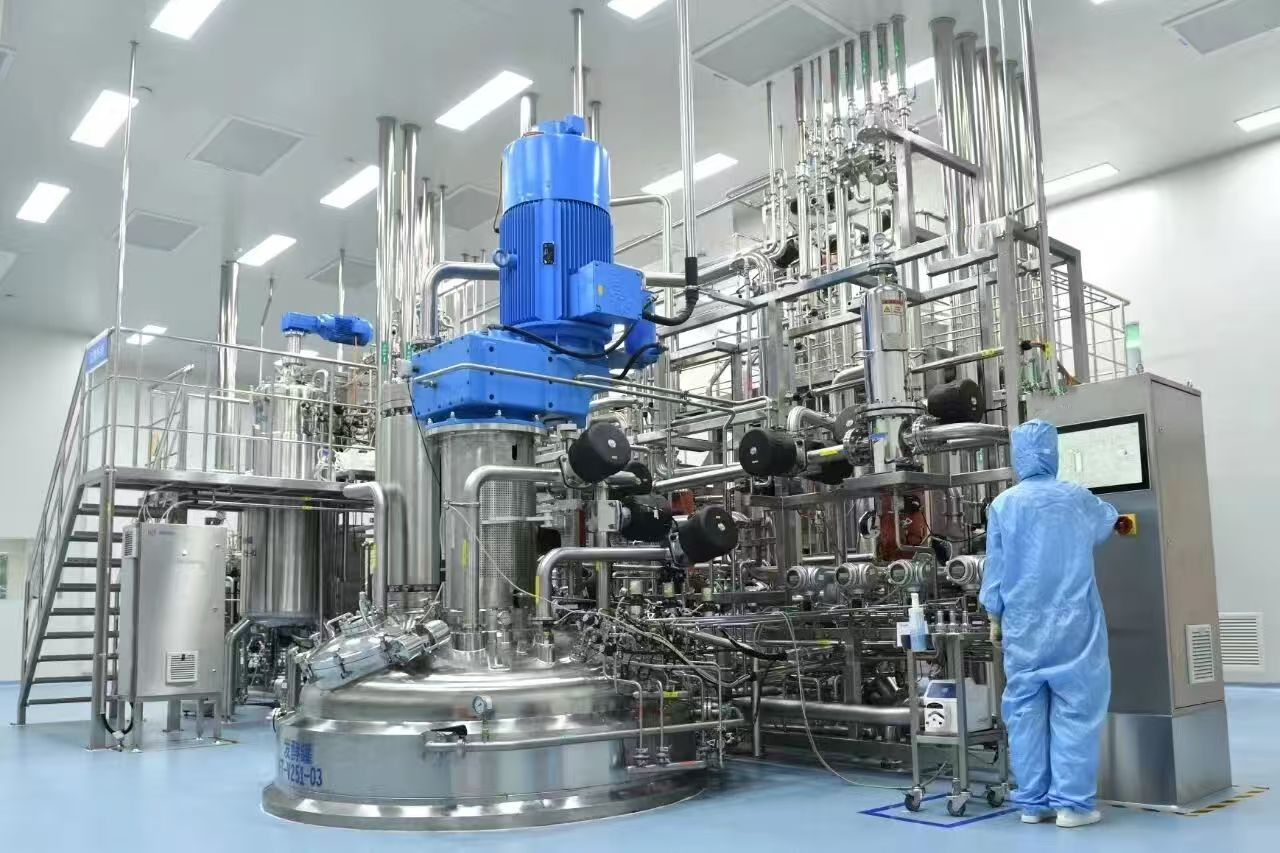
Alkaline lysis is the most widely used cell disruption technology, with its core lying in precise control of pH value and reaction time. The bacterial cell resuspension is mixed with lysis buffer containing 0.2 M NaOH and 1% SDS, followed by gentle stirring for 4–10 minutes to dissolve cell membranes, denature chromosomal DNA and release plasmids.
Key operational points for this step: add lysis buffer slowly and mix gently to avoid irreversible plasmid damage caused by local over-alkalinity or mechanical shearing; strictly control lysis duration to prevent plasmid fragmentation from over-lysis.
1.3 Neutralization and Clarification
1.4 Ultrafiltration Concentration and Buffer Exchange
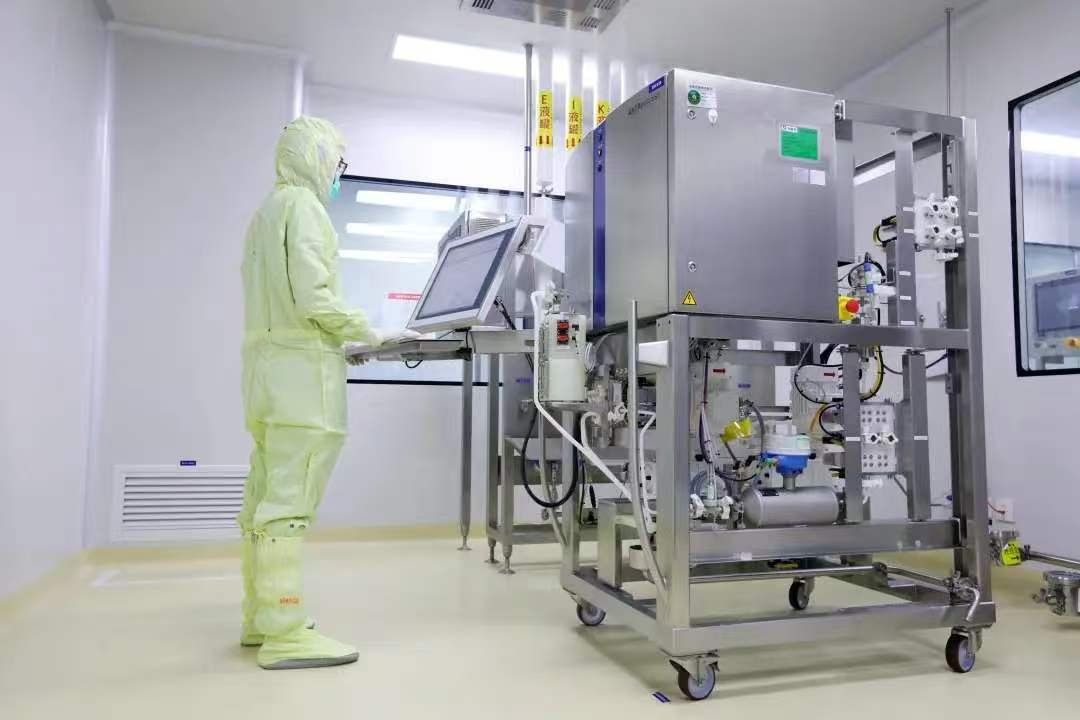
The clarified lysate is subjected to ultrafiltration/diafiltration (UF/DF) for concentration and removal of partial small-molecule impurities, reducing the workload of subsequent chromatographic procedures.
The molecular weight cutoff (MWCO) of membrane cassettes is selected based on plasmid size: a 100 kDa MWCO membrane is recommended for plasmids of approximately 1 kb; a 500 kDa membrane is preferred for plasmids larger than 10 kb to prevent membrane fouling and ensure mass transfer efficiency. It is advisable to determine the optimal membrane pore size through lab-scale trials to balance recovery rate and flux.
2 Three-Step Chromatographic Purification
2.1 Gel Filtration Chromatography: RNA Removal
2.2 Thiophilic Affinity Chromatography: Open-Circular Plasmid Removal
scDNA features a double-stranded covalently closed circular structure, while single-strand breakage during fermentation and lysis relaxes the supercoiled structure to form ocDNA. ocDNA shares highly similar molecular properties with scDNA, differing only in higher base exposure and surface charge density of scDNA.
Thiophilic affinity chromatography leverages the subtle differences in base exposure and surface charge between scDNA and ocDNA. Under specific salt concentrations, scDNA is selectively bound to the medium, while ocDNA and linear DNA flow through or are eluted at varying salt concentrations, yielding high-purity supercoiled plasmid fractions.
2.3 Anion Exchange Chromatography: Endotoxin Removal
Most HCP, RNA, ocDNA and endotoxins have been removed after the first two chromatographic steps. Trace residual endotoxins and HCP can be eliminated via high-resolution anion exchange chromatography media.
With high negative charge density, scDNA remains bound to anion exchange media at relatively high salt concentrations (e.g., 0.4 M NaCl). The electrostatic interaction between endotoxins and anion exchange media is significantly weakened under high-salt conditions, allowing endotoxins to be mostly removed in the flow-through fraction. scDNA is retained on the column and eluted with high-salt buffer to obtain high-purity, low-endotoxin plasmid samples.
3 Alternative Process Workflows
Clarified pDNA solution can also be purified using mixed-mode chromatographic media. During sample loading, pDNA flows through in the void volume, while RNA, HCP, endotoxins and other impurities enter the core region of fillers and bind to the media via electrostatic and hydrophobic interactions for effective removal of RNA and endotoxins. Subsequent plasmid affinity chromatography is applied to eliminate ocDNA.
In addition, hydrophobic chromatography and salting-out methods can be adopted to remove RNA and ocDNA. Compared with the three-step chromatographic platform for plasmid purification, alternative workflows require more extensive optimization of binding and elution conditions.
4 Conclusion
The preparation of supercoiled plasmid DNA is a systematic project covering microbial fermentation, cell disruption, solid-liquid separation and multi-stage chromatographic purification. Only by strictly controlling operational parameters at each process unit and identifying and avoiding potential risk points can high-quality plasmid raw materials stably meet the production requirements of nucleic acid drugs.
With the rapid advancement of gene therapy and mRNA technology, plasmid DNA preparation processes will continue to be iterated and optimized, providing more solid technical support for the biopharmaceutical industry.
As a leading process-oriented engineering company, Sino Bioengineering delivers professional bioengineering solutions and comprehensive technical services to clients worldwide.
For more products and solutions: https://sinobioengg.com/category/solution/
For more service: https://sinobioengg.com/category/service/