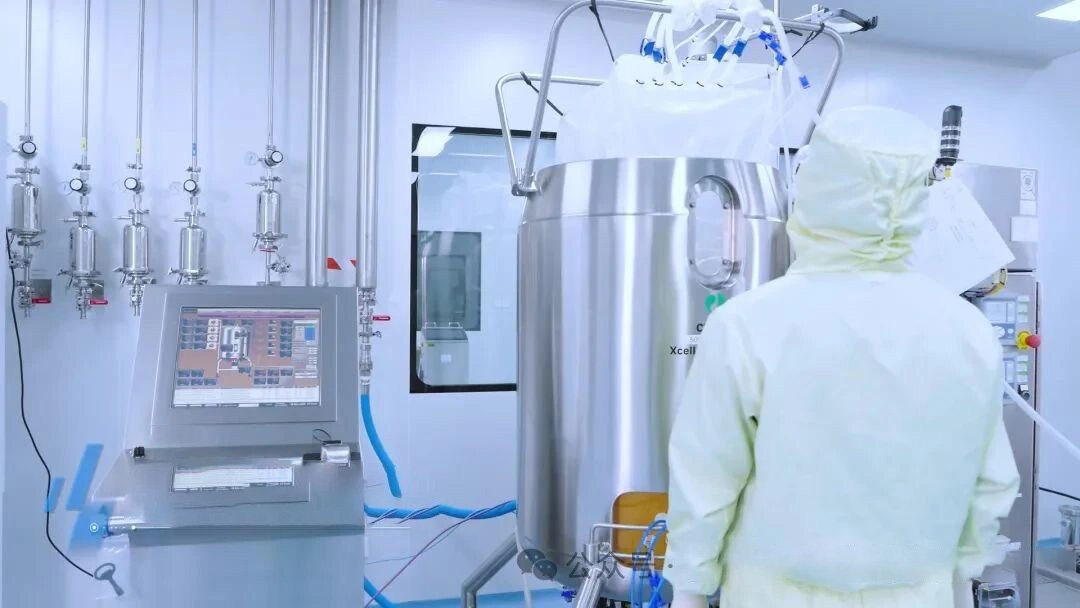
Cell culture medium serves as the fundamental substrate for in vitro cell growth. Its selection directly impacts cell status, experimental reproducibility and the credibility of research results. An optimal medium not only delivers balanced nutrients but also precisely matches cell types, research objectives and culture conditions. This article systematically elaborates on core selection principles, component functions and practical protocols, offering a clear reference for personnel engaged in cell culture.
1. Core Components of Culture Medium and Their Functions
Amino acids act as primary raw materials for protein synthesis, which are divided into essential amino acids and non-essential amino acids. Essential amino acids cannot be synthesized by cells and must be supplied by the medium.
Carbohydrates, mainly glucose, provide energy for cellular metabolism. Based on glucose concentration, formulations are classified into high-glucose medium at 4.5 g/L and low-glucose medium at 1.0 g/L.
Vitamins primarily function as coenzymes or prosthetic groups and participate in various intracellular metabolic reactions. B vitamins, for example, are involved in energy metabolism and nucleic acid synthesis.
Inorganic salts maintain osmotic pressure ranging from 260 to 320 mOsm/kg and pH balance, while acting as cofactors to activate enzymes. Major functional ions include Na⁺, K⁺, Ca²⁺ and Mg²⁺.
Serum contains a variety of complex biologically active substances, such as growth factors, hormones, attachment factors, carrier proteins and trace elements. Fetal Bovine Serum (FBS) is the most widely used type.
Buffering systems keep the medium pH stable within the normal range of 7.2 to 7.4. The sodium bicarbonate/CO₂ system is the most commonly used option, and HEPES buffer is applied for cultures without CO₂ supply.
Growth factors and hormones work as signaling molecules to precisely regulate cell proliferation, differentiation and metabolism. Common types include Epidermal Growth Factor (EGF), basic Fibroblast Growth Factor (bFGF) and insulin.
Trace elements including selenium, zinc, copper and iron serve as cofactors for numerous enzymes, and take part in antioxidation, energy metabolism and DNA synthesis.
2. Five Core Principles for Culture Medium Selection
2.1 Matching with Cell Types
Cells with different origins and physiological features have distinct nutritional requirements.
Primary cells are generally sensitive and demanding on culture environments. It is recommended to adopt specialized media tailored for specific cell types, such as endothelial cell medium and keratinocyte serum-free medium. These products are pre-mixed with necessary growth factors, for instance VEGF for endothelial cells. In the past, 10% to 20% serum was conventionally added. Currently, serum-free media or formulations with defined components are preferred to reduce batch-to-batch variations.
Tumor cells feature fast proliferation and high nutrient demand, so high-glucose media like DMEM are widely applied.
Stem cells require specific additives to retain undifferentiated status and self-renewal ability. Pluripotent stem cells including iPSCs and ESCs are usually cultured in feeder-free chemically defined media such as mTeSR™1 and StemFlex™. For Mesenchymal Stem Cells (MSCs), dedicated serum-free MSC media are applicable, or α-MEM supplemented with bFGF and other growth factors can be used alternatively.
For specialized cell types, neurons are preferably cultured in Neurobasal® medium with B-27® additives. Immune cells such as T cells are maintained in serum-free media like X-VIVO™15 and AIM-V® to support in vitro activation and expansion.
2.2 pH Buffering Capacity
Stable pH is critical to cell health. The sodium bicarbonate/CO₂ buffer system is a classic mainstream choice, which has to be used in incubators with a constant CO₂ concentration of 5%. HEPES buffer delivers strong buffering capacity. It can maintain stable pH when a CO₂ incubator is unavailable or during long-duration open operations such as micromanipulation.
2.3 Nutrient Completeness
Culture media fall into three categories according to component definition and additives. Basal media, represented by DMEM and RPMI-1640, cannot provide complete nutrition alone and need to be supplemented with serum such as 10% FBS. Serum-free media contain no serum, but are fortified with specific growth factors, hormones, lipids and carrier proteins. Their components are partially defined, which effectively minimizes discrepancies caused by different serum batches. Chemically defined media consist entirely of ingredients with clear chemical structures and no animal-derived components. They enjoy excellent batch consistency and are extensively used in biopharmaceutical production and high-precision research.
2.4 Compatibility with Research Purposes
Experimental purposes are key determinants for medium selection. General standard media like DMEM and RPMI-1640 are suitable for basic research and routine cell culture. In bioprocesses for protein and antibody production, chemically defined serum-free media such as CD CHO are adopted to increase product yield and simplify downstream purification. Studies on cell differentiation require dedicated induction media containing differentiation-inducing agents. To induce adipogenic differentiation of MSCs, dexamethasone, IBMX and insulin need to be added into basal media.
2.5 Safety and Practicality
All culture media must be sterilized via 0.22 μm filtration to guarantee sterility. Pay close attention to storage conditions and expiry dates. Liquid media should generally be stored away from light at 4 °C. Pre-formulated liquid media are easy to handle but come with higher costs. Powder media are more cost-effective, yet they require manual preparation and sterilization, which involves more complicated operations.
3. Recommended Media for Specific Cell Types
3.1 Established Cell Lines
HEK293 and HeLa cells are cultured in high-glucose DMEM supplemented with 10% FBS. CHO cells can be maintained in DMEM/F-12 or CD CHO serum-free medium.
Hepatocytes are cultured in Williams’ E Medium with additional specific growth factors. Commercial dedicated endothelial cell medium such as EGM™-2 is the optimal choice for endothelial cells. Fibroblasts are conventionally cultured in DMEM with 10% to 15% FBS.
Induced Pluripotent Stem Cells are cultured in mTeSR™ Plus or StemFlex™. For Mesenchymal Stem Cells, MesenPRO RS™ serum-free medium is available, or α-MEM added with 10% FBS and bFGF can be used.
Neurons are cultured in Neurobasal®-A combined with B-27® Supplement. X-VIVO™15 and TexMACS™ Medium are commonly used for T lymphocytes.
4. Troubleshooting and Optimization Strategies
4.1 Notes on Medium Replacement
Do not replace the original medium directly when switching to a new formulation. Adopt a gradient adaptation method. Mix the old and new medium at ratios of 25:75, 50:50 and 75:25 in sequence, and gradually raise the proportion of the new medium to let cells adapt to the new environment. During the adaptation period, observe cell morphology, adhesion status, density and growth rate every day, and make timely adjustments once any abnormality appears.
4.2 Common Issues and Solutions
Slow cell growth is usually caused by inferior serum batches or insufficient growth factors. You can test serum from different batches or supplement the medium with growth factors such as bFGF.
Cells tend to grow senescent ahead of time when nutrients are exhausted and metabolic waste accumulates. To solve this problem, increase the frequency of medium change and appropriately reduce cell seeding density.
Changes in cell morphology may result from unstable pH, improper osmotic pressure or mycoplasma contamination. Check the buffering system, adjust osmotic pressure to the normal range and perform mycoplasma detection regularly.
Poor cell adhesion is mainly attributed to the lack of attachment factors like fibronectin or excessive trypsinization. You can use pre-coated culture vessels and optimize the cell digestion protocol.
4.3 Culture Condition Optimization
Most mammalian cells grow best at 37 °C in a humidified incubator with 5% CO₂. A small number of special cells such as certain primary hepatocytes require a different CO₂ concentration. Adjust the subculture ratio according to cell growth rate and doubling time, so as to avoid over-confluent cultures or excessively low seeding density. Rapidly proliferating cells need medium replacement every two to three days. For slow-growing or highly sensitive cells, refresh the medium every one to two days.
5. Practical Recommendations and Summary
Refer to the official medium recommendations from authoritative cell banks including ATCC and DSMZ for initial medium selection. If using serum-containing media, conduct batch screening on different serum products and select the batch that best supports cell growth. When converting from serum-containing culture to serum-free culture, implement gradual adaptation. Additional attachment factors and growth factors may also be required.
Carry out regular quality control by detecting the pH value, osmotic pressure and sterility of culture media. Keep detailed records covering the brand, catalog number, batch number and preparation date of the medium, as well as the corresponding cell growth performance, for traceability and further optimization.
In-depth understanding of medium components and proper selection based on cell types and research goals help build a favorable in vitro growth environment for cells, ensuring reliable experimental results. Always conduct small-scale trials before major adjustments such as changing medium brands or formulations.
As a leading process-oriented engineering company, Sino Bioengineering delivers professional bioengineering solutions and comprehensive technical services to clients worldwide.
For more products and solutions: https://sinobioengg.com/category/solution/
For more service: https://sinobioengg.com/category/service/