
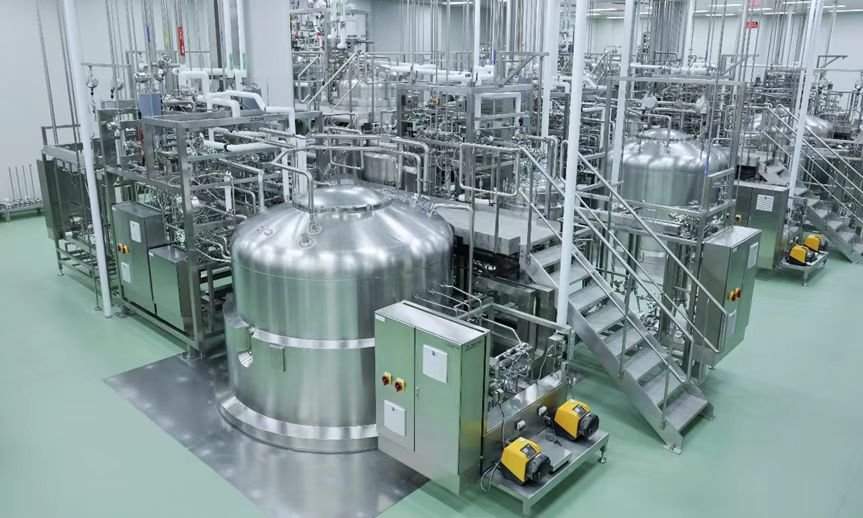

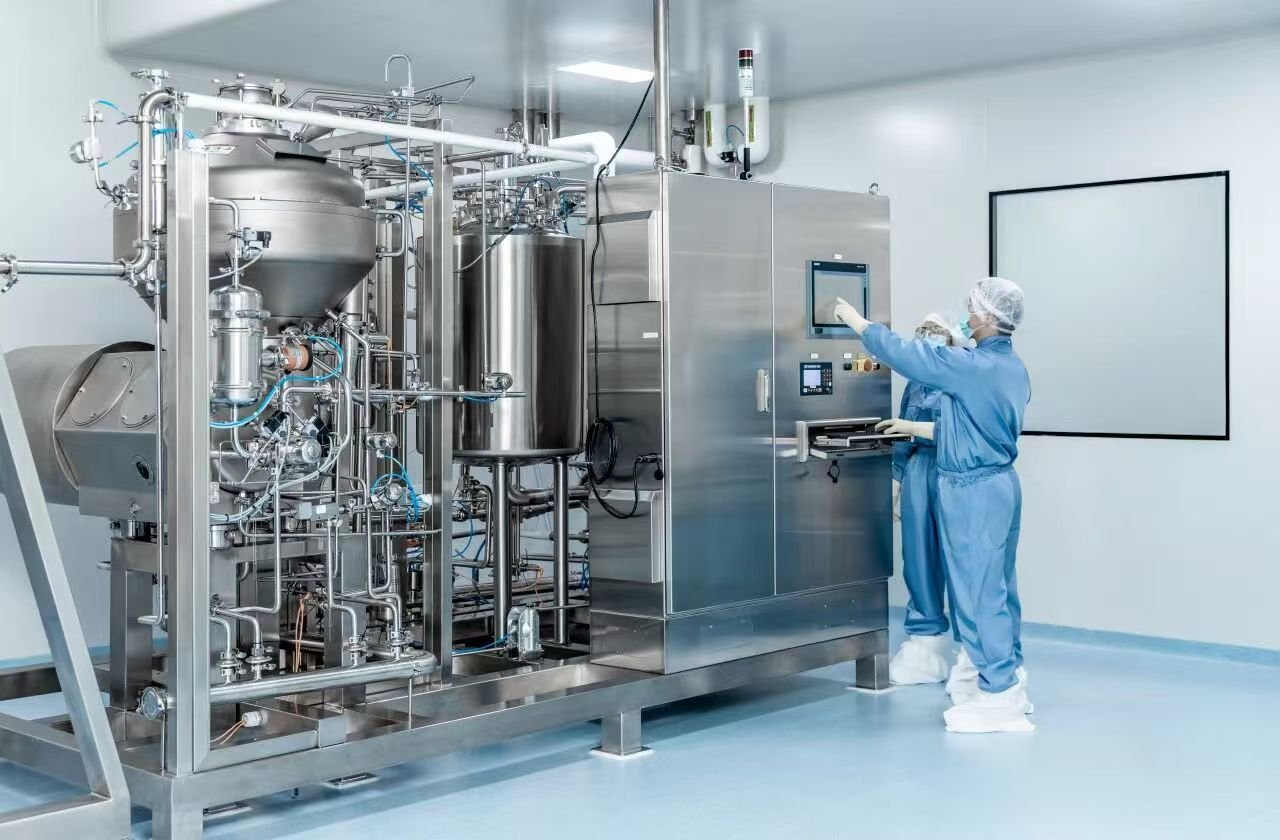
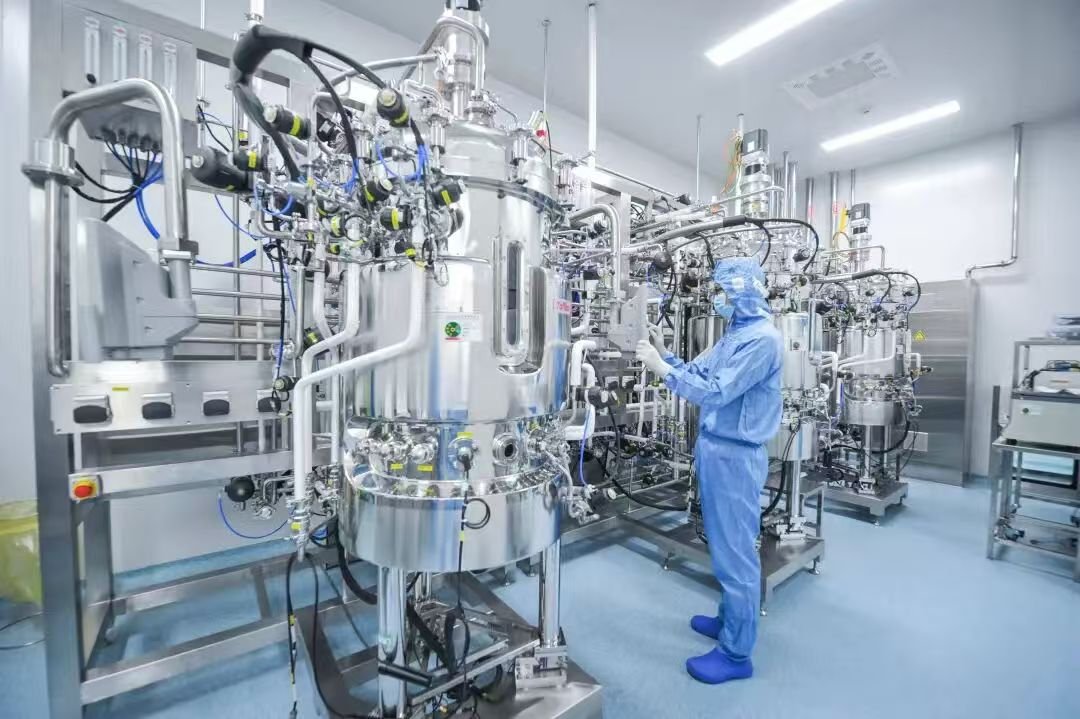
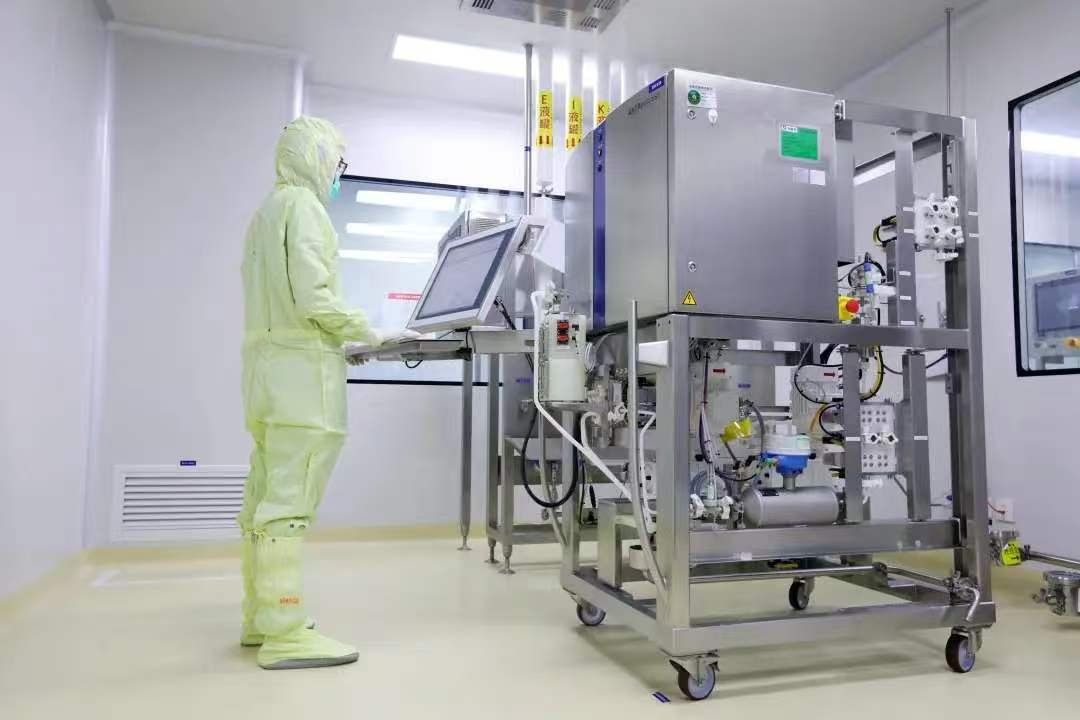
Biological products refer to preparations manufactured by biological technologies, starting from microorganisms, cells, animal‑ or human‑derived tissues, body fluids and other raw materials, which are applied for the prevention, treatment and diagnosis of human diseases. They fall into four categories: prophylactic biological products, therapeutic biological products, and in‑vivo and in‑vitro diagnostic reagents regulated as biological products, including vaccines, blood products, cytokines, monoclonal antibodies, cell therapy products, gene therapy products, antitoxins and antisera, etc. According to statistics, 8 out of the world’s top‑10 blockbuster drugs by sales volume in 2022 were therapeutic biologics. Excluding anti‑SARS‑CoV‑2 agents, adalimumab (Humira), pembrolizumab (Keytruda), dupilumab (Dupixent) and aflibercept (Eylea) have featured in the global Top‑10 drug ranking for successive years, demonstrating that biological products play an indispensable role in modern disease treatment.
As a special class of medicinal products, biological products differ from conventional chemical drugs with complex molecular structures, labile biological activities and diverse physicochemical properties. Derived largely from living organisms, they feature sophisticated manufacturing workflows, long production cycles, diverse raw‑material and excipient sources, and their formulations generally cannot withstand harsh terminal physicochemical treatments. Such specificities render adventitious agents, especially potential viral and microbial contamination, a key challenge in quality control of biological products. Based on characteristics of manufacturing processes and in‑process controls for biologics, this paper elaborates contamination‑control strategies applied in aseptic manufacturing, and discusses and analyzes the particularities of sterility assurance throughout production, so as to facilitate targeted improvement of industrial sterility‑assurance competence and guarantee product quality and safety.
Part 1 General Manufacturing Workflow for Biological Products
Manufacture of biological products is commonly divided into three technical phases: upstream processing, downstream processing and formulation processing.
Upstream processing generally encompasses preparation, thawing, passaging and expansion, large‑scale cultivation and harvest of cell banks / master seed banks / virus seed banks. Large‑scale cultivation mainly adopts fed‑batch culture, perfusion culture and concentrated fed‑batch culture modes.
Downstream processing typically involves centrifugation, multi‑step column chromatography, viral removal or inactivation, ultrafiltration and other steps, to obtain drug substance meeting quality specifications.
Formulation processing covers preparation of semi‑finished bulk, sterile filtration, filling, lyophilization, crimp‑capping, visual inspection and packaging, yielding finished products complying with quality requirements.
Distinct from aseptic manufacturing of conventional chemical pharmaceuticals, both upstream and formulation processes for biologics impose aseptic‑production requirements. Where products are not amenable to sterile filtration, downstream processing must also be performed under aseptic conditions. Given intricate workflows, extended production cycles (e.g., monoclonal‑antibody manufacture usually takes more than one month) and abundant sterility‑risk points, robust control strategies shall be established for every production step to ensure finished‑product conformance to quality standards.
Part 2 Special Characteristics of Sterility Assurance for Biological Products
2.1 High Susceptibility to Microbial Contamination during Manufacture
Owing to their specific production and processing workflows, biological products are prone to microbial contamination. Starting materials are bioactive substances; production involves biological processes and biomaterials vulnerable to endogenous and exogenous‑agent contamination. Manufacturing is a biological process where culture materials and cultivation conditions support microbial proliferation. Moreover, biological‑product matrices themselves serve as nutrients for microbial growth.
Against such background, full‑process risk assessment, identification of microbial‑contamination hazards and formulation of contamination‑control strategies are critical. Premises and facility design shall prevent contamination; material‑ and personnel‑flow patterns shall avoid cross‑contamination; personnel operations shall comply with specifications to minimize contamination probability. Manufacturing processes shall incorporate steps lowering bioburden and bacterial‑endotoxin levels. Raw materials and excipients shall be subjected to appropriate microbial and bacterial‑endotoxin testing to realize comprehensive contamination control across production.
2.2 Inability to Undergo Terminal Sterilization
Sterile medicinal products are classified into two manufacturing categories: terminally‑sterilized products and non‑terminally‑sterilized products manufactured via partial or full aseptic processing. Except for a few microecological preparations and diagnostic reagents, biological products are sterile pharmaceuticals manufactured as non‑terminally‑sterilized articles with elevated sterility‑assurance risks. Non‑terminally‑sterilized products are subdivided into sterile‑filterable and non‑sterile‑filterable varieties. Products not suitable for sterile filtration must be manufactured through end‑to‑end aseptic operations, posing even higher sterility risks; microbial control and aseptic manipulation become core guarantees of product sterility.
Given the constraints on final‑stage treatment of biological products, microbial‑contamination control shall not be confined to the formulation phase post sterile filtration. Detailed contamination‑control strategies shall also be implemented for drug‑substance production and semi‑bulk preparation prior to final sterile filtration to reduce contamination likelihood. Monitoring and control of pyrogenic substances such as bacterial endotoxin shall also be emphasized. For products requiring full‑process aseptic production, sterility‑control requirements shall be enforced from the earliest production stages, with thorough identification and strict management of every contamination‑introduction risk point.
2.3 Specific Sterility‑Assurance Requirements for Upstream Processing
Microbial‑contamination control is decisive for successful cell / bacterial / viral culture. Contamination during cell‑bank establishment, thawing, passaging or inoculation and cultivation will result in culture failure. Many of these unit operations are open manipulations, so sterile operational and cultivation environments are prerequisites for successful upstream processing.
Cell / bacterium / virus banking, thawing and passaging are usually performed within biosafety cabinets operating under Grade C+A background conditions, whereas conventional understanding requires a minimum Grade‑B background for sterile environments. This creates challenges for sterility‑assurance‑level control and environmental qualification for thawing and passaging activities.
Corresponding mitigation measures shall be implemented: materials and tooling contacting cells shall be sterilized; personnel shall follow aseptic‑operation protocols; continuous environmental monitoring shall be performed for zones with open operations to maximize in‑process sterility. Some manufacturers adopt isolators for thawing and passaging, substantially elevating sterility‑assurance performance.
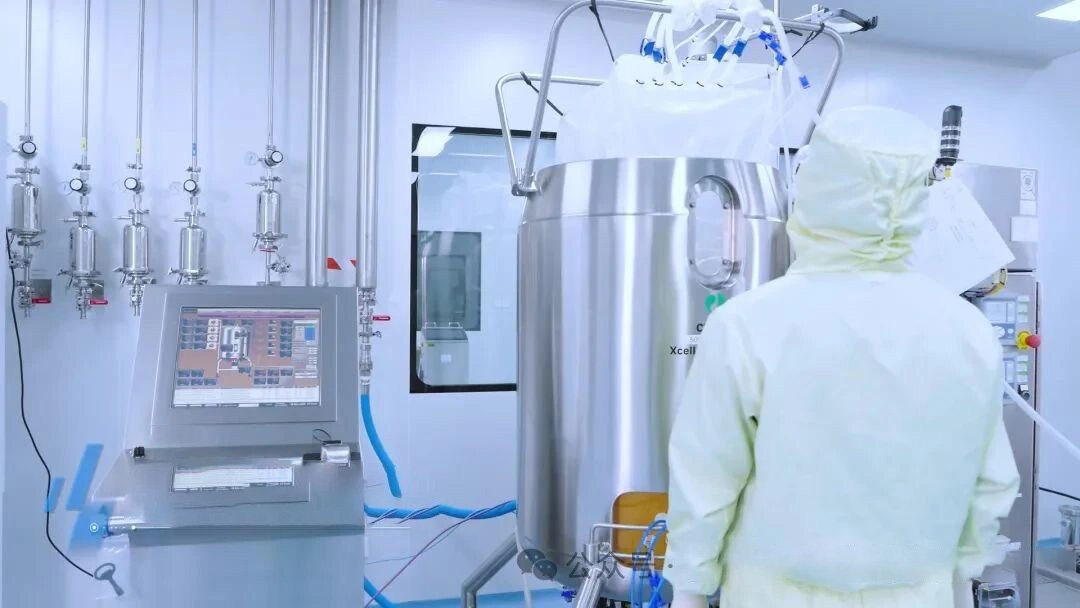
Cell / bacterial / viral cultivation is mostly executed within closed systems using single‑use or stainless‑steel bioreactors, which also demand sterile surroundings. Achieving closed‑system integrity while maintaining sterility represents a critical consideration for cultivation phases. The sterility retention period of stainless‑steel systems after in‑place sterilization (SIP) shall be fully validated. For single‑use systems, exposed‑side technologies including sterile tube welding, sterile tube cutting and sterile connectors must deliver validated sterility assurance. The efficacy of sterile docking or equivalent contamination‑prevention measures shall be adequately verified. Sterile‑connection procedures shall remain unaffected by ambient conditions, deliver rapid and reliable joints, and minimize contamination and cross‑contamination hazards to safeguard product quality.
Single‑use storage bags or bottles eliminate cleaning‑sterilization demands and cleaning‑validation burdens while offering operational convenience. They facilitate multi‑product co‑manufacturing, mitigate cross‑contamination risks and boost productivity, and are widely adopted for storage in cell / bacterial / viral culture workflows. Accordingly, verifying sterility‑assurance performance of single‑use sterile storage bags for cell suspensions or harvest fluids has emerged as a new industry focus.
2.4 Specific Sterility‑Assurance Requirements for Downstream Processing
Microbial‑limit control shall be enforced throughout downstream purification. Products that cannot be sterile‑filtered shall adopt full‑process aseptic manufacturing. Chromatography and ultrafiltration are mainstream downstream‑purification unit operations; corresponding cleaning and disinfection procedures for chromatography and ultrafiltration systems shall be established and validated for effective microbial control. The sterility and integrity of single‑use systems applied in‑process are critically important.
Hold conditions and hold times for intermediate products constitute key microbial‑control parameters, given microbial proliferation over elapsed storage; hold‑time management shall form part of process control. Drug‑substance preparation, filling and storage may alter bioburden; exogenous‑agent and sterility controls for associated materials and containers are essential. Effectiveness of microbial control can be verified through pre‑filtration bioburden testing, post‑filtration filter‑integrity testing and container‑closure‑integrity validation during drug‑substance storage. Where compendial specifications include a sterility test for drug substance, drug‑substance manufacture shall be controlled under aseptic conditions.
2.5 Specific Sterility‑Assurance Requirements for Formulation Processing
Formulation‑phase manufacturing of biological products largely resembles that of sterile chemical pharmaceuticals. Nevertheless, since biologics constitute excellent culture media for microorganisms, more stringent sterility‑assurance performance is demanded. Subject to validated sterilization systems, personnel‑gowning qualification, satisfactory environmental monitoring and successful media‑fill simulation, man‑machine‑material‑method‑environment elements shall remain under validated status with rigorous sterility‑assurance measures.
Effective contamination‑control strategies shall be deployed in formulation processing against microbial, pyrogen and particulate contamination.
- Personnel‑related control: standardize gowning, garbing and manipulations within cleanrooms.
- Equipment‑and‑component‑related control: qualify critical production equipment, validate disinfectant efficacy, assess and govern cleaning validation, and assure appropriate cleaning and sterilization for tooling contacting materials and intermediate products.
- Facility‑and‑environment‑related control: ensure design, maintenance and in‑service monitoring of critical‑zone premises and facilities comply with aseptic requirements.
- Material‑related control: implement controls for transportation and transfer of critical materials, and perform microbial or bacterial‑endotoxin testing.
- Process‑related control: conduct pre‑filtration bioburden testing for intermediate products to mitigate contamination risks during material transfer and hold periods.
2.6 Specific Characteristics of Aseptic‑Process Simulation
Aseptic‑process simulation (APS, also known as media fill) refers to activities simulating full‑sequence aseptic operations of pharmaceutical manufacture with suitable culture media or surrogate fluids, to evaluate the sterility‑assurance capability of the process.
Besides formulation‑stage APS for biological products, upstream workflows contain aseptic steps for which manufacturers shall also consider APS execution. For biologics requiring full‑process aseptic manipulation because sterile filtration is infeasible, downstream‑process APS shall additionally be performed. Certain semi‑finished‑bulk operations demand aseptic handling; for many adjuvanted vaccines, for instance, manufacture and addition of adjuvants form important components of APS scope.
Part 3 Discussion
Based on the above analysis of sterility‑assurance particularities for biological products, guided by the scientific principle of Quality by Design (QbD), this paper leverages risk assessment, full‑process quality control and full‑lifecycle management approaches. Aligned with overall objectives for safe, efficacious and quality‑controllable products, considering domestic‑industry status and technical competence, and referencing domestic‑and‑international technical guidelines and regulatory requirements, opinions and recommendations on sterility assurance for biological products are put forward.
3.1 Effective Identification of Sterility Risks across Biological‑Product Manufacture
Effective identification of sterility risks at all production stages underpins protection against microbial, pyrogenic and particulate contamination. Raw‑material quality governs final‑product attributes. Serum, culture media, excipients and other materials support microbial growth to varying extents; compliance‑origin risks shall be duly recognized. For animal‑derived materials, procurement from regions with high prevalence of transmissible spongiform encephalopathy (TSE) and bovine spongiform encephalopathy (BSE) shall be avoided, with dedicated microbial‑control strategies to prevent contaminant introduction.
Seed‑bank sterility risks primarily arise during preparation and storage. While preserving seed‑bank viability and stability, external contamination shall be prevented. Equipment and facilities for fermentation shall maintain sealing integrity to preclude adventitious‑microbe ingress. During purification, risks associated with open‑manipulation of intermediate products shall be identified, and sterile filtration deployed to reduce bioburden. In formulation phases, contamination hazards introduced by human operations, environment and equipment shall be managed to guarantee product sterility.
3.2 Targeted Mitigation of Sterility‑Risk Points throughout Manufacture
End‑to‑end sterility performance determines manufacturing success. Enhanced full‑process sterility assurance requires the following actions:
In upstream processing, apart from maintaining suitable temperature, dissolved‑oxygen and pH conditions supporting cell metabolism and proliferation, aseptic techniques shall be maximized from seed thawing through sequential cell expansion. Operators shall strictly adhere to SOPs, preserve clean‑zone cleanliness, and set in‑process control indices for bacterial endotoxin and microbial levels for seed‑culture intermediates.
In downstream processing: for sterile‑filterable products, harvest fluids are recommended to undergo 0.2 μm sterile filtration to lower bioburden entering purification workflows. Sterile‑filtration steps shall be embedded within individual chromatography and intermediate unit operations, with in‑process specifications for bacterial endotoxin and microbial limits. Products not amenable to sterile filtration shall be manufactured under rigorous aseptic‑operation disciplines.
In formulation processing, facilities, equipment and processes shall be appropriately designed, qualified, validated and continuously verified under aseptic principles. Aseptic‑assurance technologies such as sterile‑connection / disconnection techniques, Restricted‑Access Barrier Systems (RABS) and isolators shall be adopted to strengthen formulation‑phase sterility assurance against microbial, endotoxin and other contaminants. Rapid‑method environmental monitoring shall be implemented for timely anomaly detection and trend analysis. Personnel working in aseptic zones shall receive adequate training for qualified aseptic manipulation.
A Contamination Control Strategy (CCS) shall be implemented across the full biological‑product manufacturing lifecycle. Critical quality‑control points shall be evaluated, and all safety‑relevant monitoring measures shall be deployed to identify, assess, eliminate and mitigate contamination risks, minimize in‑process contamination and secure product safety.
3.3 Establishment of Full‑Lifecycle‑Oriented Sterility‑Assurance Management Philosophy
Quality risks permeate the full product lifecycle spanning R&D, manufacturing, clinical use and post‑marketing withdrawal, as well as raw‑material procurement, storage, production, logistics and patient administration. Given complex workflows and challenging characterization for biological products, risk assessment poses substantial challenges.
Beyond sound process design, validation and routine in‑process control, microbial testing for drug substances, intermediates and finished products constitutes an essential risk‑reduction measure. Sterility assurance shall be managed under a full‑lifecycle paradigm. EU GMP Annex 1 (Manufacture of Sterile Medicinal Products) articulates clear requirements for lifecycle‑based quality‑risk management, mandating assessment, control, communication and review of manufacturing‑quality risks to bring risks down to acceptable levels, reflecting regulatory progress in both regulatory and technical dimensions. EU GMP Annex 1 also introduces upgraded requirements for manufacturing technologies, plant‑facility layout and instrumentation, raising overall sterility‑assurance benchmarks.
Against this regulatory backdrop, biological‑product manufacturers shall develop CCS founded on full‑lifecycle sterility‑assurance concepts. CCS effectiveness and rationality shall be periodically reviewed, and potential contamination pathways at each step analyzed to achieve contamination‑control objectives.