
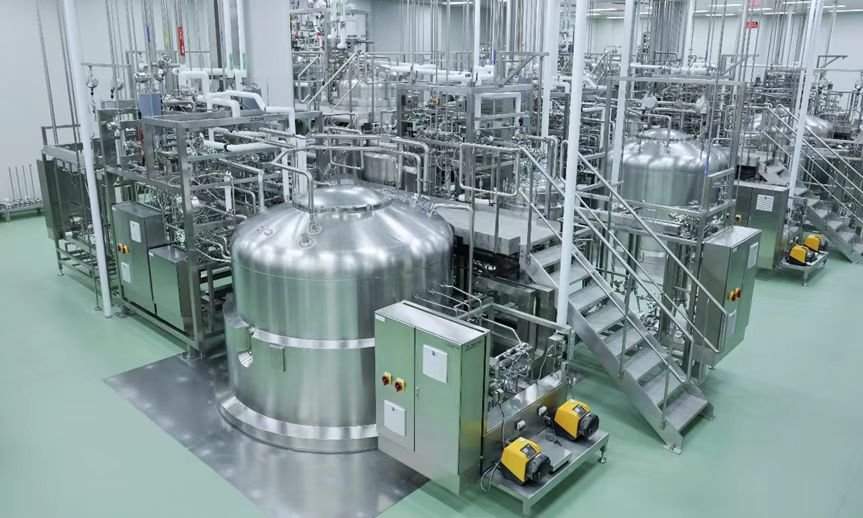

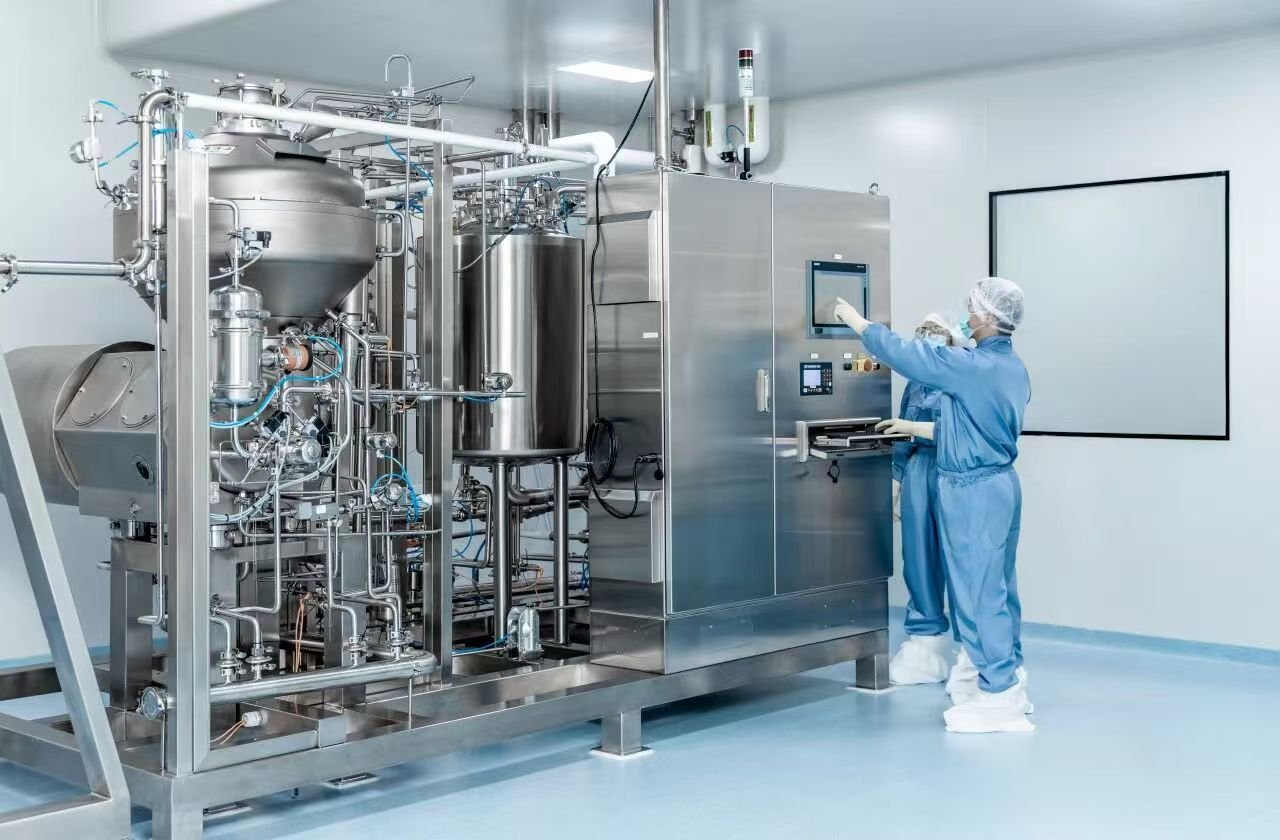
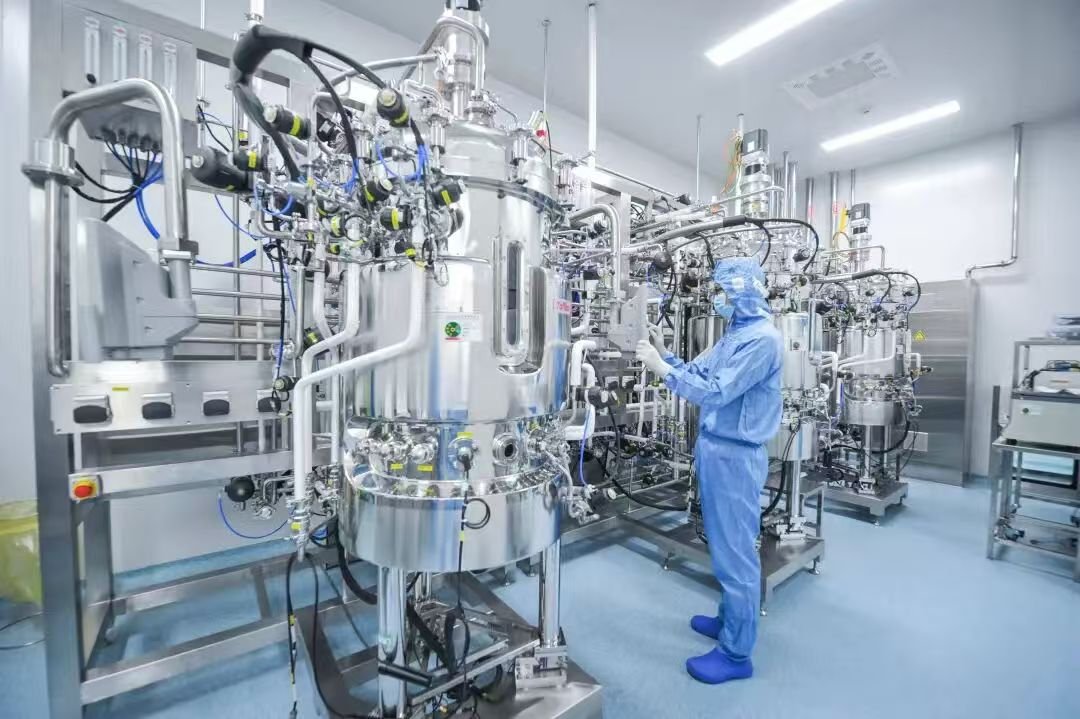
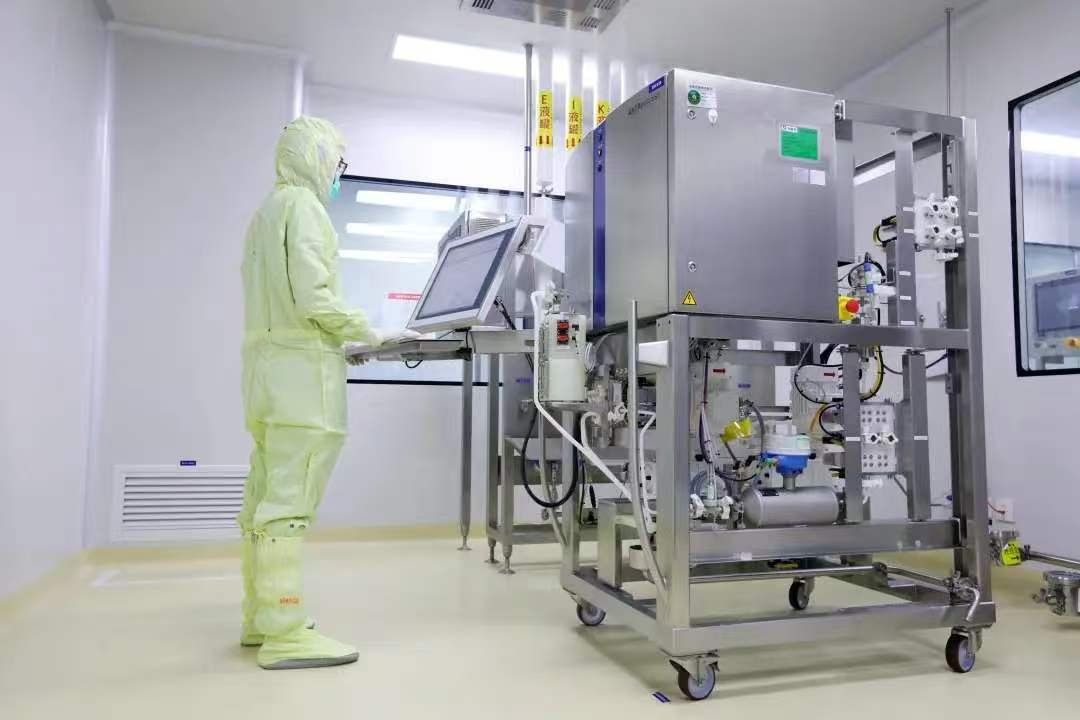
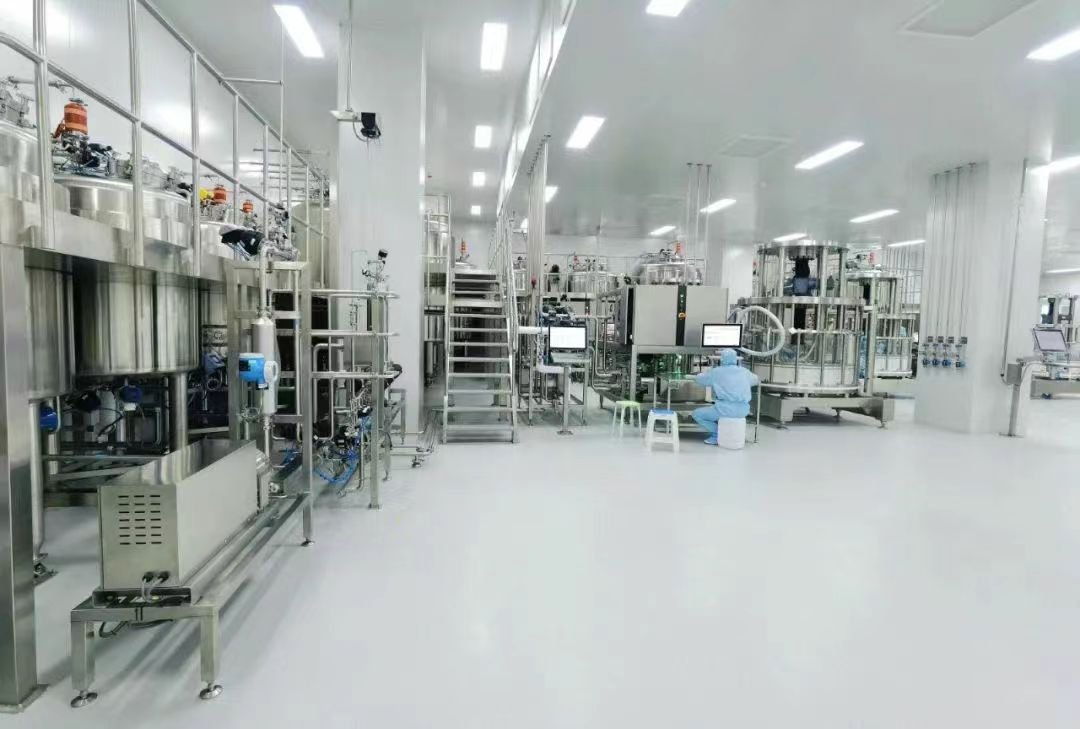
With the explosive growth of therapeutic antibodies, fusion proteins, antibody‑drug conjugates (ADCs) and other biopharmaceuticals in recent years, industry research into their manufacturing processes has become increasingly in‑depth and extensive. Aseptic manufacturing processes run through the whole production workflow of biopharmaceuticals. In particular, the aseptic manufacturing of final drug products, with its array of critical details and procedural practices, constitutes the core of aseptic process control.
Most biopharmaceuticals are administered as sterile finished dosage forms; hence, sterile filling represents a vital unit operation within modern pharmaceutical manufacturing. It refers to the production activity of filling drug product into containers under aseptic conditions followed by container sealing. As the final GMP‑compliant manufacturing step for biopharmaceuticals, sterile filling requires well‑trained competent personnel, highly‑automated and smoothly‑operating equipment, well‑engineered design and rigorous specifications to guarantee finished‑product quality. A high‑standard sterility assurance system must govern the entire complex continuous manufacturing workflow. This article elaborates on key concerns and corresponding mitigation solutions for biopharmaceutical aseptic processing from five dimensions: personnel, materials and consumables, equipment, facility layout and design, and aseptic process design.
1. Requirements for Personnel
Personnel constitute the largest contamination source in sterile drug manufacturing. Article 20 of Appendix 1: Sterile Medicinal Products, Good Manufacturing Practice for Pharmaceuticals (Revised 2010) specifies: “All personnel working in clean areas (including cleaning staff and equipment maintenance technicians) shall receive regular training to ensure compliance with requirements for sterile‑drug operations. Training shall cover fundamental knowledge of hygiene and microbiology. Untrained external personnel (e.g., construction or maintenance contractors) entering clean areas during production shall receive specific, detailed instruction and supervision.”
1.1 Personnel Training and Personal Hygiene
Per GMP requirements, all staff engaged in sterile drug production — including production operators and supporting personnel such as cleaning operators and equipment maintenance technicians — shall complete formal training. Role‑specific training subjects cover fundamental GMP knowledge, aseptic gowning practice, basic microbiology, clean‑area behavioural discipline, aseptic manipulation skills, contamination control, and aseptic sampling, with core emphasis laid upon GMP principles and microbiology knowledge. The aseptic operating competency of staff working in high‑risk zones shall be verified via Aseptic Process Simulation (APS).
Aseptic‑production personnel training shall combine theoretical learning with hands‑on practice. Trainees shall perform repeated practical exercises under on‑site observation and guidance from experienced supervisors to correct operational deficiencies. Before independent release for duty, personnel shall pass both theoretical assessment and practical on‑site evaluation, and obtain formal post qualification certification.
For staff operating in clean areas, GMP mandates good personal hygiene: regular hair‑cutting, bathing and nail‑trimming; no cosmetics or wearable ornaments. The following measures mitigate personnel‑derived contamination risks for clean zones:
- Incorporate adequate sanitary amenities (e.g., properly configured shower rooms) during facility design;
- Implement routine communication and supervision on personal‑hygiene compliance; conduct periodic checks for cosmetics and ornaments;
- Provide dedicated lockers for storage of personal accessories.
1.2 Sound Code of Conduct in Clean Areas
Validation data demonstrates that the number of personnel accessing clean process rooms, especially aseptic zones, shall be strictly controlled. Minimize headcount and entry frequency into aseptic production clean areas. Prior to entering clean areas, operators shall sanitise hands with disinfectants such as alcohol; hand disinfection shall be repeated periodically during operations. Gowns or gloves that become torn or contaminated shall trigger immediate return to gowning rooms for replacement.
Bare hands must never come into direct contact with drug product, sterilised materials or utensils. Sterile tooling shall be stored within Grade‑A environments. Operators shall move slowly within clean zones. In aseptic areas, hands shall not hang down, rest on hips, tuck under armpits or be raised above shoulder height; operators shall keep their bodies outside unidirectional airflow paths. Maintain adequate spacing between personnel in high‑risk operating zones and avoid gown‑to‑gown contact. Wherever feasible, doors in aseptic clean areas shall be operated using elbows, forearms or backs rather than bare hands.
1.3 Garment Management and Gowning Qualification
Robust standard operating procedures (SOPs) shall govern clean‑room garment management and gowning workflows. Cleaning, sterilisation (where applicable), transfer and utilisation of clean‑area garments shall strictly follow approved SOPs to prevent residual contamination.
All personnel entering aseptic clean production zones shall complete formal gowning qualification. The workflow includes gowning training followed by practical gowning with surface‑microbiology sampling. Initial gowning qualification shall consist of no fewer than three replicate runs. Sampling points for surface monitoring shall cover all high‑risk sites including hands and elbows. Defined protocols shall specify sampling locations and contact‑plate exposure duration for hand sampling.
2. Requirements for Materials and Consumables
Raw materials and excipients are key constituents of finished sterile drugs. Their control over microbiological limits and bacterial endotoxin levels largely determines whether finished products meet quality specifications. For critical consumables, especially those in direct product contact, particulate and microbiological control is equally essential for quality assurance. This section addresses acceptance testing prior to release and pre‑use handling controls for materials and consumables.
2.1 Quality Specifications and Release Testing of Materials and Consumables
Even though formulated drug solutions undergo sterile filtration during fill‑finish manufacturing, microbiological‑limit testing of pre‑filtration bulk solution remains mandatory for filter bacterial‑retention risk control, as required by GMP. Correspondingly, raw and excipient materials shall possess scientifically justified microbiological‑limit specifications aligned with pre‑sterile‑filtration bulk‑solution acceptance criteria.
Sterile filtration generally cannot remove bacterial endotoxins. Given endotoxin specifications for finished sterile products, suitable bacterial‑endotoxin specifications shall also be established for incoming raw materials and excipients. Each batch of material must satisfy microbiological specifications before release for manufacturing. Even conditional release shall be predicated upon conformance to microbiological quality attributes.
For packaging materials for sterile dosage forms, particularly primary containers for drug contact, Ready‑to‑Use (RTU) components require rigorous review of quality specifications plus verification of implemented control measures: cleaning protocols, equipment validation, in‑process sampling and acceptance criteria, sterilisation / depyrogenation modalities, and qualification status of relevant processing equipment.
For critical product‑contact consumables supplied in RTU format, quality specifications shall incorporate particulate and microbiological control attributes, with corresponding testing performed at manufacturer release whenever possible.
2.2 Pre‑use Handling and Control of Materials and Consumables
Prior to utilisation, materials shall be verified against batch‑release test results and intact packaging; sampling shall be representative. For RTU primary packaging components, incoming Certificate of Analysis (COA) shall be reviewed for specification compliance, together with inspection of intact outer packaging. For non‑RTU packaging components received at site, in‑house cleaning, sterilisation and depyrogenation shall be performed using qualified equipment and validated SOPs. Cleaning, sterilisation and depyrogenation performance shall be validated, and packaging sterility shall be challenged during semi‑annual Aseptic Process Simulation exercises.Directorat…
Where critical product‑contact consumables undergo in‑house cleaning or sterilisation, cleaning efficacy shall be confirmed or validated, and sterilisation‑load qualification shall be completed to guarantee consistent, reproducible sterilisation performance.
3. Aseptic‑Control Requirements for Equipment
Process equipment represents one of the most critical elements of sterility assurance for sterile‑fill manufacturing. Equipment performance and operational faults may positively or negatively impact aseptic production. Three core aspects of equipment‑related control requirements are outlined below.
3.1 Equipment Selection and Design
Equipment selection commences with high‑level determination driven by production capacity, product portfolio, maintenance overhead and energy consumption, including key decisions such as Open Restricted‑Access Barrier System (ORABS) versus isolator configuration, number of production lines and filling‑rate targets (bottles per minute).
Subsequently, User Requirement Specification (URS) shall be used to evaluate aseptic‑assurance performance for product‑contact and indirect‑contact components. For isolators, key considerations include Vapourised Hydrogen Peroxide (VHP) bio‑decontamination performance, transfer workflows for steam‑sterilised removable assemblies such as stopper hoppers, and operator intervention strategies under abnormal conditions.
Design Qualification (DQ) shall also evaluate human‑factor ergonomics and airflow patterns within Grade‑A critical zones. Mock‑up wooden prototypes at 1:1 scale shall be deployed during DQ to confirm quantity and placement of isolator / ORABS gloves, operability for normal and corrective interventions, layout of Grade‑A environmental‑monitoring points, product flow paths, sampling positions and reject stations.
3.2 Equipment Maintenance and Repair
Equipment malfunctions shall be rectified by professionally trained engineers in compliance with GMP aseptic‑intervention principles. Repairs shall preferably be executed via glove ports or pre‑sterilised tooling. Movements shall be gentle to minimise airflow obstruction. Post‑repair cleaning and disinfection shall be performed for affected and adjacent zones. Production may only resume after Grade‑A environments complete sufficient self‑recovering equilibration.
Maintenance schedules shall be dynamically adjusted based on real‑world operational data. Preventive‑maintenance frequency and scope shall reflect equipment characteristics and runtime. Robust preventive maintenance reduces equipment‑failure frequency and mitigates associated aseptic‑processing risks.
4. Requirements for Facility Layout and Design
Chapter 7 “Premises” of Appendix 1: Sterile Medicinal Products sets forth multiple requirements for sterile‑drug‑manufacturing facilities covering functionality and layout, to ensure GMP‑compliant production environments. Key compliance principles are summarised for facility layout and design.
4.1 Facility Layout
Facilities shall be functionally zoned with rational spatial arrangement to minimise cross‑movement of personnel and materials while preventing contamination and cross‑contamination. Pressure differentials of ≥ 10 Pa shall be maintained between areas of differing clean‑room grades; pressure gradients of approximately 5 Pa shall apply across functionally‑distinct zones within the same cleanliness grade.
Sterile‑filling lines may adopt L‑shaped, T‑shaped or alternative configurations determined by building geometry, footprint and process requirements. Guiding principles include good operator accessibility, minimised clean‑area footprint and convenient equipment servicing.
HVAC and purified‑water system layouts shall keep piping runs short and simple wherever feasible. Excessive elbows and lengthy pipework shall be avoided; pressure and flow‑rate losses shall be compensated for where long or convoluted runs are unavoidable. Auxiliary utility zones shall therefore be positioned in close proximity to core production areas.
Supply‑air and return‑air configurations shall ensure homogenous distribution of HEPA‑filtered supply air across rooms, and prevent short‑circuit airflow directly from supply filters to return grilles, which could generate dead zones compromising clean‑area conditions.
4.2 Facility Design
Facility design shall support routine monitoring and observation. Observation windows and viewing corridors shall be incorporated to permit supervision without physical entry into clean areas. Airlocks shall be deployed for transitions from lower‑grade to higher‑grade clean zones to prevent direct cross‑grade access. Penetrations crossing cleanliness boundaries shall be properly sealed; pressure differentials shall be monitored for transfer hatches and airlocks.
Water outlets within clean zones shall be kept to a practical minimum. Floor drains shall be limited; drain outlets shall be sealed and equipped with air‑break devices to prevent back‑siphonage. Chilled‑water and cooling‑water piping shall be thermally insulated to avoid condensate formation inside clean areas.
5. Roles of Aseptic‑Process Design in Sterility Assurance
Aseptic‑process design exerts a direct impact on contamination control for biologic manufacturing. Robust design substantially elevates overall sterility‑assurance performance, as elaborated in the following two sections.
5.1 Design of Sterilising Filtration and Aseptic‑Filling Processes
Single‑use technologies are widely implemented for sterilising filtration and aseptic filling of biopharmaceuticals. A typical single‑use assembly comprises three modules: drug‑product mixing system, sterilising‑filtration assembly and filling manifold. Good design shall satisfy three primary objectives: robust sterility performance, simple operability and minimal drug‑product hold‑up / yield loss.
Subject to these prerequisites, suitable single‑use suppliers shall be selected. Custom assemblies shall be co‑developed with vendors matching site‑specific equipment and process requirements. Prototypes shall undergo mock‑operation risk assessment to identify potential aseptic hazards. Finalised designs shall also accommodate future variations: alternative filter brands, adjustable fill‑volume ranges, and pre‑/post‑filter pressure monitoring during sterilising filtration. Feasibility and contamination risk associated with filter‑integrity testing shall also be addressed.
5.2 Aseptic Process Simulation (APS)
Aseptic‑Process‑Simulation trials constitute the most direct and effective validation tool to demonstrate the reliability of an aseptic manufacturing process. Appendix 1: Sterile Medicinal Products specifies: “Simulation shall mimic routine aseptic manufacturing as closely as practicable, incorporating all critical operations impacting sterility as well as interventions and worst‑case conditions encountered during real‑world production.”Directorat…
Prior to executing APS, formal risk assessment shall be completed covering: intervention scenarios, maximum process‑duration evaluation, selection of challenge microorganisms, and identification of aseptic‑process hazards. Risk‑assessment outcomes provide foundational input for protocol design.
Pre‑requisites for APS execution include: released and qualified facilities, utilities and equipment within their qualification validity periods; calibrated instrumentation; clean‑area environments meeting cleanliness specifications; adequately trained personnel; and complete material preparation.
APS shall replicate worst‑case production conditions, including maximum‑ and minimum‑filling speeds, maximum hold times for post‑sterilisation materials and equipment, and maximum filling‑process duration. Frequency, location and timing of inherent and corrective interventions shall be defined according to intervention records collected from routine production.
All reject units generated during simulation shall be labelled and subjected to media incubation where practicable; rationales shall be documented for units not submitted to incubation.
Beyond the control measures described above, sustained improvement of aseptic manufacturing relies on continuous on‑site review and optimisation by operational staff. Risks identified through practical experience shall trigger targeted corrective actions and iterative SOP revision to drive ongoing performance enhancement.