
In the landscape of modern oncology, antibody-drug conjugates (ADCs) have evolved from an ingenious laboratory concept into one of the most dynamic and promising sectors in biopharmaceuticals. As a revolutionary therapeutic modality integrating cutting-edge biology and chemistry, ADCs combine the target specificity of monoclonal antibodies (mAbs) with the potent cytotoxicity of payload molecules. Their core design philosophy is clear and compelling: acting as “biological missiles”, they deliver highly potent chemotherapeutic payloads precisely into tumor cells. This targeted approach maximizes anti-tumor efficacy while minimizing damage to healthy tissues. Such a targeted cytotoxic strategy not only substantially broadens the therapeutic index but also fundamentally reshapes the paradigm of clinical oncology research and cancer treatment.
Nevertheless, the interdisciplinary nature that defines ADCs as a breakthrough therapy also introduces exponentially complex challenges to biomanufacturing. Unlike the production of conventional biotherapeutics, ADC manufacturing represents an arduous technological journey across multiple disciplines. Every stage — from the sophisticated engineering of high-titer cell lines and robust scaling-up of intricate conjugation chemistry, to stringent biosafety controls and rigorous cleaning validation for highly toxic materials — pushes the boundaries of bioprocess capabilities.
Structurally, an ADC is a sophisticated tripartite system composed of a tumor-targeting antibody, a potent cytotoxic payload, and a stable linker that bridges the two components. Following systemic administration and antigen recognition, ADCs undergo cellular internalization, after which the cytotoxic payload is selectively released inside tumor cells, thereby limiting systemic toxicity to the greatest extent.
To date, more than a dozen ADC products have gained global marketing approval, while over 200 candidates are actively progressing through clinical development. With ongoing standardization of manufacturing workflows and iterative advancements in conjugation technologies, ADCs have transitioned from a conceptual innovation to a mainstream therapeutic option, comprehensively redefining the future of cancer research, diagnosis and treatment.
Multi-Modal Manufacturing: Deep Synergy Between Bioprocessing and Precision Chemistry
From a Chemistry, Manufacturing and Controls (CMC) perspective, ADC production is far more than a simple assembly of antibodies and small-molecule payloads; it represents a highly demanding multi-modal biomanufacturing endeavor. ADC production stands at the intersection of biotechnology and precision organic chemistry. Each component — the antibody serving as the targeting vehicle, the cytotoxic payload as the active warhead, and the linker enabling stable conjugation — follows distinct technical principles, platform specifications and supply chain frameworks. As widely recognized across the industry, developing ADCs requires comprehensive expertise in both protein engineering and organic synthesis.
Extensive variations in ADC formats, including antibody isotypes, chemical properties of linkers, cytotoxic mechanisms of payloads, and the critical drug-to-antibody ratio (DAR), create an extremely stringent matrix of process parameters. Even minor deviations in conjugation conditions or subtle physical changes induced by the hydrophobicity of payloads can trigger a cascade of issues such as protein aggregation, reduced product stability and altered pharmacokinetic (PK) profiles, which may ultimately invalidate prior clinical safety evaluations.
Given the high technical barriers and multidisciplinary requirements, establishing a full in-house production chain covering R&D through commercial scale is no longer a cost-effective strategy for most biotech companies. Industry data indicates that approximately 70% to 80% of global ADC manufacturing activities are currently outsourced. This trend is driven not only by the pursuit of process robustness, but also by the most formidable challenge in ADC production: stringent containment requirements for Highly Potent Active Pharmaceutical Ingredients (HPAPIs).
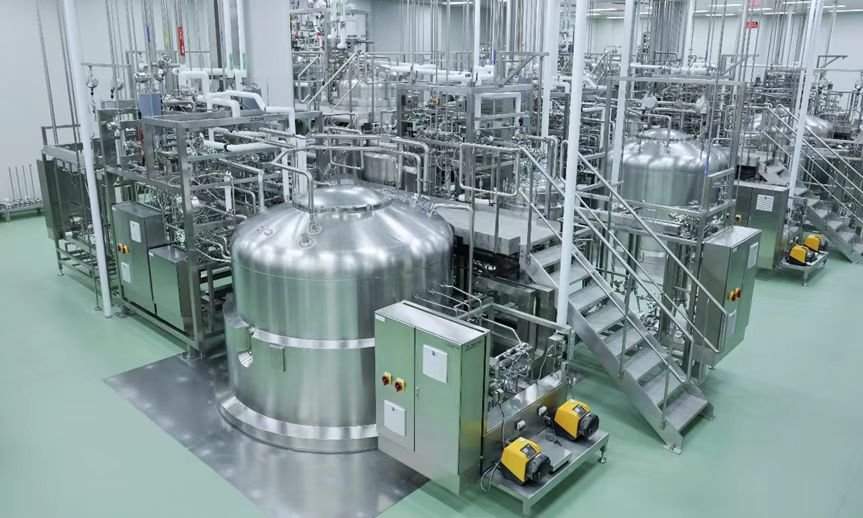
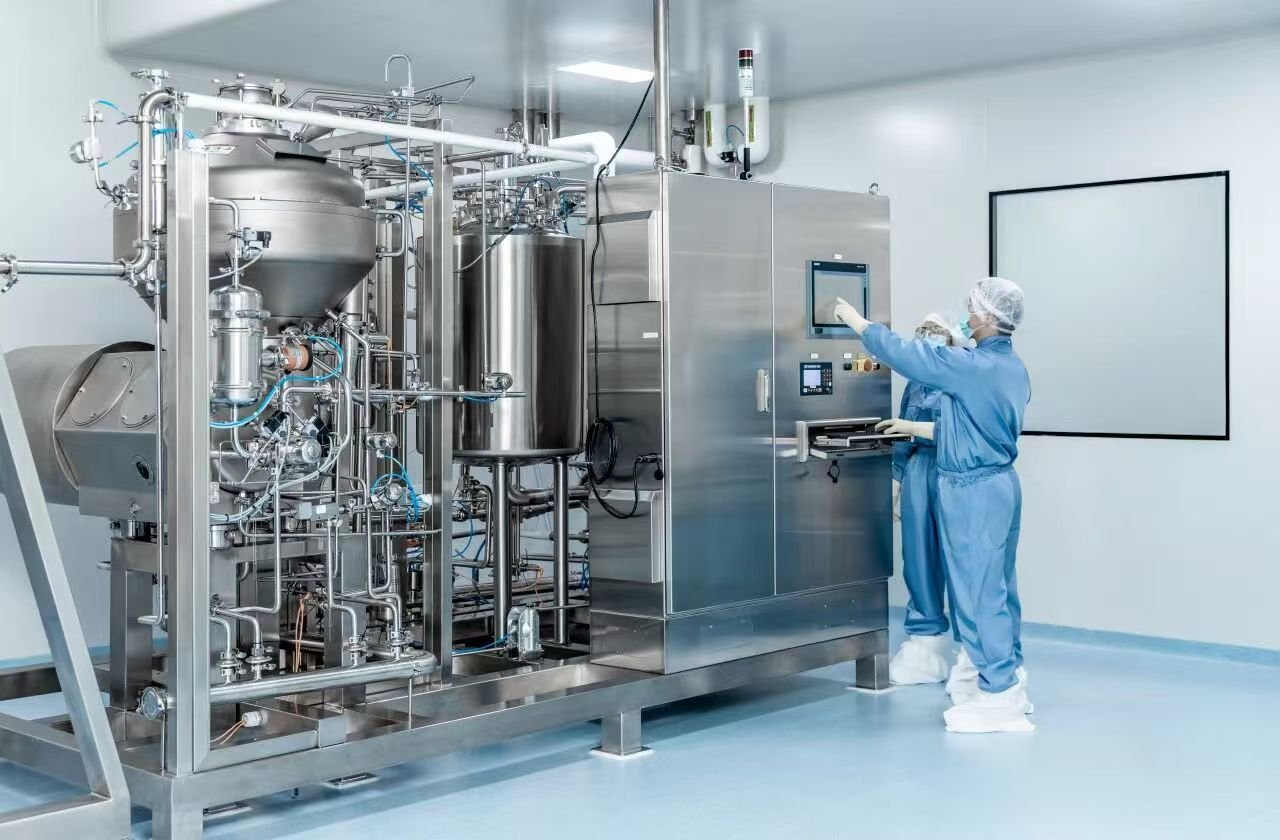
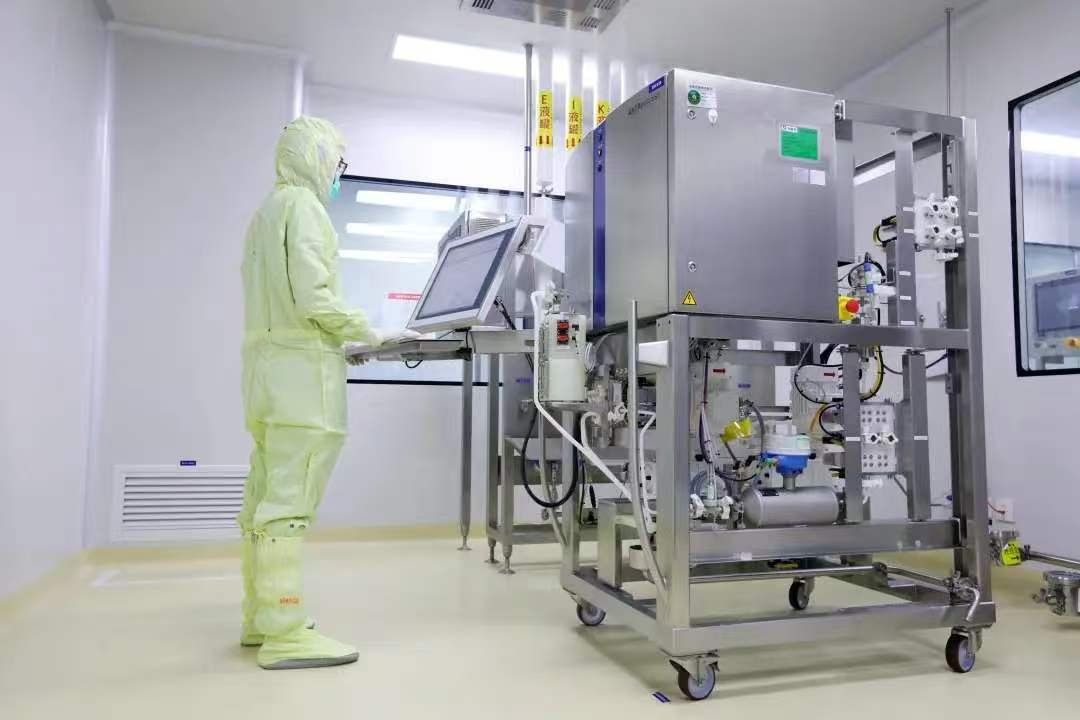
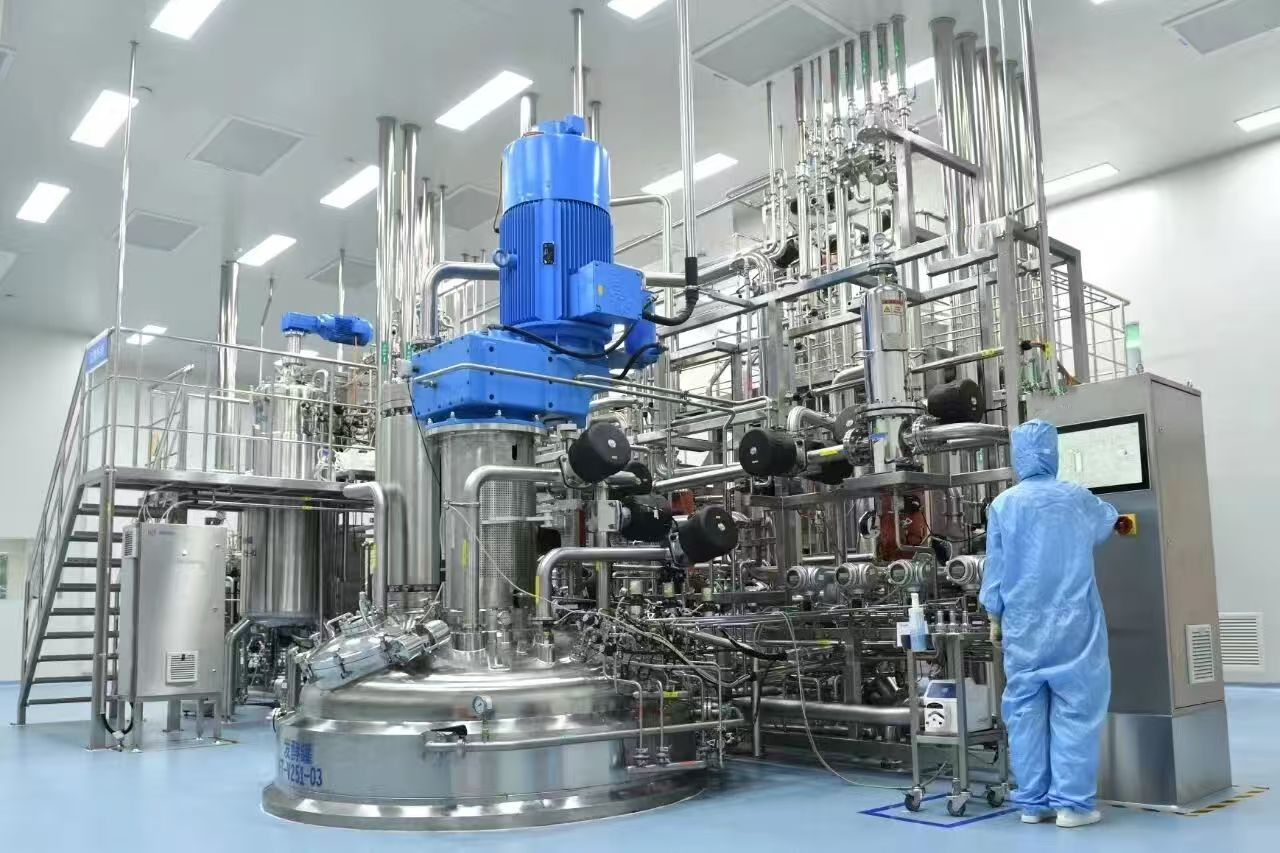
Most ADC payloads exhibit biological activity at picomolar concentrations, and even minimal exposure poses irreversible occupational and environmental risks. Accordingly, ADC manufacturing facilities must exceed the standards for conventional biologic production, equipped with fully closed processing systems, dedicated high-containment suites, multi-stage air filtration systems and precisely regulated pressure gradients. Leading integrated manufacturing sites are additionally fitted with on-site incineration systems to enable closed-loop compliant disposal of cytotoxic waste materials. This safety-oriented design philosophy is embedded throughout facility layout, equipment selection and workflow planning. Undoubtedly, without solid foundational manufacturing capabilities, promising novel molecular entities can hardly overcome the hurdles toward commercial-scale production.
Critical Cleaning: Establishing a Zero-Cross-Contamination Barrier at the Microgram Level
Within the context of ADC manufacturing, cleaning is no longer a routine operational step, but a fundamental safety imperative safeguarding patient well-being and occupational health. Due to the extreme toxicity of small-molecule payloads used in ADCs, trace amounts of residual linker-payload complexes — undetectable to the naked eye — may lead to severe cross-contamination between production batches and expose operating personnel to occupational hazards during equipment maintenance.
The cleaning philosophy for ADCs differs fundamentally from that for conventional monoclonal antibodies. Traditional mAb manufacturing relies on standardized Clean-in-Place (CIP) and Steam-in-Place (SIP) protocols, with general indicators such as total organic carbon (TOC) and conductivity for cleanliness verification. However, these conventional testing methods prove inadequate for ADCs, given the diverse chemical properties and high toxicity of payload-linker combinations. Each ADC candidate possesses unique solubility profiles and chemical stability characteristics, mandating the development and validation of customized cleaning procedures alongside highly sensitive analytical methods to ensure residual levels are maintained below rigorously calculated limits.
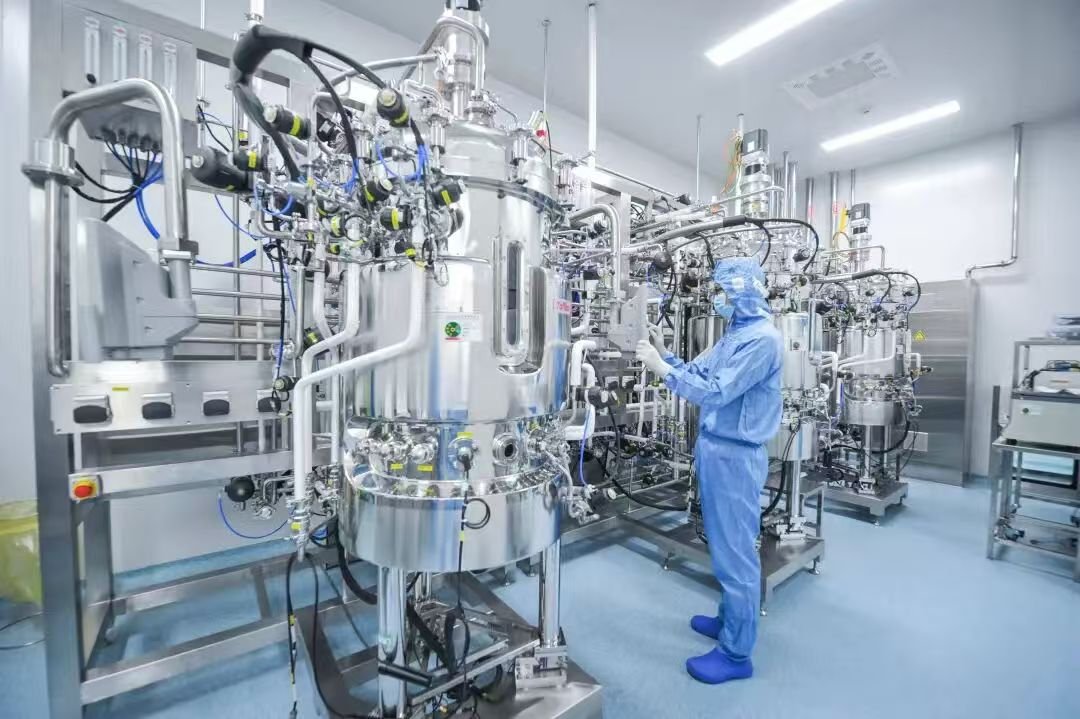
Against this backdrop, Single-Use Technologies (SUT) have gained increasing prominence and become an industry mainstream in ADC manufacturing. Compared with costly traditional stainless steel production systems, single-use bioreactors, storage bags and transfer tubing eliminate cross-contamination between batches via disposable design. This approach not only eliminates the labor-intensive and time-consuming cleaning validation work, but also drastically reduces personnel exposure to contaminated equipment surfaces, substantially enhancing intrinsic operational safety.
Leading biomanufacturing platforms adopt science- and risk-based management strategies, with cleaning strategies defined at the early technology transfer stage. Such strategies comprehensively evaluate the physicochemical properties of payloads, material compatibility of process equipment, wastewater treatment challenges and detection limits of analytical assays. Supported by the dual safeguards of single-use systems and enhanced validation frameworks, ADC manufacturing achieves a reliable transition from laboratory-scale development to industrial-scale compliant production, guaranteeing exceptional purity for every final drug product administered to patients.
Molecular Consistency: Bridging the Engineering Gap of Heterogeneous Drug Populations
Advanced manufacturing facilities and robust cleaning protocols alone cannot resolve the core bottleneck in ADC production: molecular heterogeneity, an issue often underestimated in early development. A common misconception among developers is that antibodies demonstrating favorable performance at the discovery stage will retain full functionality post-conjugation. In practice, monoclonal antibodies that appear stable prior to conjugation frequently suffer from compromised stability and elevated aggregation after being conjugated with highly hydrophobic payloads.
Conventional random conjugation generates heterogeneous ADC populations with broad DAR distribution. Such mixtures are essentially combinations of multiple pharmacologically active species rather than a single homogeneous drug entity. While site-specific conjugation technologies, which have gained wide adoption in recent years, improve chemical purity, they still present biological limitations related to protein folding, cellular secretion and glycosylation during large-scale biomanufacturing. Many late-stage CMC challenges stem from mismatches between initial molecular design assumptions, production platform capabilities and expected clinical performance.
To mitigate such risks at an early stage before product heterogeneity becomes entrenched, the industry is shifting toward AI-driven cell line engineering strategies. This integrated modeling approach optimizes antibody sequences and conjugation processes holistically by combining host cell biology and conjugation chemistry. It proactively identifies potential stress points in protein folding, glycosylation and secretion pathways. Through forward-looking design, developers fine-tune molecular constructs and host cell lines in early-stage development, yielding ADC products with tighter DAR distribution, consistent post-translational modifications and lower aggregation propensity.
Improved molecular consistency delivers profound clinical value. Numerous ADC clinical failures are attributed not to flawed targeting mechanisms, but to inconsistent molecular profiles that result in unpredictable exposure-response relationships. Homogeneous and well-defined ADC populations stabilize PK performance and improve dosing predictability, while also expanding the scope of targetable antigens. Even for tumors with moderate or heterogeneous antigen expression, highly consistent ADC molecules reduce off-target toxicity associated with product variability, laying a solid process foundation for combination therapy and next-generation targeted conjugates.
Empowered by PAT: Digitally Driven Precision in ADC Manufacturing
As ADCs gain wider adoption in targeted oncology therapies, Process Analytical Technology (PAT) has evolved from an auxiliary tool into an essential core component of biomanufacturing. For complex molecules like ADCs, traditional off-line testing can no longer meet stringent quality control requirements for commercial production. Implementation of advanced PAT tools delivers in-depth process insights and real-time control, enabling reliable scale-up of sophisticated conjugation processes while ensuring consistent product quality.
State-of-the-art analytical techniques are pivotal for maintaining stable DAR values, a key quality attribute governing the safety and efficacy of ADCs. Integrated with multivariate statistical analysis, PAT platforms enable comprehensive real-time monitoring of dynamic interactions between antibodies, reagents and linkers throughout conjugation. Deep process understanding facilitates the optimization of critical parameters including reaction duration, temperature and reagent concentration. Precise control of these conditions remains indispensable for achieving target DAR, even when employing site-specific conjugation technologies.
Advancements in conjugation chemistry and manufacturing platforms further drive the mainstream adoption of ADC therapeutics. These innovations enhance process reliability and scalability, supporting seamless progression from early clinical trials to large-scale commercial manufacturing.
The core advantage of PAT lies in full real-time process visibility. Development teams continuously monitor and adjust Critical Process Parameters (CPPs) during unit operations to keep all Critical Quality Attributes (CQAs) within predefined control ranges. This high level of automated process control not only facilitates regulatory approval, but also serves as a fundamental guarantee for manufacturing safe and efficacious therapeutics.
Deep integration of advanced PAT tools and innovative conjugation platforms significantly shortens the timeline from R&D to commercialization. Progress in biomanufacturing accelerates patient access to novel potent therapies, reshaping the landscape of cancer treatment and opening new avenues for ADC applications beyond oncology.
Collaborative Ecosystem: Strategic Considerations for Supply Chain Integration and Bioprocess Sourcing
Given the extreme complexity of ADC therapeutics, in-depth cross-disciplinary collaboration has become a prerequisite for project success. Partnering with experienced Contract Development and Manufacturing Organizations (CDMOs) carries significant strategic value for ADC programs. Consolidating linker-payload technology, cytotoxic material filling and sealing solutions within a single organization streamlines cross-site and cross-platform communication, shortens development timelines and mitigates systemic risks during the transition from early clinical development to large-scale commercial production.
Selecting qualified bioprocess suppliers is equally critical. Manufacturing efficiency and regulatory compliance in ADC production rely heavily on high-quality raw materials and process equipment. Suppliers providing fully validated single-use systems have become indispensable links across the supply chain. These qualified single-use components, including bioprocess bags, transfer tubing and sterile connectors, come with complete chemical compatibility data and Extractables & Leachables (E&L) test reports, providing robust technical support for the aforementioned cleaning validation systems. Supported by suppliers with comprehensive documentation packages, pharmaceutical companies expedite regulatory filings and ensure smooth passage through rigorous regulatory audits.
Early-stage risk assessment, rigorous analytical workflows and full integration of upstream bioprocessing constitute additional pillars of the ADC collaborative ecosystem. Alignment between cell line engineering and downstream manufacturing strategies must be established from the molecular discovery phase.
From a holistic perspective, a clear consensus has emerged: the ultimate performance of ADC therapeutics depends equally on profound biological expertise and superior engineering capabilities. Only through seamless collaboration across all stakeholders can this multi-modal therapeutic modality fully unlock its potential and establish itself as an ideal solution for targeted cancer therapy.
As a leading process-oriented engineering company, Sino Bioengineering delivers professional bioengineering solutions and comprehensive technical services to clients worldwide.
For more products and solutions: https://sinobioengg.com/category/solution/
For more service: https://sinobioengg.com/category/service/