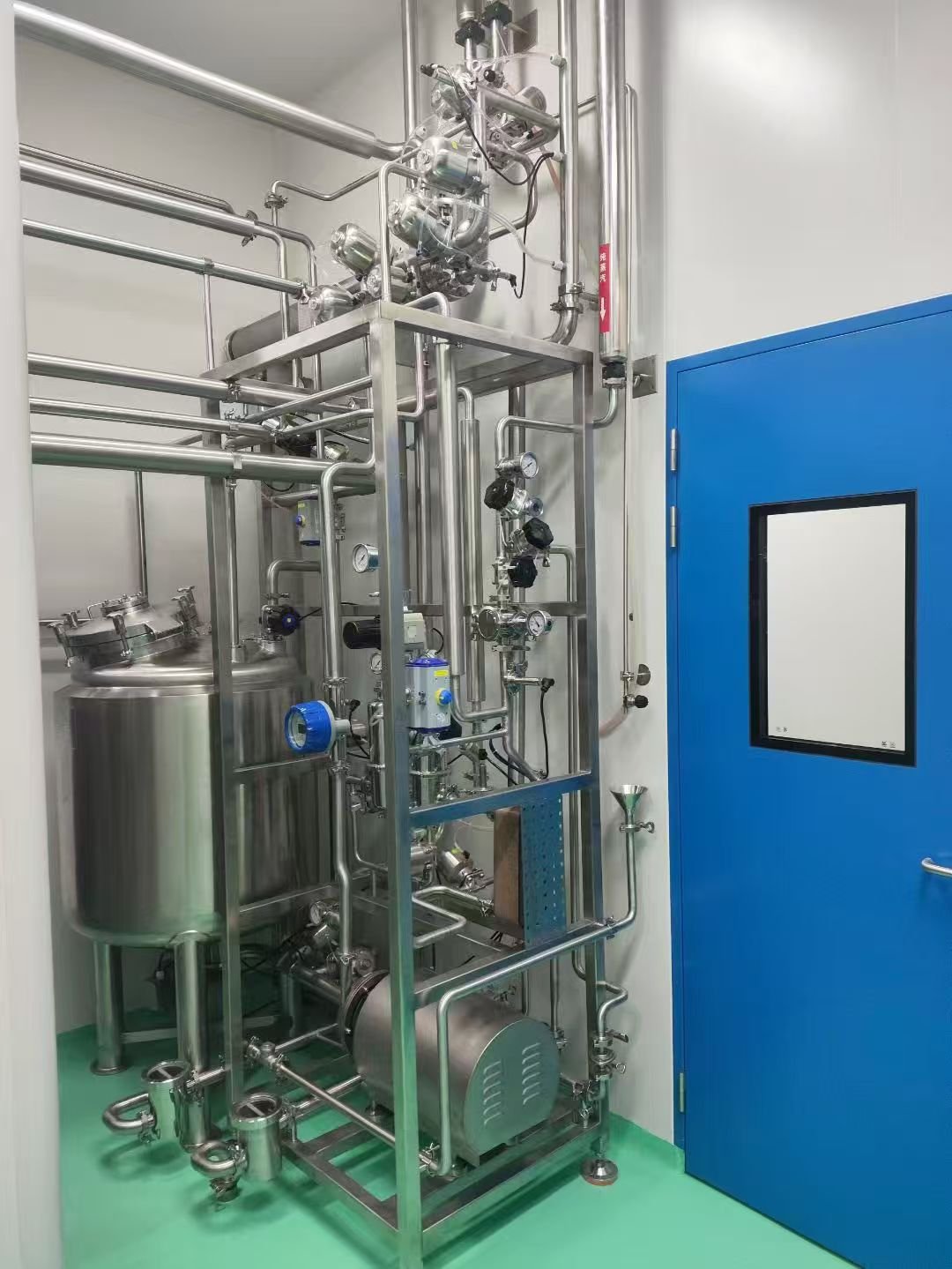
In recent years, substantial progress has been made in the formulation development and stability optimization of liquid biological products. This article systematically summarizes the chemical and physical instability issues of protein therapeutics, along with targeted solutions. For chemical instability, major degradation pathways including deamidation, isomerization, glycosylation, disulfide bond reduction, proteolysis and oxidation are elaborated, and corresponding prevention and control measures are proposed. In terms of physical instability, the discussion covers denaturation, misfolding, aggregate formation, liquid-liquid phase separation, opalescence and defects induced by interfacial interactions.
This paper also explores the interplay between chemical and physical instabilities, as well as their impacts on formulation design, particularly for high-concentration protein formulations. An in-depth understanding of these instability mechanisms can improve the stability, efficacy and safety of protein drugs, thereby advancing their clinical applications.
Deamidation is the most prevalent chemical degradation pathway of proteins, predominantly occurring at asparagine (Asn) residues, followed by glutamine (Gln) residues and monoclonal antibodies (mAbs). The primary mechanism involves intramolecular cyclization via a cyclic imide intermediate, which subsequently hydrolyzes to form aspartic acid (Asp) or isoaspartic acid (isoAsp). Key influencing factors include pH value, buffer composition, steric hindrance and hydrogen bonding between side chains.
Mitigation strategies: Adopt slightly acidic buffer systems; use the minimum effective buffer concentration to avoid buffer-catalyzed degradation; optimize protein sequences during molecular design to eliminate prone sequences such as Asn-Gly, Asn-Ser and Asp-Gly; remove or reduce dissolved oxygen in final products; implement light protection, low-temperature storage, and screen novel excipients.
Aspartate-isomerization (interconversion between Asp and isoAsp) proceeds through cyclization to form a succinimide intermediate, sharing a similar mechanism with deamidation. The reaction accelerates under alkaline conditions. In the presence of glycerol, salts (especially magnesium salts) exert a synergistic stabilizing effect and markedly retard isomerization. Asp isomerization frequently takes place in mAbs, and isomerization within complementarity-determining regions (CDRs) may impair biological activity and potency. Its degradation rate is regulated by multiple factors including pH, buffer type, ionic strength and co-solvents.
Mitigation strategies: Strategies are tailored to molecular structures. Genetic editing technologies such as CRISPR-Cas9, RNA splicing regulation, small-molecule modulators for specific isoforms, siRNA, antisense oligonucleotides (ASOs) and PROTACs can be applied to mitigate adverse effects of isoforms. Additionally, antioxidants, preservatives, sugars and salts can be added as stabilizers to suppress isomerization.
The Maillard reaction, also referred to as non-enzymatic glycosylation or browning, is a common condensation reaction in therapeutic proteins. It occurs between basic groups (e.g., side chains of lysine residues) and reducing sugars. For this reason, liquid protein formulations are generally incompatible with reducing sugars. For instance, storage of etanercept with fructose or maltose triggers protein glycosylation.
Glycosylation intensity increases with pH within the range of pH 2–6 and declines when pH exceeds 8. Sucrose is prone to hydrolysis under acidic conditions or elevated temperatures, generating glucose and fructose (both reducing sugars), which leads to glycosylation in sucrose-based protein formulations during long-term storage. Trehalose exhibits a hydrolysis rate 200 to 2000 times lower than sucrose, making it far less likely to participate in glycosylation reactions.
Mitigation strategies: Enzymatic deglycosylation using endoglycosidases or exoglycosidases; chemical deglycosylation with hydrazine or trifluoroacetic acid; genetic modification via CRISPR-Cas9; application of small-molecule inhibitors against glycosylases and modulation of glycosylation pathways.
1.4 Disulfide Bond Reduction
Disulfide bond reduction refers to the conversion of disulfide bonds (S-S) to free thiol groups (-SH). Cysteine is the only amino acid capable of forming disulfide bonds. Disulfide bonds reduce the conformational entropy of unfolded proteins and maintain thermodynamic equilibrium between molecules and solutions, thus sustaining the native three-dimensional structure and biological activity of proteins. Major influencing factors include shear stress during cell harvesting, dissolved oxygen, pH, temperature and intracellular redox state.
Mitigation strategies: Add EDTA and metal ions to inhibit the activity of reductases; elevate dissolved oxygen level; minimize shear stress during cell harvesting; adjust solution pH and lower storage temperature to slow down disulfide bond reduction.
Polypeptide chains can be cleaved by proteases, and non-enzymatic hydrolysis (proteolysis) also occurs spontaneously. Peptide bonds are chemically stable at neutral pH, whereas sequences containing Asp, Gln, Glu, Ser and Thr are susceptible to hydrolysis via intramolecular cyclization. Metal ions can catalyze this reaction.
The hinge region of mAbs is another vulnerable site for hydrolysis. This reaction shows low sequence dependence and can be initiated by metal catalysis or free radicals, proceeding faster under both acidic and alkaline conditions. Among different IgG subclasses, IgG1 is more prone to hinge region fragmentation due to higher structural flexibility.
Mitigation strategies: Optimize formulation and environmental conditions such as pH and buffer composition; apply protein modification technologies including PEGylation and molecular cross-linking.
Major oxidation mechanisms include metal-catalyzed oxidation (MCO) and carbonylation, which cause chemical modifications on amino acid side chains and polypeptide backbones. MCO requires redox-active metals such as copper, iron and manganese, and primarily modifies histidine (His), methionine (Met), tryptophan (Trp) and tyrosine (Tyr). Methionine is the most susceptible residue and is oxidized to sulfoxide, followed by tryptophan. Oxidation of tryptophan generates diverse degradation products and may cause discoloration of formulations.
Carbonylation involves oxidation of polypeptide backbones and modification of side chains of lysine, arginine, threonine and proline by reactive aldehydes derived from MCO, which may compromise protein stability and trigger immunogenicity.
Mitigation strategies: Reduce exposure to reactive oxygen species; add free radical scavengers, sacrificial agents and chelators; adopt light protection and low-temperature storage.
1.7 Prediction Methods for Chemical Instability
Prediction technologies for chemical instability have advanced rapidly over the past decade, especially with the application of machine learning algorithms. These computational tools can predict post-translational modifications, deamidation, oxidation, carbonylation, hydroxylation and glycosylation. They serve as powerful tools for evaluating and improving the chemical stability of protein therapeutics, facilitating the screening of new drug candidates and optimizing the stability and bioactivity of existing therapeutic proteins.
Physical instability refers to structural changes of proteins without breakage or formation of covalent bonds.
Protein denaturation is characterized by partial or complete loss of higher-order structures (HOS), accompanied by disruption of secondary and tertiary structures, including chemical denaturation, thermal denaturation and cold denaturation.
Chemical denaturation: Induced by denaturants (chaotropic agents) such as urea and guanidine hydrochloride (GnHCl), which also alter the pKa values of ionizable groups in proteins.
Thermal denaturation: Triggered by elevated temperature, presenting a sigmoidal transition curve. The melting temperature (Tm) is widely used as an indicator of conformational stability. Thermal denaturation of mAbs is highly reversible under low-pH conditions.
Cold denaturation: The relationship between protein free energy and temperature follows a parabolic curve. The high-temperature intercept corresponds to Tm, while the low-temperature intercept is defined as the cold denaturation temperature. Conformational stabilizers and pH adjustment can modulate the cold denaturation temperature.
The native conformation of proteins is thermodynamically favorable with the lowest energy state. However, external stresses such as high temperature, extreme pH and mechanical shear force may drive proteins to adopt misfolded conformations. Misfolded proteins lose functional three-dimensional structures and biological activity, and tend to form insoluble aggregates via intermolecular interactions, which may be recognized as foreign substances by the immune system and induce immune responses.
Mitigation strategies: Resolve misfolding at the cellular level, such as optimizing protein sequences via genetic engineering to enhance folding stability and anti-aggregation capacity.
2.3 Formation of Aggregates and Particles
Protein aggregates are classified into non-covalent and covalent aggregates. Non-covalent aggregation proceeds via nucleation and growth stages, with oligomers (dimers and trimers for mAbs) acting as critical nuclei. Regulating pH to improve conformational and colloidal stability is essential for inhibiting aggregation. Protein-protein interactions (PPI) also modulate aggregation behavior.
Covalent aggregation is mainly caused by intermolecular disulfide bond formation, which can be alleviated by lowering pH and temperature, or eliminating/blocking free cysteine residues. Subvisible particles carry potential immunogenic risks and require rigorous detection, quantification and characterization, while visible particles need regular visual inspection.
2.4 Structural Changes Induced by Aggregation
Aggregation disrupts the native protein conformation, masks or inactivates functional sites, and reduces protein solubility, thus interfering with drug absorption and distribution. Aggregates also lead to formulation heterogeneity, adversely affecting quality control and therapeutic efficacy.
Mitigation strategies: Add surfactants (e.g., Polysorbate 20/80) to reduce aggregation caused by interfacial adsorption; use metal ion regulators and chelators to prevent metal-induced aggregation; optimize production and storage processes to minimize mechanical stress; remove pre-existing aggregates to avoid seeding effects.
2.5 Liquid-Liquid Phase Separation (LLPS)
LLPS describes the phenomenon that an aqueous protein solution separates into a protein-rich phase and a protein-poor phase. It is exacerbated at high protein concentrations, in the presence of polymeric excipients or under phase-transition conditions. LLPS can be modulated by regulating PPI, pH and excipient addition, and conformational changes are also associated with LLPS in mAb solutions.
LLPS itself is a type of physical instability, promotes protein aggregation and interferes with mAb purification. Turbidity measurement alone cannot accurately assess LLPS, as liquid-solid transition and large particle formation may occur simultaneously.
Mitigation strategies: Optimize solution conditions (pH, ionic strength, temperature); add protective agents such as sugars, polyols and surfactants; reduce protein concentration and optimize process and storage conditions; modify protein structures via molecular engineering; apply real-time monitoring technologies to ensure formulation homogeneity and long-term stability.
Opalescence is commonly observed in mAb solutions, especially at high concentrations. This phenomenon is correlated with PPI and the formation of transient protein networks, and becomes more pronounced at low temperatures. Ionic excipients (e.g., NaCl, amino acids especially arginine hydrochloride) can adjust opalescence intensity, and low ionic strength helps mitigate opalescence. pH, buffer composition and removal of polysorbate also exert influences on opalescence of IgG1 mAbs.
2.7 Instability Caused by Interfacial Interactions
2.7.1 Gas-Liquid Interfacial Instability
Protein solutions inevitably contact the air-water interface during manufacturing and final storage, resulting in interfacial damage, which is commonly evaluated by stirring tests. Although eliminating headspace can prevent such damage, it is impractical for large-scale application. Surfactants are therefore widely used, as they preferentially occupy the interface and protect proteins from interfacial stress.
pH and salt concentration also affect interfacial stability. pH alters protein secondary structure and overall charge to regulate adsorption and aggregation at the negatively charged air-water interface, while salts mitigate damage during stirring.
2.7.2 Damage Induced by Transportation and Mechanical Impact
Mechanical impact during transportation is another key factor causing formulation damage. Surfactants effectively inhibit particle formation induced by dropping and mechanical shock.
2.7.3 Roles of Colloidal and Conformational Stability in Interfacial Damage
Improved colloidal stability can inhibit aggregation triggered by interfacial stress (e.g., stirring). Conformational stability also participates in modulating interfacial damage, among which colloidal stability plays a more dominant role.
3 Prediction Methods for Physical Stability
3.1 Aggregation Propensity
A variety of algorithms have been developed to predict protein aggregation propensity based on amino acid sequences. The Spatial Aggregation Propensity (SAP) method is widely applied to identify aggregation hotspots via dynamic exposure of hydrophobic groups, especially for mAbs. Modeling of antibody PPI enables prediction of colloidal behaviors. Combined evaluation of conformational and colloidal stability is used to calculate aggregation rates, particularly for mAb products.
3.2 Solubility Prediction
Multiple methods have been established to assess relative and absolute protein solubility. Advanced prediction algorithms including SolPro, PROSO, CCSOL and CamSol are currently available.
Protein propensity toward LLPS can be predicted based on the formation of π-π interactions.
Viscosity is closely correlated with colloidal stability. The second virial coefficient (B22) and interaction parameter (kD) are applied to characterize PPI and predict viscosity. B22 shows better performance than kD for viscosity prediction, while the Huggins coefficient (kH) is more reliable for viscosity extrapolation based on low-concentration measurements.
4 Interplay between Chemical and Physical Instability
Although chemical and physical instability can be distinguished by mechanisms, they interact closely with each other. Chemical degradation alters protein conformational stability and aggregation propensity; conversely, aggregate formation and conformational changes accelerate chemical degradation.
4.1 Deamidation and Aggregation
In most cases, deamidation increases protein aggregation propensity. Exceptions exist: deamidation at Asn21 of islet amyloid polypeptide (IAPP) inhibits aggregation, while N14D mutation accelerates fibril formation. Such discrepancies arise from the diverse effects of deamidation on protein conformational stability, colloidal stability and structural flexibility. Deamidation also exacerbates aggregation of interferon-α, though the effect is milder than that caused by methionine oxidation.
4.2 Oxidation and Aggregation
Oxidation is a universal chemical degradation pathway that alters physical stability and increases aggregation propensity of calcitonin, relaxin peptide fragments and fumarase. Methionine oxidation, metal-catalyzed oxidation, carbonylation and photo-oxidation of mAbs all promote aggregate formation. Chelators and free methionine can be supplemented to reduce oxidative degradation.
4.3 Glycosylation and Aggregation
Glycosylation increases aggregation propensity of human serum albumin (HSA), bovine serum albumin (BSA), IgG and antibody light chains by modifying surface properties and reducing colloidal stability. In some cases, glycosylation enhances conformational and thermal stability and thus suppresses aggregation. The final outcome depends on the type of reducing sugar and specific glycosylation sites for amyloid-β (Aβ) fibril formation.
Other coupled reactions include pyroglutamate formation, aspartate isomerization, polypeptide fragmentation and subsequent aggregation.
5 Impacts on Integrated Formulation Strategies
Formulation design covers dosage form selection (liquid, lyophilized, etc.), excipient screening and pH optimization, determination of optimal protein concentration and manufacturing processes, as well as packaging and storage conditions. The selection of excipients to maintain stability and critical product attributes (viscosity, solubility, appearance, etc.) is discussed as follows.
5.1 Selection of Excipients
Quality and purity: Excipient quality and purity directly affect the stability of protein therapeutics. Impure excipients may also cause adverse reactions and toxicity in patients.
Novel excipients: Development of novel stabilizers such as amino acid derivatives is a key research direction.
Nonionic surfactants: Polysorbates are the most commonly used surfactants, but they are susceptible to hydrolysis and oxidation, releasing free fatty acids and inducing particle formation. Poloxamer 188 is the most mature alternative. Other potential candidates include n-dodecyl-β-D-maltoside (DDM), Brij-58 and FM1000.
5.2 Effects of Excipients on Stability
Modulate deamidation: Amine compounds, polyols, glycosylated polymers, amino acids, salts and polyamines.
Inhibit oxidation: Antioxidants, sacrificial agents and chelators.
Suppress glycosylation: Natural antioxidants such as resveratrol, saponins and polyphenols.
5.2.2 Conformational Stability
Excipients improve conformational stability via the excluded volume effect and ligand binding.
Excluded volume effect: Solutes such as sugars, polyols, most amino acids, salts and polymers are preferentially distributed in the bulk solution rather than on protein surfaces. Increasing the dosage of such excipients enhances conformational stability, and high-molecular-weight substances exhibit superior stabilizing effects.
Ligand binding: Small molecules binding to native proteins stabilize conformations. Effective ligands include metal ions, surfactants, anions, cyclodextrins, nucleotides, fatty acids, vitamins, cofactors, polyanions and polycations.
5.2.3 Colloidal Stability
Excipients that regulate PPI improve colloidal stability, thereby enhancing solubility, inhibiting aggregation, reducing opalescence and lowering viscosity. Amino acids, especially arginine salts, are widely used for this purpose.
5.3 Multi-Dose Formulations
Preservatives are added to multi-dose formulations to inhibit microbial growth, while their potential impacts on protein stability must be fully evaluated.
6 Formulation of High-Concentration Protein Products
High-concentration (HC) protein formulations for subcutaneous administration have become a major research focus, while their development faces challenges including sharply increased viscosity and elevated aggregation tendency at high protein concentrations.
6.1 Challenges of Subcutaneous Administration
Compared with intravenous infusion, subcutaneous administration results in reduced bioavailability (as low as 50% for mAbs). Low-molecular-weight excipients diffuse rapidly in subcutaneous tissues, while large-molecular-weight protein drugs are mostly transported via the lymphatic system, which is the main cause of reduced bioavailability. Injection site reactions and pain are also common issues.
Solution viscosity increases exponentially with protein concentration. Excipients including proline, glycine, sodium chloride, basic amino acids (histidine, lysine, arginine), arginine-glutamate and sugars can reduce viscosity. Combined application of caffeine and arginine hydrochloride shows better viscosity-lowering performance than single ionic excipients such as NaCl and arginine hydrochloride.
High protein concentration significantly increases aggregation propensity. Sodium chloride, arginine and proline can effectively control aggregation and reduce viscosity. Elevated ionic strength generally impairs colloidal stability and accelerates aggregation at high protein concentrations.
6.4 Alternative Solutions for Ultra-High Concentration Formulations
For concentrations exceeding 250 mg/mL, alternative dosage forms and delivery technologies are required:
Alternative dosage forms: Suspensions (aqueous suspensions, solid-in-oil suspensions, non-aqueous solvent systems) and nanocluster dispersions.
Drug delivery technologies: Polyelectrolyte-protein complexation.
Other strategies include dense-phase formulations, coacervates, protein microparticles and protein crystals. Recombinant hyaluronidase (rPH20) temporarily degrades subcutaneous basement membranes and allows injection of large volumes (up to 20 mL), breaking the volume limitation of subcutaneous administration. These technologies support the development of formulations with higher concentration, better stability and lower viscosity.
6.5 Combination Formulations
Combination protein therapeutics containing multiple proteins in a single formulation have attracted increasing attention. Most mAb mixtures show no obvious intermolecular interactions, whereas oppositely charged proteins may cause colloidal instability. Co-formulation of different mAbs may destabilize intrinsically stable molecules or stabilize unstable ones.
Factors Affecting Cell Line Stability
Cell line stability is influenced by multiple factors, including cell type, expression vector design, manufacturing processes and cell banking conditions.
Chinese hamster ovary (CHO) cells are the dominant expression system for recombinant protein therapeutics in biopharmaceuticals, with over 70% of approved recombinant protein drugs produced in CHO cells. Compared with other expression systems, CHO cells possess distinct advantages:
Efficient expression and extracellular secretion of target proteins;
Authentic post-translational modifications, endowing recombinant proteins with biological and physicochemical properties similar to native counterparts;
Adaptability to high-density suspension culture in protein-free and animal-component-free media for large-scale industrial production;
Low secretion of endogenous proteins, facilitating downstream purification of recombinant proteins.
CHO cells feature strong adaptability to diverse culture conditions for robust cell growth and high-level protein expression. Maintaining stable and high-yield expression is critical for recombinant protein production. However, progressive loss of protein productivity during long-term serial passaging remains a common problem, and the underlying molecular mechanisms have not been fully elucidated.
Loss of gene copy number and gene silencing are primary causes of expression instability and productivity decline in CHO cells. In mammalian cells, tandem repeated transgene copies are more susceptible to DNA methylation and gene silencing than single-copy transgenes, indicating the vital role of epigenetic regulation in transgene expression.
2.1 Effects of Epigenetic Regulation on Recombinant CHO Cell Line Stability
Epigenetics refers to heritable changes in gene expression without alteration of DNA sequences. The main regulatory mechanisms include DNA methylation, histone modification and microRNA (miRNA) regulation. Variability in production performance of recombinant CHO cells is largely attributed to epigenetic-mediated instability of promoters in expression vectors.
DNA methylation is the covalent addition of methyl groups to the 5-carbon of cytosine within CpG dinucleotides, catalyzed by DNA methyltransferases (DNMTs). It generally suppresses gene expression and induces gene silencing. CpG islands are CpG-rich sequences in gene regulatory regions; high methylation density in promoter CpG islands strongly inhibits transcription.
DNA methylation represses gene expression via three pathways: blocking the binding of transcription factors, recruiting methyl-CpG-binding transcriptional repressors, and altering chromatin structure to maintain transcriptional inactivity.
During cell proliferation and passaging, de novo DNA methylation of promoters and enhancers drives transcriptional silencing, which is a major cause of instability in CHO cells. Methylation of CMV promoters and accumulation of repressive histone modifications lead to reduced transgene expression. For example, productivity loss in CHO DG44-derived cell lines during passaging is directly caused by DNA methylation-induced transcriptional silencing.
2.1.2 Histone Modification
Histones are small basic proteins classified into five major subtypes: H1, H2A, H2B, H3 and H4. Post-translational modifications (PTMs) on the N-terminal tails of histones include methylation, acetylation, ubiquitination and phosphorylation, which remodel chromatin structure and regulate transcription, DNA repair, replication and recombination.
Histone modifications function by directly altering chromatin conformation or recruiting downstream effector molecules. Non-coding RNAs also act as signaling molecules, decoys, guides and scaffolds for chromatin modifiers. The integrated regulatory network of transcription and post-transcriptional modification establishes specific gene expression patterns, proteomes and metabolomes, which determine cell phenotypes and viability.
2.1.3 Effects of miRNA on CHO Cell Stability
miRNAs regulate recombinant protein expression in CHO cells by modulating cell proliferation, apoptosis, transcription, translation and metabolism. A single miRNA can target multiple genes and regulate diverse metabolic pathways without increasing translational burden. Combinatorial regulation of favorable pathways enhances protein production, while mixed regulatory effects may compromise productivity.
Numerous studies have confirmed the potential of miRNAs to improve production stability of CHO cells. Researchers have identified over 100 miRNAs with differential expression at different growth stages of CHO-K1 cells. Twelve miRNAs have been verified to promote cell growth in multiple CHO cell lines. Novel miRNAs including miR-18b-3p, miR-521-1-3p, miR-3667-5p and miR-3939-3p enhance recombinant protein production. Stable overexpression of miR-574-3p increases protein yield by 30%–40% on average.
Random integration of exogenous genes into host chromosomes is the mainstream strategy for cell line development. Due to the variability of integration sites, recombinant cell lines may suffer from transgene copy number loss and gene rearrangement during long-term culture, resulting in unstable expression.
The position effect describes the phenomenon that the expression level of exogenous genes is determined by their chromosomal integration loci. In CHO cells, different integration sites possess distinct chromatin structures and regulatory elements. Genes integrated into transcriptionally active open chromatin regions exhibit higher and more stable expression. Variable integration sites lead to heterogeneous expression levels and stability among recombinant cell clones.
2.3 Impacts of Gene Amplification Systems
The dihydrofolate reductase (DHFR) system and glutamine synthetase (GS) system are two most widely used gene amplification systems for CHO cells.
DHFR system: Methotrexate (MTX) inhibits DHFR activity. Transfection of DHFR-knockout cells with plasmids carrying the target gene and dhfr gene, followed by stepwise increase of MTX concentration, amplifies both the dhfr gene and linked target genes to achieve high-level expression.
GS system: Methionine sulfoximine (MSX) inhibits GS activity. Under glutamine-deficient culture conditions, MSX screening induces co-amplification of the gs gene and target genes.
However, these amplification systems may cause chromosomal translocation and homologous recombination, leading to abnormal karyotypes. In the absence of selective pressure or during long-term passaging, transgene copy number decreases and protein expression declines. In addition, screening for high-yield and stable cell lines is time-consuming, which becomes a bottleneck for mammalian cell expression platform development.
Cell culture processes and cell banking conditions also affect cell line stability, which requires continuous exploration in practical production.
3 Strategies for Enhancing Cell Line Stability
Multiple strategies have been developed to improve cell line stability, including application of CpG-free promoters, ubiquitous chromatin opening elements (UCOE), rational selection of hot-spot integration sites, development of novel amplification systems and screening of high-efficiency promoters. Typical research cases are presented below.
3.1 Application of Ubiquitous Chromatin Opening Elements (UCOE) in Vector Design
Incorporation of UCOE into expression vectors improves protein productivity and maintains stable transgene expression in CHO cells. UCOE is a genetic element that establishes and maintains open chromatin conformation, which suppresses DNA methylation in promoter regions and prevents transgene silencing.
Studies have demonstrated that reduced mAb expression is mainly caused by transcriptional silencing of heavy chain (HC) and light chain (LC) genes rather than copy number loss. Methylation of promoter CpG islands plays a dominant role in transcriptional silencing. Cis-acting epigenetic regulatory elements including locus control regions (LCR), matrix attachment regions (MAR) and UCOE protect transgenes from adverse epigenetic modifications. Among these elements, UCOE effectively enhances transgene expression and stability in mammalian cells.
Four types of plasmids were constructed for stable cell line development: UCOE inserted upstream of both HC and LC CMV promoters, UCOE only upstream of LC CMV promoter, UCOE only upstream of HC CMV promoter, and vector without UCOE as control. After long-term screening of high-yield cell pools, experimental results showed that vectors containing UCOE achieved higher and more stable expression compared with the control group. The cell pool with UCOE inserted upstream of both HC and LC promoters (CHO-UHL) exhibited the best performance for mAb production. Upregulation of HC expression contributed more to optimized production performance. This novel vector system provides an alternative strategy for industrial cell line development.
3.2 Site-Specific Integration (SSI)
Site-specific integration of target genes into predefined chromosomal loci eliminates phenotypic heterogeneity caused by position effects, ensures long-term consistent expression and greatly shortens cell line screening cycles. The transcriptionally active and stable integration loci are defined as “hot spots”. Genes integrated into hot spots show low clonal variation, stable histone modification patterns and sustained high-level expression during long-term passaging, with productivity comparable to randomly integrated cell lines.
3.3 Development of Novel Gene Amplification Systems
Traditional amplification systems are prone to chromosomal abnormalities and copy number loss. Researchers have explored novel amplification systems based on adenine phosphoribosyltransferase (APRT). APRT is a key enzyme in the purine salvage pathway for AMP synthesis, and it also regulates gene silencing.
In this study, APRT-knockout CHO cell lines were established. Wild-type and APRT-deficient CHO cells were transfected with eukaryotic expression vectors to evaluate the effects of APRT knockout on target protein expression. Enhanced green fluorescent protein (EGFP) was used as a reporter gene.
Fluorescence observation and flow cytometry detection at 72 h post transient transfection and 14 days after stable selection showed that EGFP expression in APRT-deficient cells was significantly higher than that in wild-type cells. For transient transfection, expression levels increased by 42%±6% and 56%±9% respectively; for the first generation of stable cell lines, expression increased by 32%±4% and 35%±6% respectively (P<0.05).
After 60 generations of serial passaging, EGFP expression in APRT-deficient cells remained significantly higher than the control group with or without blasticidin (BSD) selective pressure, with expression levels 2.02-fold and 1.53-fold higher respectively (P<0.05). The expression retention rate was calculated as the ratio of mean fluorescence intensity (MFI) at passage 60 to that at passage 1. Cell lines transfected with control vectors showed obvious expression decline (retention rate below 70%), while cell lines with modified vectors maintained a retention rate above 70%. APRT-deficient cells exhibited the highest expression stability.
The APRT-based expression system shortens cell line screening time, improves protein yield and maintains long-term expression stability, providing an effective cell engineering strategy for high-performance CHO cell platforms.
As a leading process-oriented engineering company, Sino Bioengineering delivers professional bioengineering solutions and comprehensive technical services to clients worldwide.
For more products and solutions: https://sinobioengg.com/category/solution/
For more service: https://sinobioengg.com/category/service/