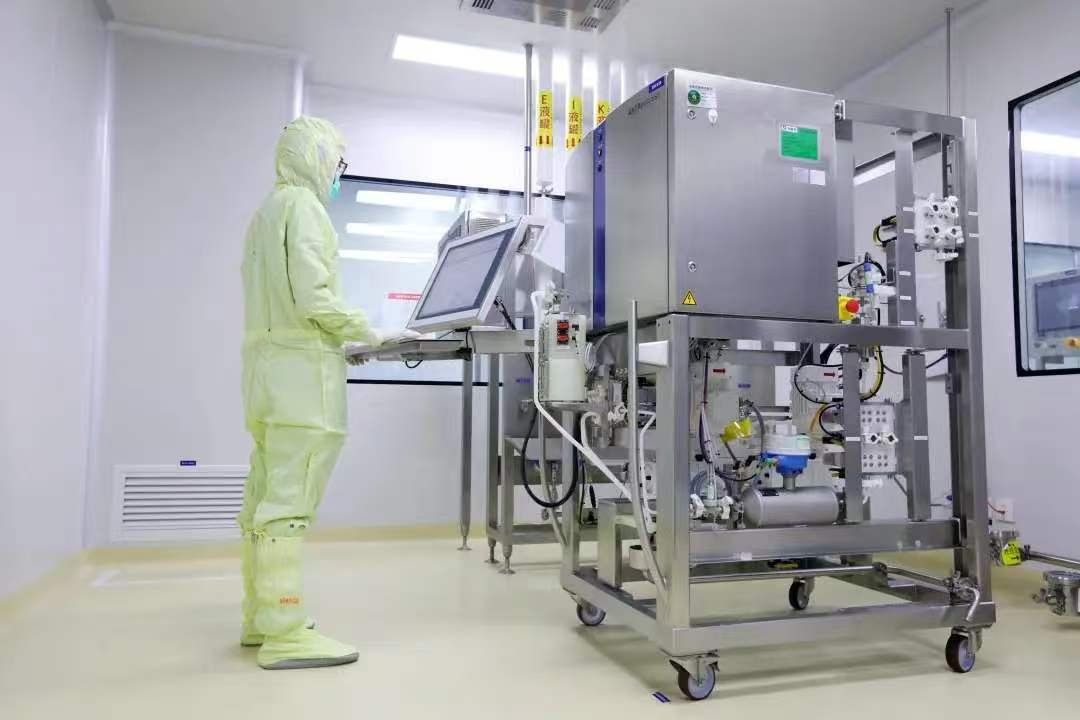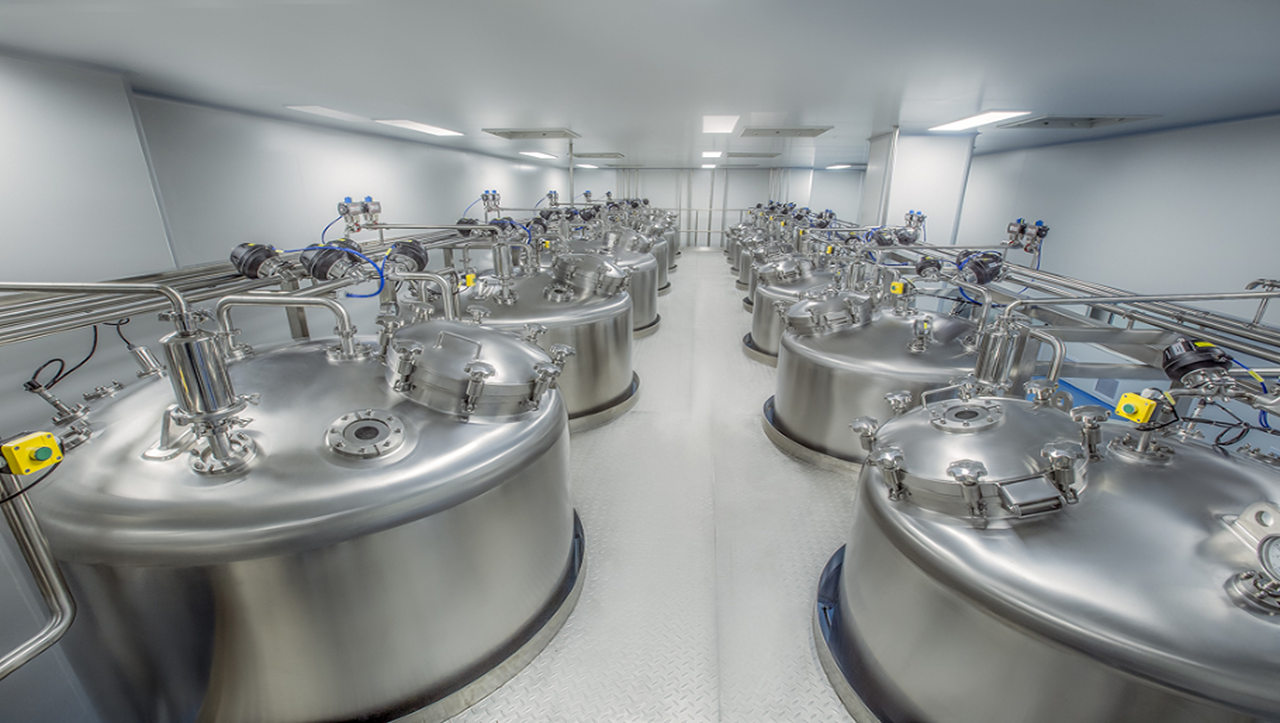
Since the early 21st century, the global biopharmaceutical industry has experienced rapid growth. By December 2022, over 100 chimeric, humanized, and fully human monoclonal antibody (mAb) drugs had received FDA approval and entered clinical use. In the 2024 H1 global best-selling drug rankings, monoclonal antibody drugs continued to hold a significant position. However, translating laboratory-developed antibodies into commercially manufacturable drugs is far from straightforward. This process presents numerous challenges and hurdles, requiring the selection and formulation of targeted coping strategies to ensure high-quality production and stable market supply.
01 Difficulties in Commercial Antibody Manufacturing
Monoclonal antibody production is an extraordinarily complex process. The industrial manufacturing phase is broadly divided into upstream fermentation, downstream purification, and formulation & filling stages. Antibody production involves multiple critical links, including cell culture, protein expression, purification, and structural analysis. These steps are interconnected, and any error may lead to production failure or compromised product quality. Thus, ensuring the stability and reproducibility of each step is paramount to successful manufacturing and consistent product quality.
1 Challenges in Upstream Manufacturing
The development of antibody drugs is an extremely intricate process, among which the construction of high-yield cell lines suitable for industrial production is the first and most critical step. This step directly impacts production efficiency and final product quality. Depending on a company’s R&D capabilities, the period from cell line screening to the completion of cell culture process development typically ranges from 6 to 12 months, and sometimes even longer. Although cell line construction accounts for a small proportion of the total antibody production cost, it plays a pivotal role in enhancing yields for large-scale manufacturing. Currently, the majority of antibody drugs are expressed using CHO (Chinese Hamster Ovary) cells. Developing cell lines that stably express high-yield, high-quality antibodies is one of the core objectives of industrial antibody manufacturing.
To address these challenges, researchers are continuously exploring innovative solutions. These include introducing high-yield cell lines and optimizing culture conditions to boost antibody expression levels; developing high-throughput screening technologies and rapid innovation platforms to improve efficiency. For instance, in cell line development, Dingkang Biotech has developed a proprietary high-yield CHO expression system with expression levels exceeding 10 g/L. Leveraging advanced single-cell printers and high-resolution imaging systems, the monoclonality of single cells is guaranteed, while the timeline for single-cell line construction is shortened to 3.5–4 months. All cell line production and monoclonality verification comply with regulatory requirements, with complete documentation and traceability. Furthermore, Dingkang Biotech can engage at the Discovery stage of partners, utilizing its CMC platform to conduct developability studies on candidate molecules, shortening development cycles, mitigating CMC-phase project risks, and rapidly advancing molecules to clinical stages with robust processes and efficient production. To date, over 30 new drug projects have successfully completed process transfer and optimization.
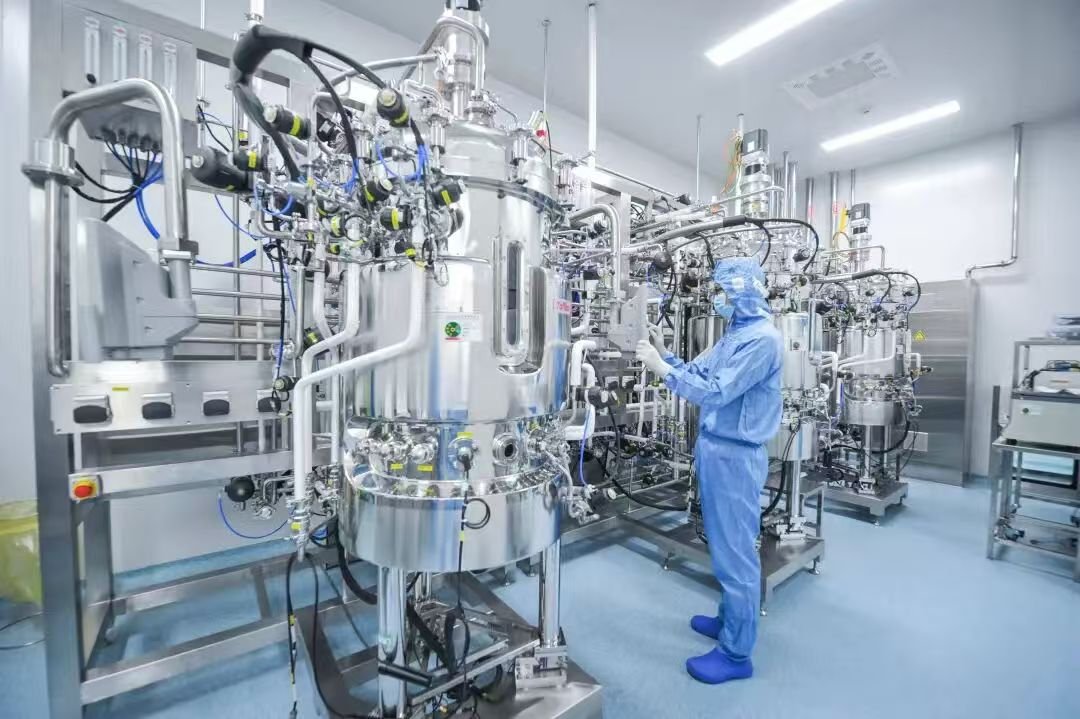
In antibody manufacturing process development, scale-up is critical. During large-scale antibody production, cell culture and fermentation—core upstream processes—require substantial human and material resources, directly determining productivity. Animal cells are highly sensitive to changes in the culture microenvironment, and scale-up of bioreactors frequently encounters challenges related to shear force, O₂ supply, CO₂ removal, and pH control. Shear force can be mitigated by reducing agitation speed or using shear protectants, while O₂ supply and CO₂ removal are optimized through enhanced aeration and agitation strategies. pH control requires consideration of mixing time and alkali addition points. Additionally, real-time or near-real-time monitoring systems are implemented to track critical process parameters (CPPs) and product quality attributes (PQAs). Advanced analytical techniques are employed to assess cell growth, metabolite profiles, and impurity levels. During process scale-up, gradual scale progression and evaluation of the robustness of process parameters and impurity levels at each stage are essential to ensure process consistency and reliability throughout scale-up.
2 Challenges in Downstream Manufacturing
The objective of downstream biopharmaceutical processing is to isolate the target drug molecule from complex fermentation broth to meet purity and quality standards. With advancements in upstream technologies, monoclonal antibody yields have increased from milligrams per liter to grams per liter. Unlike the more than 10-fold efficiency improvement in upstream processing, the major cost burden of antibody production has shifted to downstream operations. Consequently, the economic and efficient concentration, separation, and purification of target biomolecules from complex fermentation mixtures have become a shared global priority in antibody manufacturing.
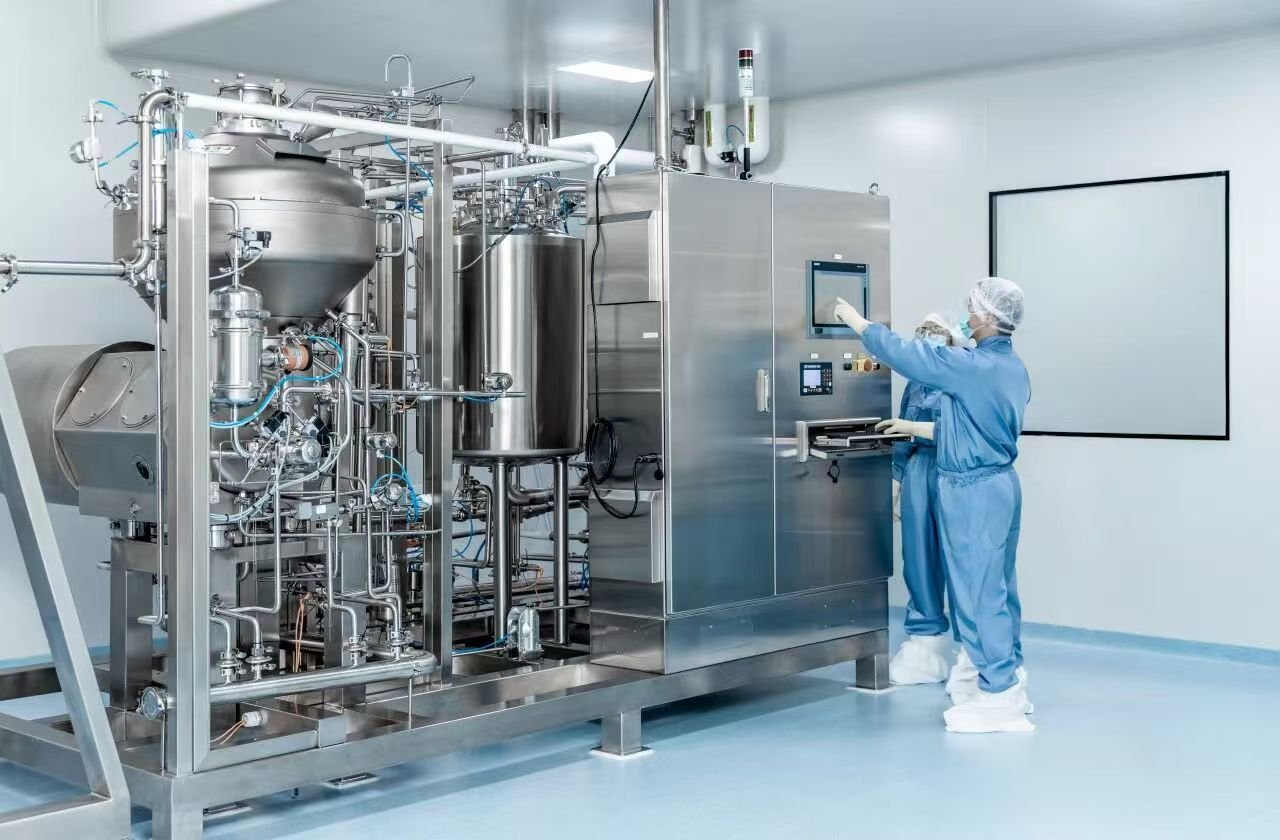
Chromatography is a critical unit operation in antibody production, particularly in downstream purification. Successful scale-up requires consideration of linear scalability of chromatographic parameters, equipment selection, GAP/FMEA analysis, as well as scale-up validation and parameter fine-tuning. Scale-up from lab to pilot scale may require a 50–100-fold increase, while pilot-to-commercial scale typically demands a 10–50-fold expansion. Protein A affinity media is the workhorse of downstream purification, yet its high cost represents a major challenge.
Antibody drugs differ fundamentally from traditional chemical drugs in cost structure across R&D, manufacturing, and distribution:
High R&D costs: The total R&D cost for an innovative antibody drug can reach USD 1.2 billion, while biosimilar antibodies cost approximately USD 75–250 million.
High manufacturing and distribution costs: Antibody drugs rely on biosynthesis and possess complex tertiary structures (many are large protein molecules), resulting in high fixed-asset investments for manufacturing, as well as storage and distribution costs far exceeding those of conventional drugs.
High labor costs: The complexity of antibody manufacturing necessitates significant human resources and equipment investment, driving high production costs, which in turn elevate drug prices and limit market competitiveness.
Reducing biopharmaceutical production costs is a multifaceted endeavor spanning R&D, manufacturing, supply chain management, and quality control. Key strategies include:
a) Cost Control in the R&D Phase
Optimize molecular design to minimize downstream manufacturing and purification costs. Leverage computational biology and bioinformatics tools to predict and optimize molecular stability and expression levels.
b) Manufacturing Process Optimization
Adopt high-yield cell lines and expression systems (e.g., Dingkang Biotech’s CHO-K1 cell line). Optimize culture conditions and bioreactor design to enhance productivity. Implement continuous manufacturing workflows to reduce inter-batch setup and cleaning downtime.
c) Process Scale-Up and Large-Scale Manufacturing
Achieve seamless transition from lab to industrial scale through robust process scale-up, lowering unit costs. Deploy automation and robotics to reduce labor costs and enhance process consistency.
Select optimal manufacturing locations. For example, Wuhan, Hubei Province, offers distinct advantages over Shanghai and Suzhou: lower labor costs, abundant talent resources, and higher workforce stability. Many biopharmaceutical professionals in China hail from Wuhan and Hubei, providing a steady talent pipeline for capacity expansion, with greater employee retention.
e) Quality Control and Assurance
Implement stringent quality control to minimize non-conforming batches and avoid waste. Utilize advanced analytical methods to ensure product quality, reducing rework and re-production.
f) Regulatory Compliance and Documentation Management
Ensure all operations adhere to regulatory requirements to avoid non-compliance costs. Optimize document management systems to mitigate delays and expenses related to documentation issues.
g) Technology and Equipment Upgrades
Invest in cutting-edge technologies and equipment to boost efficiency and reduce long-term operational costs. Conduct regular maintenance and upgrades to prevent production disruptions due to equipment failure.
h) Collaboration and Outsourcing
Partner with specialized service providers to leverage their expertise and reduce R&D and manufacturing costs. Outsource non-core activities to focus on core competencies.
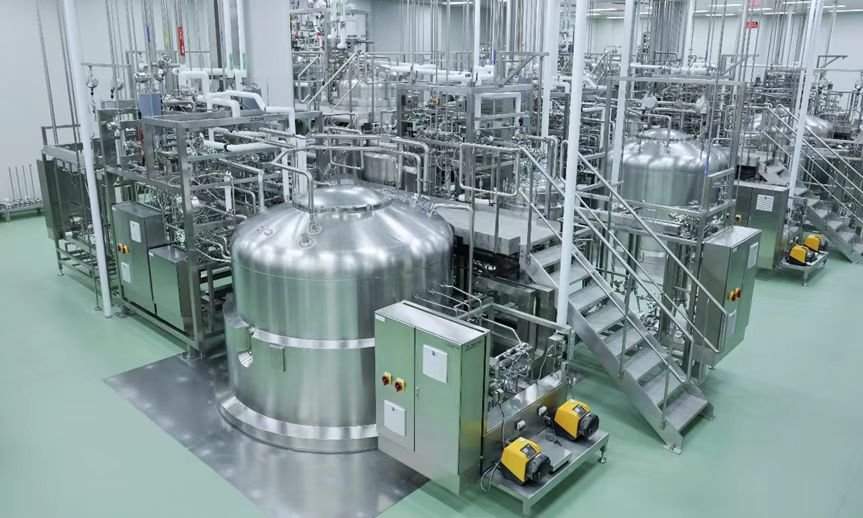
As global biologic drug sales expand, top-selling products are increasingly biopharmaceuticals. Coupled with biosimilar competition, pricing has become a critical factor in future market competition. Drug costs directly determine pricing, making yield enhancement and cost reduction top priorities in biologic development. The majority of antibody drugs are humanized, constructed by grafting mouse antibody complementarity-determining regions (CDRs) onto human antibody frameworks, resulting in nearly identical physicochemical properties. This enables standardization of antibody manufacturing processes. The general workflow of antibody manufacturing platforms encompasses upstream and downstream processing, predominantly batch-based, and is controlled in GMP-compliant manufacturing facilities. Process standardization facilitates the standardization of manufacturing equipment, auxiliary materials, and raw material systems, enabling biopharmaceutical companies to outsource manufacturing to CDMOs (Contract Development and Manufacturing Organizations). Selecting the right CDMO can significantly shorten R&D cycles, reduce costs, and enable efficient, cost-effective biologic development.
The biopharmaceutical industry has witnessed profound technological innovations in both drug discovery and manufacturing. Concurrently, horizontal industry specialization has gained prominence: biopharmaceutical and biotechnology companies increasingly focus on drug discovery and development, while CDMOs specialize in process development and manufacturing. Amid diverse challenges in commercial antibody manufacturing, enterprises must holistically consider technological, market, and regulatory factors to formulate robust coping strategies. These include selecting optimal manufacturing technologies, optimizing workflows, ensuring product quality, and aligning with market demand, pricing strategies, and regulatory requirements. Only through continuous innovation and improvement can companies thrive in the fiercely competitive antibody drug market, delivering higher-quality, more effective therapies to patients. This requires sustained attention to technological advancements, strengthened collaboration with CDMOs, and proactive adaptation to evolving market and regulatory landscapes to ensure products and services meet patient needs while achieving commercial success.