
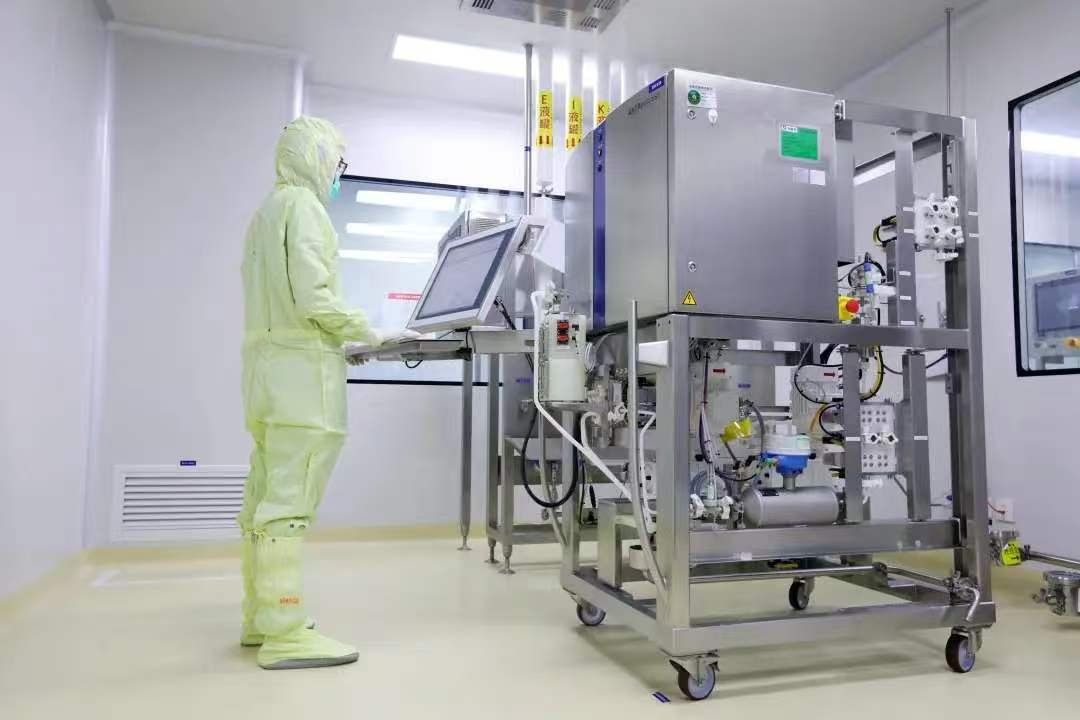
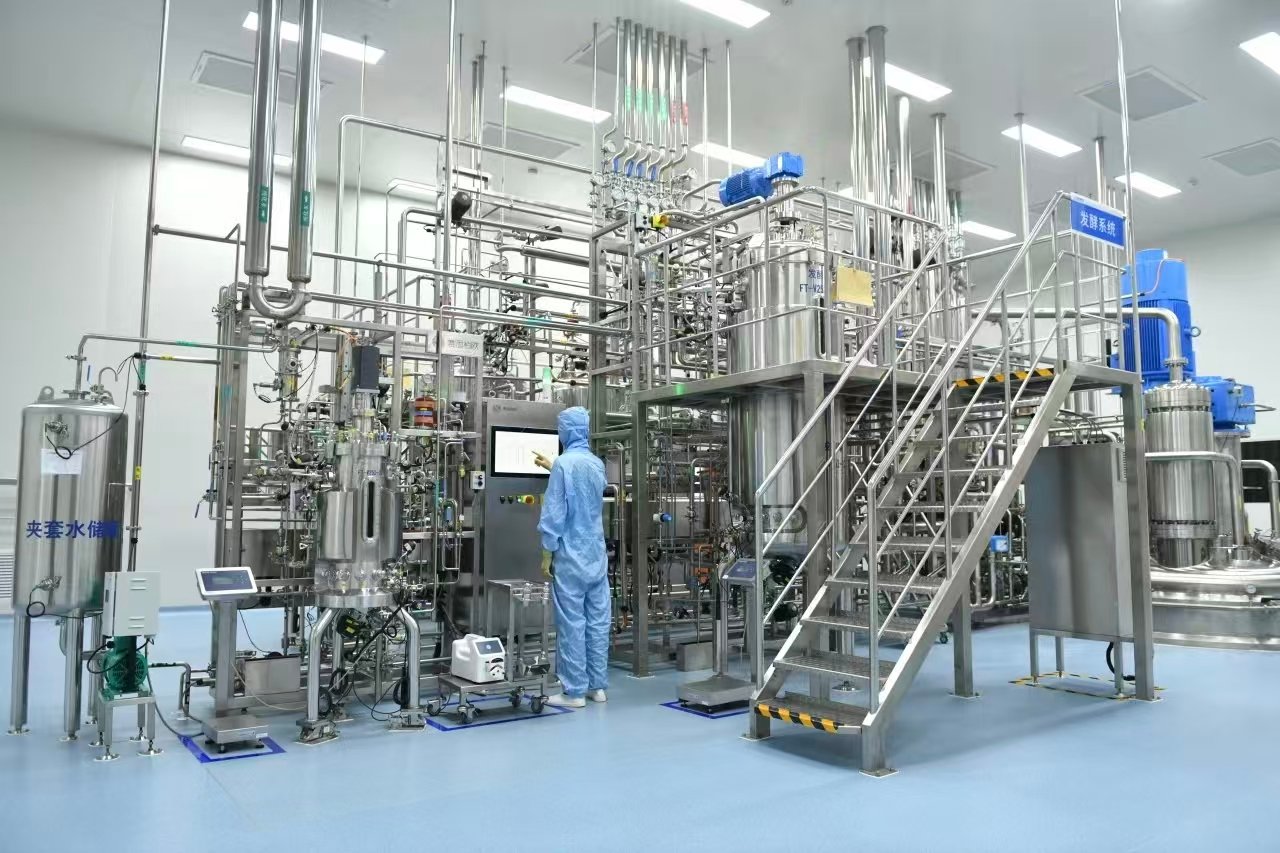
During the upstream processes of antibody production, cell culture media are prepared, transported and stored, while cell cultivation and harvest are also performed. In these stages, culture media, culture systems and harvest liquids are inevitably exposed to ultraviolet (UV) radiation, sunlight, artificial fluorescent lamps and other light sources.
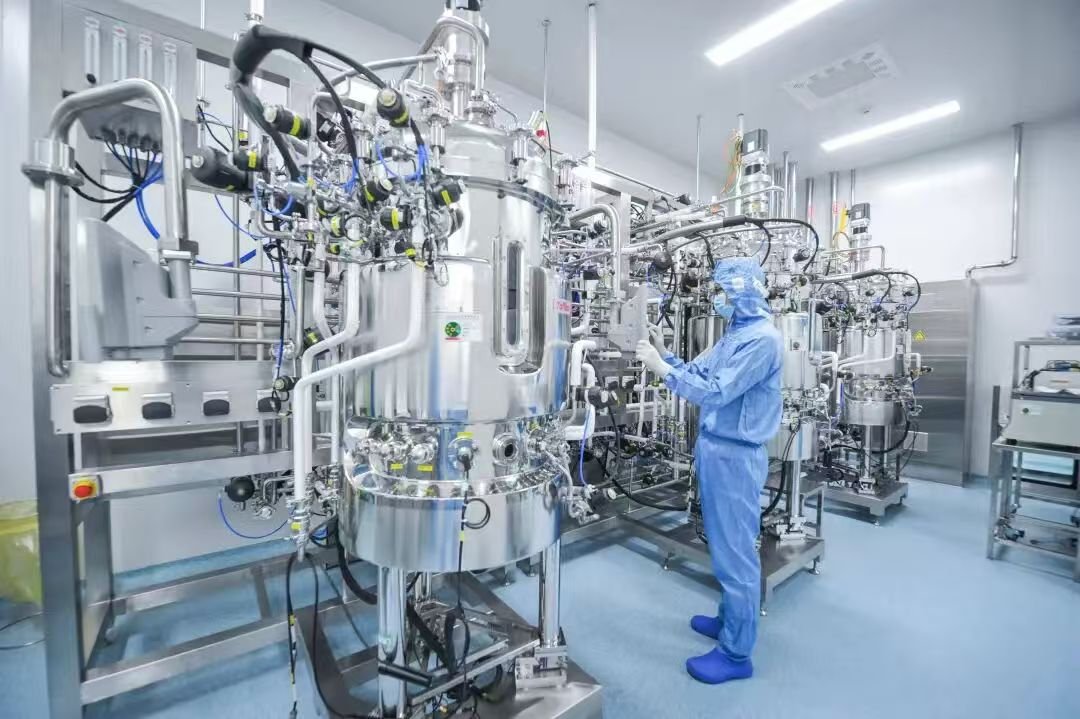
In the early stage of large-scale upstream antibody manufacturing, medium preparation and cell culture were carried out in nearly fully light-proof steel vessels. However, miniaturized and small-scale bioreactors applied in process development are commonly made of transparent or translucent materials such as glass and polystyrene. In recent years, single-use systems equipped with transparent or translucent polymer bags have been increasingly adopted for pilot and large-scale antibody production. Studies have demonstrated that minor variations in ambient lighting during production can trigger substantial conformational changes in monoclonal antibody (mAb) products. This article briefly elaborates on the impacts of light exposure on cell culture media and drug substances (DS) during upstream cell culture for antibody production, as well as relevant mitigation strategies.
Impacts of Light on Cell Culture Media
Light-sensitive components in cell culture media, including B vitamins (e.g., vitamin B2 and B12) and aromatic amino acids (e.g., tryptophan and tyrosine), undergo photochemical transformation and photodegradation within minutes to hours upon exposure to ambient light. Such reactions alter the properties and performance of culture media and shorten their shelf life.
1. Impacts on Physicochemical Properties of Culture Media
When culture media are exposed to harmful light during preparation, transportation, storage or cell culture, the aforementioned light-sensitive ingredients degrade and generate new by-products, accompanied by observable chemical changes manifested as discoloration. As shown in Figure 1, liquid feed media stored at room temperature gradually turn darker brown with prolonged light exposure. LC-MS analysis confirms that this discoloration is primarily attributed to the formation of small-molecule degradation products of tryptophan such as kynurenine.
Medium discoloration not only serves as a warning sign of chemical deterioration and indicates potential cytotoxic risks posed by degradation products, but also frequently leads to abnormal coloration of drug substances (DS) and drug products (DP). For instance, photodegradation of vitamin B12 into hydroxocobalamin may render antibody products pink.
2. Impacts on Culture Medium Performance
The growth status of CHO cells cultured in a chemically defined (CD) medium (CDPM) after different durations of light exposure. The viable cell density decreases significantly as the light exposure time extends.
3. Impacts on Shelf Life of Culture Media
In addition to altered color and performance, light irradiation induces photochemical reactions and produces new impurities. For example, histidine can be converted into 6a-hydroxy-2-oxo-octahydropyrrolo[2,3-d]imidazole-5-carboxylic acid under light. Although there is a lack of data on the accumulation of this specific compound in media stored long-term under moderate light conditions, it has been confirmed that the formation of such impurities potentially shortens the shelf life of culture media.
Impacts of Light on Antibody Products
1. Correlation Between Light and Discoloration of Drug Substances
With the wide replacement of serum-containing media by CD media for antibody production, and the growing demand for high antibody concentrations in formulations driven by the increasing application of subcutaneous administration, non-compliant abnormal coloration of DS and DP has become more prevalent.
Discoloration of DS mainly arises from interactions between components of cell culture media and antibody molecules during cultivation and harvest. Vitamin B12-related discoloration is highly dependent on light. Cyanocobalamin, the most stable form of vitamin B12, is widely used in cell culture media. It can only transform into hydroxocobalamin under light exposure, which subsequently binds to antibody molecules and forms pink substances that cannot be removed via downstream purification. Figure 3 presents the discoloration of DS associated with vitamin B12.
Furthermore, excessive reactive oxygen species (ROS) generated under oxidative stress during cell culture cause oxidation of tryptophan residues on the surface of antibody molecules, resulting in yellow or brown discoloration of proteins. Light exposure is a major factor that exacerbates oxidative stress in culture systems.
2. Impacts on Antibody Charge Variants
Cell culture for antibody production is typically performed at 30–37 °C for 10 to 14 days, during which ambient light also compromises the quality of protein products. Charge variants are critical quality attributes (CQAs) of antibody drugs. In one case of process scale-up, antibodies harvested from 2 L glass bioreactors exhibited a markedly higher proportion of acidic charge variants compared with those from 12,000 L stainless steel bioreactors. Further analysis of antibodies from 2 L bioreactors with and without light shielding revealed that the proportion of acidic charge variants reached 59% and 45% in two groups without light protection, while the values dropped to 25% and 26% respectively under light-shielded conditions.
Mitigation Measures
1. Physical Light Shielding and Safe Lighting
Light Shielding
Physical light shielding is adopted to eliminate or reduce prolonged light exposure during medium preparation, transportation, storage and cell culture in bioreactors. For example, transparent or translucent bioreactor vessels can be wrapped and covered with aluminum foil.
Safe Lighting
Safe lighting fixtures are installed in production and storage areas where culture media, bioreactors, harvest liquids and drug substances may be exposed to light, to mitigate the adverse effects of light. Such lights filter out destructive wavelengths from the visible spectrum, striking a balance between operational convenience, occupational safety and product quality maintenance.
Within the visible spectrum (400–700 nm), certain wavelengths trigger photochemical transformation and photodegradation of proteins (e.g., antibodies), amino acids and vitamins in culture media. Blue light centered at 450 nm is the primary cause of high molecular weight (HMW) aggregate formation and DS discoloration. In contrast, DS exposed to red light with wavelengths above 600 nm shows no obvious differences in color and HMW content compared with those stored in complete darkness.
Accordingly, applying red light, green light or other light sources with wavelengths longer than 500 nm in biomanufacturing facilities is a simple and effective approach to prevent photodamage. Conventional white fluorescent lamps can be easily replaced with safe lights by covering them with commercial colored plastic tubes or adopting dedicated LED lights in production and storage areas.
2. Formulation Optimization of Cell Culture Media
Addition of Antioxidants
Oxidative reactions play a pivotal role in light-induced deterioration of culture media and antibody products. For example, oxygen incorporation leads to structural changes of tryptophan and consequent browning of media. Supplementing media with antioxidants effectively alleviates light-induced oxidative stress. Alpha-ketoglutarate (aKG), a common medium component with antioxidant properties, exerts no adverse effects on CHO cell growth even at a concentration as high as 50 mM. The addition of aKG can effectively inhibit photodegradation of medium components. As demonstrated in Figure 6, feed media supplemented with aKG show significantly reduced browning after light exposure.
Adjustment of Highly Oxidative and Photoreactive Components
CD media are usually formulated with high concentrations of metal ions such as iron to achieve high cell density and improve product titer. Lacking oxidative protective substances present in serum and hydrolysates, CD media with high levels of oxidative metal ions tend to generate excessive ROS under light exposure, leading to DS discoloration and elevated levels of acidic charge variants. Appropriate adjustment of highly oxidative ingredients and photoreactive components (e.g., B vitamins) in media can mitigate quality defects including abnormal DS color and excessive charge variants induced by light and other stresses. In addition, studies have shown that the addition of serum-free supplements can protect cells from photodamage.