
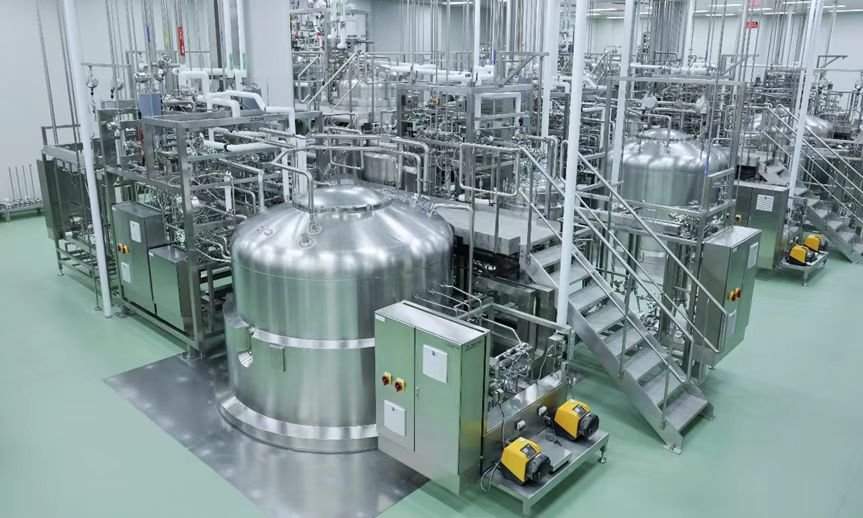

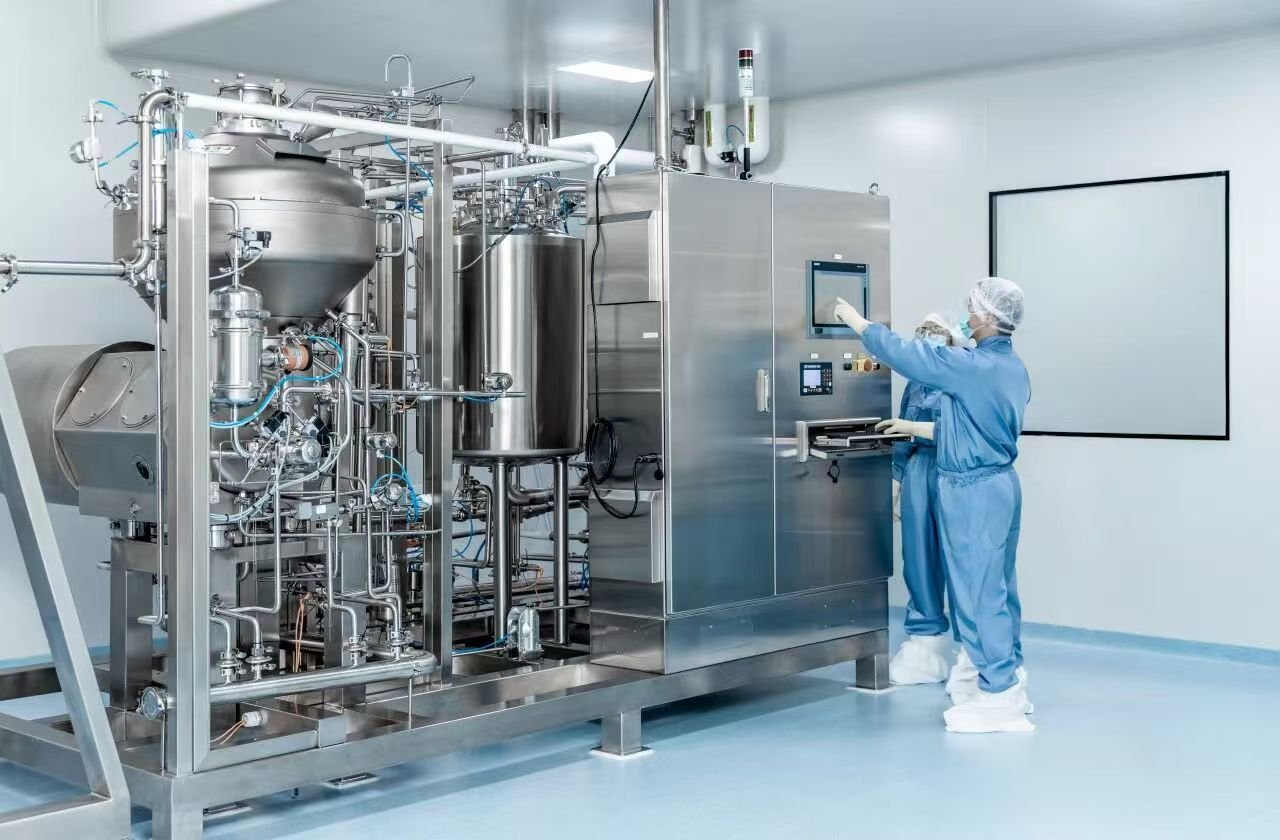
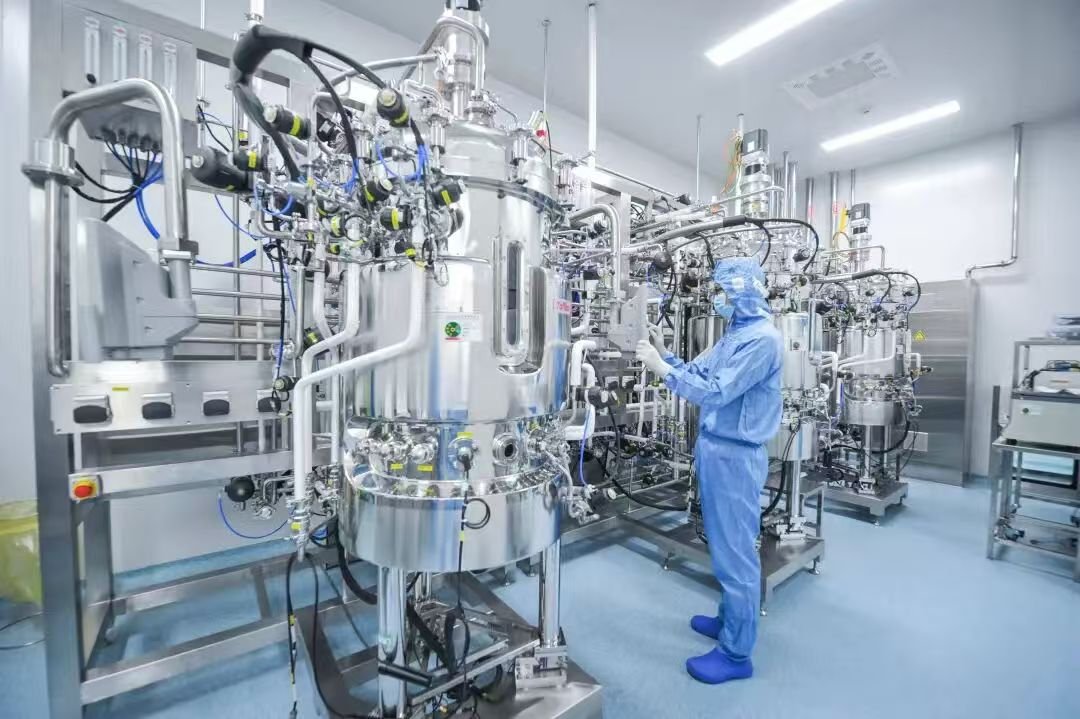
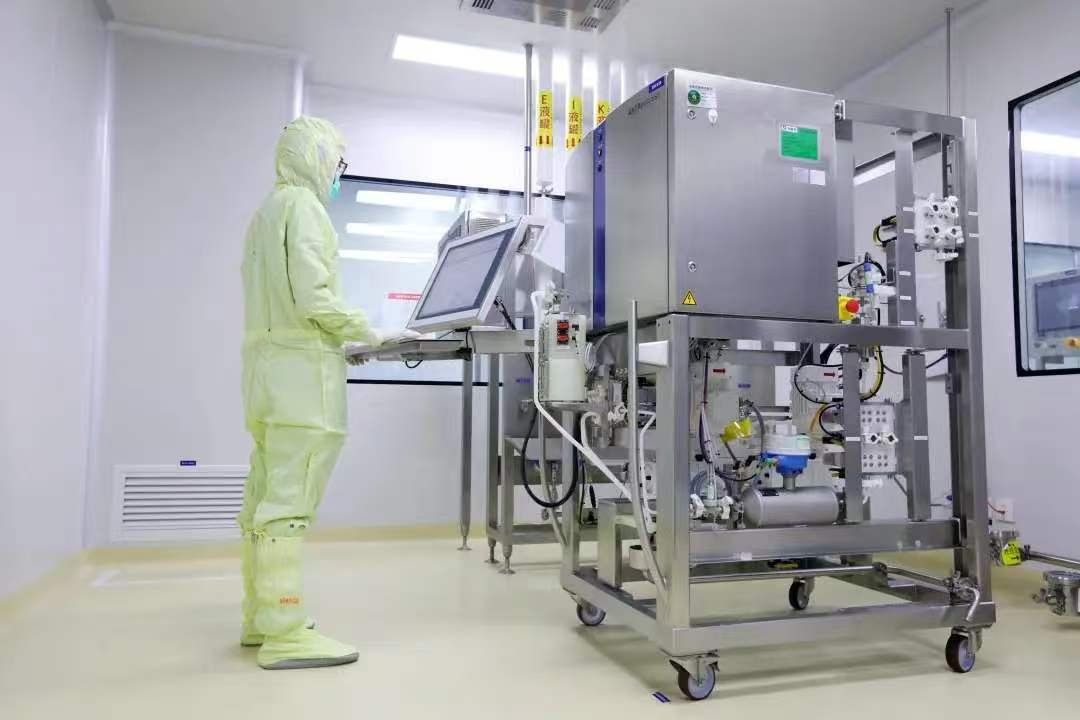
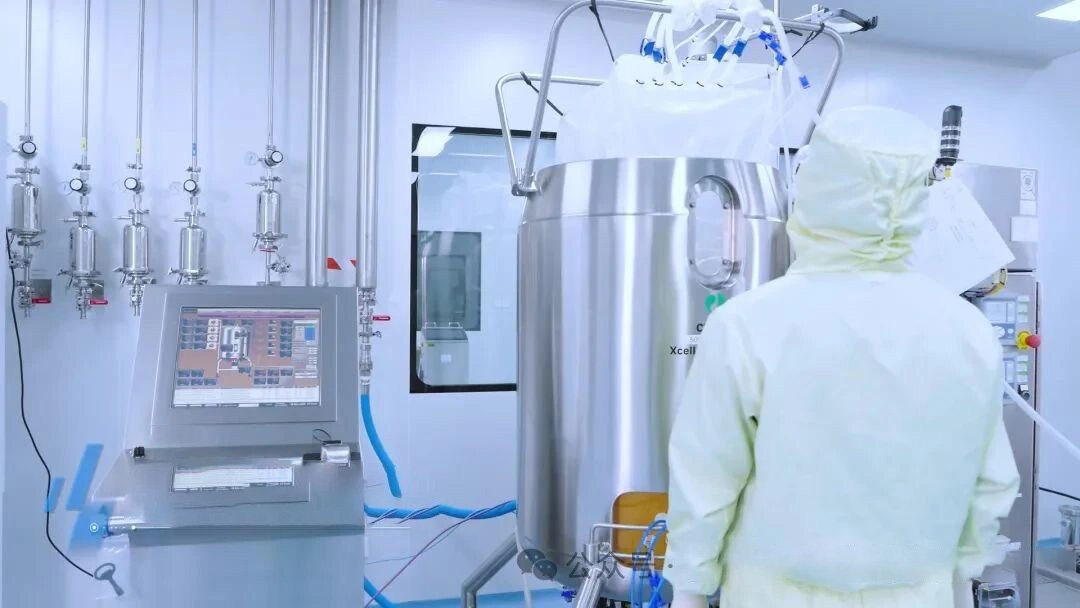
Full Workflow of mRNA Manufacturing
Sequence Design and Plasmid Preparation: Plasmid DNA (pDNA) encoding target antigens or proteins is designed, constructed, amplified and linearized to serve as the template for IVT.
In Vitro Transcription (IVT): Linearized pDNA template, T7 RNA polymerase, nucleotide triphosphates (NTPs), capping reagents and other components are combined to initiate enzymatic synthesis of mRNA. This stage directly determines final product yield and quality.
Purification and Quality Control: Chromatography, tangential flow filtration (TFF) and other techniques are applied to remove residual enzymes, unreacted raw materials, truncated transcripts, double-stranded RNA (dsRNA) and other impurities, so as to guarantee the purity and safety of mRNA.
LNP Formulation: Purified mRNA is encapsulated into lipid nanoparticles (LNPs) to generate stable mRNA-LNP drug products.
Key Pain Points of IVT: Cost, Temperature Control and Mixing
Cost Burden: T7 RNA polymerase and auxiliary enzymes account for over 90% of total material costs in IVT. In laboratory-scale settings, the raw material cost (including enzymes and substrates) for producing 100 μg mRNA is approximately RMB 20, while the cost drops to RMB 6–7 at commercial scale. For manufacturing one billion doses of mRNA vaccines, the total value of required enzymes reaches RMB 6–7 billion. Precise dosing of enzymes in early-stage R&D is therefore essential for cost reduction and efficiency improvement, and mini-volume reactions stand as a direct approach to optimize enzyme consumption.
Shear Sensitivity: Long-chain mRNA molecules are prone to fragmentation under excessive shear force generated by vigorous agitation. Meanwhile, mechanical stress may also compromise the activity of enzymes.
Contamination Risks: Trace ribonuclease (RNase) contamination will lead to complete degradation of mRNA, demanding ultra-high cleanliness for all reaction vessels.
Stringent Temperature Control: Standard T7 RNA polymerase exhibits optimal activity at 37 °C. Temperature deviation will lower product yield or even cause reaction failure, and dsRNA byproduct formation is also highly temperature-dependent. Maintaining a stable 37 °C effectively minimizes dsRNA generation. For GC-rich or long RNA templates, elevated temperatures (37–52 °C) help unwind complex secondary structures. Nevertheless, conventional polymerases lose most activity at 50 °C, which necessitates thermostable polymerases and high-precision temperature control systems to maintain reaction efficiency and product quality.
Homogeneous Mixing Requirements: Templates, enzymes and substrates must be uniformly distributed across the reaction system to ensure process stability and batch-to-batch consistency.
Unique Challenges of Mini-Volume Reactions
Precise Temperature Control with Eliminated Local Temperature Gradients: The outer bag filled with bulk liquid acts as a thermal buffer, enabling uniform heat distribution throughout the inner reaction bag. Equipped with advanced PID feedback control, the system delivers a temperature accuracy within ±0.2 °C, effectively mitigating temperature fluctuations in small-volume reactions caused by ambient conditions.
Low-Shear Mixing to Protect Sensitive Biomolecules: The inner bag is driven indirectly by the rocking motion of the outer bag for fluid mixing. With no submerged impellers or sparging, the non-intrusive design creates an extremely low-shear environment that fully preserves the integrity of long-chain mRNA and the activity of T7 RNA polymerase.
Fully Closed System to Prevent RNase Contamination: Both inner and outer bags are manufactured from RNase/DNase-free single-use materials and pre-irradiated for sterilization. The entire reaction process is isolated from reusable equipment components. All products are released after 100% RNase/DNase testing to eliminate contamination risks from the source.
Scalability from R&D to Commercial Production: Optimized specifically for reaction volumes of 10 mL to 200 mL, the single-use rocking system also supports a broad volume range from 0.3 L up to 100 L, enabling seamless process scale-up from laboratory development to large-scale commercial manufacturing.