Streptococcus pneumoniae comprises more than 100 serotypes and is a major pathogenic bacterium responsible for severe infections such as pneumonia, meningitis and bacteremia. It poses particular threats to infants, the elderly and immunocompromised populations. The capsular polysaccharide on its surface serves as the principal virulence factor and a core target for vaccine design. Traditional pneumococcal polysaccharide vaccines confer moderate protection in adults. However, polysaccharides cannot be effectively processed by antigen-presenting cells. Given the immature immune system in young children, these vaccines fail to induce sustained immunity in children under 2 years old and thus cannot fully meet public health demands.
To address this challenge, pneumococcal conjugate vaccines (PCVs) have been developed. Their core mechanism is to covalently link pneumococcal capsular polysaccharides to carrier proteins. This converts polysaccharides into T-cell-dependent antigens that can be recognized by the immune system, triggering robust IgG antibody responses and immune memory. The widespread use of PCVs has markedly reduced the incidence of diseases associated with multiple serotypes, making them the mainstream vaccines for global prevention and control of pneumococcal infections.
Nevertheless, currently available PCVs cover a limited range of serotypes. With extensive vaccination rollout, the prevalence of non-vaccine serotypes has risen, a phenomenon known as serotype replacement, alongside a continuous increase in antibiotic resistance. Developing high-valency PCVs covering broader serotypes has therefore become a global trend, with product iterations advancing sequentially from early PCV7 to PCV13, PCV15, PCV20 and higher-valency formulations.
The development of high-valency polysaccharide conjugate vaccines faces enormous technical hurdles. The manufacturing workflow includes polysaccharide fermentation, purification, molecular weight control, chemical modification, conjugation with carrier proteins and downstream polishing. Each additional serotype requires a full set of independent production processes. Meanwhile, manufacturers must guarantee the compatibility, stability and immunogenicity of distinct conjugates. The selection of carrier proteins is also critical: over-reliance on a single carrier may cause immune interference and attenuate immune responses to certain serotypes. Furthermore, high-valency PCVs are characterized by complex manufacturing processes, high production costs and limited supply, leading to insufficient global vaccination coverage.
Accordingly, continuous advancement in the research and development of high-valency PCVs with expanded serotype coverage is essential to strengthen pneumococcal disease prevention and control. Driven by technological progress, the implementation of the Quality by Design (QbD) philosophy and optimized manufacturing systems, next-generation PCVs featuring higher valency, superior stability and better cost controllability will deliver stronger protection for public health. This article elaborates on the key challenges and industrial innovations in the development of multivalent pneumococcal polysaccharide conjugate vaccines.
Polysaccharide Production and Purification
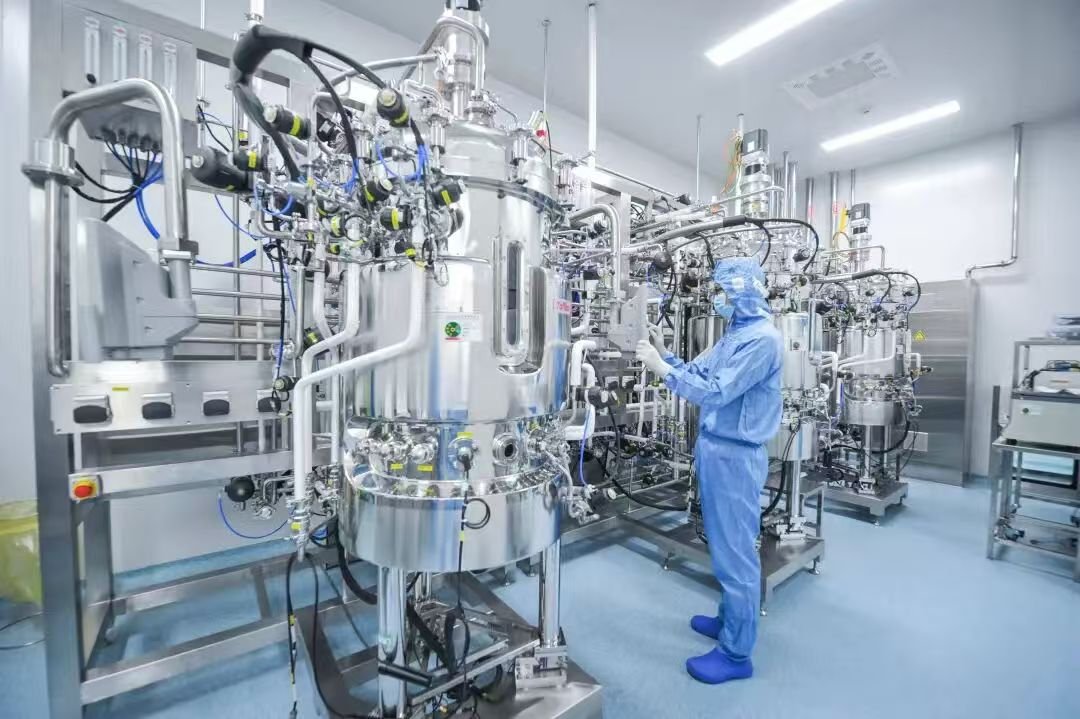
Pneumococcal capsular polysaccharides are structurally complex carbohydrates with distinct physicochemical properties across different serotypes. Their industrial production demands stringent fermentation control and highly specific purification workflows. In standard manufacturing systems, master cell banks (MCBs) and working cell banks (WCBs) are established using clinically isolated strains or authenticated ATCC® strains. Bacterial cultures are then scaled up via a multi-stage cultivation process including shake flasks, seed fermenters and production fermenters.
Fermentation parameters are optimized individually for each serotype, with key control factors covering pH, temperature, dissolved oxygen, agitation speed and feeding strategies. The application of Design of Experiments (DoE) for culture medium formulation and fed-batch optimization effectively improves bacterial growth rate, polysaccharide yield and extracellular release efficiency. For instance, proper pH regulation, glucose feeding and moderate aeration during the fermentation of serotype 3 and 23F can significantly enhance capsular polysaccharide secretion. Fed-batch fermentation has now become the mainstream technology, delivering a 3–5 fold increase in polysaccharide yield compared with conventional batch fermentation.
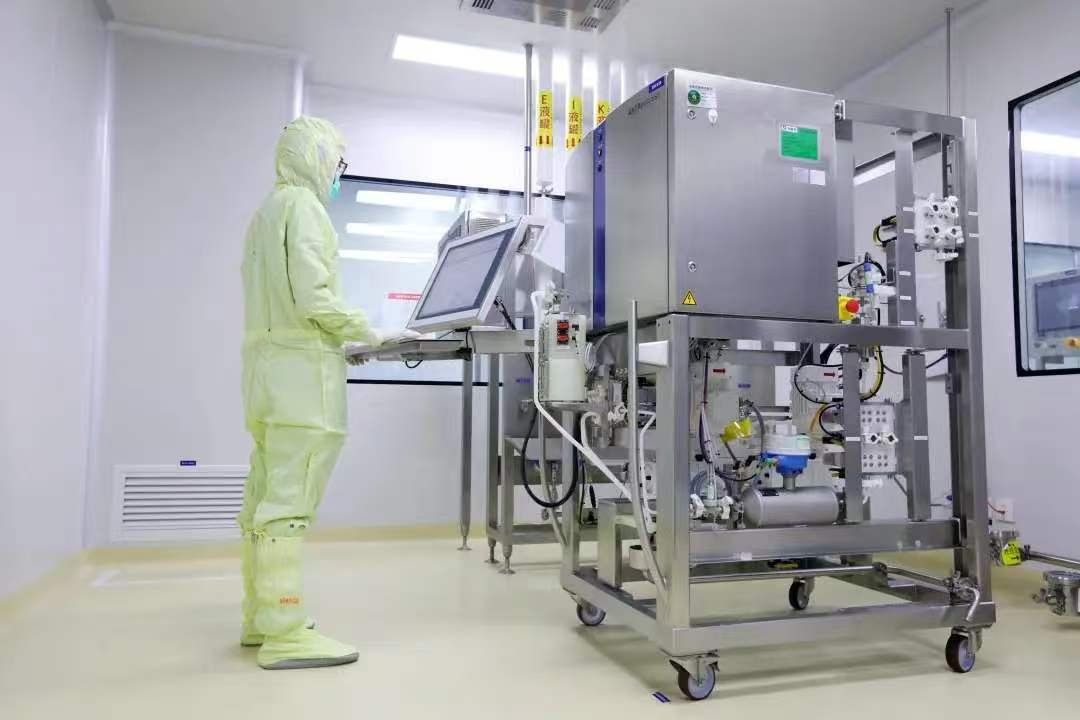
Upon fermentation completion, polysaccharides are predominantly present in the fermentation broth, which then undergoes multi-step purification. The culture supernatant is first clarified via filtration or centrifugation. Subsequent procedures including enzymatic digestion, precipitation, tangential flow filtration (TFF) and chromatography are adopted to remove cell debris, host proteins, nucleic acids and residual cell wall polysaccharides. TFF plays a vital role in this stage, enabling solution concentration, buffer exchange and removal of low-molecular-weight impurities while reducing the load of downstream chromatographic operations. Precipitation is commonly performed using ethanol, high-concentration salts or surfactants such as CTAB, DOC and Triton X-100 to selectively precipitate nucleic acids, proteins and cell wall contaminants.
Chromatographic techniques are adopted to achieve high-purity polysaccharides. Widely applied methods include anion exchange chromatography, hydroxyapatite (HA) flow-through chromatography and hydrophobic interaction chromatography (HIC). Some serotype polysaccharides are neutral or weakly charged, which limits the applicability of charge-based chromatography. In contrast, the combination of surfactant pre-treatment and HIC achieves a recovery rate above 80% and protein removal efficiency ranging from 70% to 90%.
Considering scalability, cost and operational feasibility, the industrial standard workflow is a combined process: surfactant treatment + ethanol/salt precipitation + TFF + flow-through chromatography, which produces high-purity polysaccharides qualified for conjugation reactions.
Polysaccharide production still faces prominent challenges. Certain serotypes (e.g., serotype 2, 3, 5, 23F and 8) feature low solubility and high viscosity, complicating separation during fermentation, harvest and purification. Their highly heterogeneous structures lead to varied physicochemical and immunological properties, requiring sophisticated analytical methods for characterization and quality control. Additionally, pneumococcal polysaccharides are highly sensitive to temperature, pH, dissolved oxygen, enzymatic activity and bioburden, and are prone to degradation or structural modification during processing and storage. The overall process is also constrained by high costs and low yields, undermining economic viability for large-scale manufacturing. Optimizing raw material sourcing, strain engineering, medium formulation and separation/purification workflows, alongside adopting advanced depolymerization, stabilization and analytical technologies, is pivotal to scaling up polysaccharide conjugate vaccine production and cutting operational costs.
Selection and Manufacturing of Carrier Proteins
Native pneumococcal capsular polysaccharides are T-cell-independent antigens, which fail to elicit potent and long-lasting protective immunity in populations with immature immune systems such as infants. Polysaccharide conjugation technology addresses this issue by covalently coupling purified capsular polysaccharides to highly immunogenic carrier proteins, converting them into T-cell-dependent antigens to potentiate humoral immune responses and induce immune memory. The choice of carrier protein exerts profound impacts on vaccine stability, safety, immunogenicity, manufacturing cost, process scalability and final product quality.
In multivalent conjugate vaccines, multiple serotypes are frequently conjugated to the same carrier protein. However, excessive use of a single carrier may trigger Carrier-Induced Epitope Suppression (CIES). This phenomenon can be explained by the bystander interference mechanism: simultaneous administration of multiple antigens leads to limited allocation of immune resources, thereby suppressing immune responses targeting polysaccharide epitopes. For this reason, a multi-carrier strategy is widely adopted in high-valency PCV development. Conjugating different serotypes to distinct carrier proteins disperses immune burden and improves overall immunogenicity. Nevertheless, while multi-carrier systems mitigate CIES, they also increase the complexity of process development, quality control and production costs. A balance must be struck between immunological performance and manufacturing practicality.
At least five types of carrier proteins have been successfully applied in commercial conjugate vaccines: non-toxic mutant diphtheria toxin CRM197, diphtheria toxoid (DT), tetanus toxoid (TT), Neisseria meningitidis outer membrane protein complex (OMPC), and Haemophilus influenzae Protein D (HiD).
Recombinant CRM197 is the most widely used carrier. Derived from a single-point mutant of diphtheria toxin, it retains strong immunogenicity while being completely non-toxic. CRM197 is typically produced in E. coli expression systems and purified via cell lysis, chromatography and filtration to obtain high-purity and high-stability protein for subsequent conjugation. DT and TT are prepared by formalin inactivation of Corynebacterium diphtheriae and Clostridium tetani cultures respectively, yielding non-toxic toxoids with intact immunogenicity for broad application in conjugate vaccines. OMPC possesses abundant peptide-binding sites and can induce both humoral and cellular immunity, making it a promising carrier candidate. Its production requires culturing Neisseria meningitidis under iron-limited conditions to stimulate OMPC expression. HiD, derived from Haemophilus influenzae, serves as a key carrier for 10-valent PCVs such as Synflorix and can be produced via native cultivation or recombinant expression.
Despite the successful application of existing carrier proteins, their selection and production still face multiple challenges, including cost discrepancies across raw material sources, intellectual property restrictions, chemical compatibility for polysaccharide-protein conjugation, potential immune interference, scalability and batch-to-batch consistency. Therefore, systematic evaluation of carrier proteins in terms of biological performance, manufacturability, synergistic immunological properties and supply chain reliability is mandatory to guarantee the safety, efficacy and sustainable production of final vaccines.
Polysaccharide Molecular Size Modulation
Native pneumococcal capsular polysaccharides are high-molecular-weight polymers with high polydispersity (typically >1000 kDa), and their structures vary drastically among serotypes. Unprocessed polysaccharide solutions exhibit extremely high viscosity, which easily causes membrane fouling during filtration, interferes with polysaccharide-carrier protein conjugation and impairs process operability.
Accordingly, post-purification and pre-conjugation size modulation is required to adjust polysaccharides to a homogeneous molecular weight range of 100–500 kDa. This reduces solution viscosity while preserving the epitope structure of native polysaccharides.
Common approaches for polysaccharide size reduction include chemical hydrolysis, enzymatic digestion and physical/mechanical methods. Chemical hydrolysis is low-cost and easy to operate, yet acid or alkaline treatment may damage labile bonds such as phosphodiester linkages, O-acetyl groups and pyruvate residues, resulting in loss of antigenicity. Moreover, polysaccharides from different serotypes show divergent stability under acidic and alkaline conditions, making hydrolysis degree difficult to control and rendering chemical methods unsuitable for industrial production. Enzymatic digestion features high substrate specificity. However, different enzymes are required for polysaccharides of distinct serotypes, driving up costs and complicating processes. Complete removal of residual enzymes also poses barriers to large-scale commercial production.
In terms of scalability, controllability and product quality, mechanical methods, particularly high-pressure homogenization, have become the predominant technology for industrial manufacturing. In this process, polysaccharide solution is pressurized and forced through micro-orifices, generating intense shear force to fragment long polysaccharide chains into defined molecular weight fractions. Compared with chemical and enzymatic methods, high-pressure homogenization offers prominent technical advantages:
1.Controllable size distribution and low polydispersity: Mechanical shear only breaks polysaccharide chains physically without altering sugar chain conformation or critical antigenic epitopes. Size-reduced polysaccharides retain native antigenicity and perform stably in conjugation reactions.
2.Excellent scalability: Modern high-pressure homogenizers feature optimized flow channels, precise pressure control and uniform energy distribution, enabling seamless scale-up from lab scale to hundreds-of-liter production scale — a critical advantage for multi-serotype PCV manufacturing.
3.Precise process control: Key parameters including homogenization pressure, cycle number and feed concentration can be finely tuned to obtain the optimal molecular weight range for conjugation across different serotypes. Circulating cooling effectively removes frictional heat and prevents chemical modification of polysaccharides caused by temperature rise.
4.Minimal chemical risks: No chemical reagents or harmful by-products are introduced throughout the process, delivering a clean workflow that complies with stringent vaccine manufacturing regulations.
Other physical techniques such as ultrasonication, extrusion and microwave treatment can achieve polysaccharide fragmentation at laboratory scale, but their limited scalability and risks to thermolabile functional groups restrict industrial adoption. Consequently, high-pressure homogenization is universally applied for polysaccharide size modulation in commercial PCV production.
The core of pneumococcal conjugate vaccines lies in forming stable covalent bonds between capsular polysaccharides and carrier proteins. This transformation converts T-cell-independent polysaccharide antigens into T-cell-dependent antigens, enhancing immunogenicity and inducing immune memory. Current conjugation strategies are categorized into conventional chemical approaches and innovative bio-based technologies.
Among traditional chemical methods, reductive amination is widely adopted. In this process, cis-diols on polysaccharides are partially oxidized by sodium periodate to generate aldehyde groups, which react with amino groups on carrier proteins to form Schiff bases. Subsequent reduction with sodium cyanoborohydride yields stable amine linkages. Though well-established, periodate oxidation may damage polysaccharide structures and compromise antigenicity.
Another mainstream technique is cyanation using CNBr or CDAP. CDAP has gradually replaced highly toxic CNBr due to its mild reaction pH, fewer by-products and simple operation. The cyanate ester intermediates formed by CDAP can directly conjugate with protein amino groups, and the application of linkers further improves conjugate stability, making CDAP one of the dominant industrial conjugation technologies. To enhance conjugation efficiency and immunogenicity, PEG-hydrazide linker systems have been developed. Bifunctional PEG spacers increase production yield, reduce steric hindrance and weaken the intrinsic immunogenicity of carrier proteins, focusing immune responses on target polysaccharide antigens.
Enzymatic conjugation is an emerging direction. For example, galactose oxidase (GO) selectively generates a single aldehyde group at the C6 position of polysaccharides, avoiding sugar ring damage caused by periodate oxidation and better preserving antigenic epitopes.
Beyond conventional chemistry, innovative technologies break existing technical bottlenecks. The Multivalent Antigen Presentation System (MAPS) utilizes the high-affinity interaction between biotin and rhizavidin to assemble polysaccharides and proteins via non-covalent bonding, constructing multi-antigen complexes that trigger potent immune responses. Enhanced CRM197 (eCRM®) incorporates unnatural amino acids to enable site-specific click chemistry conjugation, eliminating the risk of disrupting key T-cell epitopes caused by random conjugation to lysine residues in traditional processes. Protein-Glycan Conjugation Technology (PGCT) achieves intracellular conjugation via oligosaccharyltransferase in bacterial hosts, simplifying production workflows and lowering costs.
Currently, commercial PCVs still rely primarily on reductive amination and CDAP-based chemical conjugation, which have inherent limitations in yield, stability and structural preservation of polysaccharides. Accordingly, novel enzymatic catalysis, site-specific conjugation and intracellular conjugation platforms represent key development trends for next-generation polysaccharide conjugate vaccines.
PCV formulation aims to combine qualified polysaccharide-protein conjugates with appropriate excipients, buffer systems and adjuvants to produce stable, safe and long-acting final vaccine products. Prior to formulation, active conjugates must meet strict quality specifications covering pH, serotype identification, molecular weight and polydispersity, polysaccharide-to-protein molar ratio, free polysaccharide and total protein content, endotoxin level, sterility and residual solvents. Only qualified conjugates are blended at predefined dosages for final formulation. Given the divergent physicochemical properties of polysaccharides across serotypes, commercial multivalent PCVs adopt differentiated dosage designs for individual serotypes to balance immune coverage and formulation stability.
To achieve a shelf life of 2 to 3 years under refrigerated storage and transportation (2–8 °C), the formulation system must strike a balance among stability, buffering capacity and osmotic pressure. Amino acids such as histidine are commonly used to improve solution stability, while non-ionic surfactants including polysorbate mitigate the aggregation of proteins and conjugates. Formulation pH is a critical parameter; deviation from the optimal range easily leads to conjugate aggregation and reduced biological activity.
In terms of adjuvants, nearly all licensed PCVs use aluminum-based adjuvants, mainly aluminum hydroxide and aluminum hydroxyphosphate. Aluminum adjuvants boast a well-documented safety profile. They optimize antigen adsorption by regulating the point of zero charge and boost immune responses through electrostatic interaction, hydrophobic interaction and hydrogen bonding, serving as indispensable components for potentiating T-cell-dependent immunity.
PCV formulation development faces multiple challenges, especially in process scale-up, where consistent performance and operability across different production scales must be ensured. The solubility of individual serotype polysaccharides, their compatibility with excipients and adjuvants, and stability at low dosages all affect final product quality. For multivalent vaccine formulations, key parameters including antigen adsorption mode, mixing sequence, buffer composition and polysaccharide-protein ratio significantly determine adsorption efficiency and long-term stability. All intermediates and excipients undergo rigorous quality control, and final formulations are subjected to stability evaluation under regular, accelerated and stress conditions.
PCV formulation is therefore a systematic engineering discipline that integrates complex polysaccharide-protein conjugates, precise dosage design, adjuvant adsorption regulation and multi-dimensional stabilization strategies. Rational selection of excipients, optimized adjuvant design and robust process optimization are the cornerstones for manufacturing multivalent PCVs with long-term stability, safety and efficacy.
The research, development and production of multivalent pneumococcal polysaccharide conjugate vaccines constitute a highly sophisticated systematic project, covering upstream polysaccharide fermentation and purification, carrier protein conjugation, adjuvant preparation and final formulation stabilization. Polysaccharides of different serotypes differ substantially in structure, solubility and stability, requiring serotype-specific process optimization and strict control of critical quality attributes such as molecular weight, polysaccharide-protein ratio, free polysaccharide content and endotoxin level. Formulation development also demands careful balancing of adjuvant selection, pH regulation, excipient composition and long-term stability. As vaccine valency continues to increase, process scalability, batch consistency control and raw material supply chain management grow increasingly important.
Overall, the success of multivalent PCVs relies on in-depth integration of polysaccharide chemistry, immunology, process engineering and quality management systems, representing a typical multidisciplinary vaccine product.
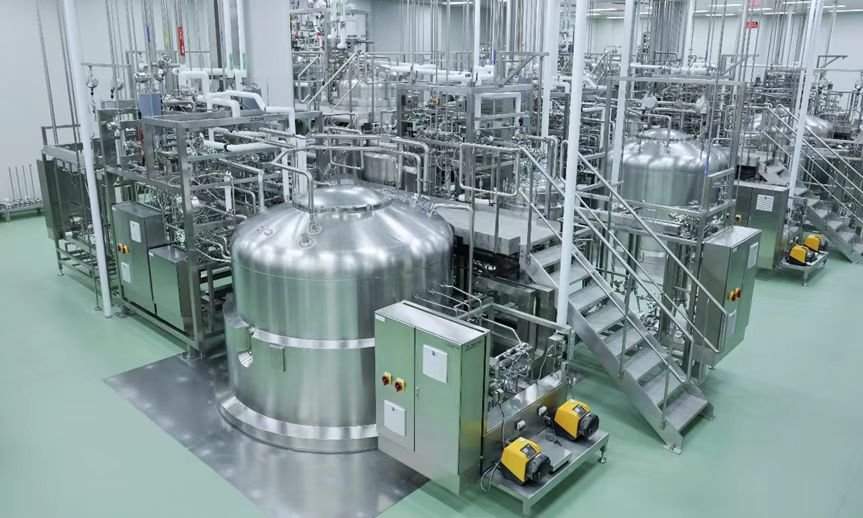
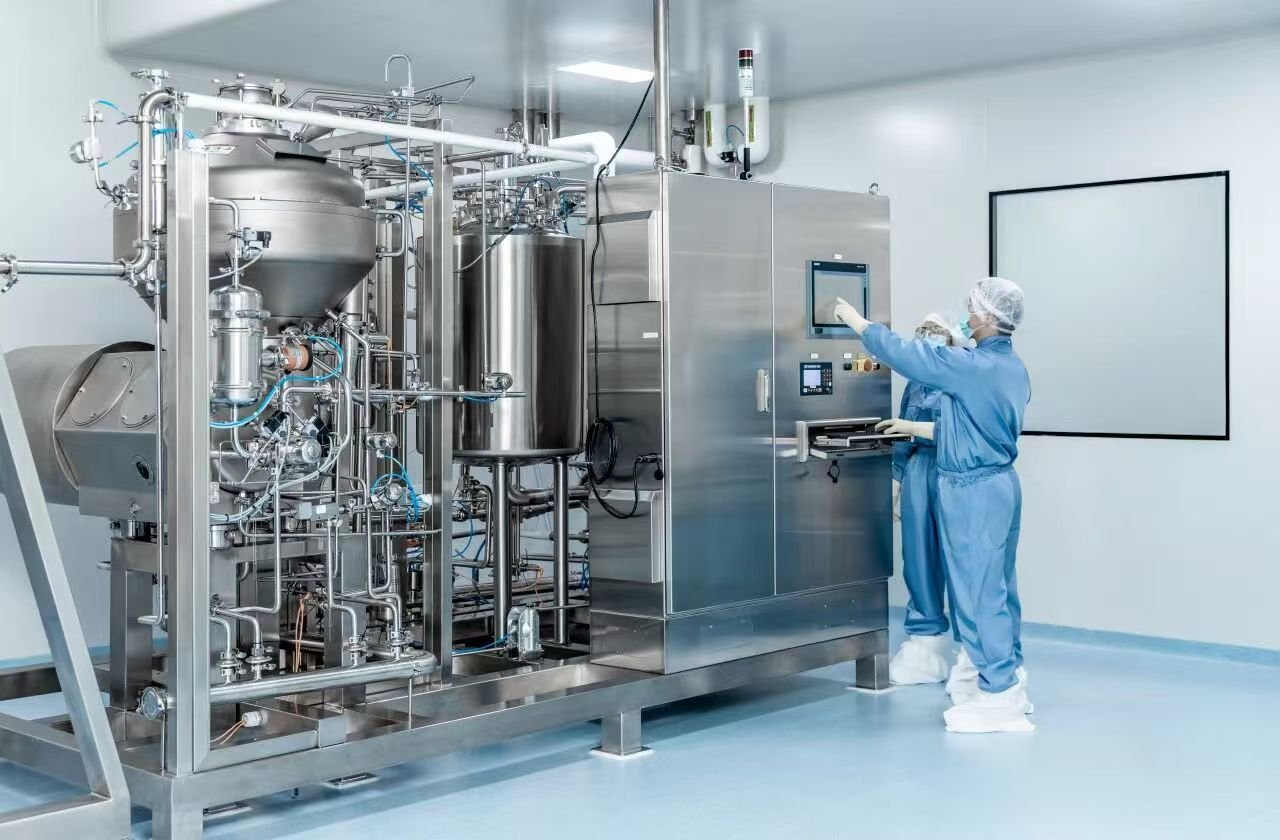
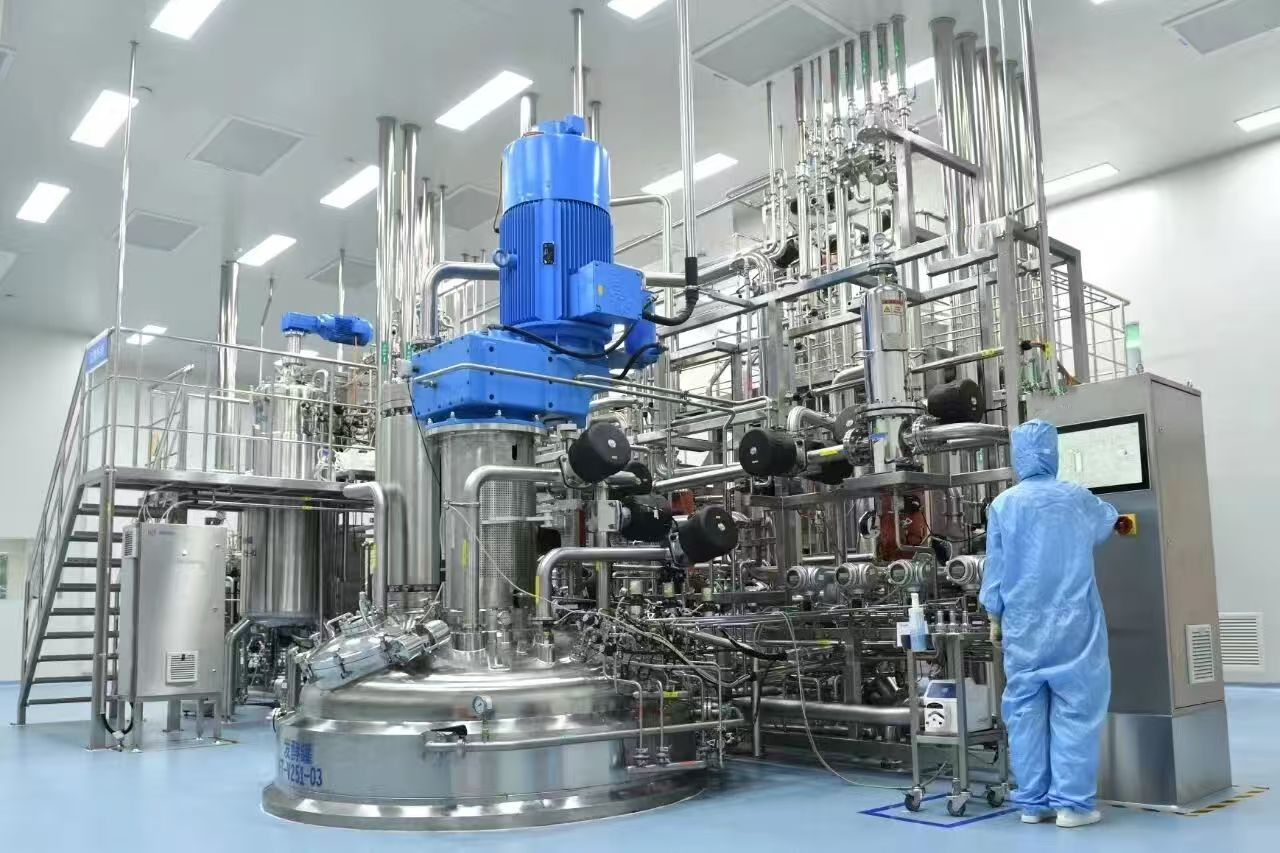
Sino Bioengineering delivers end-to-end bioprocess support for the full-cycle development of multivalent pneumococcal polysaccharide conjugate vaccines. For upstream fermentation, we provide glass and stainless steel fermenters ranging from bench scale to pilot and GMP production scale, enabling high-yield and controllable polysaccharide manufacturing. Our hollow fiber and flat sheet membrane cassettes, as well as complete TFF systems, support efficient concentration, buffer exchange and impurity removal during polysaccharide purification and conjugate preparation, delivering qualified feedstocks for downstream chromatographic processing. Self-developed chromatographic media enable high-resolution purification of polysaccharides, polysaccharide-protein conjugates and carrier proteins to guarantee consistent critical quality attributes. Our high-pressure homogenizers also enhance the efficiency of carrier protein production and polysaccharide pre-treatment, improving overall process stability.
Equipped with comprehensive platforms for fermentation, TFF, chromatography and homogenization, Sino Bioengineering provides modular and scalable process solutions for vaccine manufacturers, accelerating the entire pipeline of multivalent pneumococcal conjugate vaccines from R&D to commercial production.