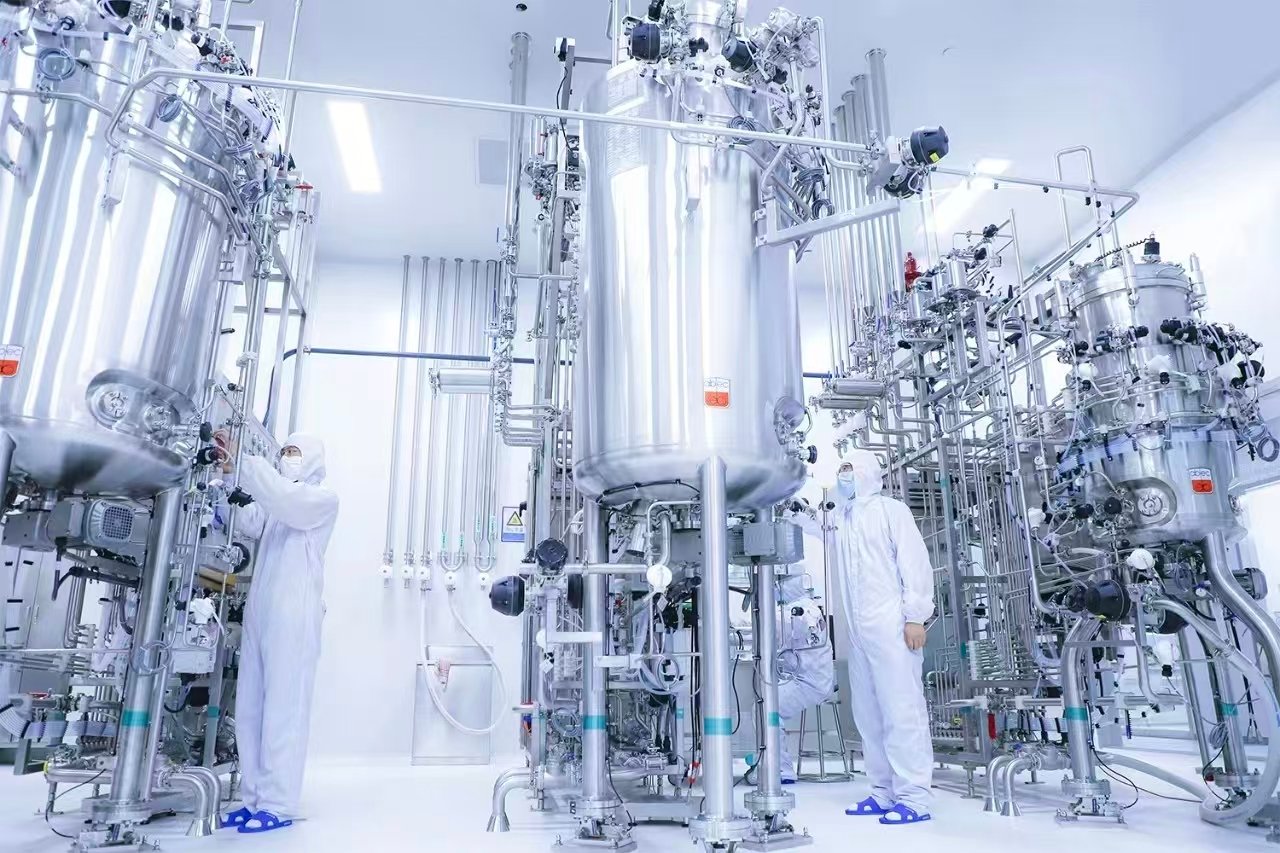
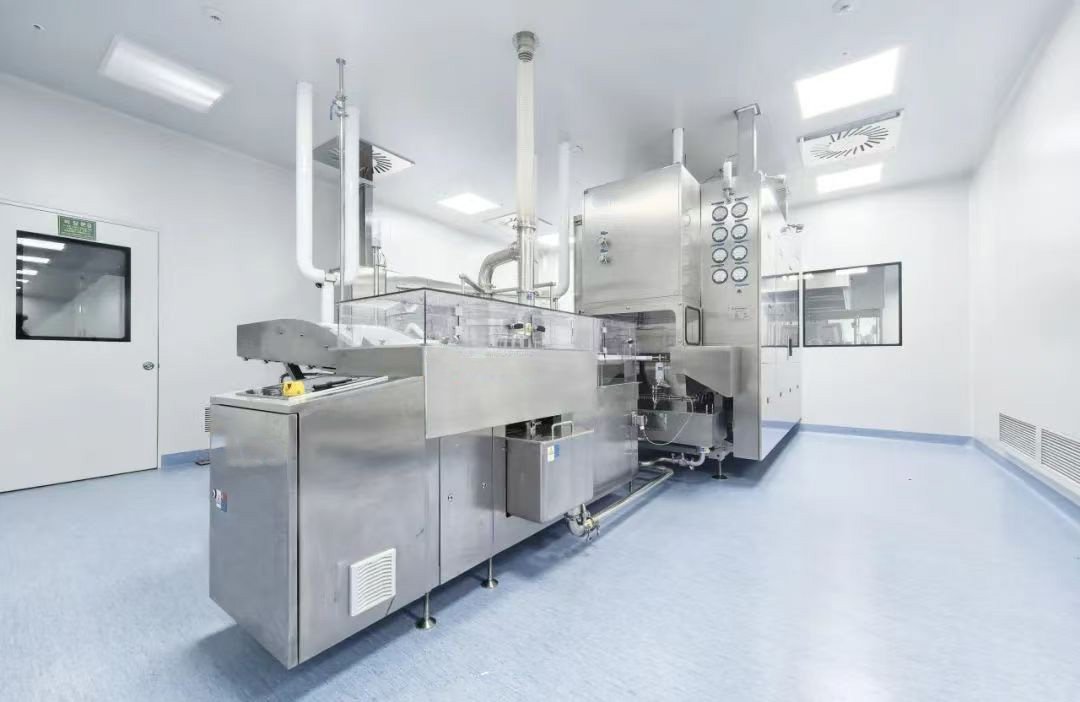
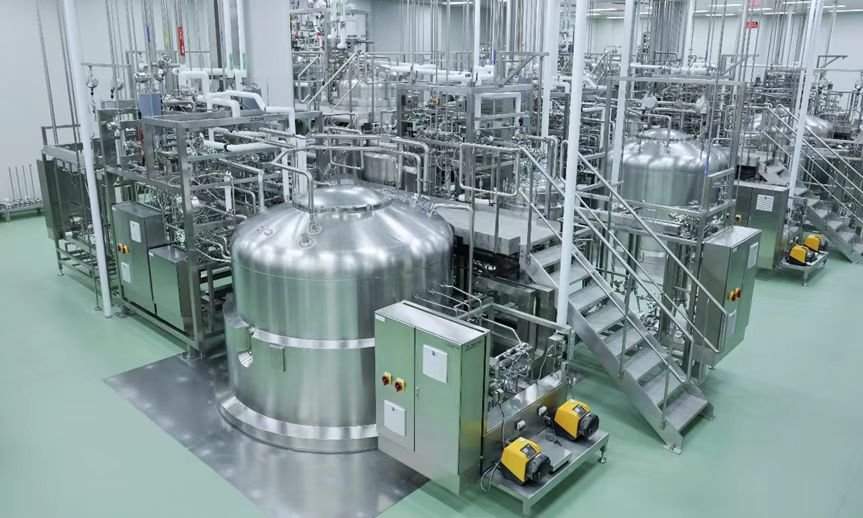
The genesis of a vaccine represents an intricate manufacturing odyssey spanning the continuum from microscopic genetic material to macroscopic drug product. As the opening phase of this campaign, upstream processing carries the defining mandate: to produce — with high yield, unwavering consistency, and uncompromising quality — the critical immunogenic payload, the antigen, in quantities sufficient to elicit a protective immune response in humans. This stage establishes the bedrock for vaccine yield, cost, and product quality. This article offers an in-depth examination of upstream workflows across four predominant technology platforms — viral vaccines, recombinant protein vaccines, viral vector vaccines, and mRNA vaccines — illuminating their technical underpinnings and inherent challenges.
The Strategic Blueprint of Vaccine Upstream Processing
Notwithstanding divergent technological routes, all upstream vaccine processes originate from a common point of departure: acquisition of the gene sequence encoding the target antigen. From this juncture, pathways diverge according to platform technology, the choice of which directly dictates raw materials, capital equipment, and core technological competencies. The unifying objective of every platform is to translate genetic information into bona fide antigens — entities faithfully recognized by the human immune system.
Detailed Upstream Processes Across Four Technology Platforms
01 The Classic Route: Viral Vaccines (Inactivated / Live-Attenuated)
This route constitutes the bedrock of the vaccine industry, underpinning vaccines against influenza, poliomyelitis, and others.
Core Principle
The virus itself serves as the antigen, propagated and amplified at scale within permissive host systems.
Key Steps
1. Seed lot banking: A comprehensively characterized master seed virus, obtained from competent regulatory or reference authorities, is propagated within designated hosts to establish both a master seed lot and a working seed lot, thereby ensuring genetic stability and sterility.
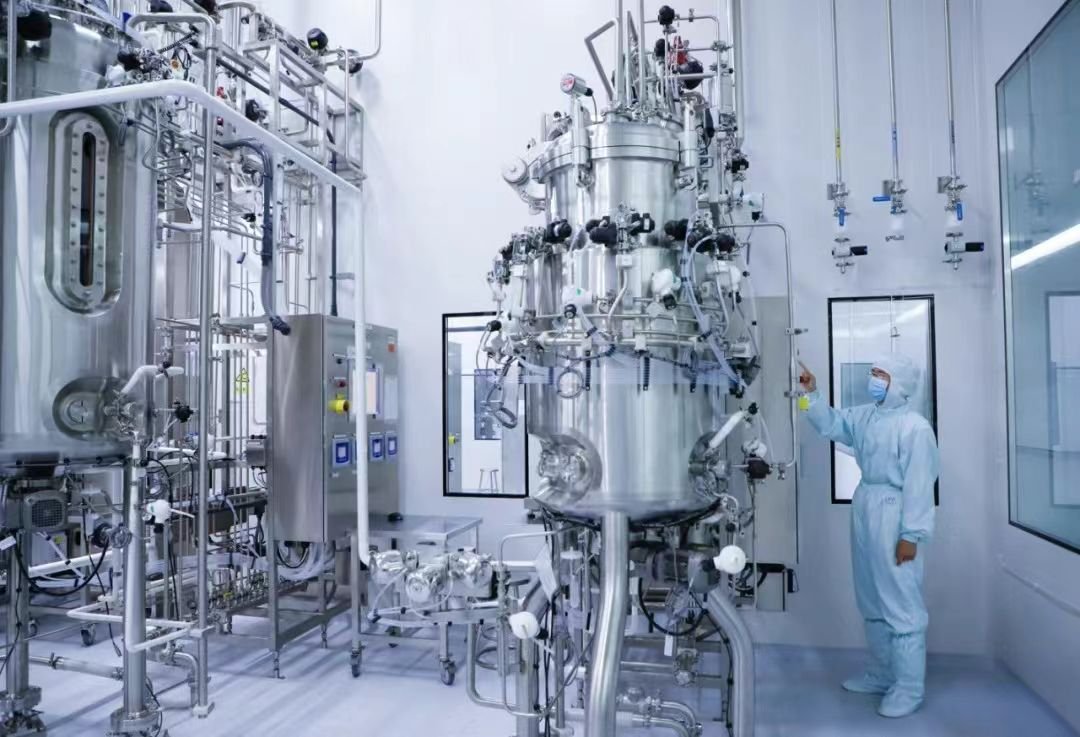
2. Host cultivation: Cultured cells (e.g., Vero, MDCK) or embryonated chicken eggs serve as “virus factories.” Cell-based systems require stepwise scale-up within bioreactors, whereas egg-based systems employ specific sterile, specific-pathogen-free (SPF) fertilized eggs.
3. Inoculation and amplification: The working seed virus is inoculated into the host at a precisely controlled multiplicity, exploiting host cellular machinery for extensive viral replication.
4. Harvest: At peak viral titer, virus-bearing culture fluid (cell supernatant or allantoic fluid) is harvested, yielding a crude product of complex and heterogeneous composition.
Principal Challenges: Ensuring efficient viral amplification, mitigating adventitious agent contamination, and preserving antigenic stability throughout processing.
02 The Engineered Route: Recombinant Protein Vaccines
This route exemplifies the mature application of modern biotechnology, as demonstrated by hepatitis B and HPV vaccines.
Core Principle
Genetically engineered cells are deployed as “protein factories” to express and secrete specific viral antigen proteins, including structurally complex virus-like particles (VLPs).
Key Steps
1. Cell line development: The antigen gene is inserted into an expression vector and introduced into host cells (commonly CHO cells or yeast). High-yielding, genetically stable monoclonal populations are selected, and cell banks are subsequently established.
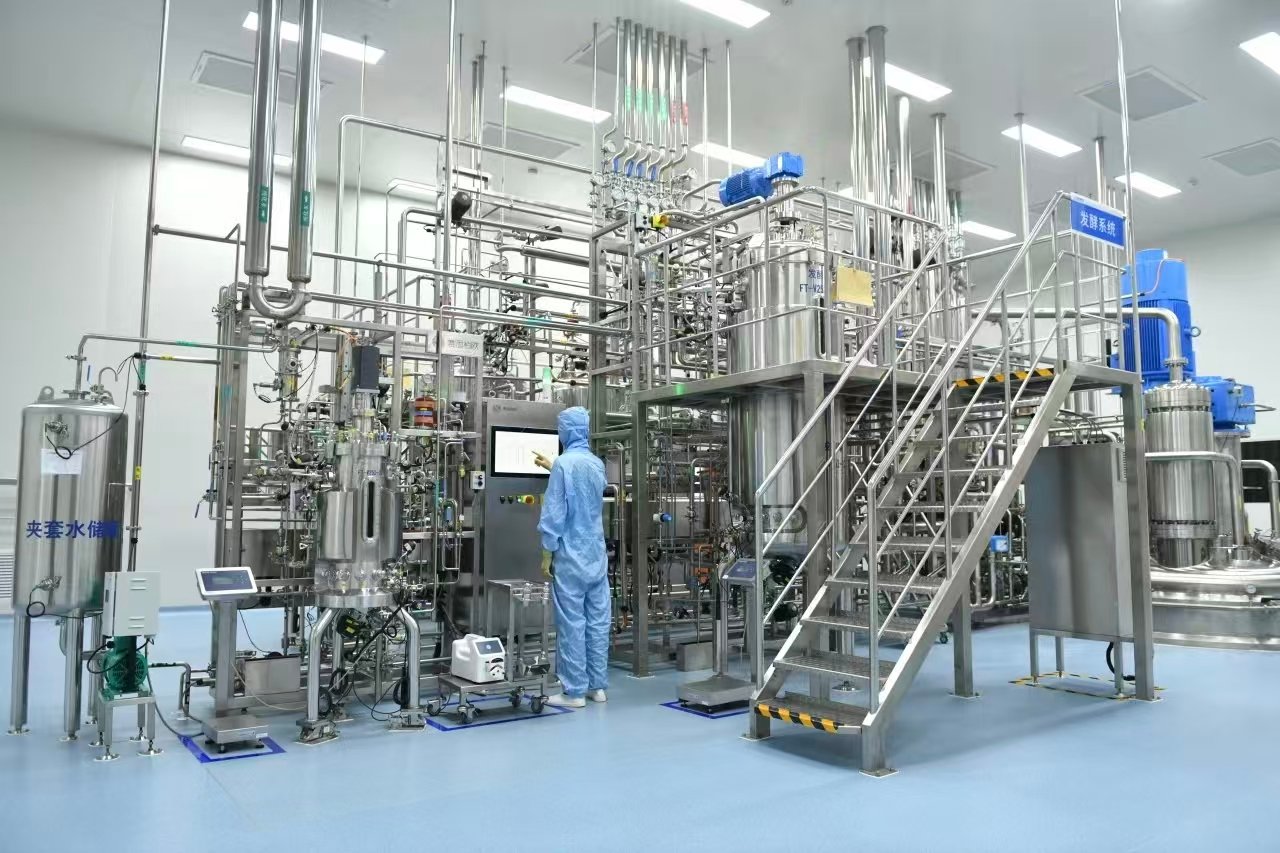
2. Large-scale fermentation: Cells recovered from the cell bank undergo seed expansion before transfer to large-capacity bioreactors, where tightly regulated fed-batch cultivation maximizes cell density and protein productivity.
3. Expression and harvest: Cells constitutively express and secrete the target protein into the culture supernatant; clarified antigen-containing fluid is obtained via centrifugation and filtration.
Principal Challenges: Achieving high-level expression and correct folding of the target protein (particularly for complex assemblies such as VLPs), controlling product heterogeneity, and ensuring process scalability.
03 The “Trojan Horse” Route: Viral Vector Vaccines
Exemplified by the AstraZeneca COVID-19 vaccine and Ebola vaccines, this route amalgamates the flexibility of genetic vaccines with the high transduction efficiency of viral vectors.
Core Principle
1. Production cell preparation: Specialized cell lines (e.g., HEK293) that provide the auxiliary functions required for vector virus replication are cultivated at scale.
2. Vector virus packaging: Plasmid co-transfection constitutes the prevailing approach, whereby plasmids encoding the antigen gene and helper plasmids are co-introduced into host cells, within which recombinant viral vector particles are assembled intracellularly.
3. Harvest and lysis: Owing to predominant intracellular accumulation of viral particles, cell biomass is harvested and subjected to lysis — typically via freeze-thaw cycles — to liberate crude viral fluid.
Principal Challenges: Preventing the generation of replication-competent virus, enhancing vector packaging efficiency and titer, and preserving vector integrity throughout downstream purification.
04 The Information Delivery Route: mRNA Vaccines
Pioneered by the Pfizer/BioNTech and Moderna COVID-19 vaccines, this platform has heralded a new epoch in vaccine research and development.
Core Principle
This approach circumvents in vitro protein production entirely. Instead, mRNA molecules encoding the antigen blueprint are chemically synthesized and delivered into human cells, wherein endogenous ribosomes effectuate antigen synthesis.
Key Steps
1. DNA template preparation: Plasmid DNA is constructed, subjected to high-density fermentation in E. coli, and purified to yield a high-purity, linearized pDNA template.
2. In vitro transcription: The pivotal chemical synthesis step. Within a cell-free system, RNA polymerase employs the pDNA as a template to synthesize the nascent mRNA strand, with concurrent 5′ capping and 3′ polyadenylation — modifications indispensable to mRNA stability and translational efficiency.
3. mRNA purification: Chromatographic and allied techniques remove residual enzymes, DNA templates, and contaminating RNA species, affording highly purified mRNA.
4. LNP encapsulation: A critical enabler of mRNA vaccine efficacy. Microfluidic mixing drives the instantaneous self-assembly of lipid nanoparticles encapsulating the mRNA, thereby protecting it from degradation and facilitating intracellular delivery.
Principal Challenges: Ensuring fidelity of mRNA sequence and modifications, developing efficient and stable LNP formulations and encapsulation processes, and rigorously controlling RNase contamination throughout the workflow.
Shared Objectives and Core Challenges of Upstream Processing
Notwithstanding disparate routes, all upstream processes converge on three core objectives: high yield, high quality (antigenic fidelity), and robust process consistency (minimal batch-to-batch variability). They likewise confront a set of highly analogous challenges:
1. Scalability: Robust translation of laboratory-scale processes to commercial production at thousands-of-liter scale while preserving critical quality attributes (CQAs).
2. Precise process control: Real-time monitoring and feedback regulation of numerous parameters — pH, dissolved oxygen, temperature, and nutrient concentrations, among others — to ensure process robustness.
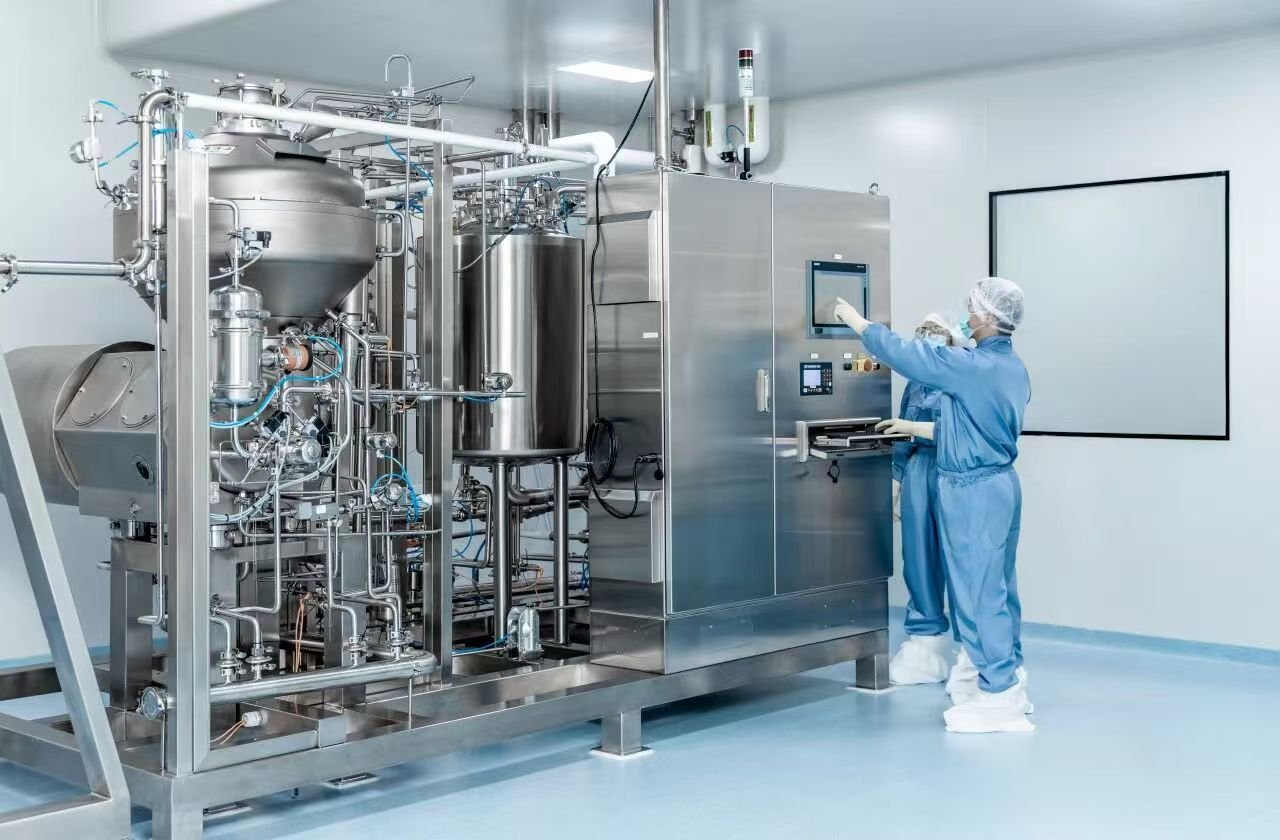
3. Contamination control: Enforcement of stringent aseptic practices to preclude microbial and mycoplasma contamination and to manage endotoxin levels.
4. Cost and cycle-time reduction: Optimization of processes to enhance productivity and shorten manufacturing timelines — a pivotal determinant of global vaccine accessibility and equity.