
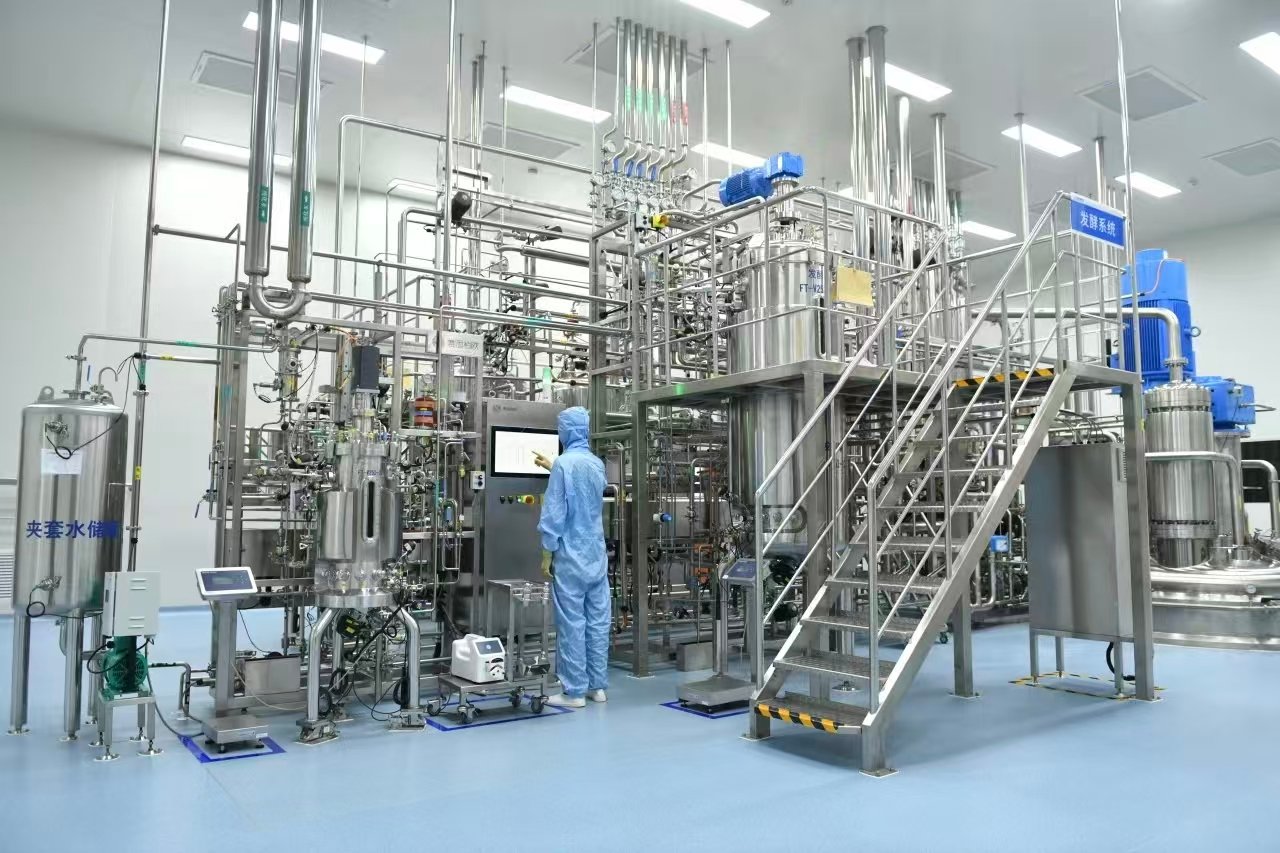
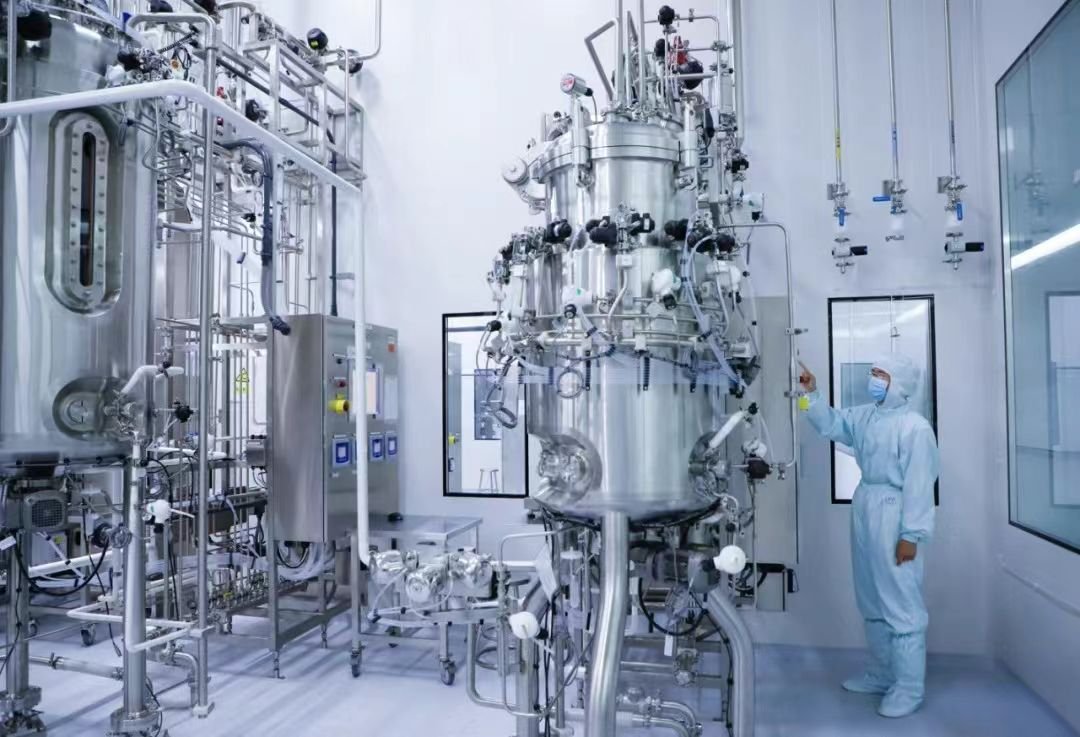
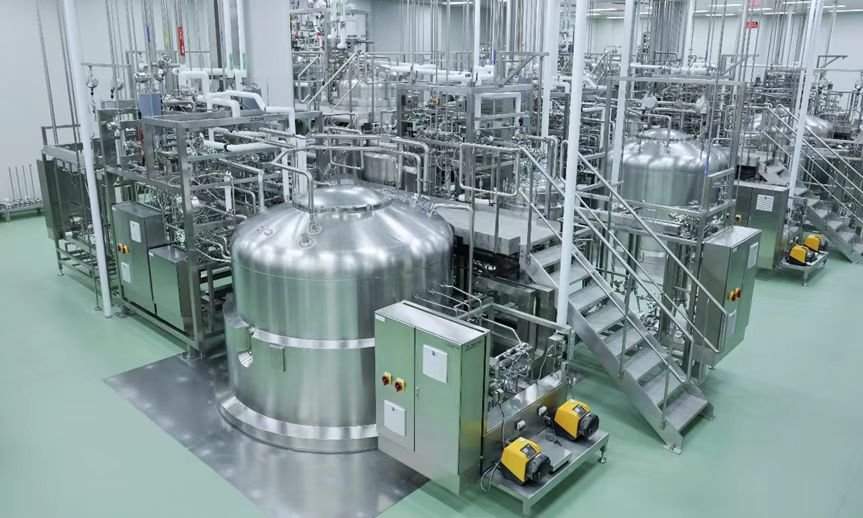
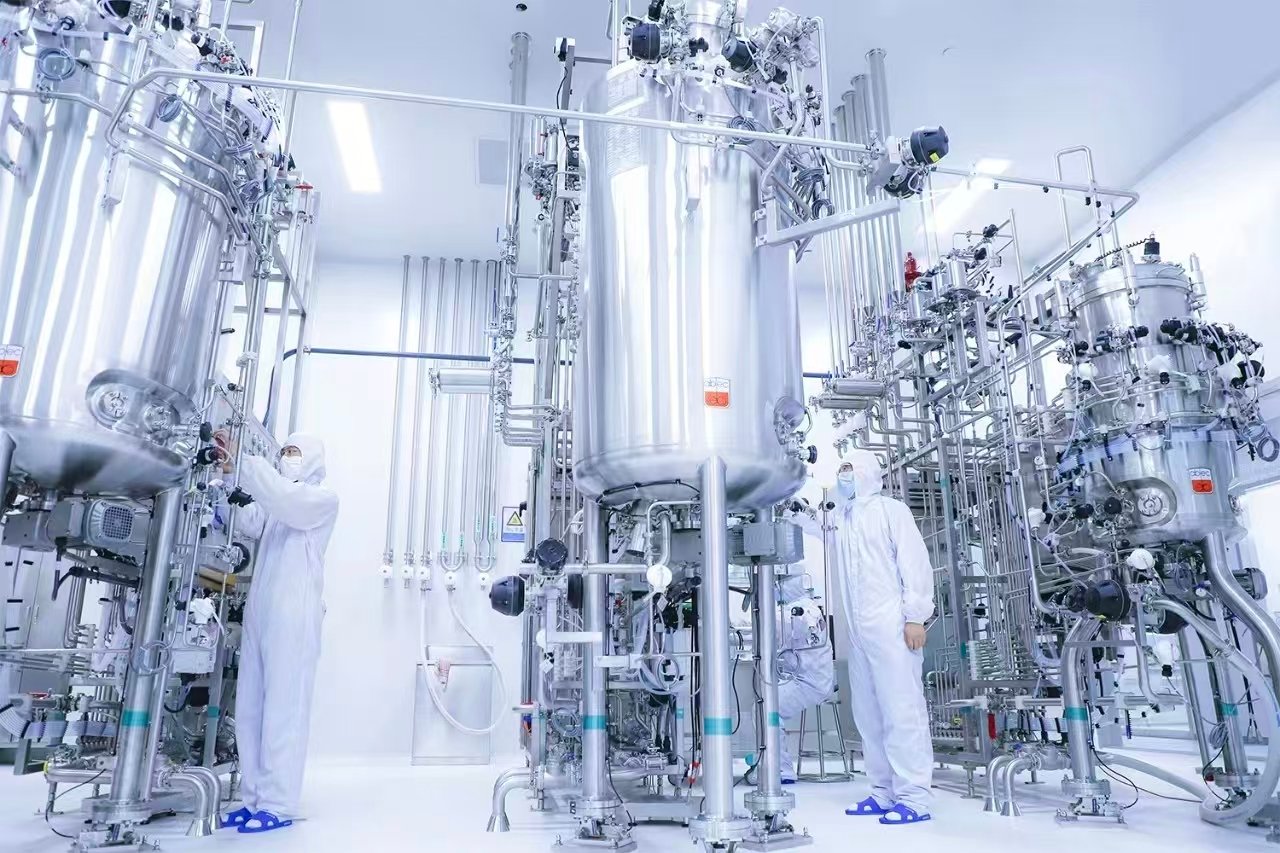
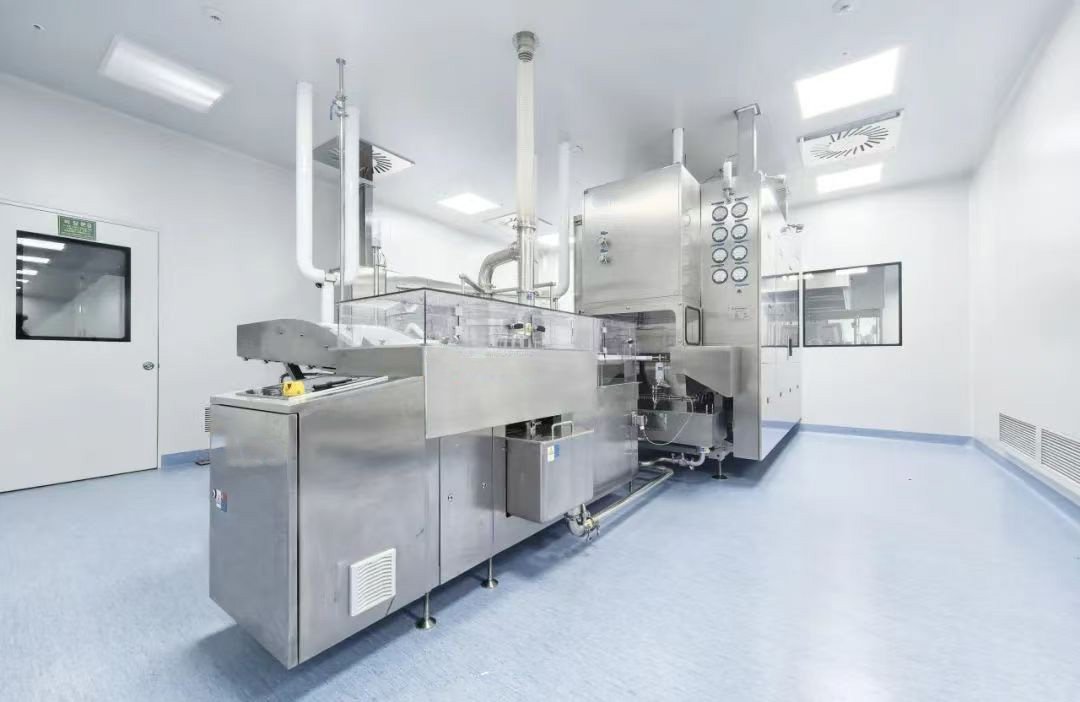
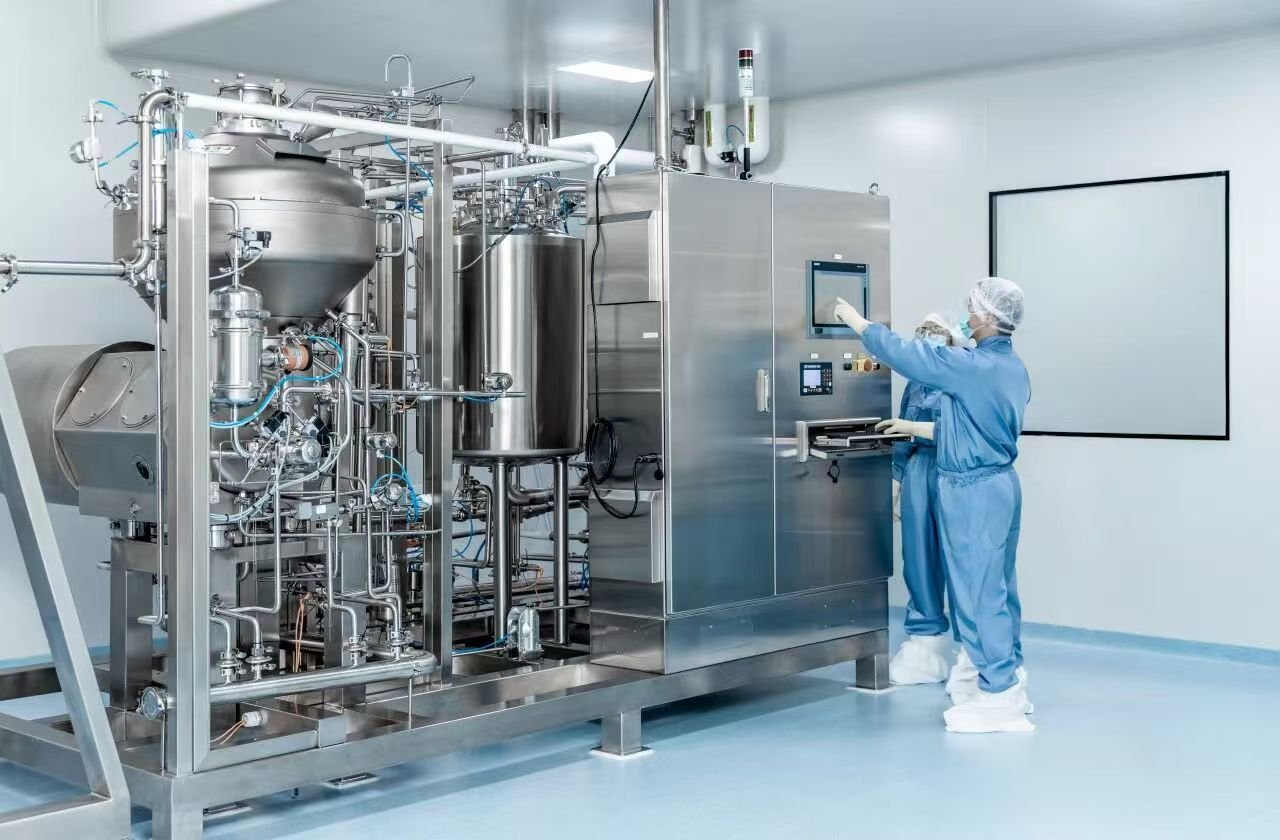
ASME BPE (Bioprocessing Equipment) is the globally recognized authoritative standard governing the design, materials of construction, fabrication, inspection and testing of equipment used in biopharmaceutical manufacturing. It exists to guarantee high hygienic standards, product purity and operator/patient safety. The latest edition, ASME BPE-2026, takes effect on November 1, 2026.
The standard is organized into dedicated Parts, of which the following are directly applicable to disc stack centrifuges:
Part GR — General Requirements (traceability, documentation, tolerances)
Part SD — Design for Sterility and Cleanability (dead-leg control, drainability, wetted geometry)
Part MJ — Materials Joining (welding acceptance criteria, heat-tint limits)
Part DT — Design for Automated Welding (joint geometry and orbital welding provisions)
Part SM — Surface Finish (roughness grades and measurement)
Part VG — Valves (hygienic valve design and orientation)
Part PI — Process Instrumentation (hygienic instrument mounting and seal design)
Part SE — Sealing Components (gaskets and elastomers, material qualification)
Within biopharmaceutical manufacture, the disc stack centrifuge is the core machine for fermentation broth clarification, microbial/bacterial cell separation and cell harvesting. Beyond the general bioprocessing rules common to piping, valves and instrumentation, the ASME BPE-2026 requirements must be interpreted in light of the machine’s distinctive process profile — high-speed rotation, solid–liquid separation and frequent sludge discharge — which demands a dedicated engineering approach at every interface between the rotating bowl and the surrounding process skid.
1. Materials of Construction and Surface Finish
Product-wetted components (bowl, disc stack, inlet/outlet piping, distributor and paring tubes) are the front line of contamination control. Their material selection and surface treatment determine product purity and cross-contamination risk.
1.1 Material Selection
Default selection: High-purity AISI 316L stainless steel (low carbon, ≤0.03% C) is the first choice for product-contact parts. Its low carbon content suppresses sensitization and minimizes intergranular corrosion risk during welding and repeated steam exposure.
Aggressive media: For chloride-bearing (Cl⁻) or strongly corrosive media, or where elevated chloride and elevated temperature coincide, duplex stainless steels (e.g., UNS S31803/S32205, or super-duplex S32750), titanium (Grade 2/5) or Hastelloy® (C-276) shall be selected, with material certs (Mill Test Reports) retained per Part GR traceability.
Surface / coating: Non-wetted and structural parts may use 304L, provided they do not compromise the aseptic boundary or create corrosion by-products.
All metallic materials must be accompanied by documented chemical composition and mechanical properties traceable to the heat number.
1.2 Surface Finish
Product-contact surfaces must be electro-polished (EP) or mechanically polished to reduce microbial adhesion and enhance cleanability.
Pharmaceutical grade: internal surface roughness Ra ≤ 0.8 μm is the baseline requirement.
Injectable/high-purity grade: Ra ≤ 0.4 μm (mirror finish) applies to surfaces in contact with the final product stream.
Roughness verification by profilometer or surface comparator per Part SM, with measurements documented on the surface-finish report.
Weld seams on product-contact surfaces are ground and polished to match the adjacent base-material roughness so no roughness discontinuity harbors residues.
1.3 Dead-Leg Free Geometry
The disc stack, bowl and internal flow paths shall use full-penetration, radiused (sanitary-arc) construction — no crevices, sharp re-entrant corners, exposed threads or mechanical gaps.
All wetted intersections must be self-draining and free of stagnation zones to prevent residual product and microbial harborage.
2. Piping, Connection and System Design
Piping design must reconcile hygienic fluid transfer with the mechanical stability of a machine running at high RPM.
2.1 Dead-Leg Control (L/D Ratio)
ASME BPE quantifies dead-leg formation using the L/D ratio (branch length L to internal diameter D).
For valves and branch connections the target is L/D ≤ 2:1, eliminating blind pockets that cannot be swept by turbulent flow and are therefore undrainable and sterilizable.
2.2 Connection Methods
Permanent joints: automatic orbital welding is preferred, delivering smooth, crevice-free, permanent connections.
Dismountable joints: hygienic tri-clamp (Tri-Clamp®) connections with compatible gaskets; threaded connections shall be avoided in wetted service wherever possible.
2.3 Welding and Joining Practices
Orbital GTAW (autogenous) per Part MJ and Part DT; full penetration with smooth, uniform internal weld crown (no concavity below parent material in wetted line).
100% internal borescope (endoscopic) inspection of every weld; internal heat-tint must remain within silver / straw / light-gold range — blue, purple or grey discoloration is rejected (excessive heat input degrades corrosion resistance).
Post-weld pickling and passivation to restore the passive chromium-oxide layer and verify it (e.g., ferroxyl or copper sulfate tests where applicable).
Welds are documented in a weld map / weld log with welder ID, filler-metal lot, parameters and inspection records (Part GR).
2.4 Drainability and Slope
Feed, clarified-liquid (supernatant) and sludge discharge lines must be sloped for gravity self-drainage — typically ~2% slope in ASME BPE GSD (Gravity Sanitary Drainage) systems — so the system drains completely on shutdown and during CIP, with no trapped liquid pockets.
2.5 Maintenance and Access
In cleanroom areas a minimum 1 m clearance must be reserved around the machine to allow bowl withdrawal for deep cleaning, disc-stack disassembly, seal and bearing inspection.
3. Valve Selection and Installation
Valves control feed, clarified-liquid discharge and sludge ejection, and must satisfy aseptic operation plus CIP/SIP requirements.
3.1 Valve Types
Diaphragm valves: preferred for product-wetted lines, clean compressed-air, Purified Water / Water for Injection (PW/WFI) distribution and pure-steam systems — dead-leg free, fully drainable and sterilizable. Installation orientation must strictly follow manufacturer and Part VG guidance (typically installed so the diaphragm cavity drains).
Tank bottom / drain valves: the centrifuge bottom outlet uses a dedicated flush-bottom valve mounted tight to the base for zero-residue discharge.
Containment transfer valves: for toxic or high-potency / highly active pharmaceutical ingredients (HPAPIs), split butterfly or equivalent containment transfer valves prevent powder/droplet release and cross-contamination; selection follows OEL/OEB containment class.
3.2 Sealing Materials
Valve seals (diaphragms, seats, O-rings) must meet FDA requirements and USP Class VI biological reactivity certification.
Common materials: EPDM (steam-resistant), silicone (high-temperature), PTFE / FFKM (high chemical resistance).
Seals must withstand repeated CIP/SIP thermal cycling without fatigue, compression set or deformation; material qualification and cycle-life data are retained per Part SE.
4. Instrumentation and Process Control
Accurate instrumentation underpins separation performance, product quality and machine reliability.
4.1 Online Turbidimeter (Core Analyzer)
Continuously monitors clarified-supernatant turbidity to assess separation efficiency in real time.
When turbidity exceeds a threshold (e.g., 50 NTU), the control system automatically triggers sludge discharge or adjusts feed flow — enabling closed-loop control of separation quality.
4.2 Level / Interface Transmitter
Stabilizes feed rate: prevents overfeeding (carry-over/overload) and underfeeding (reduced efficiency), and avoids abnormal vibration caused by unstable liquid level.
4.3 Temperature and Pressure Monitoring
Temperature: biologics (antibodies, mammalian cells) are heat-sensitive; thermocouples at sludge ports or the jacket monitor heat generation from friction/separation and alarm above ~40 °C to prevent protein denaturation.
Pressure: bowl/chamber pressure is monitored and interlocked with the PLC to modulate automatic sludge-ejection frequency and keep the machine stable.
4.4 Speed and Vibration Monitoring
Speed: target speed is set per separation duty and G-force requirement — different for mammalian cells, cell debris or viral particles — balancing separation efficiency against cell lysis / protein denaturation. Variable-frequency drive enables step-less speed adjustment.
Vibration: trending is the key indicator. A >20% rise above baseline triggers a precautionary alert; >50% mandates scheduled shutdown inspection. This detects early bearing wear, ball spalling and unbalance, avoiding costly main-shaft repair from emergency trips. Redundant sensors, overspeed and out-of-balance interlocks provide independent machine protection.
4.5 Hygienic Instrument Design
All instruments within the aseptic boundary conform to Part PI: hermetic or diaphragm seals, hygienic process connections, and self-draining mounting orientation so they cannot become microbial dead zones.
5. Integrated Rotating-Machine and Hygiene Engineering
Designing a disc stack centrifuge for ASME BPE requires handling the aseptic boundary around a high-speed rotating element — a distinct engineering challenge beyond static piping.
5.1 Rotating-Bowl Aseptic Design
Hermetic (gas-tight) bowl design for oxygen-sensitive products or where containment of aerosols is required; static-to-rotating seals use double mechanical seals with sterile barrier fluid (e.g., WFI/condensate) to maintain the aseptic barrier.
Feed and discharge are transferred through rotary connections / paring tubes designed to be self-draining and crevice-free.
Cooling jacket with chilled-water circulation controls bowl temperature for temperature-sensitive biologics.
Backpressure control on the clarified-liquid outlet stabilizes the liquid ring and separation sharpness.
5.2 Sludge Discharge and CIP/SIP Integration
Intermittent sludge ejection — timer-based, turbidity-triggered or solids-load-triggered — with a minimum discharge volume to maintain consistent solids concentration and avoid dilution losses.
Bowl internals (disc stack) are designed for removal and manual deep cleaning in addition to CIP; the machine and its skid shall withstand SIP without gasket or seal degradation.
Discharge and exhaust are vented/piped to containment where active or toxic material is processed.
5.3 Special Duty Cases
Flammable solvents (e.g., ethanol in fermentation/centrifugation): ATEX / explosion-proof electrical and instrumentation provisions, inert-gas (N₂) blanketing and oxygen monitoring where required.
High-potency / containment: closed bowl, split butterfly containment transfer, glovebox or isolator interfaces per OEL classification.
6. Validation, Documentation and Quality
ASME BPE compliance is demonstrated not only in the fabricated hardware but in the documented, auditable trail.
FAT / SAT: factory and site acceptance testing cover mechanical run, vibration signature, CIP/SIP hold and instrumentation calibration.
IQ / OQ / PQ and GMP compliance, with 21 CFR Part 11 data integrity for electronic records and audit trails.
Documentary deliverables: material certs (MTR), weld map, surface-finish report, passivation records, gasket material qualification, seal cycle data and as-built P&IDs.
7. Design Philosophy
The application of ASME BPE to disc stack centrifuges has moved the industry away from the traditional “function-over-hygiene” equipment philosophy. The complete system is engineered around three golden principles — dead-leg free, fully drainable, and cleanable — which collectively minimize microbial attachment, product residue and cross-contamination, providing the technical foundation for GMP compliance and FDA readiness. As ASME BPE-2026 evolves, disc stack centrifuge design will advance toward greater modularity and intelligence, continuously driving high-quality, compliant manufacturing in biopharmaceuticals.
About Sino Bioengineering
Sino Bioengineering is deeply rooted in the biopharmaceutical industry, holding proprietary core technologies in continuous-flow disc stack centrifugation, and is a comprehensive solutions provider for process disc-separation technology across the global biomedical sector.