

In industrial fermentation production, the judgment of the fermentation endpoint directly determines final product quality and economic benefits. Terminating fermentation prematurely leads to insufficient substrate utilization and low product titer; delayed termination easily causes microbial autolysis, product degradation, and increases the burden on downstream extraction processes. Therefore, scientifically defining this critical node is a core task of process optimization.
Accurate judgment of the fermentation endpoint follows an integrated logic: precise monitoring of key process signals, trade-off based on production objectives, and full consideration of economic benefits throughout the whole process. This article systematically sorts out the key criteria and practical methods for endpoint determination.
Clarify Process Objectives to Establish Judgment Orientation
Fermentation products vary in process priorities, so the priority dimensions for endpoint judgment should be adjusted accordingly:
If raw material and fermentation costs dominate production expenditure, the focus shall be placed on boosting yield and conversion rate to maximize output efficiency per unit time.
If downstream extraction costs are high or the product has high added value, priority shall be given to maximizing terminal product concentration while reasonably controlling fermentation cycle, so as to reduce the difficulty and cost of subsequent purification.
Monitor Key Indicators to Capture Metabolic Transition Signals
In the late fermentation stage, changes in microbial metabolic state are reflected in multiple measurable parameters, which serve as core bases for endpoint judgment:
Abnormal rise in pH and Dissolved Oxygen (DO): During stable fermentation, pH and DO are maintained within a fixed range. A simultaneous or successive sharp increase in both indicators usually signifies stagnation of microbial growth and product synthesis, marking the early stage of microbial decline or autolysis. This signal is commonly adopted as the primary basis for endpoint judgment.
Degradation of mycelial morphology: Microscopic sampling observation shows that robust and intact mycelia turn sparse, fragmented or broken, which intuitively indicates declined microbial vitality and impending autolysis.
Declined residual sugar and elevated amino nitrogen: When residual sugar drops to a low level while amino nitrogen content rises conversely, it implies microorganisms initiate endogenous metabolism and decompose self-proteins due to the depletion of exogenous nutrients. Fermentation should be terminated promptly at this point.
Changes in physical properties of fermentation broth: Abnormal variations such as sharp increase or decrease in viscosity, deepened color and altered foam characteristics can also be used as auxiliary judgment indicators.
Conduct Economic Evaluation to Optimize Overall Benefit
Fermentation endpoint judgment should not merely target the peak product concentration, but optimize overall production efficiency with the formula:
Total Yield = Total Product Output / (Fermentation Cycle + Tank Cleaning Preparation Time)
Early tank discharge with a slight reduction in single-batch output may shorten the production cycle, improve equipment turnover rate, and ultimately achieve higher total production capacity.
Reserve Operational Margin for Downstream Processes
Tank discharge timing directly affects the efficiency of subsequent extraction and purification.
Excessive residual nutrients (e.g., sugar, protein) will increase the load of extraction; excessive microbial autolysis will result in poor filterability of fermentation broth and product instability. Hence, feeding strategy shall be strictly controlled before tank discharge, and the supplementation of exogenous materials such as sugar and antifoam agent is usually stopped several hours in advance.
Differentiated Management Based on Process Maturity
Mature processes: Implement production in accordance with established standard operating procedures (SOPs), while maintaining real-time monitoring. Timely adjustment shall be made in case of abnormal mycelial status to avoid expanded economic losses.
New process development: Conduct multi-batch experimental trials, systematically record product titer, microbial status and key parameters at different time points, and gradually establish a reliable endpoint prediction model.
Reliable Equipment Support to Strengthen Judgment Basis
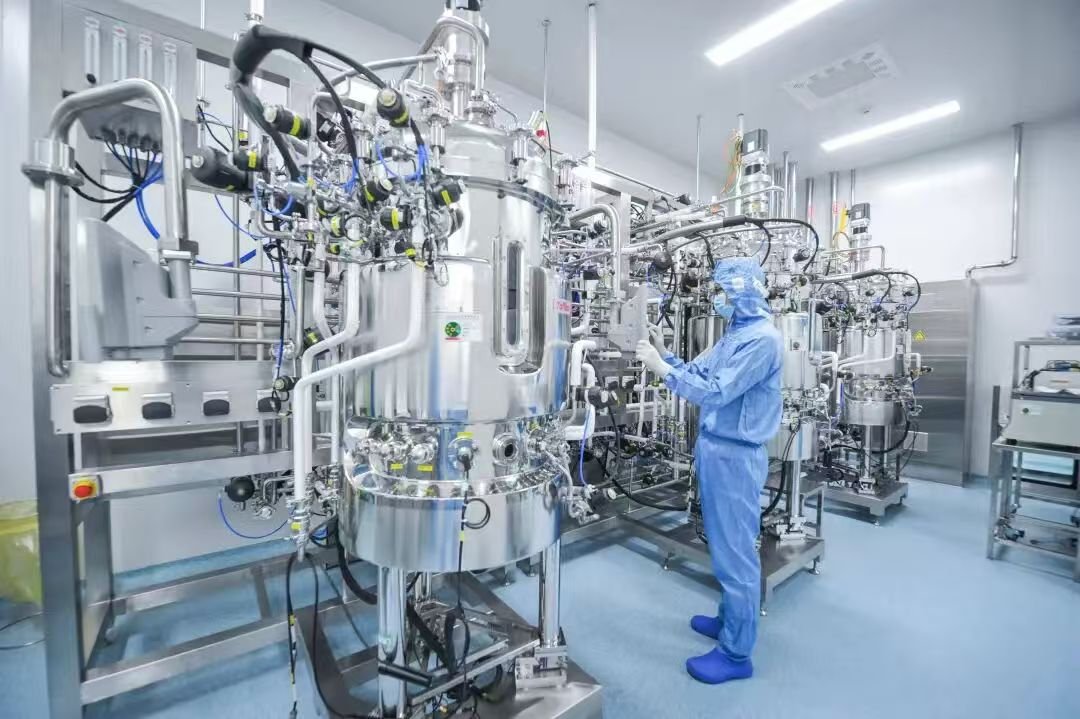
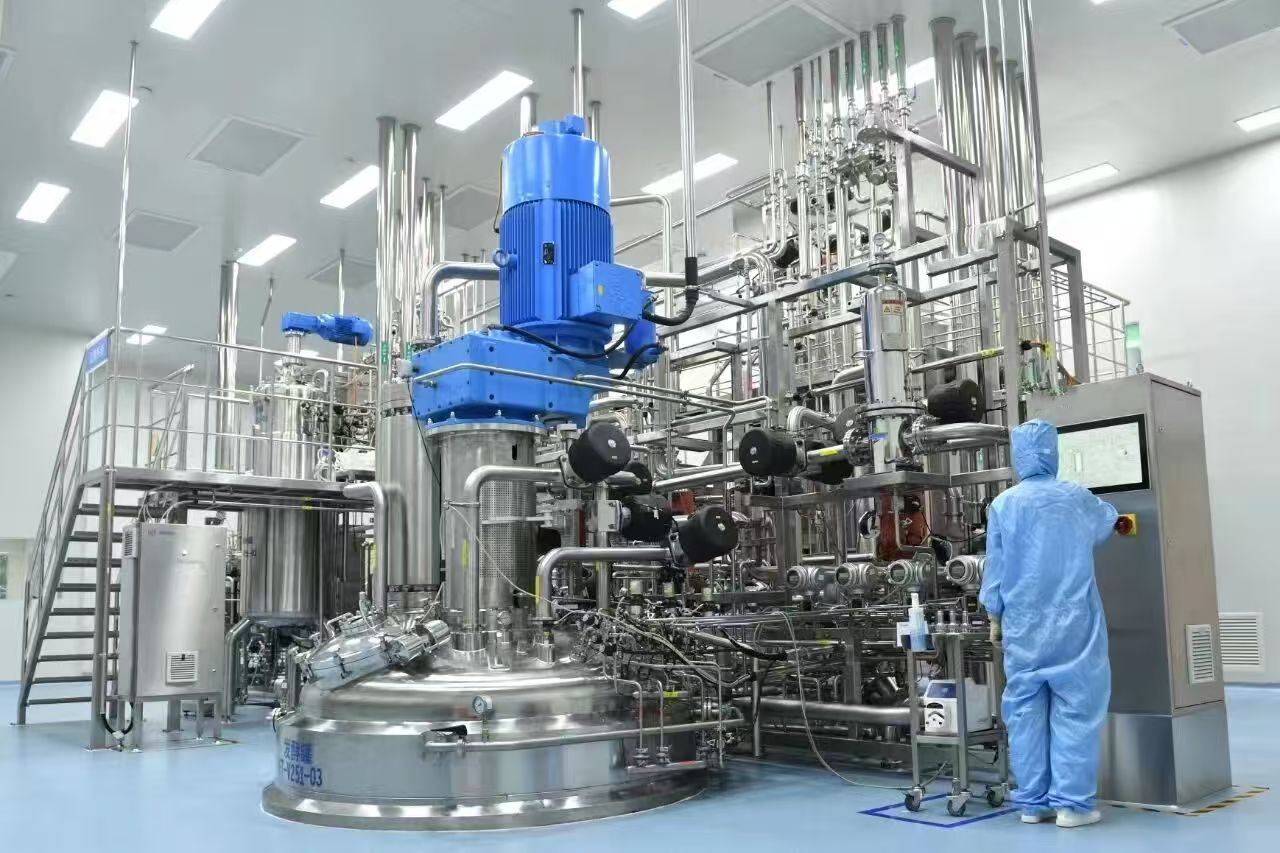
In practical production, stable and well-functioning fermentation equipment provides critical data support and process consistency for accurate fermentation endpoint judgment.
Summary
Judging the fermentation endpoint is a balancing art that seeks the optimal equilibrium among product accumulation, time cost, equipment utilization and downstream process burden. By clarifying production objectives, systematically monitoring key parameters, conducting overall economic evaluation and relying on stable process equipment, operators can continuously improve the accuracy and stability of endpoint judgment, and ultimately realize comprehensive optimization of product quality, production efficiency and economic benefits.
As a leading process-oriented engineering company, Sino Bioengineering delivers professional bioengineering solutions and comprehensive technical services to clients worldwide.
For more products and solutions: https://sinobioengg.com/category/solution/
For more service: https://sinobioengg.com/category/service/