
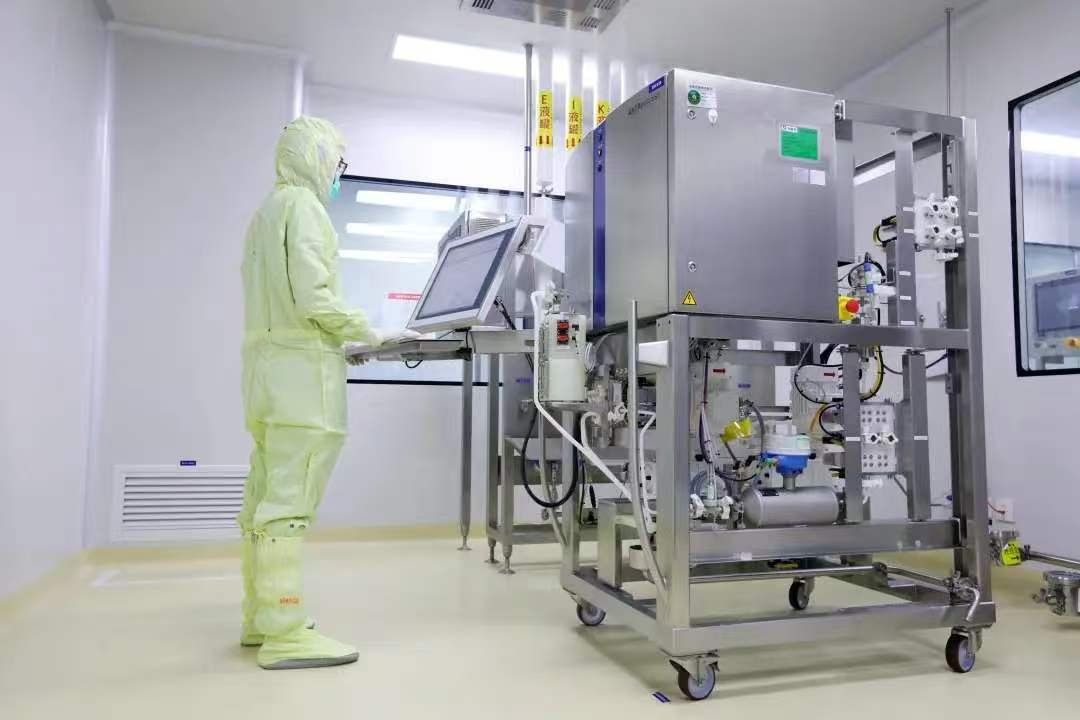
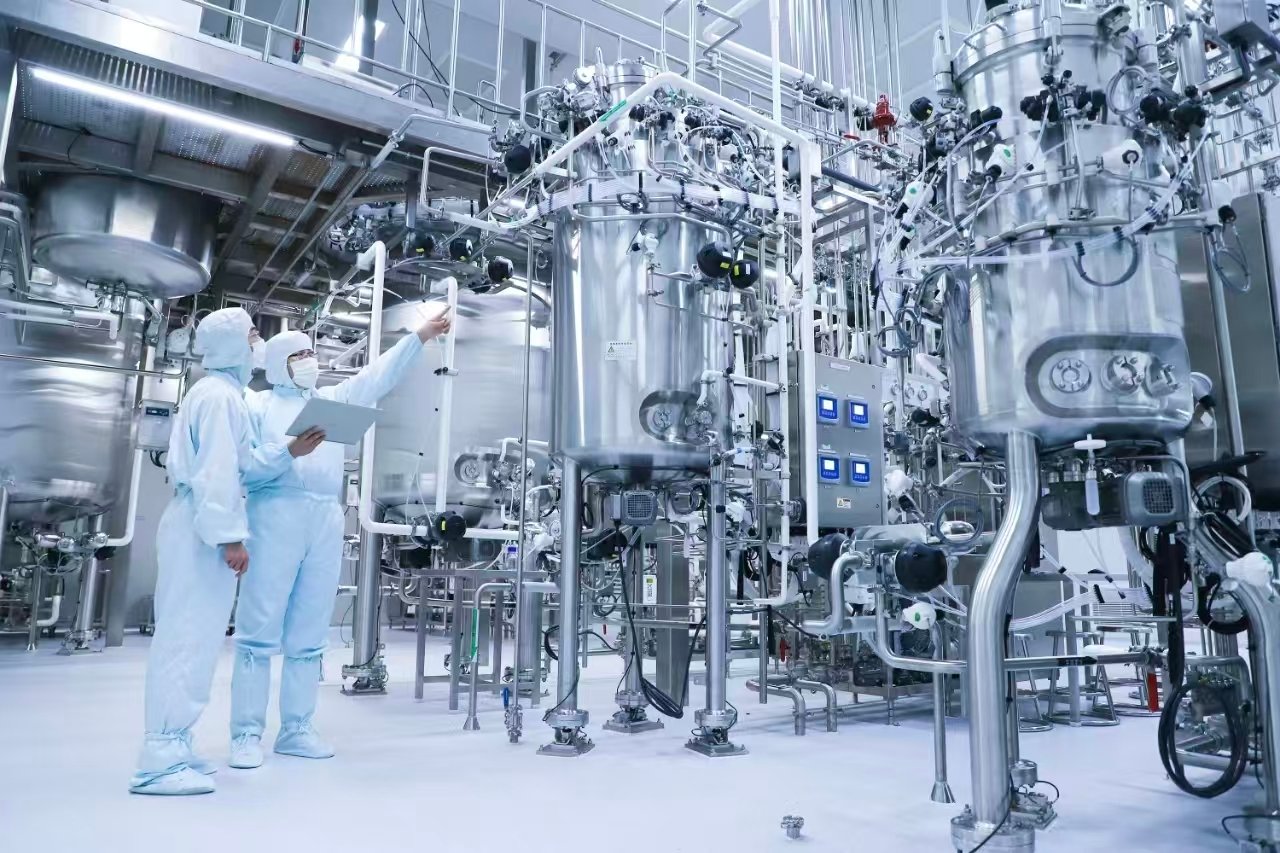
Bioreactor scale-up is the core link from laboratory scale cultivation to industrial production in biopharmaceuticals, microbial fermentation, and cell therapy manufacturing. However, hydrodynamic shear stress is the most common and easily overlooked technical bottleneck in the scaling-up process. Uncontrolled excessive shear stress will damage shear-sensitive cells, inhibit microbial metabolism, reduce product yield and activity, and even lead to full-scale process failure. This article systematically analyzes the generation mechanism and adverse effects of hydrodynamic shear stress during bioreactor scale-up, and summarizes practical and scalable mitigation strategies from equipment optimization, parameter control, process design and auxiliary technical means, providing actionable technical guidelines for stable and efficient bioprocess amplification.
1.The Hidden Risk of Hydrodynamic Shear Stress in Bioreactor Scale-Up
Laboratory-scale bioreactors focus on rapid culture condition screening and process optimization, with mild fluid flow and uniform mass transfer environments. When scaling up to pilot-scale and commercial production scale, the geometric size, stirring state, aeration mode and fluid turbulence characteristics of the reactor change drastically. The mismatch of hydrodynamic conditions is the primary cause of process instability in scale-up.
Hydrodynamic shear stress refers to the tangential force generated by fluid relative motion in the bioreactor, mainly derived from impeller stirring, bubble rupture, fluid turbulence and wall collision. For shear-sensitive biological systems including mammalian cells, stem cells, filamentous fungi and fragile viral vectors, shear stress is a fatal influencing factor. Studies have shown that cell lysis may occur when the shear stress of mammalian cell culture exceeds 5 Pa.
Different from small-scale reactors, large-scale bioreactors are prone to form local high-shear hot zones, uneven shear distribution and excessive turbulence intensity, which make laboratory mature processes difficult to replicate in industrial production.
The core goal of bioreactor scale-up is to replicate the optimal hydrodynamic and microenvironment conditions of small-scale systems. Mitigating hydrodynamic shear stress and maintaining stable shear environment is the key to consistent cell growth, stable metabolism and controllable product quality in the amplification process.
2.Core Sources and Adverse Effects of Shear Stress in Scale-Up Processes
To effectively mitigate shear stress, it is necessary to clarify the main generation sources of shear stress in large-scale bioreactors and their specific impacts on bioprocesses.
2.1 Main Sources of Hydrodynamic Shear Stress
First, impeller stirring shear is the dominant source. To ensure uniform mixing and sufficient mass transfer in large-volume reactors, the stirring speed and power input are often increased blindly. The high linear velocity at the impeller tip produces strong fluid shear, and the turbulent vortex formed by stirring further amplifies local shear force.
Second, aeration and bubble shear cannot be ignored. In large-scale production, high-flow aeration is required to meet the oxygen demand of high-density culture. High-speed gas ejection from the sparger orifice, bubble rising, collision and rupture will generate instantaneous high shear stress, which is especially harmful to adherent cells and fragile microbial mycelia.
Third, geometric mismatch shear caused by scale difference. The geometric similarity ratio of small and large reactors is inconsistent, leading to changes in fluid flow field distribution. Dead zones and high-shear zones are easily formed near the reactor wall, baffle and liquid level, resulting in uneven shear distribution in the tank.
2.2 Key Adverse Effects on Bioprocesses
Excessive shear stress has multi-dimensional negative impacts on bioproduction. At the cellular level, it will damage cell membrane integrity, reduce cell viability and proliferation rate, and cause cell apoptosis and shedding; for adherent cell culture based on microcarriers, high shear will lead to microcarrier collision and cell detachment.
At the metabolic level, shear stress will interfere with microbial and cell metabolic pathways, inhibit the synthesis of target products, and increase the secretion of impurity metabolites, resulting in decreased product yield and increased purification difficulty. At the process level, unstable shear environment will cause inconsistent batch-to-batch culture states, poor process reproducibility, and even trigger large-scale culture collapse in severe cases.
3.Practical Strategies to Mitigate Hydrodynamic Shear Stress in Bioreactor Scale-Up
Combined with industrial verification and academic research results, the shear stress mitigation scheme runs through the whole process of reactor design, parameter optimization and process adjustment. The following efficient and scalable strategies are summarized for industrial application scenarios.
3.1 Optimize Reactor Hardware and Impeller Configuration (Fundamental Improvement)
Equipment structure is the fundamental factor determining the hydrodynamic environment of the reactor. Replacing high-shear components with low-shear designs is the most direct and effective way to reduce shear stress.
In terms of impeller selection, the traditional Rushton turbine has strong shear performance and is only suitable for robust microbial fermentation. For shear-sensitive culture systems, low-shear impellers such as hydrofoil impellers and pitched-blade impellers should be preferred. The inclined blade and streamlined structure of these impellers focus on axial circulating mixing rather than radial turbulent shearing, which can ensure uniform fluid mixing under lower power input and significantly reduce impeller tip shear force. Industrial data shows that under the same mixing efficiency, the shear stress of hydrofoil impellers is reduced by 30%–50% compared with traditional turbine impellers.
In terms of aeration system optimization, control the sparger orifice gas velocity below 30 m/s to avoid instantaneous high shear caused by high-speed gas ejection. For high-density cell culture, adopt multi-orifice micro-spargers or membrane aeration systems to disperse gas uniformly, reduce bubble size and rupture intensity, and eliminate aeration-induced high shear hot zones. In addition, optimize the number and position of baffles to avoid excessive fluid turbulence while ensuring mixing uniformity.
3.2 Adopt Scientific Scale-Up Criterion to Stabilize Shear Environment
Blindly amplifying stirring speed and aeration rate according to volume ratio is the main cause of shear stress out of control. It is necessary to abandon the simple “volume proportional scale-up” and adopt hydrodynamic characteristic parameters as the scale-up benchmark.
Constant impeller tip speed control is the core criterion for shear-sensitive bioprocess scale-up. Impeller tip speed is the key index reflecting the maximum shear stress of the reactor. Maintaining the same tip speed between small-scale and large-scale reactors can effectively replicate the original shear environment and avoid excessive shear caused by stirring parameter amplification. For mammalian cell culture, the tip speed should be strictly controlled below 1.5 m/s to ensure cell activity.
In addition, control the Kolmogorov eddy length above 20 μm. The micro-vortex formed by fluid turbulence with a scale smaller than cell size will produce micro-shear damage to cells. Maintaining a reasonable eddy length can eliminate micro-shear risk. Meanwhile, take volume-average strain rate and unit volume power input as auxiliary scale-up indexes to balance mixing efficiency and shear level, avoid local high shear while ensuring sufficient mass transfer.
3.3 Optimize Process Operation Parameters to Reduce Shear Load
On the basis of fixed equipment conditions, fine-tuning process parameters can further reduce hydrodynamic shear stress and realize stable scale-up.
First, implement staged stirring and aeration strategy. In the early stage of culture with low cell density and low oxygen demand, reduce stirring speed and aeration flow to minimize fluid turbulence and shear action; in the middle and late stage of high-density growth, gradually increase parameters according to oxygen consumption and mixing requirements, avoiding long-term high-load operation. Second, control the shear rate of the whole process below 5000 s⁻¹, which is the safe threshold for most CHO cells and shear-sensitive microbial cultures.
Third, add biological protective agents appropriately. Adding low-concentration protective substances such as Pluronic F-68 to the culture medium can form a protective film on the cell surface, effectively resisting fluid shear damage and improving cell tolerance to shear stress. This method is simple to operate, low in cost and widely used in industrial cell culture scale-up.
3.4 Assist CFD Simulation and Scale-Down Model Verification
For large-scale reactor scale-up with high process risk, rely on Computational Fluid Dynamics (CFD) simulation technology to pre-judge the flow field, shear distribution and turbulence intensity in the reactor. CFD can accurately locate high-shear hot zones in large reactors, guide the targeted optimization of impeller position, aeration layout and stirring parameters, and avoid blind process amplification.
Cooperate with the scale-down model verification method to replicate the hydrodynamic shear conditions of large-scale reactors in small-scale experimental equipment, complete process debugging and risk verification in advance, and optimize the shear control scheme, so as to ensure 1:1 stable replication of small-scale optimal processes to large-scale production.
3.5 Replace Low-Shear Reactor Systems for Special Scenarios
For ultra-sensitive culture systems such as stem cells and primary cells that are extremely sensitive to shear force, traditional stirred-tank bioreactors are difficult to meet the requirements. It is recommended to replace low-shear reactor platforms, such as rocking bioreactors and fixed-bed bioreactors.
Different from the forced shear mixing of stirred tanks, rocking bioreactors rely on gentle swinging to realize fluid circulation and mass transfer, with extremely low overall shear stress and uniform fluid environment; fixed-bed reactors can avoid direct fluid impact and shear damage to cells, which is very suitable for scale-up culture of adherent cells and shear-sensitive cell products such as cell therapy vectors.
4.Industrial Application Case Analysis
Case 1: Mammalian Cell Antibody Culture Scale-Up
A biopharmaceutical enterprise encountered a sharp drop in cell viability and antibody yield during the scale-up of CHO cell culture from 10 L to 2000 L stirred tank. After troubleshooting, it was confirmed that excessive shear stress caused by blindly increasing stirring speed was the core problem. The optimization scheme adopted low-shear hydrofoil impellers, controlled the impeller tip speed at 1.2–1.4 m/s, matched with micro-membrane aeration, and added Pluronic F-68 protective agent. After optimization, the cell viability remained above 95% throughout the culture cycle, and the antibody yield was consistent with the laboratory small-scale level, realizing stable industrial scale-up.
Case 2: Filamentous Fungi Fermentation Scale-Up
In the scale-up process of penicillin fermentation, high shear force of large-scale reactor caused massive breakage of penicillium mycelia, resulting in decreased metabolic synthesis ability and low fermentation titer. By replacing pitched-blade low-shear impellers, reducing unit volume power input, and optimizing aeration parameters to avoid bubble rupture shear, the integrity of mycelial morphology was effectively maintained, the fermentation titer was increased by 18%, and the batch stability was significantly improved.
5.Summary and Outlook
Hydrodynamic shear stress control is a key technical barrier that must be broken through in bioreactor process scale-up. Excessive and uneven shear stress will directly threaten cell activity, metabolic stability and product quality. The core logic of shear stress mitigation is to match equipment design, process parameters and amplification criteria with biological characteristics.
In actual industrial production, we should take targeted optimization measures according to the shear sensitivity of different culture systems: take low-shear equipment transformation as the foundation, take scientific hydrodynamic scale-up criteria as the core, take parameter fine-tuning and biological protection as the supplement, and combine CFD simulation and scale-down verification to realize precise control of shear environment. For special shear-sensitive scenarios, low-shear reactor platforms can be replaced to achieve safe and efficient process scale-up.
In the future, with the development of intelligent biomanufacturing, real-time shear stress monitoring and adaptive parameter adjustment technology will be further applied to bioreactor scale-up, realizing intelligent and precise control of hydrodynamic environment, and providing stronger technical support for large-scale, standardized and stable bioproduction.