The R&D of polypeptide drugs has entered a stage of rapid expansion, with a growing number of innovative projects advancing toward clinical development and industrialization. Process route selection serves as a pivotal strategic decision in the early phase of polypeptide project development, which fundamentally determines the efficiency of subsequent process scaling, clinical progression and commercial production, and exerts a decisive impact on the full-cycle R&D cost and project timeline. A scientifically matched process route ensures steady scale-up and sustainable industrial development. In contrast, improper early-stage route selection that deviates from molecular characteristics, project cycle planning and enterprise resource endowments will inevitably lead to repeated process revisions, cost overruns and delayed clinical milestones.
Based on years of end-to-end project delivery and engineering practice in the polypeptide pharmaceutical sector, Sino Bioengineering has summarized that most industrialization bottlenecks in polypeptide projects stem from insufficient systematic cognition of the applicable scope, technical limitations and inherent pain points of three mainstream process routes, namely microbial fermentation, total chemical synthesis and enzymatic hydrolysis and extraction, rather than late-stage technical difficulties. Such cognitive deviations ultimately result in mismatches between process schemes and actual project demands.
This article abandons superficial textbook-style principle introduction, and systematically elaborates on the applicable scenarios and industrialization challenges of the three mainstream process routes from the perspective of engineering practice. Furthermore, a practical and standardized three-step decision-making framework for route selection is proposed to provide rigorous technical reference for early-stage route evaluation of polypeptide R&D projects. It is worth emphasizing that no universal process solution is applicable to all polypeptide projects. The process selection is constrained by multiple core factors including molecular structure characteristics, clinical development stage, production capacity objectives, R&D budget, technical team experience and production site supporting conditions. Enterprises can flexibly optimize and adjust process schemes according to actual operational needs, and develop hybrid processes or innovative technical routes to effectively avoid R&D and industrialization risks.
1. Microbial Fermentation Method: The Optimal Cost Solution for Large-Scale Long-Chain Polypeptides with Underestimated Early-Stage Technical Barriers
1.1 Process Principle
The microbial fermentation method, also defined as genetic engineering biosynthesis, operates by inserting target polypeptide-encoding recombinant genes into host cells such as Escherichia coli, yeast or CHO cells. Utilizing the microbial intracellular biosynthesis system, the target polypeptide is efficiently expressed, followed by isolation, purification and post-treatment from fermentation broth. For long-acting modified GLP-1 analogues with extended half-life, multiple mature technical strategies have been widely adopted in industrial production. Specifically, albiglutide and dulaglutide achieve long-acting effects through genetic fusion expression of polypeptide-albumin and polypeptide-Fc fragment respectively, while liraglutide and semaglutide realize prolonged in vivo circulation via fatty acid acylation modification, which enables reversible non-covalent binding with endogenous albumin in plasma.
1.2 Core Technical Advantages
(1) Outstanding scale-up economic benefits
Once the fermentation process is fully optimized and stabilized, the unit production cost under ton-scale industrialization is significantly lower than that of chemical synthesis. This core economic advantage is the fundamental reason why blockbuster polypeptide varieties represented by GLP-1 analogues universally adopt fermentation biosynthesis routes for commercial production.
(2) Excellent environmental compatibility
The fermentation process requires no large consumption of organic solvents, resulting in low hazardous waste generation and simple waste treatment procedures. It effectively reduces environmental governance pressure and facilitates the environmental impact assessment (EIA) and site approval of production workshops and industrial parks.
(3) Adaptable to long-chain polypeptides and complex post-translational modifications
For polypeptides with more than 30 amino acid residues, solid-phase chemical synthesis is restricted by cumulative deletion impurities in the coupling process, leading to a sharp decline in overall synthesis yield. In comparison, microbial fermentation processes are less constrained by peptide chain length. In addition, eukaryotic expression systems can accurately complete complex in vivo post-translational modifications such as specific disulfide bond pairing and glycosylation modification, which cannot be realized by conventional chemical synthesis.
1.3 Common Industrialization Pitfalls
First, severe underestimation of R&D cycle
The whole process of fermentation route development covers gene sequence design, host strain transformation and construction, high-expression strain screening, soluble expression optimization and fermentation process scale-up validation. A stable and scalable production process requires an R&D cycle of 8 to 12 months. For innovative drug projects competing for clinical time windows, the long-cycle characteristics of fermentation technology must be fully incorporated into the overall project schedule, avoiding the simplistic misunderstanding that fermentation production is only a simple amplification of laboratory cultivation.
Second, unstable expression level and poor solubility controllability
Expression efficiency and protein solubility are core bottlenecks restricting fermentation process maturity. In actual R&D practice, target polypeptides often form insoluble inclusion bodies, requiring complex refolding treatment with a refolding yield as low as 20%–30%. Some projects suffer from excessively low expression titer (less than 1 g/L), which substantially increases the purification difficulty and comprehensive production cost. Meanwhile, endotoxin removal in E. coli expression systems and abnormal hyperglycosylation in yeast expression systems are typical technical pain points that need systematic optimization.
Third, limited modification diversity
Microbial biosynthesis can only synthesize polypeptides composed of natural amino acids. It is unable to realize the introduction of non-natural amino acids, D-type amino acids, specific side-chain modification and cyclic structural reconstruction, and such modified polypeptides must be produced via chemical synthesis routes.
Fourth, prominent batch-to-batch consistency risks
As a living system-dependent production mode, microbial fermentation is susceptible to strain passage mutation, expression level drift and phage contamination during scale-up production. The batch-to-batch variation of target polypeptide expression can reach 20%–30%, which brings great challenges to downstream purification process stability and product quality consistency control.
2. Total Chemical Synthesis Method: A Rapid R&D Path for Short-Chain Innovative Polypeptides with Long-Term Cost and Environmental Constraints
2.1 Process Principle
Solid-phase peptide synthesis (SPPS) is the mainstream technical route for total chemical synthesis of polypeptides. Based on the principle of sequential coupling reaction, amino acid residues are gradually bonded to the solid resin carrier from the C-terminus to the N-terminus. After the completion of sequence assembly, the target polypeptide is cleaved from the resin, and high-purity finished products are obtained through refined purification. At present, short-chain polypeptide drugs such as oxytocin and thymalfasin are all manufactured via this route.
2.2 Core Technical Advantages
(1) Efficient R&D and rapid sample delivery
The standardized SPPS process can obtain gram-level high-purity polypeptide samples within weeks to several months, which can meet the rapid sample demand for early-stage clinical research. It is the preferred technical route for IND-enabling studies of innovative polypeptide drugs, effectively guaranteeing clinical research progress.
(2) Highly flexible structural design
Chemical synthesis supports diversified structural modification of polypeptides, including the introduction of non-natural amino acids and D-type amino acids, side-chain functional modification, N-terminal and C-terminal terminal modification, and polypeptide cyclization. This unique structural customization capability cannot be achieved by fermentation biosynthesis and enzymatic hydrolysis routes.
(3) Excellent batch reproducibility and controllable quality
The mature solid-phase synthesis process features high reaction reproducibility and clear impurity spectrum. The product quality is stable and controllable, which greatly simplifies GMP quality management and systematic quality research, and facilitates smooth technical communication and declaration review with regulatory authorities.
2.3 Common Industrialization Pitfalls
First, exponential cost growth with the increase of peptide chain length
The SPPS process requires 3–5 equivalents of excess protected amino acid raw materials to ensure coupling efficiency, and the unit price of high-purity protected amino acids is high. Even if the single-step coupling efficiency reaches 99%, the overall yield will drop to 74% after 30 coupling cycles. The actual production yield of long-chain polypeptides in industrial production is often lower than 30%. Economically, total chemical synthesis is no longer feasible for polypeptides with more than 40 amino acid residues.
Second, increasing environmental protection pressure and approval thresholds
The synthesis process consumes a large amount of organic solvents such as DMF, DCM, piperidine and TFA. A single ton-scale polypeptide synthesis production line can generate hundreds of tons of hazardous waste annually. In recent years, industrial parks have continuously tightened the access standards for solvent discharge and hazardous waste disposal, resulting in many synthesis-based polypeptide projects being stranded due to EIA approval obstacles. Although green chemistry technologies represented by aqueous-phase synthesis and solvent recovery have become the industry development trend, their industrial maturity is insufficient for large-scale popularization and application.
Third, mismatched equipment configuration and ignored long-term operating costs
Traditional column-type solid-phase synthesizers have inherent defects such as large dead volume, insufficient material mixing and low amino acid utilization rate. The dynamic solid-phase peptide synthesizer independently developed by Dongfurong adopts a unique tumbling and stirring dynamic structure, which significantly improves coupling reaction efficiency and raw material utilization rate, and integrates reaction and drying functions to reduce manual operation errors. However, most project developers only focus on initial equipment procurement cost while ignoring the long-term economic benefits brought by improved raw material utilization and reduced waste treatment cost, resulting in suboptimal equipment selection.
3. Enzymatic Hydrolysis and Extraction Method: Low-Cost Route for Food-Grade Polypeptides with Strict Restrictions for Pharmaceutical-Grade Application
3.1 Process Principle
The enzymatic hydrolysis and extraction route utilizes protease preparations including trypsin, pepsin, plant protease and microbial protease to perform targeted enzymatic cleavage on natural protein raw materials such as soybean, corn, whey, fish skin and animal tissues. After enzymatic hydrolysis, crude small-molecule peptide mixtures are obtained, and finished peptide products are prepared through subsequent separation, concentration and drying processes. This technology is widely applied in the production of food and health care products such as collagen peptides, soybean peptides and corn oligopeptides.
3.2 Core Technical Advantages
(1) Ultra-low comprehensive production cost
The raw materials adopted in the process are bulk agricultural and sideline products, which feature stable supply and low procurement cost. Protease can be recycled and reused after immobilization treatment, making this route the lowest-cost production scheme among the three mainstream processes.
(2) Mild reaction conditions and environmental friendliness
The enzymatic hydrolysis reaction is carried out at 35–50 °C and near-neutral pH conditions, which avoids amino acid racemization and structural damage, produces no toxic and harmful by-products, and has minimal impact on the ecological environment.
(3) Good product absorption and market applicability
Small-molecule oligopeptides with 2–6 amino acid residues prepared by enzymatic hydrolysis can be directly absorbed and utilized through intestinal peptide transporters, with significantly higher bioavailability than free amino acids. The product has prominent market advantages in health care product scenarios with clear consumer cognition.
3.3 Key Risks for Pharmaceutical-Grade Application
First, complex components lead to uncontrollable quality attributes
The products of enzymatic hydrolysis are complex mixtures containing hundreds of peptide fragments with undefined sequences and uncertain content ratios, and the peptide spectrum of each batch of products has obvious fluctuations. Regulatory authorities maintain an extremely rigorous review attitude toward drug candidates with undefined composition mixtures. Although targeted enzymatic cleavage and high-precision purification can be adopted to obtain single active peptides, the comprehensive cost of this optimized scheme will exceed that of direct chemical synthesis.
Second, low active ingredient content increases purification costs
The proportion of target active peptide sequences in natural protein raw materials is usually less than 5%. Most peptide fragments generated by enzymatic hydrolysis are inactive impurities. The separation and purification of single active peptides from complex hydrolysate mixtures faces great technical difficulties, and the subsequent purification cost and technical threshold are far higher than direct chemical synthesis.
Third, raw material safety and supply stability risks
Animal-derived protein raw materials have potential safety hazards such as virus contamination, prion risk and allergen residues, requiring strict raw material traceability and virus clearance verification in pharmaceutical production. Plant-derived raw materials are affected by origin, season and variety differences, resulting in unstable protein content and component proportion, which makes it difficult to guarantee long-term process and product consistency.
4. Three-Step Standardized Decision-Making Framework for Polypeptide Process Route Selection
In view of the diversified advantages and limitations of the three mainstream process routes, Dongfurong has summarized a set of practical three-step decision-making framework based on a large number of engineering practices. Standardized evaluation in accordance with this framework in the early stage of project development can effectively avoid directional errors in process route selection.
4.1 Step 1: Screen by molecular attributes (hard technical constraints)
Molecular structural characteristics are the primary decisive factor for process route selection, with clear technical boundary constraints. For polypeptide molecules with no more than 20 amino acid residues, total chemical synthesis is the optimal route with prominent efficiency and cost advantages. For medium-length polypeptides with 20 to 40 amino acid residues, both total chemical synthesis and microbial fermentation are technically feasible, and the final scheme shall be determined through systematic techno-economic verification. For long-chain polypeptides with more than 40 amino acid residues, microbial fermentation is the only economically viable industrialization route.
In terms of structural modification, polypeptides requiring non-natural amino acid embedding, D-type configuration transformation and special side-chain/cyclic modification can only be produced by total chemical synthesis. Polypeptides that need complex post-translational modifications such as disulfide bond specific pairing and glycosylation modification are only applicable to microbial fermentation biosynthesis. For single-component polypeptide drugs with clear and definite molecular structures, chemical synthesis and fermentation routes are optional subject to molecular length and modification requirements. For composite peptide products positioned in food and health care fields with mixed components, enzymatic hydrolysis and extraction is the most matching production route.
4.2 Step 2: Verify by project stage and production capacity (economic constraints)
In the early clinical stage (pre-IND) with kilogram-level and below sample demand, total chemical synthesis is prioritized. Its fast R&D speed and high structural flexibility can meet the rapid sample delivery demand for early clinical trials, and the overall R&D cost is controllable under low-volume demand, despite high unit cost.
For projects entering late clinical stage and early commercialization with sub-ton-scale production demand, dual technical and economic evaluation of fermentation and synthesis routes is required. For long-chain polypeptide varieties with large-scale commercial potential, parallel development of fermentation process is recommended starting from Phase II clinical trials, so as to avoid additional clinical bridging research risks and cost losses caused by process switching after commercialization.
For formal ton-scale commercial mass production, fermentation technology is prioritized for long-chain polypeptides to fully release scale-up economic benefits. For short-chain polypeptides with less than 20 amino acid residues, optimized total chemical synthesis still has prominent industrial competitiveness, especially with the support of automated high-efficiency synthesis equipment to improve raw material utilization and reduce operating costs.
4.3 Step 3: Full-life-cycle cost accounting (core optimization dimension)
It is a common core misunderstanding in industrial route selection to only focus on raw material procurement costs. Scientific route selection requires comprehensive full-life-cycle cost accounting covering multiple dimensions. First, R&D time cost: the strain construction and process stabilization cycle of fermentation route takes more than 1 year, while the R&D cycle of chemical synthesis route is only 1–3 months, and the time difference directly determines the clinical window opportunity cost. Second, fixed equipment investment cost: fermentation production lines need to be equipped with fermentation systems, disc centrifuges, continuous inactivation devices, chromatographic purification and ultrafiltration lyophilization systems; synthesis production lines require professional synthesizers, cleavage reaction systems and refined purification equipment; enzymatic hydrolysis lines are matched with extraction, enzymatic reaction, membrane separation and drying systems.
Third, operational consumption cost, including raw material consumption, organic solvent consumption, hazardous waste disposal, water, electricity and gas energy consumption and labor cost. Fourth, quality research cost: fermentation routes need to invest in the detection and control of endotoxin and host protein residues; chemical synthesis routes need to carry out systematic impurity research on deletion peptides and epimers; enzymatic hydrolysis routes need to complete batch consistency verification of peptide spectra, all of which require a large amount of analytical method development and quality validation investment. Fifth, environmental protection and approval time cost: the solvent hazardous waste pressure of synthesis routes, biosafety approval requirements of fermentation routes, and raw material traceability verification of enzymatic hydrolysis routes will all affect the project construction cycle and industrialization progress.
5. Sino Bioengineering’s Core Service Capabilities: End-to-End Process Industrialization Solutions
Sino Bioengineering is not a simple equipment supplier, but a professional overall solution provider integrating polypeptide process development, process optimization and full-line industrialization delivery. For the three mainstream polypeptide production routes, we can provide customized turnkey production line solutions and technical support:
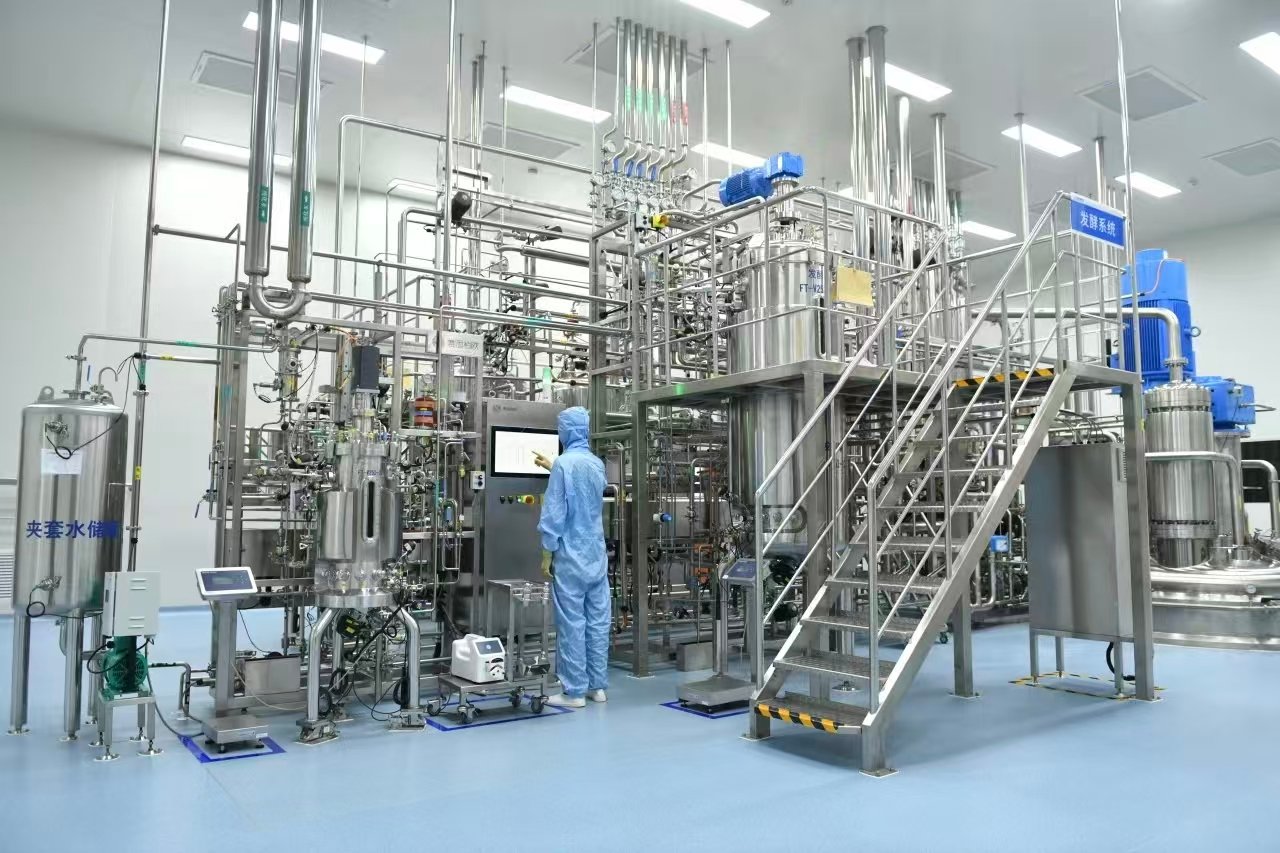
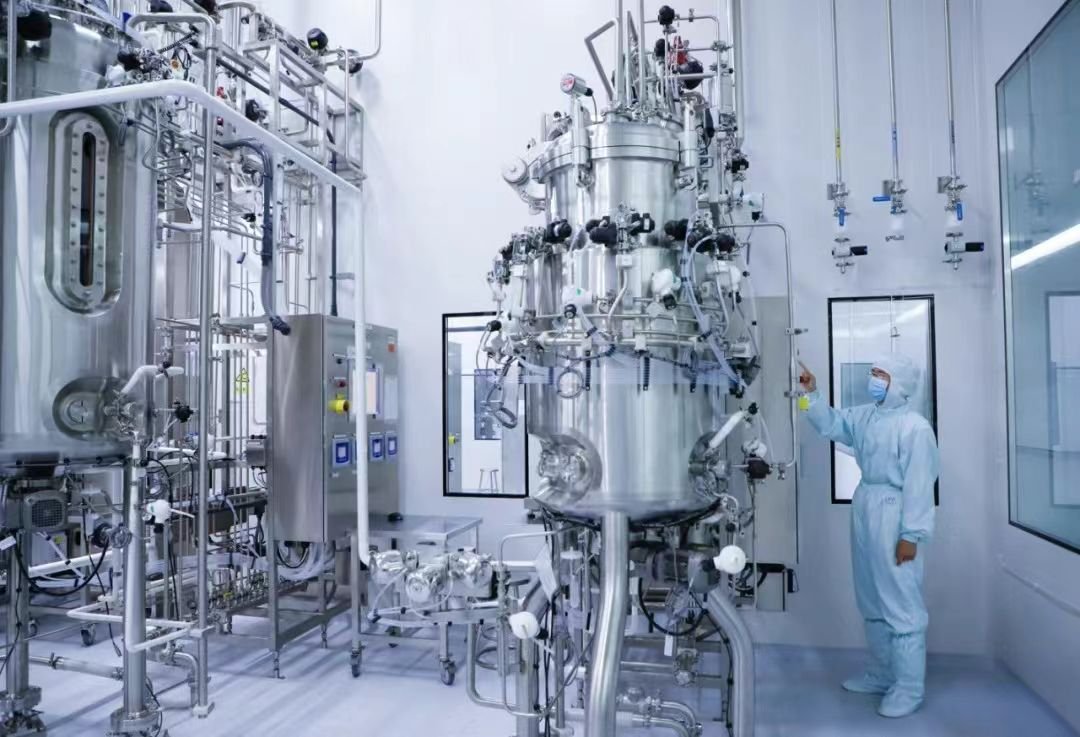
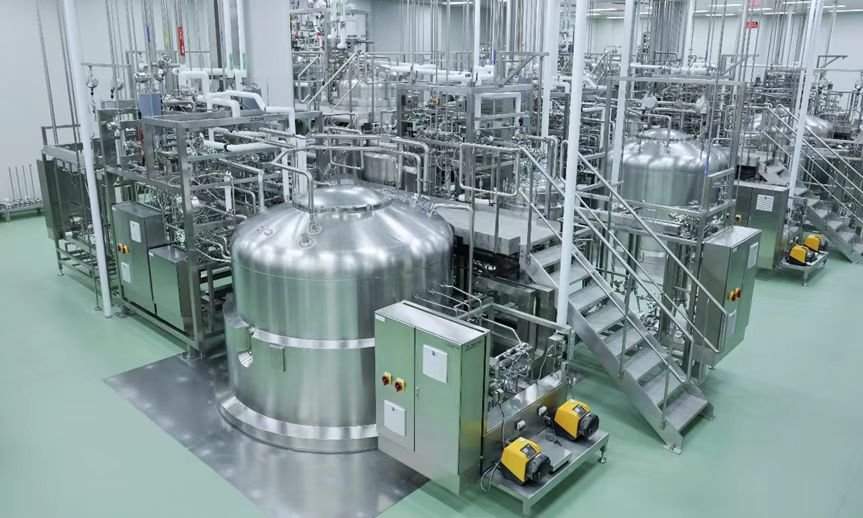
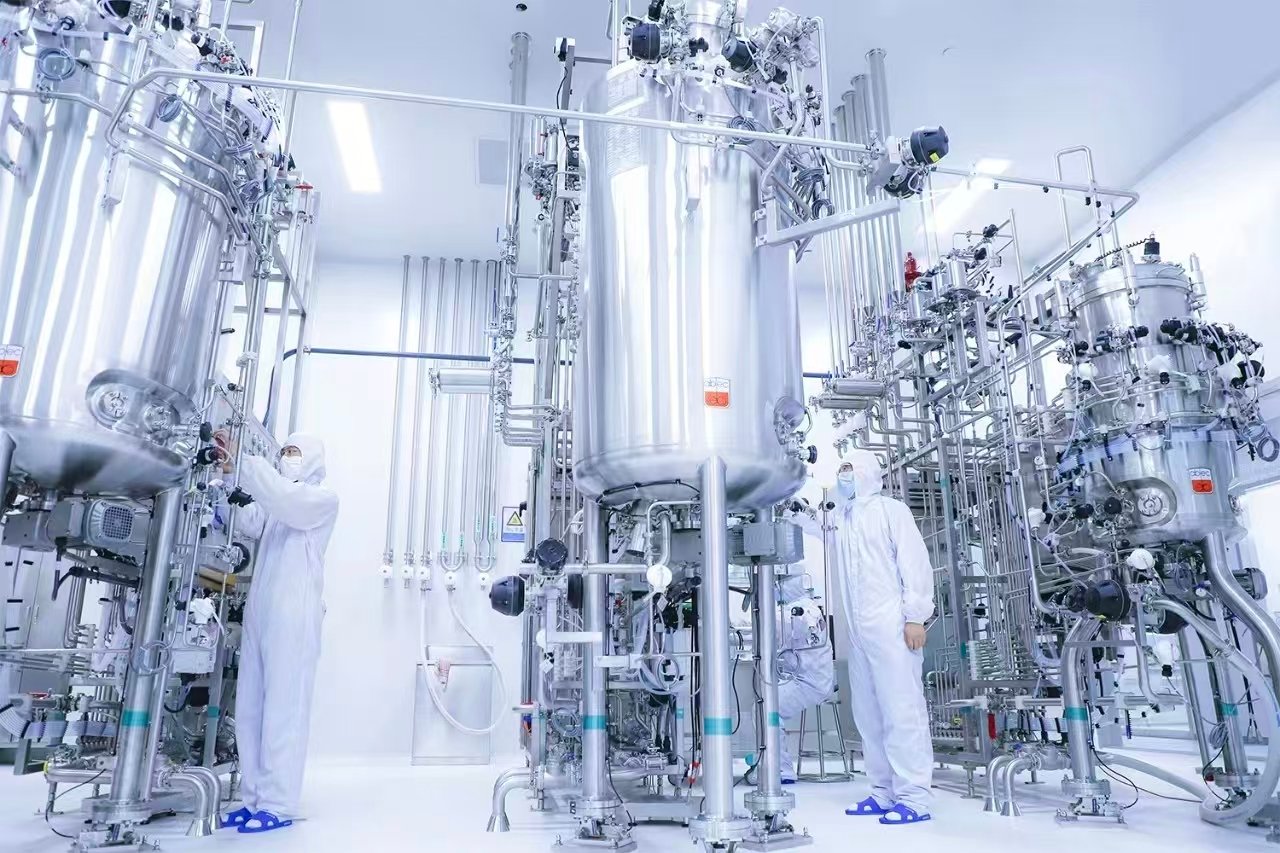
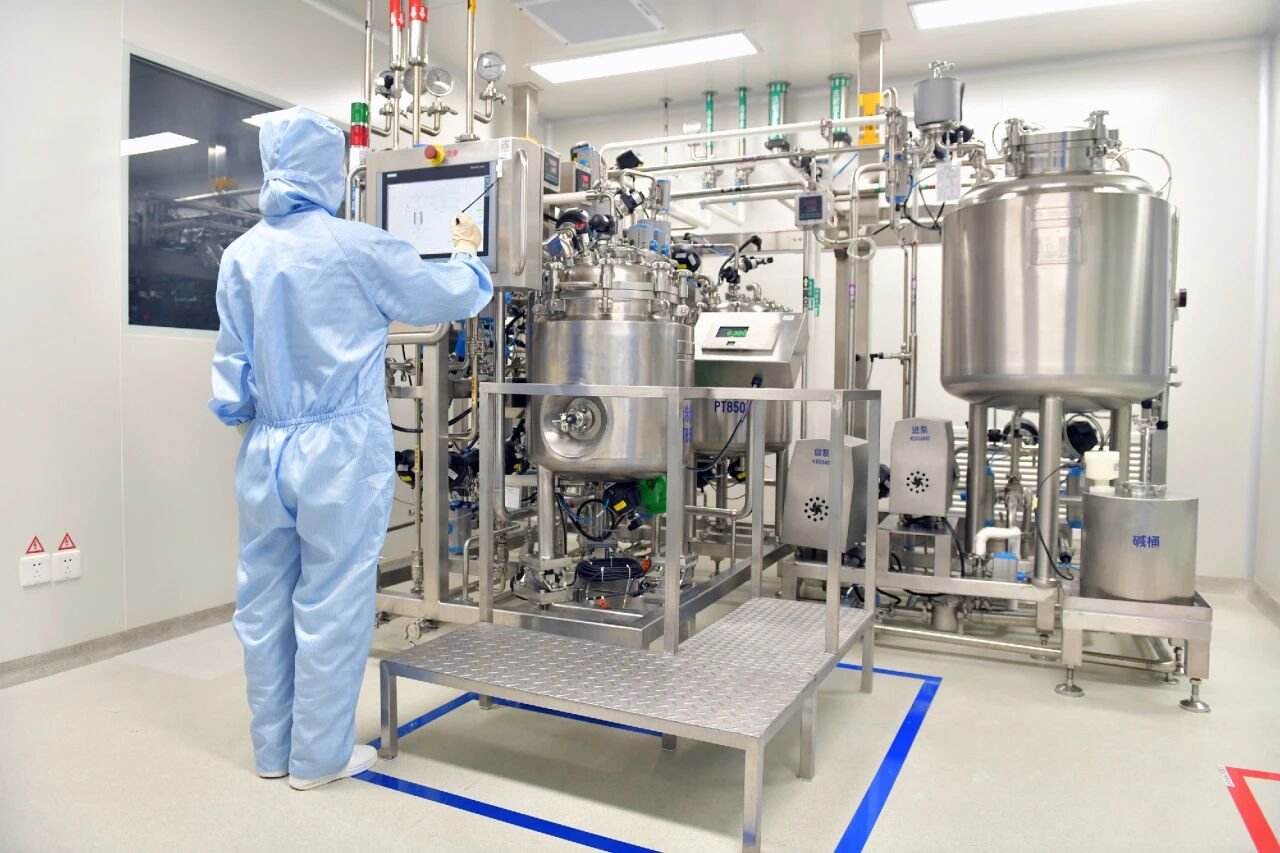
For the fermentation route, we provide complete industrial supporting equipment including stainless-steel fermentation systems, disc centrifuges, continuous microbial inactivation systems, chromatographic purification systems, ultrafiltration concentration and vacuum lyophilization equipment, covering the whole process from upstream fermentation cultivation to downstream purification and finished product preparation.
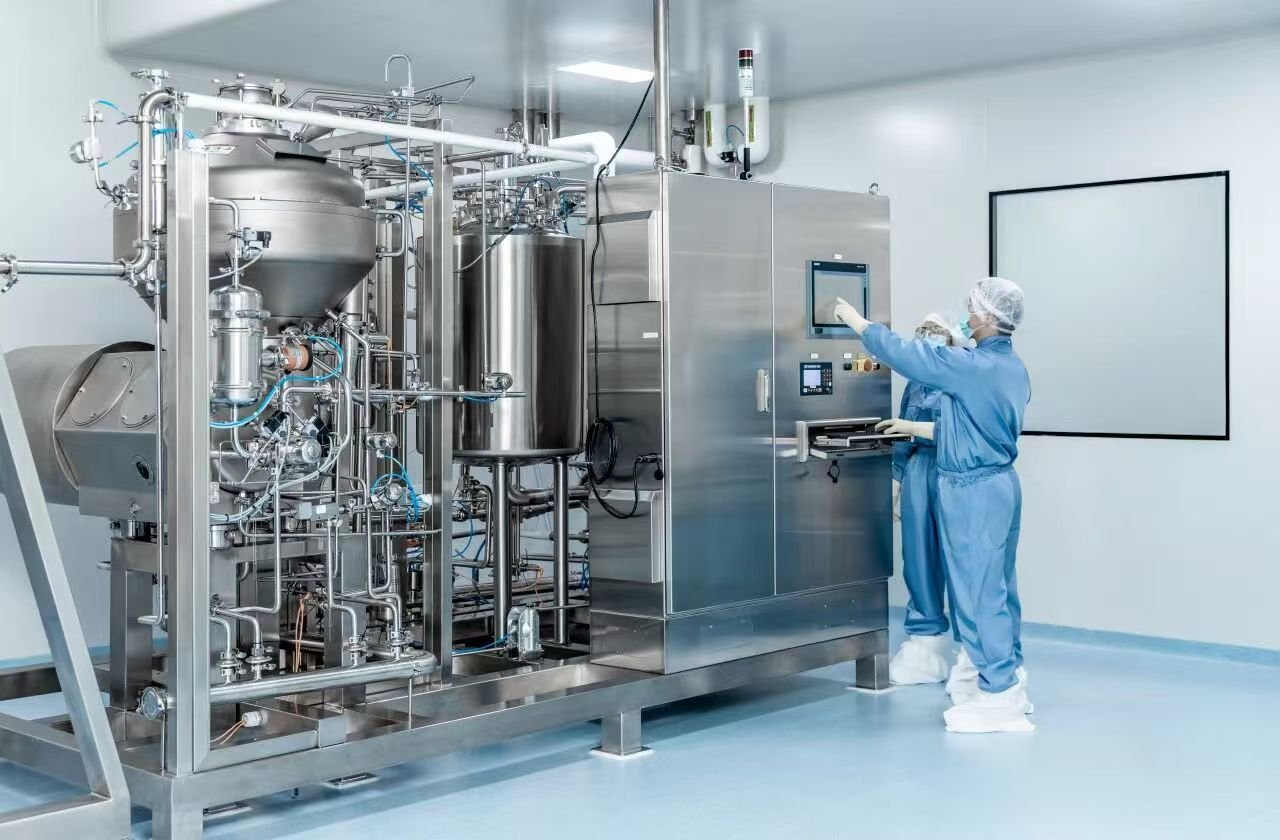
For the total chemical synthesis route, we supply high-efficiency dynamic solid-phase polypeptide synthesizers. The unique tumbling and stirring dynamic design improves coupling efficiency and raw material utilization rate, realizes integrated reaction and drying operations, and reduces manual operation errors. Matching supporting facilities such as cleavage reaction systems, chromatographic refining and concentration lyophilization systems are available, and we can provide customized technical exploration services for green and low-carbon synthesis processes.
For the enzymatic hydrolysis and extraction route, we provide complete sets of equipment such as traditional Chinese medicine extraction systems, constant-temperature enzymatic hydrolysis reaction tanks, membrane separation and purification systems, spray drying and vacuum lyophilization equipment, which can meet the differentiated production demands of food-grade and pharmaceutical-grade polypeptide products.