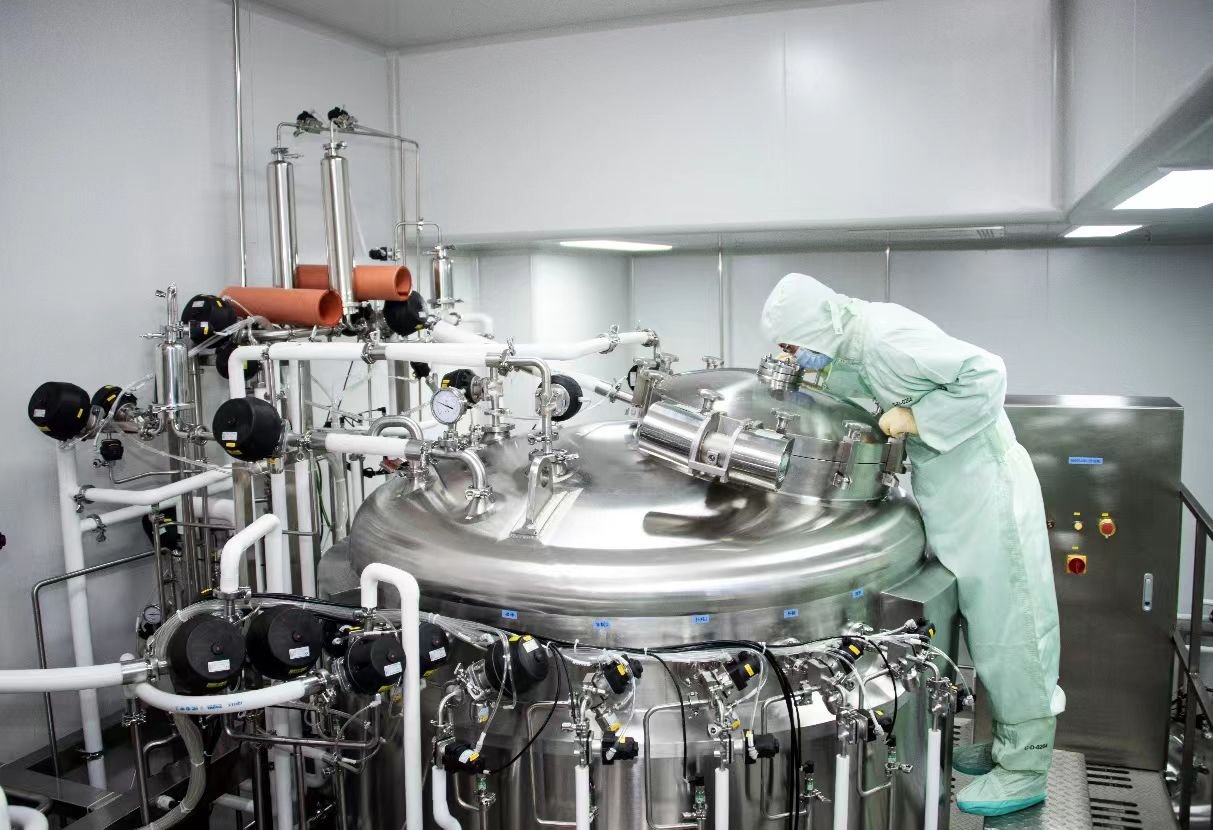
High-density fed-batch and perfusion mammalian cell cultures have become mainstream upstream manufacturing strategies for monoclonal antibodies, recombinant proteins, viral vectors and other biologic drugs. Nevertheless, severe foam accumulation and unexpected foam overflow frequently emerge at elevated viable cell densities, bringing multiple critical risks to GMP biomanufacturing operations. This article analyzes the root hazards of foaming issues and introduces a targeted integrated control solution developed by Sino Bioengineering to reliably eliminate foam overflow without compromising cell viability and product quality.
1. Key Problems Caused by Uncontrolled Foam Overflow
In high-density mammalian cell cultivation, abundant secreted proteins, host cell metabolites and lipid substances from lysed cells drastically increase the surface tension of culture broth, generating persistent, stable foam layers on the liquid surface. As culture duration extends in fed-batch or long-term perfusion runs, foam volume keeps expanding and eventually triggers overflow.
The most direct and severe consequence is complete blockage of bioreactor off-gas exhaust filters. Gas cannot be smoothly vented out of the closed culture vessel, which rapidly causes abnormal internal pressurization. Excessive positive pressure poses safety threats to vessel seals, sensor ports and piping connections. More critically, blocked vent lines break the sterile barrier: external microbial contaminants may backflow into the bioreactor, resulting in irreversible batch contamination and total production loss.
Additionally, thick foam entraps viable suspension cells outside the liquid phase. These trapped cells lack sufficient nutrient supply and dissolved oxygen, leading to uneven cell growth, reduced peak cell density, decreased target protein expression titre and poor batch-to-batch reproducibility. Manual intermittent antifoam addition widely adopted in traditional labs introduces human operation deviations, over-dosing risks and extra validation burdens for GMP production lines.
2. Integrated Solution from Sino Bioengineering: Automated Anti-Foam Dosing and ISA-88 Standard Agitation Control Profiles
To fundamentally resolve foam overflow challenges in high-density mammalian cell cultures, Sino Bioengineering delivers a two-pronged coordinated control system combining precise automatic antifoam delivery and standardized agitation strategies fully aligned with ISA-88 batch control standards.
2.1 Closed-Loop Automated Anti-Foam Dosing System
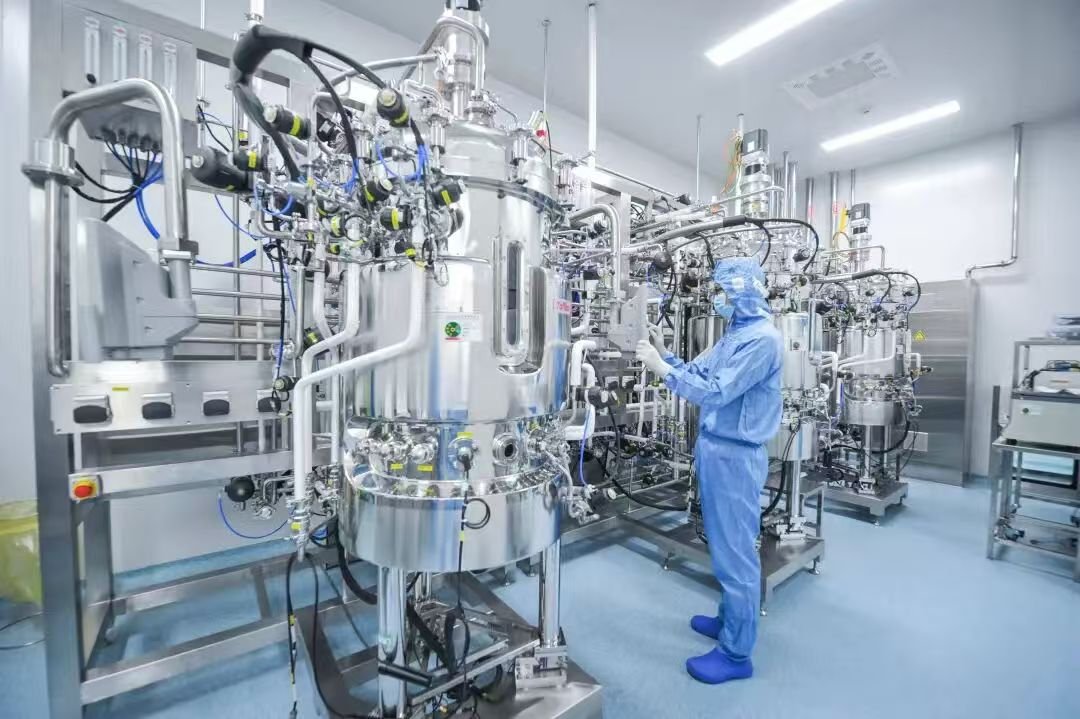
A continuous foam level sensor is installed on the bioreactor headplate to conduct real-time, non-contact monitoring of foam height. Once the foam thickness exceeds the preset upper threshold, the PLC control system automatically triggers the precision diaphragm pump to quantitatively inject pre-filtered, sterile antifoam agent into the culture vessel. When the foam level drops back to the safe range, dosing stops instantly.
This fully automated strategy eliminates manual intervention completely, avoiding antifoam over-addition. Excess antifoam would otherwise interfere with downstream chromatography purification steps and affect protein stability; accurate proportional dosing maintains stable culture conditions while cutting antifoam consumption costs. The entire dosing sequence records timestamps, dosing volume and trigger signals automatically, generating complete audit trails compliant with 21 CFR Part 11 for regulatory review.
2.2 ISA-88 Compliant Agitation Control Profiles
Simple fixed stirring speed accelerates broth surface turbulence and aggravates foam generation, especially in late-stage high-density cultures. Sino Bioengineering customizes segmented agitation speed curves following ISA-88 batch automation specifications:
1.Cell inoculation and early exponential growth phase: Low agitation speed reduces shear stress to protect newly seeded cells;
2.Mid-log expansion phase: Gradually elevate stirring rate to improve oxygen mass transfer and homogeneous nutrient distribution;
3.Late high-density stationary phase: Fine-tune agitation RPM together with overlay gas flow rate to suppress surface splashing and cut new foam generation at the source.
All agitation parameters are stored as standardized, retrievable batch recipes in the HMI system. Recipes can be seamlessly replicated across lab, pilot and commercial-scale bioreactors, ensuring consistent anti-foam effects during process scale-up.
3. Application Benefits for Biomanufacturers
1.Eliminate foam overflow risks: Dual control measures suppress foam buildup from both source and end treatment, preventing vent filter clogging, vessel overpressure and sterile barrier failure;
2.Stabilize cell culture performance: Avoid cell entrapment in foam layers, sustain high viable cell density and stable product expression levels;
3.GMP & regulatory compliance: Automated dosing and ISA-88 standardized batch control deliver full data integrity, easy validation and audit readiness;
4.Reduce operating costs: Unattended automatic operation cuts labor workload, precise antifoam dosing lowers reagent consumption, and fewer contaminated batches bring substantial economic savings.
Foam overflow is a long-standing bottleneck restricting stable long-term operation of high-density mammalian cell culture processes. The standalone manual antifoam addition method can no longer meet the demands of large-scale cGMP biopharmaceutical production.
Sino Bioengineering’s integrated solution of automated anti-foam dosing paired with ISA-88 compliant agitation control profiles addresses foaming troubles systematically. It safeguards sterile production integrity, stabilizes upstream culture performance, simplifies batch automation implementation and provides a reliable standardized technical option for antibody, viral vector and advanced therapy manufacturers to upgrade their high-density cell culture platforms.