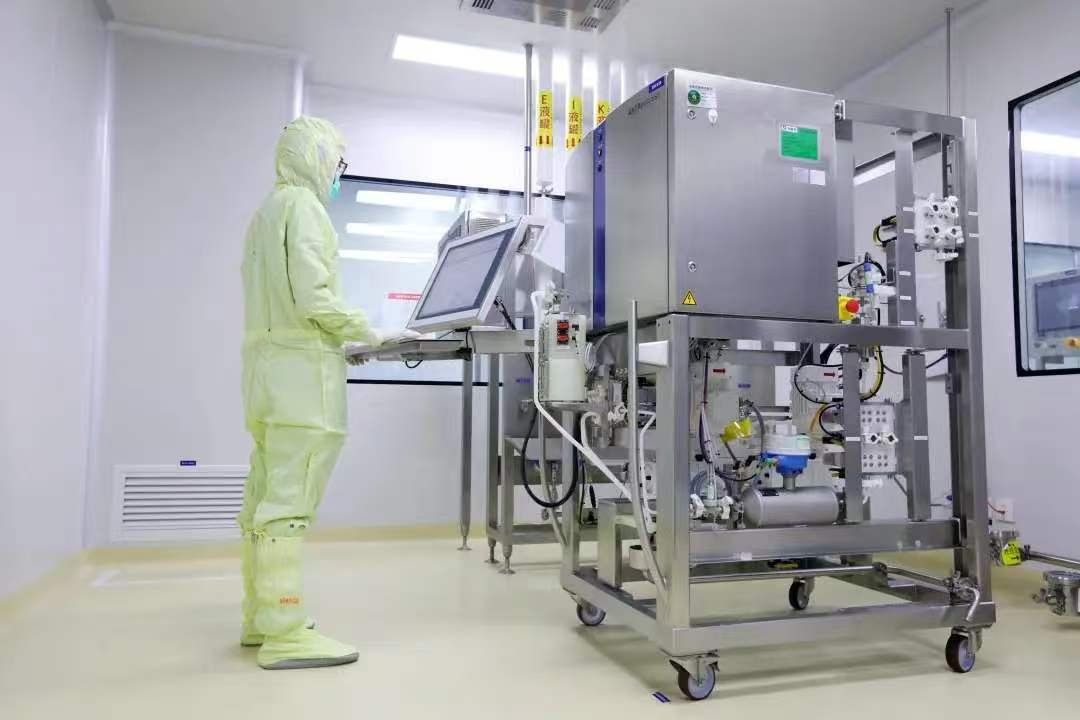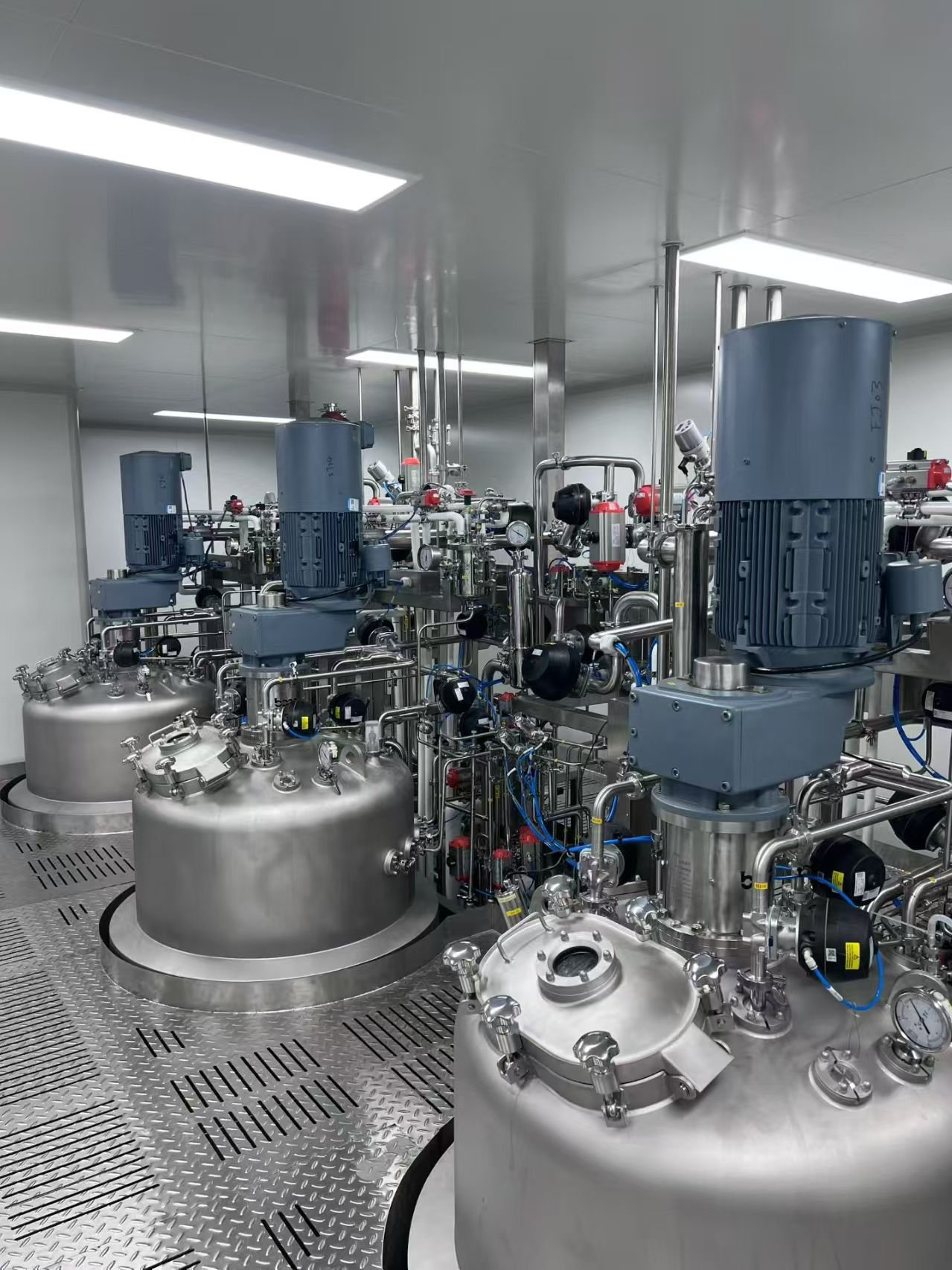
Cleaning validation plays a critical role in mitigating cross-contamination risks for manufacturing equipment in the biopharmaceutical industry. It demonstrates that the defined cleaning procedure can consistently and effectively remove product residues, process contaminants, and environmental debris from equipment/systems, ensuring such equipment/systems are safe for subsequent manufacturing of the same or different products.
Lifecycle Approach to Cleaning Validation
How should cleaning validation be implemented correctly?
In 2011, the FDA issued the Industry Guide: Process Validation – General Principles and Practices, introducing a lifecycle framework for process validation, which is divided into three phases: Process Development, Process Performance Qualification (PPQ), and Continued Process Verification (CPV). This lifecycle philosophy has also been adopted and embedded into cleaning validation practices.
PDA Technical Report No. 29 (2012), Points to Consider for Cleaning Validation, updated the lifecycle methodology for cleaning validation, categorizing it into three corresponding stages: Cleaning Process Development & Design, Cleaning Process Validation/Qualification, and Validated State Maintenance (also referred to as Continued Cleaning Process Qualification).
Subsequently, this lifecycle approach has been further refined and incorporated into multiple regulatory and industrial guidelines, including PDA Technical Report No. 49 Points to Consider for Cleaning Validation of Biotechnology Products, ISPE’s 2020 guideline Cleaning Validation Lifecycle – Application, Methodology and Controls, as well as relevant WHO and APIC guidelines.
In essence, cleaning process development and design involves laboratory-scale research and evaluation of cleaning procedures to define Critical Quality Attributes (CQAs) and Critical Process Parameters (CPPs) of the cleaning process, covering input and output parameters. This phase encompasses contaminant characterization, equipment design assessment, laboratory-scale cleaning development trials (including detergent selection, process parameters, and their interactions), and cleaning process scale-up. The concept of design space from process characterization can be appropriately applied. The core deliverables of this stage include the definition of sampling methods, analytical testing procedures, and residue acceptance limits.
Cleaning Process Validation/Qualification corresponds to the traditional three-batch validation execution, which verifies that the cleaning process developed in the laboratory is effective, robust, and reproducible under commercial manufacturing scale. Continued Cleaning Process Qualification entails establishing routine monitoring protocols, periodic performance monitoring, trend analysis, and change control strategies, to sustain the cleaning process in a state of control throughout its lifecycle.
ISPE’s 2020 guideline Cleaning Validation Lifecycle – Application, Methodology and Controls summarizes and compares the three lifecycle phases of process validation and cleaning validation.
Cleaning Process Development & Design
An in-depth review of the cleaning validation lifecycle reveals that cleaning process development and design are the core foundation—yet this is the most deficient practice among most pharmaceutical and biopharmaceutical enterprises. Manufacturers typically invest substantial resources in production process development, while neglecting systematic cleaning process design.
It is common to apply Quality by Design (QbD) principles to production processes, including risk assessment and Design of Experiments (DoE), to establish process design spaces. In contrast, laboratory-scale dedicated trials for cleaning processes are rarely conducted, resulting in insufficient process knowledge and being one of the primary root causes of subsequent cleaning validation failures.
As specified in EU GMP and China GMP, the objective of cleaning procedures is to eliminate contaminants and prevent contamination and cross-contamination. The purpose of cleaning validation is to verify the effectiveness and consistency of cleaning processes, confirming that shared equipment contaminants can be reduced to predefined acceptance limits to control contamination and cross-contamination risks.
Based on regulatory requirements, the core themes of cleaning process development and design focus on five key elements: contaminants, equipment design, cleaning procedures, acceptance limits, sampling methods, and analytical methods. Below is a detailed elaboration of key considerations for each element in biopharmaceutical cleaning process development and design.
Contaminants
First, it is essential to define all contaminants to be removed during cleaning.
In biopharmaceutical manufacturing, equipment product-contact surfaces are exposed to a wide range of substances: fermentation and cell culture media, cells and metabolites (e.g., proteins, nucleic acids), organic/inorganic acids and salts, process additives (antibiotics, surfactants, glycols, sugars, animal hydrolysates), and cleaning agents (detergents, acids, alkalis). Additionally, control of microbial bioburden and endotoxin levels must be addressed.
A unique critical challenge in biopharmaceutical cleaning validation is the degradation and denaturation of active proteins induced by hot water, acidic or alkaline detergents used in cleaning cycles. Protein degradation and denaturation directly impact the calculation of residue acceptance limits and the selection of analytical detection methods.
Cleaning process design and analytical testing must account for all potential soil types. Classification and selection of representative soils for testing and traceability can simplify cleaning development and validation activities. Representative contaminants are primarily determined based on similarity of physicochemical properties.
Equipment Design
Cleaning process development prioritizes shared manufacturing equipment. Key equipment-related considerations include:
Material of Construction: Equipment material affects surface-product interaction and cleanability. Small-scale coupons of identical materials can be used for laboratory simulation studies. While theoretical evaluation of all materials is preferred, risk assessment-based testing on the worst-case least cleanable surface is acceptable. Stainless steel is the mainstream option; non-electropolished stainless steel is typically selected as the worst-case model for laboratory assessment.
Cleaning Configuration: Confirm whether equipment is equipped with Clean-in-Place (CIP) or requires Clean-out-of-Place (COP). For CIP systems, distinguish between centralized and standalone CIP configurations. Clarification of cleaning configuration avoids rework of cleaning procedures after transfer to commercial production facilities.
Structural Design: Evaluate equipment for dead legs and residue accumulation zones. Specialized cleaning procedures or dedicated protocols shall be developed for hard-to-clean areas as necessary.
Cleaning Process
Cleaning process development initiates with laboratory-scale feasibility testing using worst-case representative contaminants and equipment surface coupons. Laboratory studies aim to characterize:
Interaction mechanism and intensity between contaminants and equipment surfaces
Interaction between detergents and target contaminants
Comparative evaluation of cleaning conditions (detergent concentration, exposure time, temperature, etc.)
Optimization and combination of cleaning procedure steps
For multi-parameter cleaning processes, risk assessment tools such as Failure Mode and Effects Analysis (FMEA) are applied to prioritize critical parameters. Single-factor experiments or Design of Experiments (DoE) are adopted for process investigation. DoE reduces experimental workload and characterizes interactions between process parameters, supporting the establishment of cleaning process design space.
Laboratory-scale cleaning performance must be representative of pilot and commercial scale operations. Following the selection of detergents and critical cleaning parameters (temperature, contact time, concentration, fluid dynamics) at the laboratory stage, the cleaning process shall be scaled up and parameters fine-tuned based on workshop operational experience and laboratory data.
Acceptance Limits
Achieving absolute zero residue is impractical; therefore, scientifically justified acceptable residue limits are established to ensure controlled risk. Cleaning acceptance limits cover five categories: active ingredient residues, detergent residues, microbial bioburden, endotoxin levels, and visual cleanliness criteria.
Acceptance Limits for Active Ingredients
Common calculation methodologies for biopharmaceutical active protein residues include:
Dose-Based Calculation: Residue limit defined as 1/1000 of the minimum daily therapeutic dose of the preceding product relative to the maximum daily dose of the subsequent product. For multiple subsequent products, the most stringent limit (highest daily dose) shall apply.
Toxicity-Based Calculation: Two approaches: Acceptable Daily Exposure (ADE) for active pharmaceutical ingredients, intermediates and degradants; No Observed Effect Level (NOEL) derived from LD₅₀ for detergent residue limit calculation.
Default 10 ppm Limit: Applied when the 10 ppm threshold is more stringent than other calculated limits. Note that 10 ppm is a conservative practical benchmark rather than a regulatory mandated methodology.
Health-Based Exposure Limit (HBEL): Since EMA issued the HBEL guideline in 2015, HBEL/Permitted Daily Exposure (PDE) has been recommended as the preferred methodology by WHO, APIC, CFDI, and PIC/S GMP. EMA provides standardized PDE calculation formulas for limit establishment.
For biopharmaceutical drug products and finished formulations, the above methodologies are applicable. Residue calculations are based on intact active ingredient content to represent worst-case scenarios. The most stringent calculated limit is adopted, multiplied by the minimum batch size of the subsequent product to determine the maximum allowable total residue, then converted into allowable residue per unit surface area, and further defined as acceptance criteria for swab and rinse sampling.
The above methodologies are generally not applicable to biopharmaceutical drug substance manufacturing. Calculated limits based on full shared equipment surface area may be unrealistically low and undetectable by routine analytical methods. Mitigation strategies include restricting shared area calculation to final production or purification vessels; the more prevalent industrial practice is setting empirical default limits based on process capability: typically 5–10 ppm TOC for upstream processes and 1–2 ppm TOC for downstream processes.
Other Acceptance Limits
Detergent Residues: For common inorganic detergents (sodium hydroxide, phosphoric acid), indirect limits are established via conductivity measurement. For formulated proprietary detergents, limit calculation follows the same methodology as active ingredients.
Microbial Bioburden: Surface bioburden limit of 1–2 CFU/cm² for non-sterile manufacturing is generally acceptable. For rinse samples, limits range from 10 CFU/100 mL to 1,000 CFU/100 mL, with higher thresholds permitted for subsequent equipment sterilization processes.
Endotoxin Limits: Endotoxin is tested in final rinse water, with the baseline limit aligned with WFI specification (0.25 EU/mL). For Gram-negative bacterial fermentation with high endogenous endotoxin release, elevated interim limits of 5–25 EU/mL may be justified.
Visual Cleanliness: Although visual inspection cannot be used as the sole acceptance criterion, it is an indispensable requirement. Non-compliant visual status disqualifies equipment release even if chemical residue testing meets limits. Visual acceptance criteria shall define standardized lighting, observation distance, and inspection protocols, with dedicated operator training and formal SOPs.
Sampling Methods
Sampling strategies are determined by equipment configuration and contaminant properties. Four mainstream sampling approaches are applied: direct visual inspection, swab sampling, rinse sampling, and blank control sampling.
Direct Sampling
Primarily visual inspection; inaccessible equipment surfaces may be examined via borescopes, fiber optic scopes, or remote visual cameras.
Swab Sampling
Involves wiping product-contact surfaces with fibrous swabs to transfer residues into extraction solvents, followed by quantitative analytical testing of eluates.
Rinse Sampling
Residues are quantified in final rinse water. Two modes are adopted: grab sampling from final cleaning rinse, and dedicated quantitative CIP flush sampling, each with defined pros and cons as documented in PDA TR 29.
Blank Control Sampling
In biopharmaceutical manufacturing, blank runs utilize WFI or buffer solution without product loading. Blank samples are tested for TOC, total protein, conductivity, bioburden, and endotoxin to baseline intrinsic process contaminants for drug substance and formulation manufacturing lines.
Sampling Recovery Study
Regulations mandate sampling recovery studies to verify that residual contaminants on equipment surfaces can be accurately quantified by combined sampling and analytical procedures. Recovery validation is required for both swab and rinse sampling, either as part of analytical method validation or standalone laboratory trials.
Recovery testing employs representative material coupons (stainless steel, glass, PTFE, silicone) spiked with target contaminants. Standard acceptance criteria: swab recovery ≥50% (optimal range 70–100%) with RSD ≤15%.
Analytical Methods
Analytical procedures must be capable of specific and sensitive detection of target contaminants, categorized into specific methods (HPLC, ELISA, PCR) and non-specific methods (TOC, total protein, conductivity, pH).
Specific methods enable qualitative and quantitative identification of contaminant structure and properties, with compatibility for multiple extraction solvents, but feature longer development and testing turnaround and are only applicable for defined contaminants. Non-specific methods offer rapid development and detection but lack contaminant structural characterization and are limited to aqueous extraction solvents (e.g., TOC).
Specific analytical methods are preferred by regulation. Non-specific methods such as TOC are widely adopted in biopharmaceuticals for degraded/denatured protein residues, as TOC detects total organic carbon from degraded proteins, cell culture media, organic buffers, and organic detergent components.
All analytical methods shall be validated per ICH Q2(R2), covering accuracy, precision, specificity, limit of detection (LOD), limit of quantitation (LOQ), linearity, range, robustness, and recovery.
Cleaning Process Validation/Qualification
This phase consists of the traditional three-consecutive-batch validation execution. Swab and rinse sampling are performed at risk-based defined sampling points, with test results compared against predefined acceptance limits to confirm the robustness and reproducibility of the commercial-scale cleaning process.
Full cleaning validation also includes validation of Dirty Hold Time (DHT) and Clean Hold Time (CHT).
Dirty Hold Time (DHT) Validation
DHT validation can be integrated into the formal validation protocol without standalone testing. DHT is defined as the elapsed time from manufacturing completion to initiation of cleaning. Routine operational DHT shall not exceed the validated maximum hold time (e.g., a validated 24-hour DHT mandates equipment cleaning within 24 hours post batch completion).
Clean Hold Time (CHT) Validation
CHT validation is product-independent, allowing a single CHT report to cover multiple products on the same equipment. Focused on bioburden and endotoxin control, CHT testing is performed immediately post-cleaning, at predefined hold time intervals, and at the maximum validated hold duration; all results must comply with established limits.
Cleaning Process Validation/Qualification shall be documented in formal protocols and final reports, following the standard structure of process validation documentation. The protocol shall include objectives, scope, responsibilities, cleaning procedure description, risk assessment results, sampling/analytical methods, acceptance limits, execution precautions, deviation handling, and change control. The final report shall summarize validation results, deviation disposition, corrective actions, conclusions, and supporting documentation appendices.
Continued Cleaning Process Qualification
As an integral part of the cleaning validation lifecycle, continued qualification sustains the validated state and prevents quality, safety, and purity risks to subsequent products. Core enablers include change control, risk-based routine monitoring, trend analysis, and ongoing training for manual cleaning operations.
Routine Monitoring and Trend Analysis
Monitoring covers critical cleaning process parameters (detergent concentration, temperature, flow rate, cycle time) and process output attributes (rinse water pH, conductivity, TOC, bioburden, endotoxin). Trend analysis of monitoring data enables timely investigation of adverse shifts. Alarms, process deviations, and non-conformities shall also be trended to identify root causes and implement corrective and preventive actions (CAPA).
Change Control
The change control system shall manage modifications to cleaning procedures, equipment design, and manufacturing processes, assessing the impact of all changes on cleaning performance to determine the necessity of re-validation. It shall also evaluate the cumulative impact of minor incremental changes via periodic documented review and real-time trend monitoring.
Conclusion
Cleaning validation is a high-priority focus of regulatory inspections. Uncontrolled contamination and cross-contamination risks constitute critical GMP non-conformities. Based on the regulatory recommended lifecycle framework and inherent characteristics of biopharmaceutical manufacturing, this article systematically elaborates the three lifecycle phases of cleaning validation and implementation considerations specific to biotech processes. As biopharmaceutical manufacturing and process technologies mature, cleaning validation philosophies continue to evolve, requiring manufacturers to adopt scientific, robust, and risk-based validation strategies aligned with current regulatory expectations.
As a leading process-oriented engineering company, Sino Bioengineering delivers professional bioengineering solutions and comprehensive technical services to clients worldwide.
For more products and solutions: https://sinobioengg.com/category/solution/
For more service: https://sinobioengg.com/category/service/