

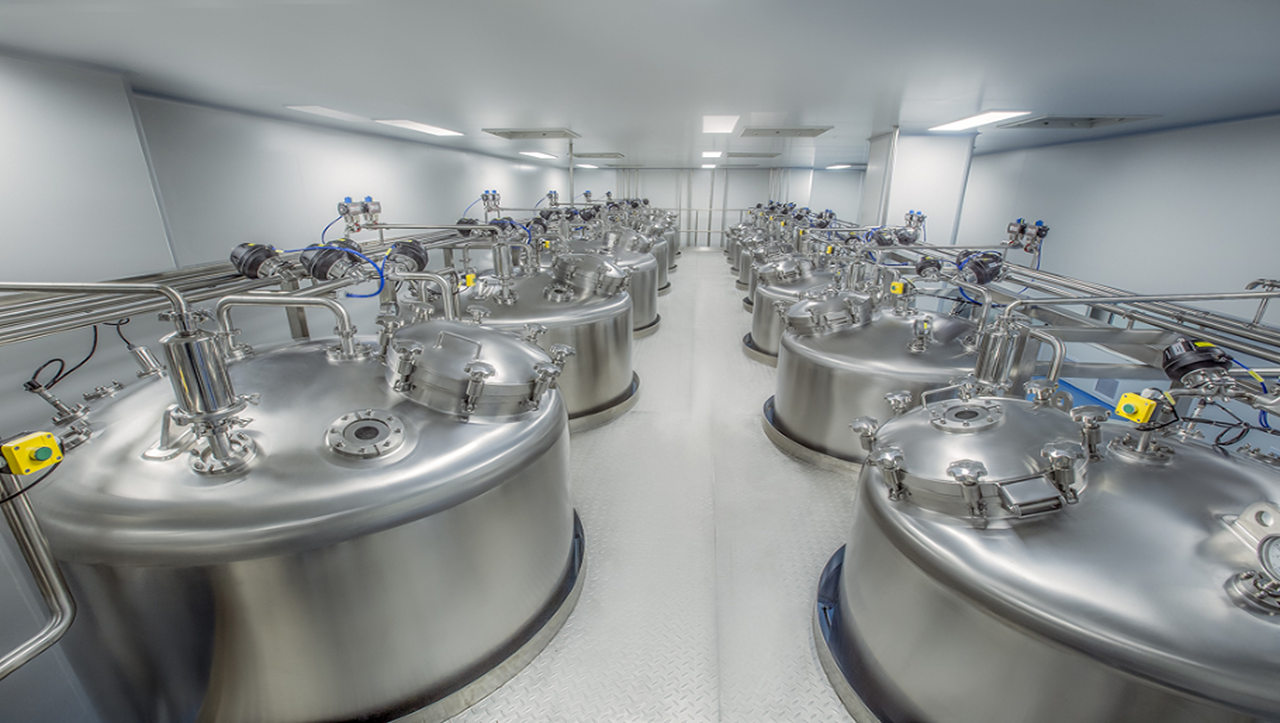
Cell culture media supply cells with diverse nutrients and a microenvironment for cell growth and metabolism. They affect the activities of key intracellular enzymes associated with antibody quality in antibody-expressing cells, thereby modulating antibody quality. Accordingly, optimization of medium components serves as a critical approach to regulate antibody quality.
This article summarizes commonly adopted strategies for modulating the quality of therapeutic antibodies via adjustment and optimization of cell culture medium components.
Fine Regulation of Glycosylation
Antibody glycoforms, including galactosylation, fucosylation and sialylation, directly impact antibody half-life, effector functions such as antibody-dependent cellular cytotoxicity (ADCC) and complement-dependent cytotoxicity (CDC), as well as immunogenicity. Multiple medium components have been proven to interfere with antibody glycosylation:
Concentrations of manganese ions (Mn²⁺) and copper ions (Cu²⁺) regulate the activity of fucosyltransferase 8 (FUT8), thus altering antibody fucosylation.
UDP-galactose precursors (e.g., galactose and uridine) and Mn²⁺ enhance the activity of β-1,4-galactosyltransferase and elevate the galactosylation level of antibodies.
CMP-sialic acid precursors such as N-acetylmannosamine and cytidylic acid provide substrates for sialic acid synthesis and increase antibody sialylation.
Controlling glucose concentration in culture media and reducing ammonia accumulation during cultivation can lower the proportion of high-mannose glycoforms of antibodies.
Modulation of Charge Heterogeneity
Post-translational modifications including C-terminal lysine clipping, deamidation and oxidation give rise to antibody charge heterogeneity, manifested as acidic and basic peaks in chromatographic profiles.
Restricting ammonia buildup during cultivation mitigates antibody deamidation. The addition of antioxidants such as glutathione and lipoic acid suppresses the catalytic activity of metal ions (Cu²⁺/Fe²⁺), reduces antibody oxidation, and helps decrease the content of acidic antibody variants.
Optimizing the concentration and ratio of zinc, manganese and copper ions modulates carboxypeptidase activity, regulates antibody C-terminal processing, and reduces basic peaks caused by incomplete C-terminal lysine removal.
Regulation of Aggregation and Fragmentation
High-molecular-weight (HMW) aggregates and low-molecular-weight (LMW) fragments of antibodies compromise therapeutic efficacy and raise immunogenic risks. Adjusting the type and concentration of carbohydrates as well as glutamine in culture media alleviates polypeptide misfolding induced by lactic acid and ammonia stress, and inhibits aggregate formation.
Supplementation of molecular chaperones, including small-molecule folding enhancers and prefoldin 3 activators such as withaferin A, novobiocin and celastrol, modulates the interaction between prefoldin 3 and other proteins to facilitate proper polypeptide folding, effectively reducing protein misfolding and aggregation.
Protease inhibitors such as α2-macroglobulin analogs inhibit the activity of specific proteases and attenuate antibody fragmentation triggered by cellular apoptosis.
Regulation of Correct Folding and Mismatch of Bispecific Antibodies
As artificially engineered non-natural molecules, bispecific antibodies feature high structural complexity, including structural heterogeneity, chain mispairing and high susceptibility to post-translational modifications, making them extremely sensitive to variations in medium components and culture conditions.
The formation of aggregates derived from incorrect folding, as well as heavy/light chain mispairing (e.g., homodimers and undesired heterodimers) of bispecific antibodies, is partially influenced by the redox environment of culture media.
Tuning the ratio of glycine to proline promotes correct polypeptide folding. Certain amino acids (e.g., arginine) and trace elements (e.g., selenium) regulate the expression and activity of endoplasmic reticulum chaperones involved in polypeptide folding, such as binding immunoglobulin protein (BiP) and protein disulfide isomerase (PDI), and further affect the folding of bispecific antibody polypeptides.
A sufficient supply of tyrosine in culture media prevents abnormal C-terminal tyrosine sulfation, which would otherwise impair the targeting capability of certain bispecific antibodies.
Conclusion
Cell culture media are a core element in biopharmaceutical manufacturing, especially for the production of therapeutic proteins and antibodies. They exert direct impacts on cell growth, cell viability, product titer, product quality (e.g., glycosylation) and production costs. The development and optimization of cell culture media is a sophisticated process that requires systematic methodologies.