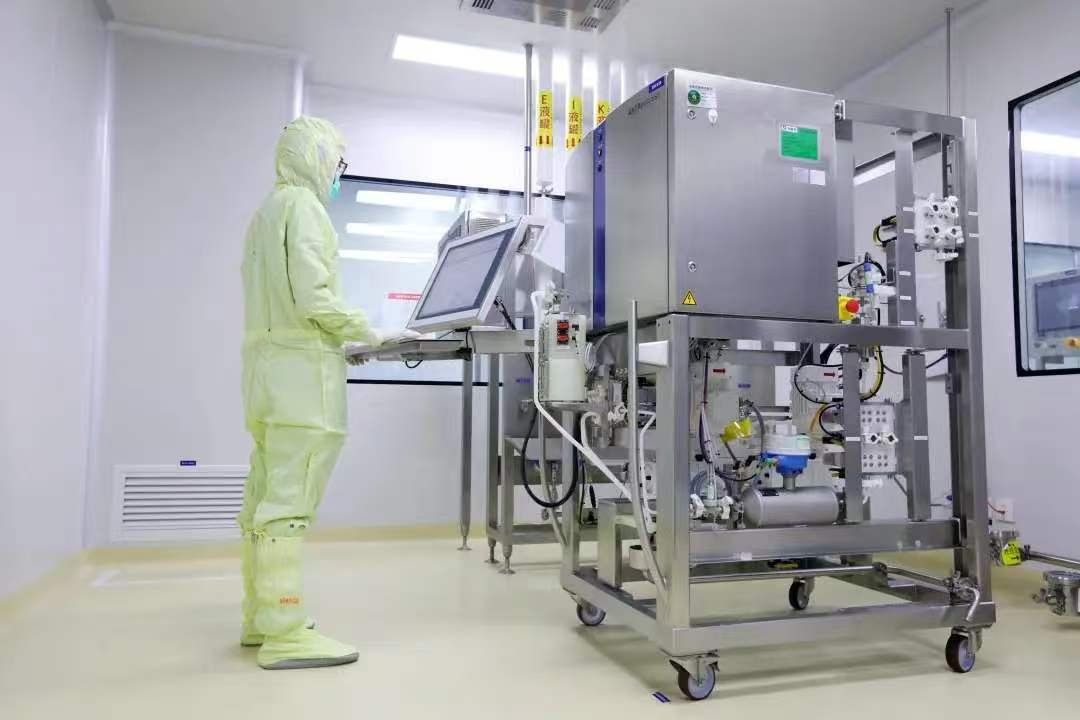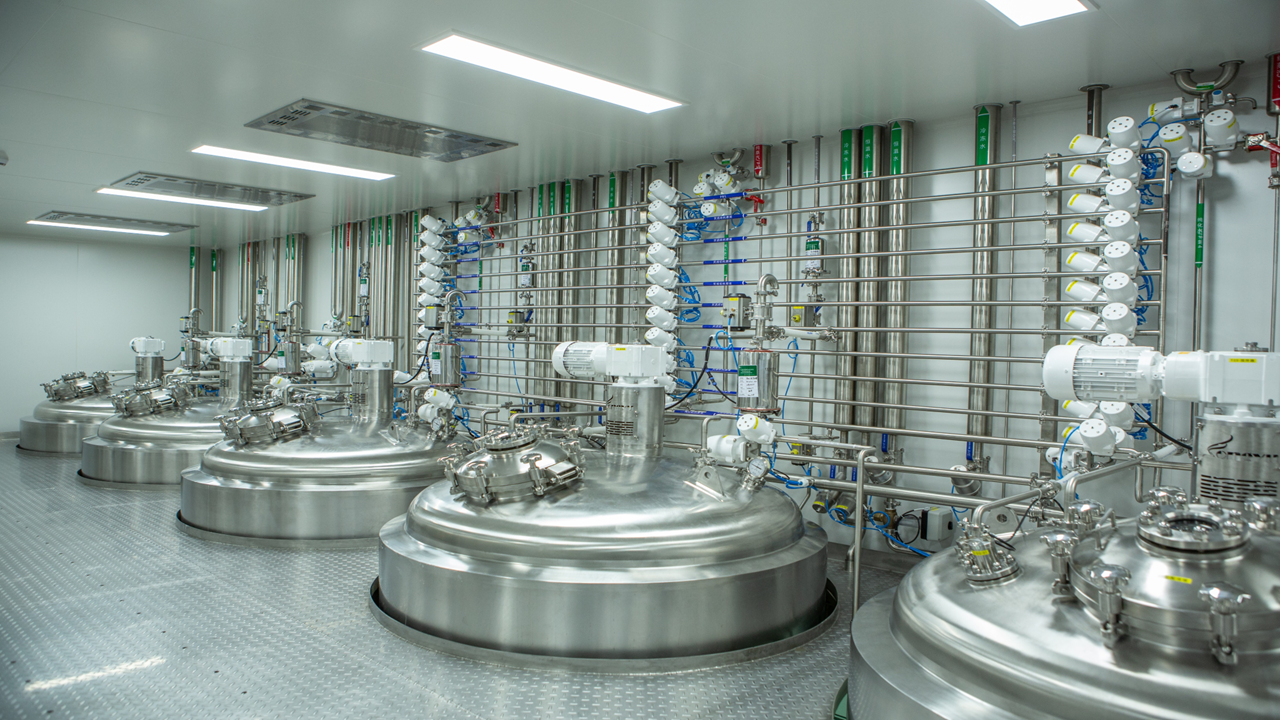
Mammalian cells are one of the most commonly used host cells in the biopharmaceutical industry, widely applied to the production of recombinant proteins and monoclonal antibodies. Over the past six decades, mammalian cell culture technology has evolved dramatically from rudimentary setups to sophisticated systems, and scaled up from laboratory-scale operations to full industrial manufacturing.
As the fundamental nutritional foundation for cell growth, culture medium formulation optimization plays a decisive role in boosting product yield, enhancing the stability of product quality and cutting production costs. It stands as a core component of upstream process development.
1. Evolution of Formulations for Mammalian Cell Culture Media
Early cell culture media relied on serum or tissue extracts. While these components could support cell growth, their complex chemical compositions and batch-to-batch variability posed contamination risks. Meanwhile, it was difficult to define the minimum nutritional requirements for cell proliferation.
In the 1960s, the successful development of classic media such as HAM F12 and DMEM/F12 marked a shift from empirically formulated media to scientifically designed formulations. These products gradually replaced serum and became the mainstream options for cell culture at that time.
Entering the 21st century, building on previous advances, serum-free media have been continuously optimized with the adoption of refined fed-batch strategies, in-process control and the Quality by Design (QbD) philosophy, alongside a growing trend toward customized medium development.
Researchers strive to develop culture media capable of sustaining higher cell density, superior cell viability and elevated recombinant protein titers, to meet the rising demands of the biopharmaceutical sector.
2. Key Components of Cell Culture Media
Energy sources: Glucose serves as the primary carbon source. However, excessive lactate accumulation may inhibit cell growth. Alternative carbon sources including galactose and mannose, as well as optimized glutamine metabolism strategies (e.g., supplementation with pyruvate or glutamate), can improve metabolic efficiency and reduce the buildup of by-products.
Amino acids: Both essential amino acids (leucine, tryptophan, etc.) and non-essential amino acids (arginine, cysteine, etc.) exert profound impacts on cell growth and product quality. Their concentrations need precise regulation to match cellular metabolic demands.
Lipids and vitamins: Lipid precursors such as choline and B-complex vitamins are essential for cell membrane structure and physiological metabolism.
Trace elements and inorganic salts: Trace elements (copper, zinc, etc.) and ions (sodium, potassium, calcium, etc.) are critical for metabolic regulation and osmotic pressure balance. Precise proportioning is required to maintain a stable growth environment for cells.
3. Full Development Workflow of Cell Culture Media
The development of cell culture media is a systematic process consisting of three major phases: requirement analysis & formulation design, component screening & optimization, and process scale-up & validation.
Requirement analysis and formulation design
Define the characteristics of target products (e.g., antibody subtypes) and identify Critical Quality Attributes (CQAs). Design Design of Experiments (DoE) protocols to guide subsequent development work.
Component screening and optimization
Based on a library of prototype media, optimize key components including amino acids, vitamins and trace elements. Adjust the composition and concentration of feed supplements in accordance with cellular metabolism, and determine the timing and frequency of feeding to achieve precise nutrient supply.
Process scale-up and validation
Migrate the culture process from shake flasks to bioreactors, adjust parameters for scale-up, and verify batch consistency and operational stability to guarantee reliable performance in industrial production.
4. Main Directions for Cell Culture Media Optimization
Improving product yield is the core objective of medium optimization. A balanced concentration of key nutrients is vital for cell growth and antibody production.
For instance, the ratio of glucose to glutamine requires precise control to supply sufficient energy and carbon sources for cells while preventing the accumulation of metabolic by-products. Lactate and ammonia, typical metabolic wastes, can suppress cell proliferation and reduce antibody titers.
Accordingly, DoE and real-time dynamic monitoring are applied during medium optimization to control the generation of such by-products. Additionally, regulating energy metabolism is another effective strategy for yield improvement. Supplementing tricarboxylic acid (TCA) cycle intermediates such as α-ketoglutarate and malate can boost cellular energy metabolism and increase antibody output.
Quality Attribute Modulation
Optimization of antibody quality attributes is equally important. Glycosylation is a key factor affecting the biological function and stability of antibodies.
Adjusting manganese ion concentration can notably alter glycan profiles. Studies show that with 30 mM glucose in culture media containing manganese ions, the level of high-mannose glycans remains low. Supplementation with uridine and galactose can modify terminal glycan structures. These regulatory approaches effectively enhance antibody stability and bioactivity.
Moreover, control of charge variants is another priority. The root causes of acidic and basic peak formation are summarized in the attached table. Clarifying these causes enables targeted optimization.
For basic peaks induced by C-terminal lysine retention, tuning the ratio of copper to zinc ions can significantly lower the proportion of basic variants. Precise control of culture temperature and pH helps reduce deamidation, thereby improving antibody homogeneity and stability.
Controlling protein aggregates and fragments is also indispensable. The addition of EDTA and cysteine can mitigate protein fragmentation, while osmotic pressure adjustment helps cut down protein aggregation and improve antibody stability. Rational temperature control strategies further preserve product quality during storage and transportation.
5. Advanced Methods for Cell Culture Media Optimization
Systems biology and machine learning have become powerful tools for medium optimization. Systems biology integrates multi-omics data (genomics, transcriptomics, metabolomics, etc.) and computational models to elucidate complex cellular metabolic networks.
Genome-scale Metabolic Models (GEMs) integrate metabolic networks and protein secretion pathways to predict key metabolic pathways and nutritional requirements. Flux Balance Analysis (FBA) calculates flux distribution across metabolic networks to optimize medium compositions for higher target product yields. Dynamic metabolic models simulate cellular metabolic behaviors under diverse culture conditions using experimental datasets.
Machine learning analyzes massive experimental data to identify hidden patterns and predict optimal culture conditions. Supervised learning can assess the effects of medium components on cell growth and antibody production. For example, relevant frameworks have been adopted to optimize concentrations of metal ions such as iron and zinc in CHO cell culture media, improving the charge homogeneity of antibodies.
Unsupervised learning applies cluster analysis to uncover latent correlations between medium components and cellular behaviors. As demonstrated by Principal Component Analysis (PCA), excessively high cysteine levels can overwhelm the cellular antioxidant defense system and ultimately hinder cell growth.
The combination of hybrid machine learning and systems biology frameworks with model-driven DoE greatly improves experimental efficiency and reduces workload and complexity. While systems biology models reveal the mechanistic principles of cellular processes, machine learning excels at pattern recognition and prediction from complex datasets. Their synergistic effect accelerates the entire medium optimization process.
The development of mammalian cell culture media has transitioned from experience-driven practices to data-driven approaches. Systems biology deciphers key nutritional requirements via multi-omics integration and metabolic network modeling, while machine learning extracts optimization rules from large volumes of data. The integrated intelligent framework combining these two technologies with model-guided experimental design has substantially boosted optimization efficiency and lowered experimental costs and complexity.
As the biopharmaceutical industry continues to advance, the development and optimization of mammalian cell culture media will move toward greater precision, efficiency and intelligence. Enabled by interdisciplinary innovation, future research will further break through existing technical bottlenecks, deliver higher-quality and cost-effective therapeutic products, and drive sustained progress and innovation across the biopharmaceutical sector.