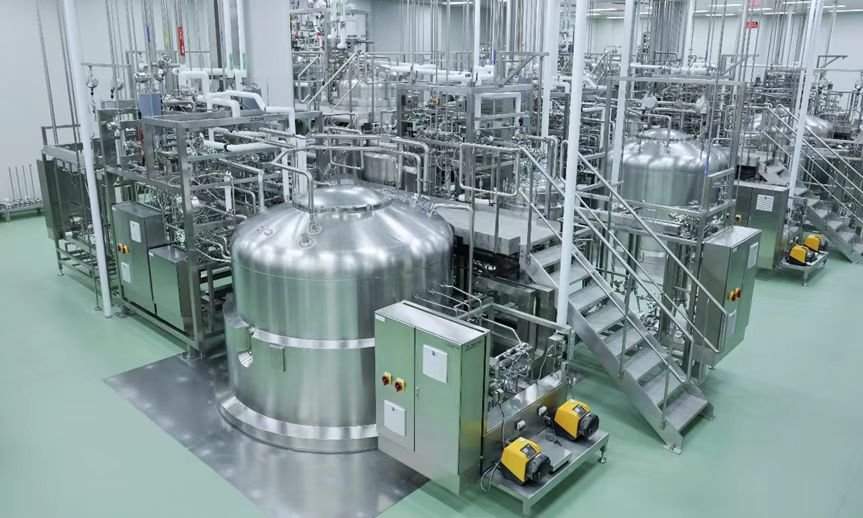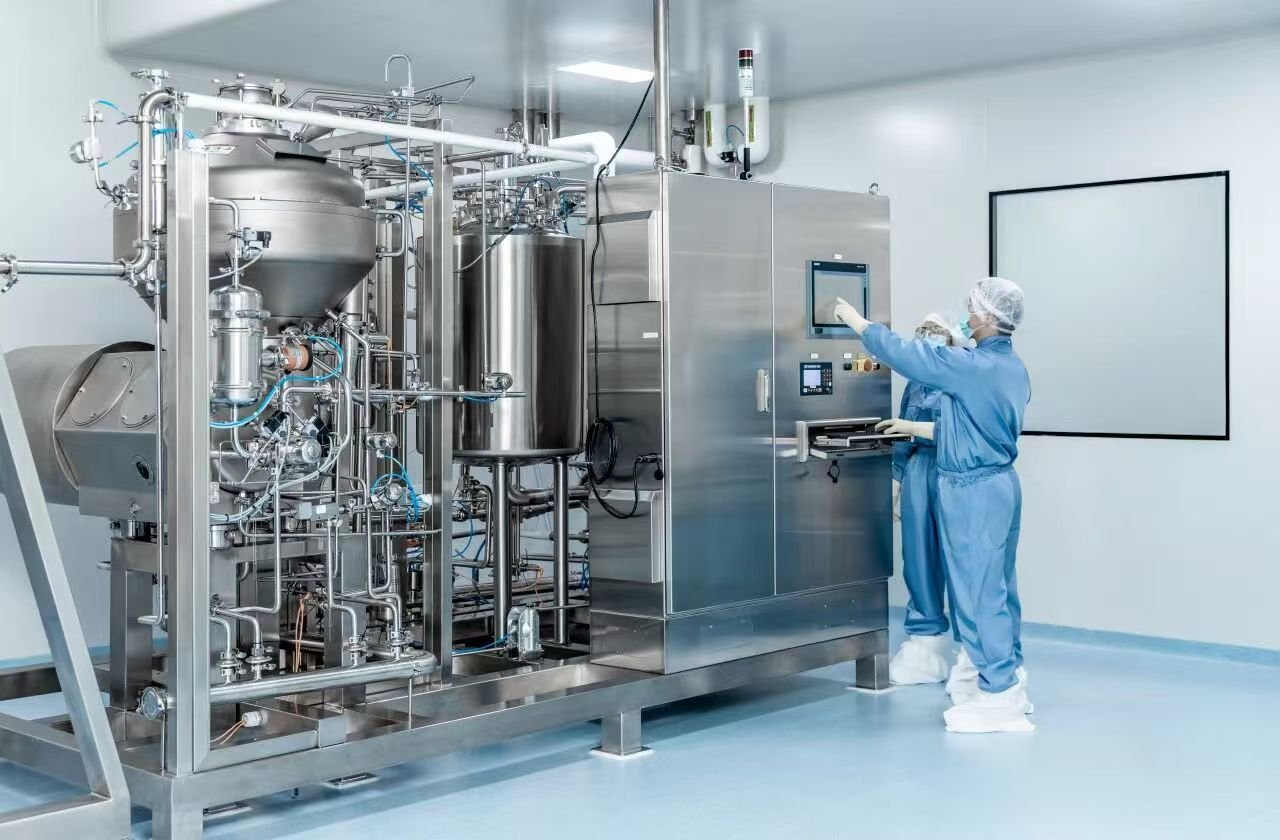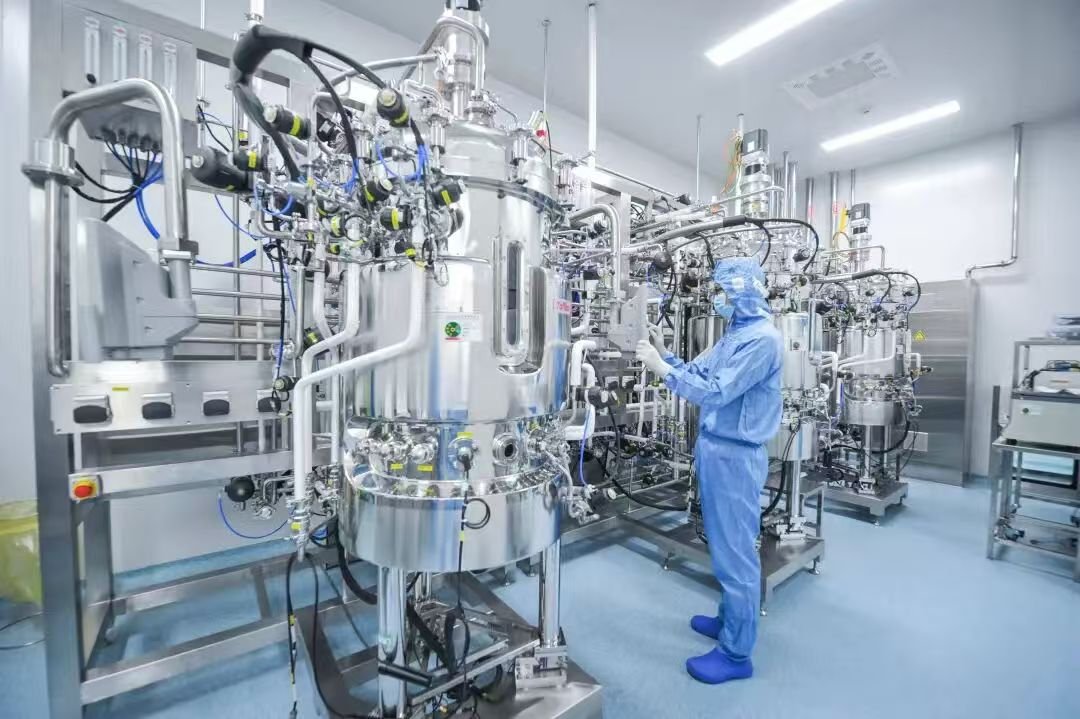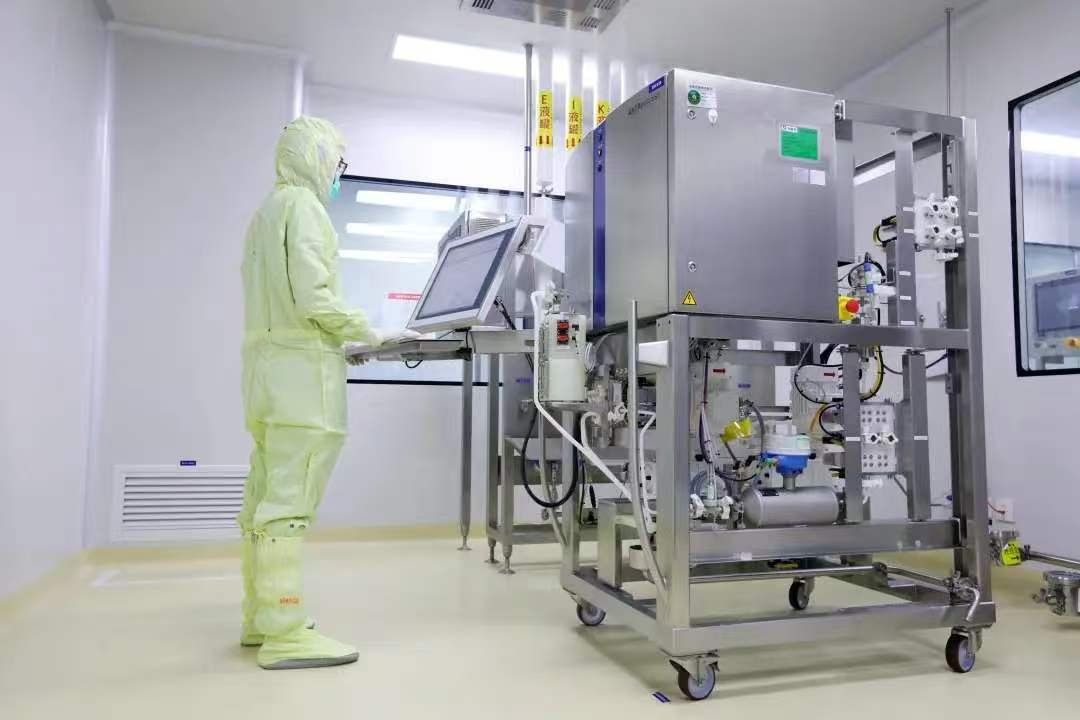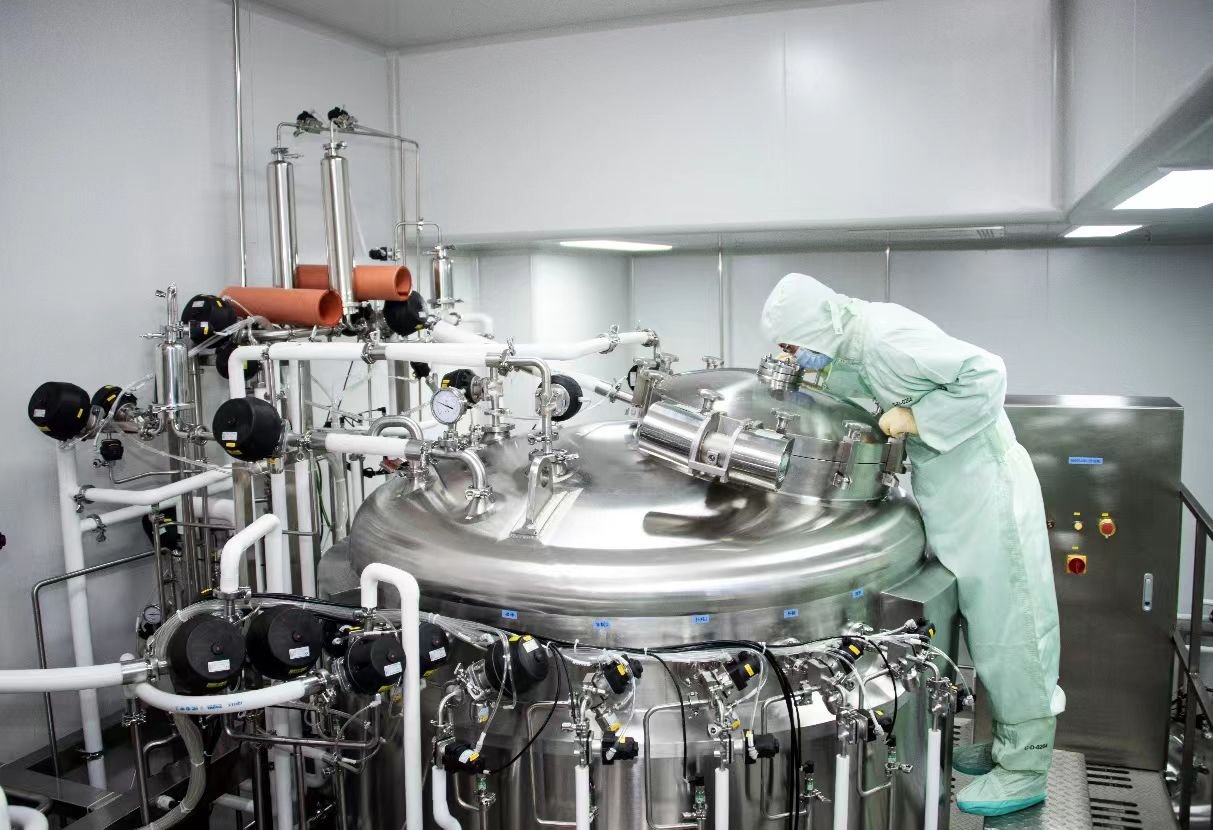
Fluid management is a sophisticated and highly precise core process in modern biopharmaceutical manufacturing. Ranging from medium preparation and fed-batch control in upstream cell culture, to complex chromatographic purification, ultrafiltration and diafiltration in downstream processing, and final aseptic filling of finished drug products, every procedure imposes stringent requirements on flow accuracy, environmental cleanliness and system stability. Any minor microbial contamination, metal ion leaching or flow pulsation deviation may compromise the activity and quality consistency of biomolecules, and even result in scrapping of entire production batches.
Against this backdrop, pharmaceutical-grade peristaltic pumps have become indispensable process-critical fluid transfer equipment by virtue of their unique isolated working principle and structural advantages. Compared with centrifugal pumps or gear pumps, peristaltic pumps deliver superior sterility assurance and low-shear performance. They effectively protect fragile proteins and cell viability, with fluid contacting only the tubing, which completely eliminates cross-contamination risks.
With the rapid adoption of single-use systems and increasingly stringent process validation standards, peristaltic pumps have found expanding applications in automated fluid transfer and precision dispensing of high-value drug solutions. Featuring easy maintenance, outstanding flexibility and broad compatibility, they serve as fundamental equipment to ensure compliance and production efficiency in modern biomanufacturing.
Core Advantages of Peristaltic Pumps in the Pharmaceutical Industry
The prominent position of peristaltic pumps in biopharmaceuticals stems from their specialized structural design and operating mechanism, which fully address the strict demands for sterility, compliance and high-efficiency production in modern bioprocesses.
First, peristaltic pumps adopt a fully enclosed fluid flow path. Fluid is confined entirely within the tubing and never comes into contact with mechanical pump components. This physical isolation fundamentally rules out cross-contamination caused by seal failure, providing robust safeguards for high-grade aseptic processes. Second, their inherent low-shear transfer characteristic prevents mechanical damage to sensitive mammalian cells, functional proteins and complex biomacromolecules, sustaining consistent biological activity of drug products.
Peristaltic pumps also excel in regulatory compliance and operational efficiency. As tubing is the sole product-contact consumable and can be replaced rapidly, the need for cumbersome CIP (Clean-in-Place) and SIP (Sterilize-in-Place) procedures as well as costly cleaning validation is eliminated, substantially shortening turnaround time between batches. Equipped with high-precision servo drive systems, they deliver excellent repeatability and stability in critical processes including continuous feeding and precision filling.
Driven by the extensive implementation of single-use technologies, peristaltic pumps can be highly integrated with pre-sterilized tubing assemblies, sensors and storage bags. This configuration further mitigates contamination risks and simplifies validation work during process scale-up. In addition, their digital communication interfaces enable seamless connection with host monitoring systems to realize real-time production data monitoring and traceability, meeting dual requirements for compliant manufacturing and lean management in smart factories.
Key Value of Peristaltic Pumps in Shear-Sensitive Fluid Handling
Fluids involved in biopharmaceutical processes vary greatly in shear sensitivity. Small-molecule peptides and certain proteins demonstrate relatively high stability, whereas mammalian cells, stem cells and specific recombinant protein formulations are extremely vulnerable to shear forces. Research and engineering practices prove that shear damage originates not only from pumping equipment but also the overall fluid circuit design. Dynamic seals in pipelines, fluid impingement and cavitation at gas-liquid interfaces can all impair biological activity.
In contrast, peristaltic pumps have no dynamic seals. Fluid is gently propelled through elastic tubing via compression, which drastically reduces shear sources. Further shear reduction can be achieved by lowering rotational speed and selecting appropriately sized tubing, minimizing energy input into the fluid and preserving cell viability and structural integrity of products.
From an engineering perspective, shear generated by peristaltic pumps is localized to the tubing compression zone rather than persistent mechanical friction surfaces, leading to transient and controllable shear effects. This makes them ideal for cell culture, cell therapy product manufacturing and production of high-value biotherapeutics.
In downstream processes such as tangential flow filtration (TFF) and chromatographic separation, peristaltic pumps maintain stable flow rates across a wide pressure range. Optimized tubing dimensions and operating speeds enable low-shear delivery, retaining product structure and biological activity.
In-depth Analysis of Peristaltic Pump Applications Across the Full Biopharmaceutical Workflow
Peristaltic pumps are deployed throughout the entire biopharmaceutical workflow rather than limited to individual process nodes. As quantitative transfer equipment featuring high cleanliness, low shear and zero cross-contamination risks, they operate by displacing fluid directionally through roller compression of tubing, making them naturally suited for environments with stringent requirements for sterility, biocompatibility and process stability.
Acting as both fluid transfer power units and core quality control components, peristaltic pumps support processes from fine feeding in upstream cell culture, to clarification, filtration and chromatographic purification in midstream operations, and final aseptic filling in downstream production.
Upstream Bioprocess: Precision Control and Biological Activity Preservation
Upstream processes focus on cell culture and product expression, aiming to maintain robust cell growth in a stable, contamination-free and fully controlled environment. In this stage, peristaltic pumps are primarily used for fluid transfer and precision feeding.
Medium Preparation and Aseptic Transfer: During feeding of large-scale bioreactors, peristaltic pumps transport culture medium from preparation systems to bioreactors. Fluid contacts exclusively with pre-sterilized single-use tubing, eliminating contamination hazards associated with mechanical seals of traditional pumps and ensuring full sterility of the culture system.
High-Precision Nutrient Feeding and pH Regulation: Cells are highly sensitive to environmental fluctuations. Modern peristaltic pumps fitted with high-resolution stepper or servo motors enable continuous feeding down to microliter scale. Linked to bioreactor control systems, they dynamically adjust the dosage of acid-base solutions and nutrients based on on-line monitoring data to maintain stable metabolic conditions.
Low-Shear Transfer for Seed Expansion: Cell density and viability during seed culture lay the foundation for full-scale production. The gentle compression mechanism of peristaltic pumps avoids high shear stress generated by centrifugal pumps, preventing cell membrane rupture and premature release of intracellular contents, so as to sustain cell proliferation rate and phenotypic stability.
Downstream Processes: Stability Assurance for Complex Fluid Systems
Downstream processing covers harvesting, clarification and purification of target products. Process fluids are typically complex mixtures containing impurities, cell debris and components with variable viscosity.
Transfer of Harvest and Cell Culture Liquids: In post-centrifugation and depth filtration harvesting steps, peristaltic pumps stably handle feedstocks with solid contents and fluctuating viscosity. They prevent denaturation of sensitive protein molecules and alleviate fouling and blockage of filters in subsequent purification steps.
Support for Tangential Flow Filtration (TFF) and Chromatography: Slight flow pulsation may compromise separation resolution or membrane flux during ultrafiltration, concentration and chromatographic purification. Advanced peristaltic pumps adopt multi-roller design or pulsation damping technology to minimize flow fluctuation, delivering steady and predictable transmembrane pressure (TMP) and flow rates, and improving product yield and purity.
Automated Preparation and Distribution of Buffers: With the popularization of in-line buffer preparation technology, peristaltic pumps mix concentrated buffers and water for injection at preset ratios in real time. Thanks to easily replaceable tubing, rapid process switching between chemically distinct solutions can be realized without extensive cleaning validation.
Final Formulation and Aseptic Filling: High Precision and Regulatory Compliance
Final formulation and filling are among the most heavily regulated stages in biopharmaceutical manufacturing, with strict criteria for dosing accuracy, sterility control and batch consistency.
Precision Dosing of High-Value APIs: In formulation preparation, peristaltic pumps accurately deliver expensive active pharmaceutical ingredients. Their excellent repeatability guarantees consistent formulation ratios across batches, complying with pharmacopoeia requirements.
Aseptic Volumetric Filling: Peristaltic pumps serve as filling pumps in production lines for vaccines and monoclonal antibodies, achieving precise dosing at milliliter or sub-milliliter levels. The back-suction function effectively prevents dripping. Combined with single-use filling needles, the overall sterility assurance level (SAL) of production lines is significantly enhanced.
Integration with Digital and Single-Use Systems: Modern peristaltic pumps are fully integrated into single-use filling platforms, supporting signal feedback and data traceability. This integrated configuration reduces equipment downtime. Digital interfaces enable automatic recording of production parameters, fully complying with electronic record regulations such as FDA 21 CFR Part 11 and facilitating the advancement of biomanufacturing towards Industry 4.0.
Selection Guide for Peristaltic Pumps in Biopharmaceutical Processes
Peristaltic pump selection for bioprocess development and production is a systematic evaluation process following the Quality by Design (QbD) principle, rather than a simple combination of parameters. Four key dimensions should be assessed to ensure process stability and regulatory compliance:
1. Fluid Characteristics and Chemical Compatibility
Medium Properties: Clarify chemical composition, pH range, presence of organic solvents, viscosity variation and shear-sensitive solid particles contained in the fluid.
Tubing Material: Platinum-cured silicone tubing is the preferred choice for cell culture and aseptic filling due to high purity and superior biocompatibility. For media containing strong acids, strong alkalis or complex solvents, modified TPE or fluoropolymer tubing shall be adopted to prevent extractables and leachables from affecting drug quality.
Physical Compatibility: Evaluate pressure resistance at operating temperatures and flow rate decay after long-term continuous operation.
2. Flow Accuracy, Pressure Performance and Pulsation Resistance
Flow Range: Ensure the effective flow range covers the upper and lower limits of process requirements. Microliter-scale dosing demands stepper motors with ultra-high resolution, while high-volume transfer requires assessment of heat generation and tubing wear under high rotational speed with large-bore tubing.
Back Pressure Matching: As positive displacement pumps, peristaltic pumps often operate against considerable system back pressure in filtration and similar processes. Verify drive torque under load and flow linearity of pump heads at elevated pressures.
Filling Accuracy: Filling pumps require rapid dynamic response. Acceleration and deceleration profiles shall be adjustable to eliminate dripping at the end of dispensing cycles.
3. Pump Head Design and System Integration Capability
Pulsation Control: Roller quantity is a critical factor. Six-roller or multi-roller pump heads reduce instantaneous flow pulsation by increasing compression frequency, which is ideal for chromatographic processes requiring ultra-smooth flow.
Structural Integration: Prioritize pump heads with tool-free quick-release flip-top design for fast tubing replacement on production lines. For multi-channel applications, verify synchronous performance among individual channels to ensure batch uniformity in parallel production.
Control Interfaces: Check compatibility with industrial Ethernet protocols (EtherNet/IP, Profinet) or analog signals (4-20 mA) for seamless integration into DCS or SCADA systems.
4. Process Mode, Regulatory Compliance and Single-Use Compatibility
Consumable Certification: Select tubing with complete validation documentation, including USP Class VI certification, BSE/TSE-free declaration and extractables & leachables (E&L) test reports.
Single-Use Adaptability: Assess whether pump heads are fully compatible with pre-sterilized tubing assemblies for single-use processes. Single-use tubing minimizes CIP/SIP validation workload and shortens changeover time between batches.
Durability Evaluation: Compare tubing service life of different pump heads under simulated production conditions to mitigate risks of costly fluid loss caused by tubing rupture.
Development Trends of Fluid Handling Technology
Driven by high-quality development of the biopharmaceutical industry, fluid handling systems are evolving from standalone functional equipment to intelligent and integrated platforms, which set new requirements for peristaltic pumps in terms of performance, control accuracy and digitalization.
The biopharmaceutical sector is gradually shifting from traditional batch manufacturing to continuous processes such as perfusion culture and continuous chromatography. Continuous operation requires fluid transfer equipment to maintain long-term stability with minimal flow drift over weeks or even months. This drives the development of longer-life tubing materials and drives equipped with real-time flow compensation to counteract flow deviation caused by tubing fatigue.
Meanwhile, the industry integrates in-line buffer dilution (IBD), in-line dilution (ILD), downstream filtration and chromatography into all-in-one platforms. Fluid equipment is no longer isolated units, but required to feature modular design and compact footprint for installation into complex process skids. Greater emphasis is placed on communication protocol compatibility (OPC UA, Profinet, etc.) with PLC and DCS systems to realize multi-pump linkage and sophisticated logic control.
Hybrid facilities combining single-use and traditional stainless steel technologies have become the mainstream plant design strategy, where single-use components are applied at critical product-contact points and stainless steel systems for large-volume transfer. As a vital connecting component, peristaltic pumps enable rapid process switching simply by replacing pre-sterilized tubing without modifying drive units. Hence, pump heads are required to deliver high universal compatibility with tubing of different brands and wall thicknesses, supporting fast and aseptic installation.
Furthermore, digital transformation in biomanufacturing extends beyond basic remote start-stop functions to process perception and self-diagnosis. Modern peristaltic pumps are increasingly integrated with sensors for pressure, leakage and flow monitoring. Big data analytics enables predictive maintenance, issuing early warnings prior to tubing failure or flow deviation. Electronic audit trail complying with FDA 21 CFR Part 11 has become a standard digital feature to guarantee authenticity and inalterability of production data.
As automation advances, biomanufacturing workshops are moving towards unmanned “lights-out” operations. Peristaltic pumps need strong anti-interference capability and self-recovery functions such as power-off memory and automatic reset. High-precision volumetric dispensing algorithms and real-time feedback regulation support automatic batch switching and fluid path scheduling with minimal manual intervention.
Peristaltic pumps are deployed across the entire biopharmaceutical workflow, playing vital roles in cell culture, downstream purification and final aseptic filling. Their fully enclosed flow path ensures contamination-free transfer, while low-shear performance and high-precision control sustain stability of bioactive substances and consistent product quality, making them irreplaceable core fluid transfer equipment for bioprocesses.
With the advancement of continuous manufacturing, widespread adoption of single-use systems, implementation of Process Analytical Technology (PAT) and digital factory construction, biopharmaceutical production is accelerating towards intelligence and integration. Going forward, peristaltic pumps will be further embedded into advanced manufacturing systems, continuously underpinning production efficiency, process safety and regulatory compliance.
As a leading process-oriented engineering company, Sino Bioengineering delivers professional bioengineering solutions and comprehensive technical services to clients worldwide.
For more products and solutions: https://sinobioengg.com/category/solution/
For more service: https://sinobioengg.com/category/service/