

Driven by the rapid advancement of gene therapy, cell therapy and mRNA vaccines, the industry demand for plasmid DNA (pDNA) has surged. Developing robust plasmid manufacturing processes through rational product and process design to meet the quantity and quality requirements of pDNA for therapeutic drug production has become one of the core pillars of cell and gene therapy manufacturing.
For process specialists, a thorough understanding of feed material characteristics at each production stage — particularly the composition, physicochemical and biological properties of target molecules and impurities — based on existing expertise facilitates the design of robust and scalable manufacturing workflows. The full plasmid production process is elaborated below.
Upstream Cultivation
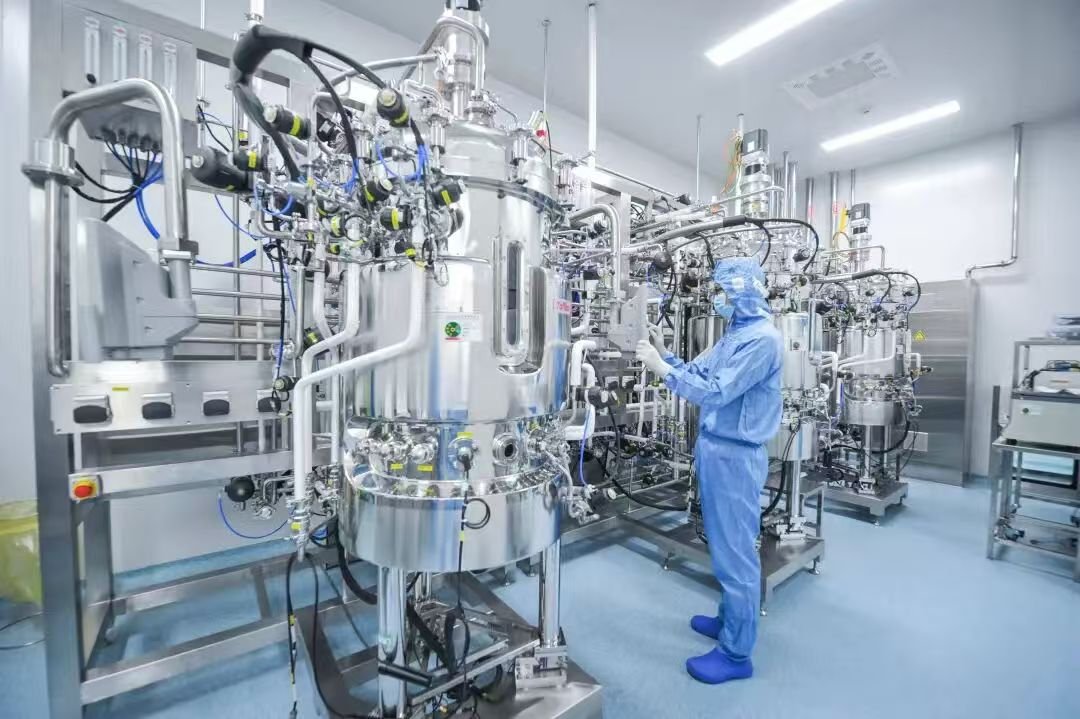
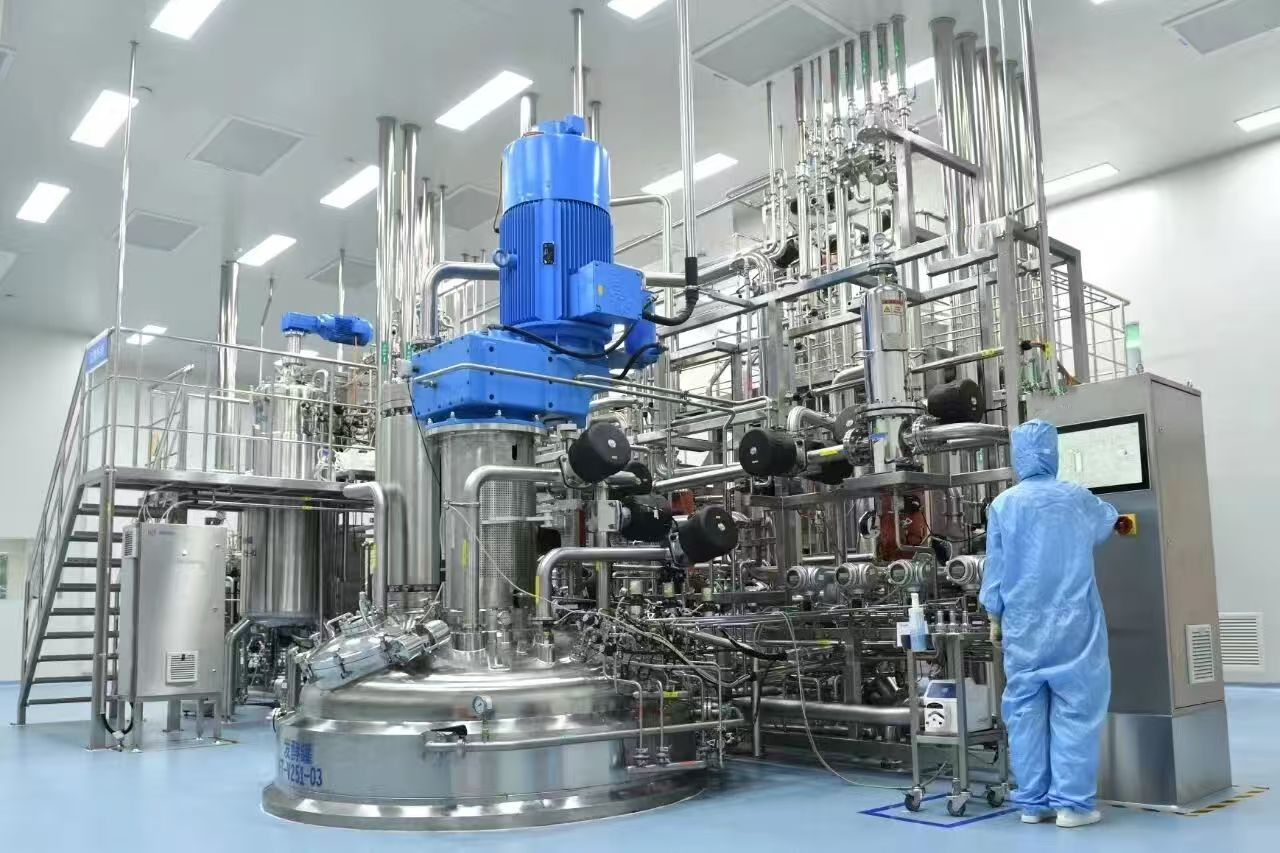
Escherichia coli is the most commonly used host strain for plasmid production. Cultivation is carried out in stainless steel fermenters or single-use bioreactors. With optimized culture media and precise control over pH, dissolved oxygen, temperature and other growth parameters, fermentation can be completed within 24 hours.
Optimizing medium composition (e.g., carbon-to-nitrogen ratio) and cultivation conditions to regulate the specific growth rate of bacterial cells is critical for enhancing intracellular pDNA expression level and stability. After process optimization, the pDNA titer can reach 0.5–2 g/L or higher.
Cell Harvest
The wet cell weight of E. coli fermentation broth for plasmid production can exceed 100 g/L. Residual unconsumed sugars, glycerol and other additives increase broth viscosity, posing challenges to cell collection. Centrifugation and tangential flow filtration (TFF) are both viable options for processing high-solids and high-viscosity feeds, with selection based on practical application scenarios.
Centrifugation is suitable for rapid preparation of small-volume samples in laboratory settings. However, for large-scale GMP-grade production materials, it faces multiple limitations: higher costs for capital investment, maintenance and validation; elevated risks of workshop contamination and cross-contamination due to open operations; and compromised process continuity resulting from cell pellet transfer and repeated resuspension.
Hollow fiber (HF) membranes with open flow channels, including 0.1–0.2 μm microfiltration (MF) membranes and 500–750 kDa ultrafiltration (UF) membranes, deliver distinct advantages in handling viscous and high-solids feeds. Taking fermentation broth with a cell density of 100 g/L as an example, 500 kDa or 750 kDa HF membranes can be adopted for 2–4× volume concentration, followed by 3–5 diafiltration cycles with equal volume buffer exchange to obtain qualified cell suspension for subsequent alkaline lysis.
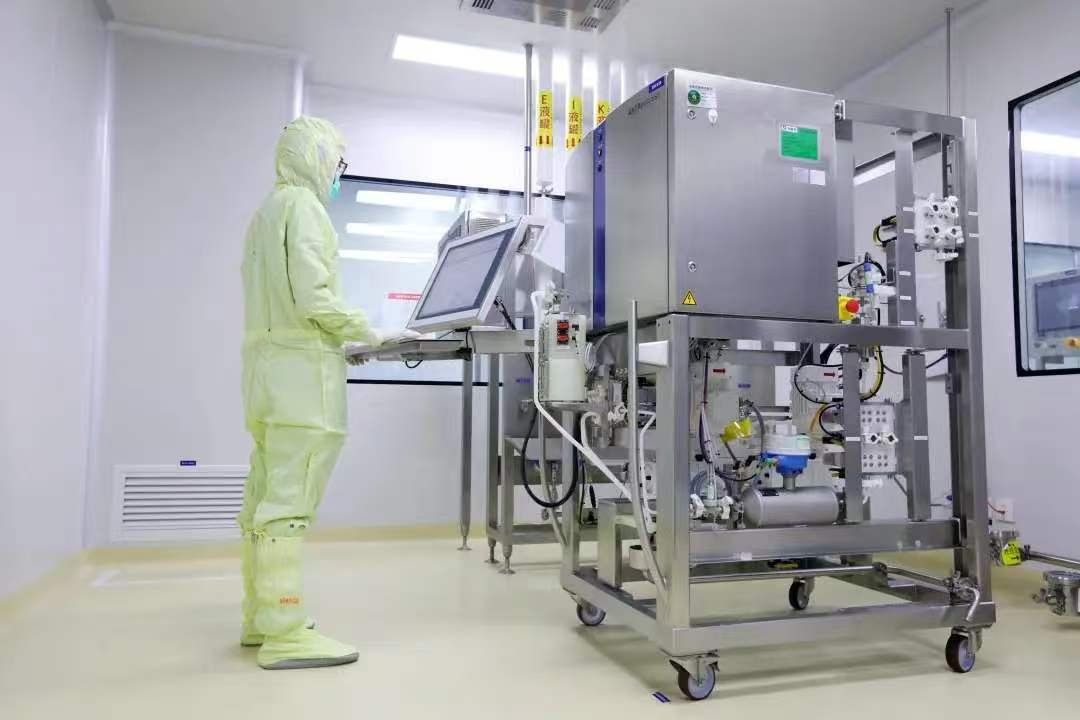
Multi-cycle diafiltration in the late stage of TFF effectively removes residual medium components from bacterial suspension, alleviating the impurity load in downstream purification. During cell harvest via TFF, fermentation broth circulates through pumps, HF modules and sensors to form a fully closed process flow. TFF systems (e.g., AMR TFF sys) enable automated control over pump flow rate (shear force), transmembrane pressure (TMP), volume concentration factor (VCF) and diafiltration volume (DV).
Cell Lysis
Plasmid DNA features a large molecular conformation and is highly susceptible to shear stress, therefore alkaline lysis is the mainstream method for cell disruption in the industry. Under alkaline conditions (typically pH > 12), the cell membrane of E. coli is disrupted, releasing host cell proteins (HCP), RNA, genomic DNA (gDNA) and denatured pDNA into the buffer. After neutralization, pDNA renatures, while cell debris, gDNA, RNA, proteins and SDS form entangled complexes and precipitate.
The key control points of this process include regulating the pH of lysis buffer (sodium hydroxide solution), the contact time between bacterial cells and lysis reagent, and agitation intensity, to prevent irreversible denaturation and shear-induced degradation of pDNA. Adjusting salt composition in lysis buffer further accelerates the sedimentation of DNA and RNA, reducing impurity interference in downstream steps.
Cell lysis is performed in dedicated mixers equipped with low-shear agitation units to achieve rapid and homogeneous mixing of different solutions. Optional modules for conductivity, pH and weight monitoring can be installed to enable full-process precise control.
Lysate Clarification
The primary objective of lysate clarification is to remove solid particulates from the lysate. Conventional centrifugation can be applied for primary clarification but usually requires secondary polishing to achieve satisfactory results. Shear force must be strictly controlled during centrifugation to avoid damage to the supercoiled structure of pDNA and yield loss.
Modern clarification workflows prioritize depth filtration, tangential flow filtration (TFF), or a combination of the two. The throughput of clarification filters is heavily dependent on impurity content and particle size distribution of the feed. Pre-treatment effectively improves filter capacity and effluent quality, and its scalability must be fully evaluated during process development. Common pre-treatment methods include gravitational settling, bag filtration and stainless steel mesh filtration.
Additives such as ammonium sulfate and calcium chloride can promote co-precipitation of RNA and other impurities. Sodium bicarbonate can also be used, where generated carbon dioxide lifts flocculants to the upper layer of the feed. Materials after pre-treatment can be discharged via bottom drainage or siphoning for subsequent clarification.
As mentioned above, hollow fiber filters are ideal for feeds with high concentration, high viscosity and abundant particulates. HF membranes with a pore size of 0.2–0.65 μm are recommended for clarification. Since most solid impurities are removed during pre-treatment, feed fluidity is greatly improved, allowing the use of HF modules with an inner diameter of 1.0 mm. Short HF modules (length below 1.0 m) can be selected according to feed conditions to shorten process duration. Due to varying buffer combinations and pre-treatment protocols for lysate clarification, the product recovery rate generally ranges from 70% to 90%, which can be optimized based on specific processes.
Pre-Chromatography Concentration and Buffer Exchange
Clarified pDNA solution usually has a low concentration. Concentration prior to chromatography reduces feed volume and shortens column loading time. Depending on the requirements of the first chromatographic step, 3–7 additional diafiltration cycles may be needed to exchange the existing buffer with a buffer compatible for downstream chromatography.
Meanwhile, TFF further removes gDNA, RNA and HCP with molecular weights smaller than the membrane molecular weight cutoff (MWCO), protecting chromatographic media from contamination. Hollow fiber membranes with open channels are used to avoid shear damage to pDNA.
Appropriate HF membranes (generally 100–500 kDa MWCO) are selected after evaluating pDNA retention and impurity removal efficiency across different MWCO specifications. During process development, TMP and shear force are optimized to control process time and prevent membrane fouling and clogging. Compared with flat sheet cassettes, HF modules can be pre-sterilized via autoclaving or gamma irradiation, and assembled with process pipelines and containers to form a closed aseptic flow path, enabling full-process aseptic operation.
Chromatographic Purification
The core goals of plasmid purification are to capture and enrich supercoiled pDNA (sc pDNA), and remove HCP, gDNA, RNA, endotoxins, open circular pDNA (oc pDNA), plasmid multimers and other impurities to ensure the purity of sc pDNA. gDNA, RNA and pDNA share similar chemical compositions and structures, and all carry negative charges (along with endotoxins), bringing great challenges to sc pDNA purification.
Multiple chromatographic techniques are applicable for plasmid purification, including anion exchange chromatography (AEX), hydrophobic interaction chromatography (HIC), size exclusion chromatography (SEC), mixed-mode chromatography (MC) and affinity chromatography (AC).
For AEX-based pDNA capture, adjusting salt concentration (conductivity) suppresses RNA interference and enhances pDNA binding capacity. Optimized elution conditions improve the resolution between pDNA and endotoxins. The large molecular size of pDNA limits its binding efficiency to traditional AEX resins, resulting in low dynamic binding capacity (DBC).
Novel membrane-based AEX chromatography features large convective pores, delivering a much higher binding capacity (5–10 mg/mL) than conventional resins. It also allows extremely short residence time and significantly boosts process efficiency, and has been widely adopted in industrial production.
HIC or AC is commonly used for polishing to maximally remove oc pDNA from sc pDNA. SEC and MC adopted as the first chromatographic step excel at removing RNA, endotoxins, gDNA and HCP. Chromatographic media combinations are flexibly selected according to pre-treatment methods and impurity profiles to achieve optimal purification performance.
Common workflow combinations include SEC-AC-AEX, MC-AC, AEX-AC and HIC-AEX. The acceptable percentage of sc pDNA varies among different institutions, with a general specification of ≥90–95%. Specifications for HCP, residual DNA and endotoxins shall comply with relevant regulatory guidelines.
Concentration and Formulation
After chromatographic purification, the levels of RNA, endotoxins, gDNA and HCP are reduced to the minimum limits. Further concentration is required to adjust sc pDNA to the target formulation concentration, followed by buffer exchange to the designated formulation buffer for storage, transportation and filling.
HF membranes with smaller MWCO (50–300 kDa) are used to maximize product recovery. Large-volume feeds may require fractional concentration using HF modules of different membrane areas to reduce the total volume stepwise. The AMR1 TFF system is compatible with hollow fiber modules ranging from 0.001 m² to 0.5 m², capable of processing feeds below 10 L with a minimum dead volume of less than 10 mL.
Combined with compact flow design, bottom discharge and sterile gas purging, the system achieves nearly complete material recovery. The MR(c) operating software compliant with 21 CFR Part 11 fully meets the requirements for GMP-grade plasmid production and processing.
Sterile Filtration
The large molecular size of pDNA and increased solution viscosity after concentration create major challenges for final sterile filtration. The key of this step is to screen filter membranes with high flux, large loading capacity and low non-specific adsorption.
Considering the shear sensitivity of pDNA, the impacts of cross-flow filtration and constant-pressure filtration shall be evaluated for process adjustment. In addition, comprehensive process validation must be performed for the selected sterile filter and operating parameters.
As a leading process-oriented engineering company, Sino Bioengineering delivers professional bioengineering solutions and comprehensive technical services to clients worldwide.
For more products and solutions: https://sinobioengg.com/category/solution/
For more service: https://sinobioengg.com/category/service/