
Rabies is an acute infectious disease caused by the Rabies virus (RABV), commonly transmitted through bites or scratches from infected animals, mainly including dogs, cats, bats and other species. After human exposure to an infected animal bite, the virus first replicates in the local muscle tissue, then invades the nervous system to reach the brain, and subsequently disrupts the respiratory and circulatory systems. The incubation period is generally 1 to 3 months with no apparent symptoms during this stage.
Rabies is prevalent globally, causing approximately 59,000 human deaths each year worldwide, of which the vast majority occur in Africa (36.4%) and Asia (59.6%).
Mature rabies virus particles exhibit a typical bullet shape with a hemispherical head and a truncated terminal end. Under an electron microscope, the virus has a diameter of about 75 nm and a length ranging from 100 to 300 nm. It was first isolated by Louis Pasteur in 1885.
The viral genomic RNA encodes five structural proteins: nucleoprotein (N), phosphoprotein (P), matrix protein (M), glycoprotein (G), and large polymerase protein (L). As the only membrane protein of rabies virus, rabies virus glycoprotein (G) is the predominant protein on the surface of the viral envelope, containing 2 to 4 glycosylation sites. It mediates viral infection by binding to target cells and serves as the primary antigen inducing neutralizing antibodies, playing a pivotal role in host immune response.
Post-exposure prophylaxis (PEP) is highly effective in halting the progression of rabies. PEP consists of wound care combined with passive and active immunization using rabies immunoglobulin (RIG) and rabies vaccine, respectively. RIG is mainly derived from human or equine immune serum. Proper administration of PEP can effectively prevent the onset of rabies. However, RIG is hampered by high cost and persistent supply shortages.
Therefore, monoclonal antibodies (MAbs), which feature low production costs and scalable large-scale manufacturing, are considered ideal alternatives to RIG. Given the diversity and variability of rabies virus, cocktail combination formulations targeting distinct antigenic epitopes exert superior therapeutic efficacy compared with single-antibody drugs.
The World Health Organization (WHO) recommends that at least two monoclonal antibodies targeting different antigenic sites on rabies virus glycoprotein (G) should be included if monoclonal antibodies are adopted for rabies prevention. The U.S. Food and Drug Administration (FDA) also issued a guideline in 2021 for the commercial development of antibody mixtures.
Cocktail therapy was originally referred to as Highly Active Antiretroviral Therapy (HAART), proposed by Taiwanese-American scientist David Ho in 1996. It treats AIDS via the combined administration of three or more antiviral drugs. The application of this therapy reduces drug resistance caused by monotherapy, maximally inhibits viral replication, partially or fully restores damaged immune function, thereby delaying disease progression, prolonging patient survival, and improving quality of life.
By combining protease inhibitors with multiple antiviral agents, cocktail therapy enables effective control of AIDS. The combined administration of antibody drugs is essentially analogous to cocktail therapy, clinically defined as the combined use of two or more distinct antibody drugs to achieve enhanced therapeutic outcomes. Typical examples include the combination of Nivolumab and Ipilimumab from Bristol Myers Squibb, as well as Pertuzumab combined with Trastuzumab from Roche.
Antibody cocktail therapy represents an innovative form of combined antibody medication, which formulates two or more distinct antibodies into a single drug product in a fixed proportion. It possesses greater advantages over single-antibody drugs and conventional combined antibody administration.
Antibody cocktail therapy and conventional combined antibody medication share the common principle of achieving superior therapeutic effects through the synergistic action of two or more complementary antibodies. Their core differences lie in two aspects:
First, antibody cocktail therapy comprehensively evaluates the interaction and complementary relationship between different antibodies at the project initiation stage, selecting non-competitive antibodies with structurally independent epitopes; conventional combined antibody medication generally adopts already marketed independent antibody products for clinical combination application.
Second, antibody cocktail therapy mixes multiple antibodies in a specific ratio into a single preparation for unified packaging; conventional combined antibody medication involves two separate commercially approved drugs administered jointly in clinical practice.
Screening Criteria for Monoclonal Antibodies in Antibody Cocktail Therapy
Selected MAbs shall target non-overlapping and distinct neutralizing epitopes.
Selected MAbs shall possess potent neutralizing activity and broad-spectrum reactivity.
The MAb combination, when co-administered with rabies vaccine, can protect animals from lethal rabies virus challenge.
The MAb combination shall not interfere with vaccine efficacy to a greater extent than currently used serum products.
Advantages of Antibody Cocktail Therapy
1. Enhanced Therapeutic Efficacy and Reduced Viral Escape Risk
Antibody cocktail therapy integrates multiple antibodies targeting different viral antigenic epitopes or acting through distinct mechanisms, achieving a synergistic efficacy of “1+1>2”. Such combined action inhibits viral replication more efficiently and improves therapeutic outcomes.
Given the differential epitope targeting of each component antibody, viral resistance to one antibody leaves others functionally active, significantly lowering the risk of viral escape — a critical advantage for treating highly variable viruses such as SARS-CoV-2.
2. Compensating for Limitations of Single Monoclonal Antibodies
Single monoclonal antibodies often have inherent limitations such as insufficient affinity and single binding sites. Antibody cocktail therapy overcomes these drawbacks via combinatorial antibody formulation, enhancing the comprehensiveness and effectiveness of treatment.
3. Improved Safety and Tolerability
With well-defined components and controllable quality, antibody cocktail formulations exhibit fewer side effects compared with traditional small-molecule drugs. Optimizing the compatibility ratio and administration route can further minimize toxic reactions.
For critically ill patients or those requiring long-term treatment, antibody cocktail therapy delivers better tolerability and reduces treatment interruption or failure caused by adverse drug reactions.
4. Wide Applicability
Beyond antiviral infectious diseases, antibody cocktail therapy also demonstrates broad application prospects in oncology and other disease areas.
5. Advantages in R&D and Production
It establishes an innovative R&D paradigm focusing on the interaction and functional complementarity between antibodies, providing new strategies for antibody pharmaceutical research. In production, pre-mixed antibody combinations are formulated as a single preparation, simplifying manufacturing workflows and improving production efficiency.
6. Validated Clinical Trial and Practical Application Outcomes
Accumulating clinical trial data has verified that antibody cocktail therapy significantly reduces viral load and shortens symptom relief time.
In summary, antibody cocktail therapy exhibits prominent strengths in efficacy enhancement, compensation for single-antibody limitations, improved safety and tolerability, broad applicability, streamlined R&D and production, and validated clinical performance.
Nevertheless, its actual efficacy may vary depending on disease conditions and viral variation profiles, necessitating individualized treatment strategies in clinical practice.
Challenges of Antibody Cocktail Therapy
1. Complexity in Research, Development and Production
Antibody combination optimization requires screening synergistic, non-interfering and functionally complementary antibody pairs alongside optimal proportion matching, which demands in-depth biological research and elaborate screening procedures to ensure efficacy and safety.
The manufacturing of antibody cocktail formulations requires highly precise and robust production processes to guarantee consistent batch-to-batch product quality and therapeutic potency.
2. Clinical Validation and Safety Assessment
Strict clinical trials with large patient cohorts and long-term observational evaluations are mandatory to verify efficacy and safety and determine optimal dosing regimens.
Despite theoretical advantages in reducing adverse reactions, close monitoring of clinical adverse events remains essential to ensure therapeutic safety.
3. Cost and Accessibility
High production costs incurred from antibody screening, manufacturing and quality control may lead to high drug pricing and limit global accessibility.
Most rabies PEP implementations are concentrated in developing countries predominantly using equine rabies immune globulin (ERIG), with a cost of approximately USD 25–50 per adult patient. Any MAb-based product must be price-competitive with ERIG to achieve widespread adoption in these markets.
4. Regulatory, Policy and Ethical Considerations
Antibody cocktail therapy undergoes rigorous regulatory approval procedures involving clinical data submission, safety evaluation and efficacy verification, potentially delaying market launch and failing to meet urgent medical needs.
Its R&D process involves combined multiple antibodies and proprietary technologies, leading to complex intellectual property issues that require systematic protection and management.
Clinical development pathways pose ethical and logistical challenges, especially considering the lethality of rabies and trials conducted in vulnerable exposed populations.
Overall, antibody cocktail therapy faces inherent challenges in R&D and production complexity, clinical validation and safety control, cost and accessibility, as well as regulatory and ethical governance.
Addressing these challenges requires interdisciplinary collaboration, R&D efficiency improvement, production process optimization, rigorous safety evaluation, cost reduction and accessibility enhancement, alongside standardized regulatory approval, intellectual property protection and ethical governance.
Key Factors Influencing Antibody Cocktail Therapy
1. Selection and Optimization of Antibody Combinations
Full coverage of antigenic epitopes is required to maximize therapeutic efficacy and reduce drug resistance risk, relying on in-depth understanding of pathogen antigen structures and screening of antibodies with distinct binding epitopes.
Selected antibodies must exert synergistic effects without mutual interference. Experimental validation of combinatorial efficacy and proportional gradient screening is necessary to determine the optimal formulation scheme.
2. Robustness of Production Processes
High precision and stability of manufacturing procedures are critical to maintaining the proportional ratio and biological activity of each antibody component during mixing.
Strict full-process quality control covering raw material selection, production environment monitoring, process supervision and finished product testing ensures consistent quality and efficacy across batches.
3. Response to Viral Variation and Drug Resistance
Continuous surveillance of rabies viral evolution is essential for antiviral antibody cocktail therapy, as viral mutations may render existing antibodies ineffective. Sustained development of updated antibody candidates is required to target emerging viral variants.
Key Considerations for Formulation Development of Antibody Cocktail Therapy
Formulation development is indispensable for antibody cocktail therapy, directly determining drug stability, therapeutic efficacy, safety and manufacturing feasibility. The core functions and key technical points are summarized as follows:
Enhancing Drug Stability
Stability studies covering freeze-thaw stability, shaking stability, long-term storage stability and high-temperature accelerated stability are conducted to screen the optimal formulation.
The proportion of each monoclonal antibody in the cocktail is defined based on mass or biological potency. Individual MAbs may exhibit divergent potency in the Rapid Fluorescent Focus Inhibition Test (RFFIT) when referenced to international standards. Sponsors shall justify the designed proportion and develop analytical methods to ensure batch-to-batch consistency.
Optimizing Therapeutic Efficacy
Formulation development also optimizes administration routes and dosages to balance in vivo metabolism profiles of different antibodies and mitigate toxic risks.
Reducing Adverse Reactions
Supporting Manufacturing Processes
Preclinical and Clinical Research Support
Compliance with Regulatory Requirements
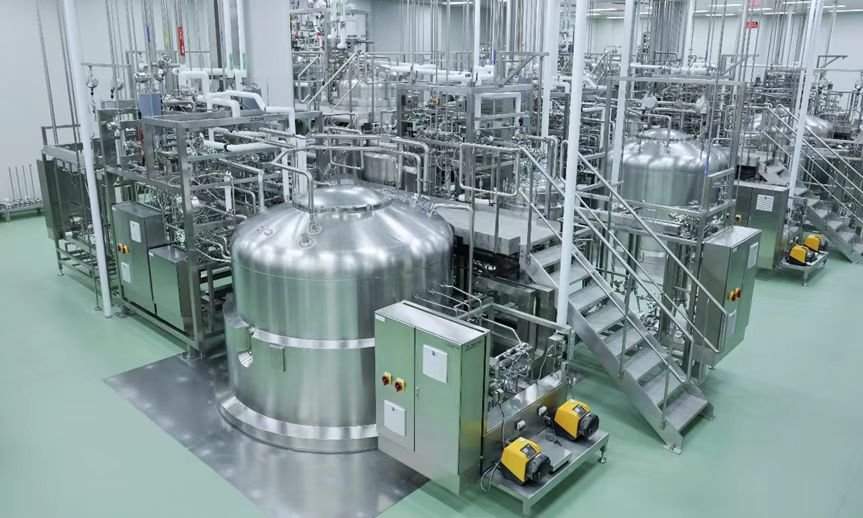
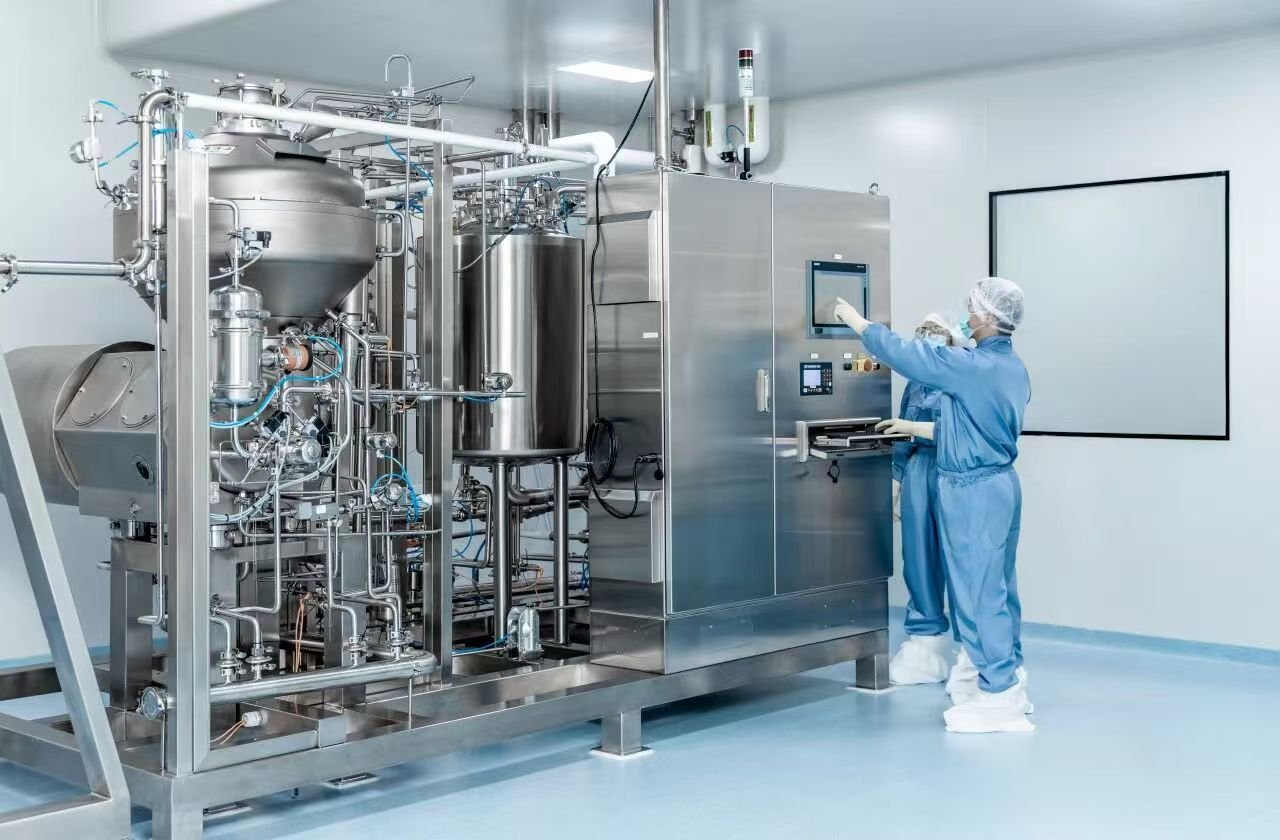
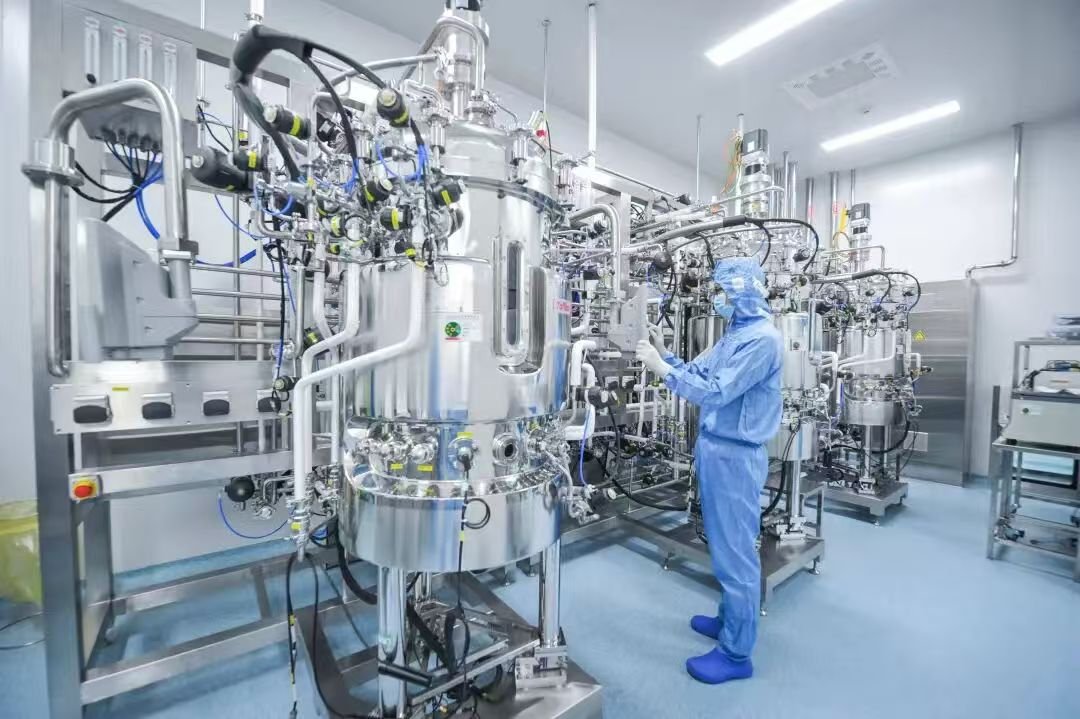
Commercial manufacturing complies fully with GMP specifications to ensure product quality consistency and traceability throughout the lifecycle.
In conclusion, rational formulation design, production process optimization and standardized preclinical and clinical research are core pillars to guarantee the efficacy, safety and stability of antibody cocktail therapy, providing reliable therapeutic options for global rabies post-exposure prevention and treatment.
As a leading process-oriented engineering company, Sino Bioengineering delivers professional bioengineering solutions and comprehensive technical services to clients worldwide.
For more products and solutions: https://sinobioengg.com/category/solution/
For more service: https://sinobioengg.com/category/service/