

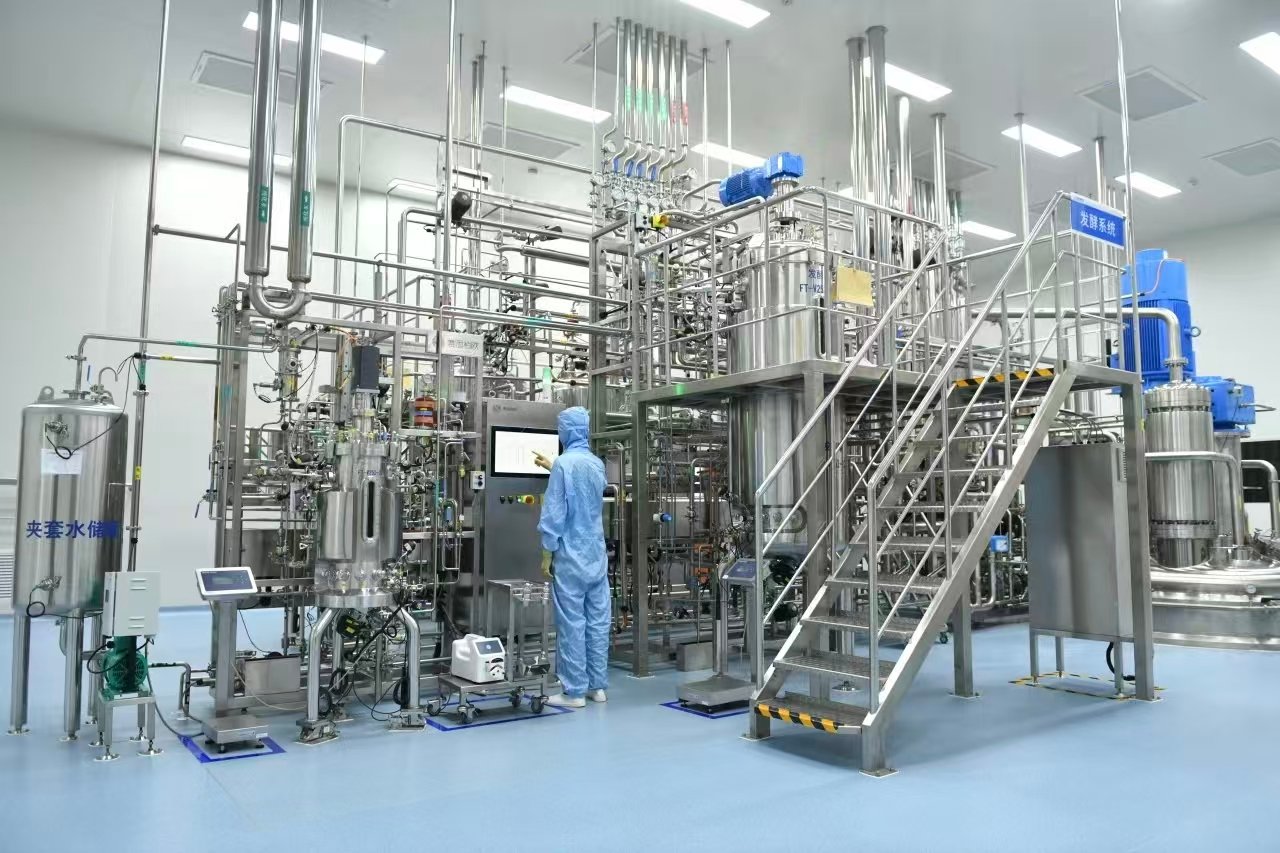
Virus-like particles (VLPs) are self-assembled, non-replicative, non-pathogenic and highly organized supramolecular nanoparticles spontaneously formed by one or more viral capsid proteins. Owing to their non-infectivity and customizable properties, vaccines based on VLPs have attracted extensive research and development attention. Nevertheless, large-scale production of VLPs still faces considerable challenges, including maintaining high product purity, improving structural uniformity and colloidal stability. The latest advances in production and purification of VLP-based vaccines, such as integrated multi-column tandem chromatography, inline concentration and diafiltration, have laid a solid foundation for commercial continuous manufacturing of VLPs. Driven by the growing global vaccine market demand, the biopharmaceutical industry has shown rising interest in continuous processing, and VLP continuous manufacturing technology has achieved progressive maturity.
1. Challenges and Opportunities in VLP Purification Processes
Unlike commercially mature biotherapeutics such as monoclonal antibodies, VLPs lack standardized purification platforms, restricting their development progress. Downstream processing (DSP) workflows of VLPs are predominantly determined by whether particle assembly occurs in vitro or intracellularly, forming two distinct processing modes. The first mode refers to cell-free assembly of VLP subunits under high-salt conditions. The second mode involves VLP formation inside host cells. Although general purification procedures consist of clarification, capture, intermediate polishing and final polishing, processing protocols vary significantly among VLPs derived from different viruses.
1.1 Challenges in VLP Purification
The inherent complex properties of VLPs pose substantial obstacles to downstream processing. Primarily, end-product quality indicators including purity, potency, immunogenicity and integrity must be strictly guaranteed, while impurities such as residual DNA, RNA, host cell proteins and other macromolecular fragments need thorough removal during intracellular assembly.
Physicochemical and biochemical characteristics further complicate purification workflows. VLPs from different strains of the same viral family possess subtle discrepancies in surface antigens and surface properties, necessitating targeted verification and optimization of purification strategies. Variations in VLP particle size also affect unit operation parameters. Additionally, VLPs exhibit poor structural stability. High shear force generated during ultrafiltration and diafiltration (UF/DF), as well as irritant solvents, may trigger structural denaturation and irreversible functional inactivation of VLPs.
1.2 Advantages of Continuous Manufacturing for VLP Production
Continuous manufacturing integrates streamlined workflows, model-based control and continuous flow systems to realize fully continuous bioproduction. The feasibility of end-to-end continuous processing platforms for monoclonal antibodies has been validated, enabling simplified procedures and long-term unattended automatic purification. Novel unit operations represented by multi-column chromatography have been developed for VLP continuous biomanufacturing, drastically shortening overall processing duration.
Regulatory authorities actively advocate fully automated continuous processing under the Quality by Design framework. Relevant guidelines facilitate accelerated development and smooth industrial transformation of VLP production processes. Current research prioritizes minimizing unit operation steps to elevate overall process yield, boost productivity and cut manufacturing costs.
2. Advanced Continuous Technologies for VLP Manufacturing
2.2 Fed-Batch and Perfusion Cultivation
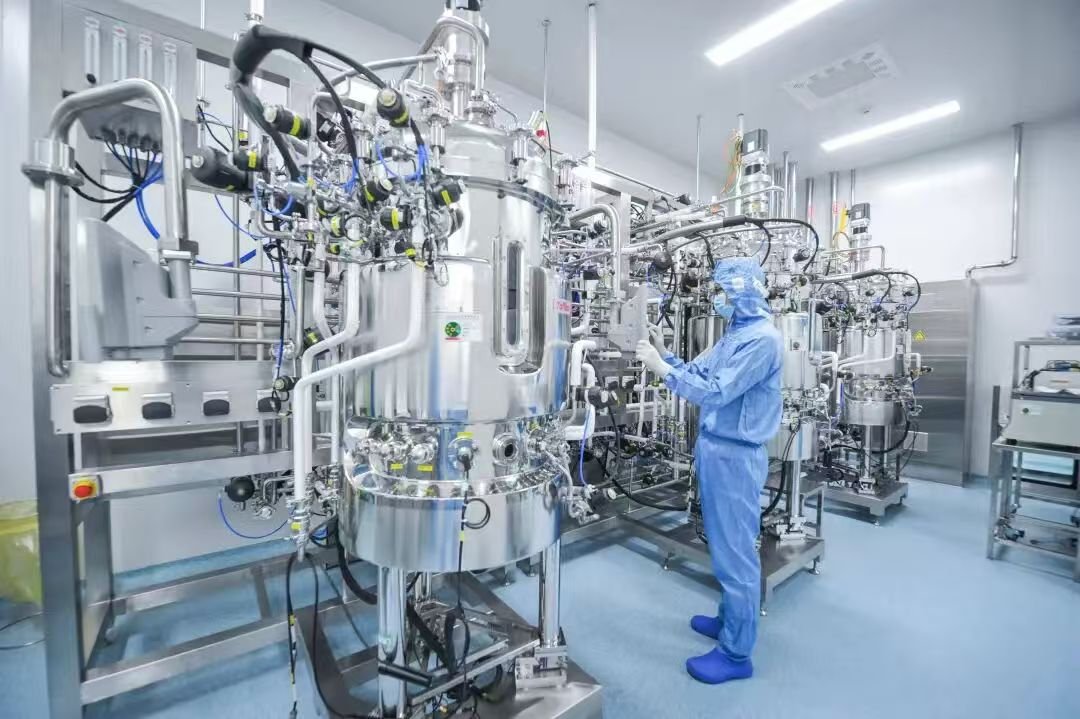
Fed-batch, perfusion and continuous culture strategies have been applied to upstream production of viral vaccines. Similar to recombinant protein production, these cultivation modes can enhance VLP yield by 10 to 100 times. Perfusion technology has been successfully adopted for the production of Zika VLPs, HIV Gag VLPs and rotavirus VLPs. Insect cell lines cultivated at high-density suspension status are well compatible with fed-batch, continuous and perfusion cultivation systems.
Multi-stage stirred-tank bioreactor cascades composed of two or three reactors support autonomous cell infection, achieving steady-state operation and high volumetric productivity. Implementation of continuous manufacturing enhances operational simplicity and flexibility, improves production efficiency and reduces costs, thereby improving the accessibility and affordability of VLP vaccines.
2.2 Continuous Precipitation and Nuclease Treatment
Ammonium sulfate precipitation is conventionally used for purifying hepatitis B VLPs derived from yeast hosts, and continuous plug flow reactors are under development to adapt this technique to continuous production. Nuclease digestion serves as an essential optional step post cell lysis to eliminate host cell DNA and meet purity specifications. This procedure reduces non-specific binding of nucleic acid contaminants and facilitates subsequent chromatographic purification.
Nuclease treatment can be conducted via batch incubation in disposable mixers equipped with buffer bags and sterile filters for reagent addition and real-time quality monitoring. This batch workflow has been commercialized in the manufacturing of Human Papillomavirus (HPV) VLPs for Gardasil vaccines. Meanwhile, a novel Coiled Flow Inverter Reactor (CFIR) has been proposed as a continuous mixing unit for nuclease treatment. Enzyme-linked immunosorbent assay (ELISA) enables real-time reaction monitoring and residual nuclease quantification, supporting the construction of integrated end-to-end continuous production platforms.
2.3 Continuous Filtration Technologies
Alternating Tangential Flow (ATF) and Single-Pass Tangential Flow Filtration (SPTFF) are optimal continuous filtration techniques for yield improvement. Integrated into bioreactors, ATF systems enable continuous clarification of high-density cell cultures and are widely deployed in single-use bioreactors for viral vaccine production. SPTFF adopts customized flow distributors, compatible with conventional tangential flow filtration (TFF) cassettes and offering flexible module configuration.
Multi-stage continuous diafiltration effectively promotes VLP self-assembly, with effluent from the preceding stage serving as the influent of the subsequent stage, and diluent supplemented in co-current or counter-current modes. Inline Concentration (ILC) and Inline Diafiltration (ILD) modules operate continuously, featuring low shear stress exposure, minimal hold-up volume and eliminated foaming and mixing issues, making them ideal processing options for shear-sensitive VLPs.
2.4 Continuous Chromatographic Processes
Diverse chromatographic modes are applicable to continuous operation, including Continuous Annular Chromatography (CAC) and Continuous Countercurrent Tangential Chromatography (CCT). Commercially mature continuous chromatography systems such as Cadence BioSMB, ÄKTA PCC 75 and BioSC Lab have been successfully applied to continuous purification of adenovirus, influenza virus and hepatitis C VLPs.
Conclusion
The widespread adoption of continuous bioprocessing drives the demand for customized robust manufacturing platforms tailored to VLPs with sophisticated physicochemical properties. VLPs feature larger particle size, intricate surface characteristics and strain-specific variations compared with monoclonal antibodies, accompanied by inferior structural stability, posing critical challenges for scale-up and technology transfer.
Proven advantages of continuous manufacturing in other bioproducts, including streamlined workflows, elevated productivity and cost reduction, provide valuable references for VLP vaccine industrialization. Continuous processing techniques have been gradually incorporated into VLP research, pilot production and commercial vaccine manufacturing. This paper summarizes the development progress and core technologies of continuous VLP production, offering insights for achieving high-efficiency, high-yield and cost-effective fabrication of VLP vaccines.
As a leading process-oriented engineering company, Sino Bioengineering delivers professional bioengineering solutions and comprehensive technical services to clients worldwide.
For more products and solutions: https://sinobioengg.com/category/solution/
For more service: https://sinobioengg.com/category/service/