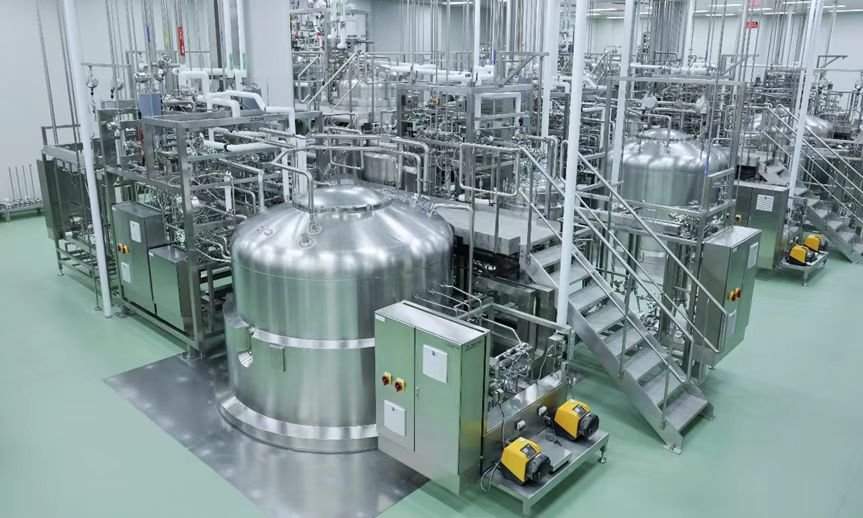
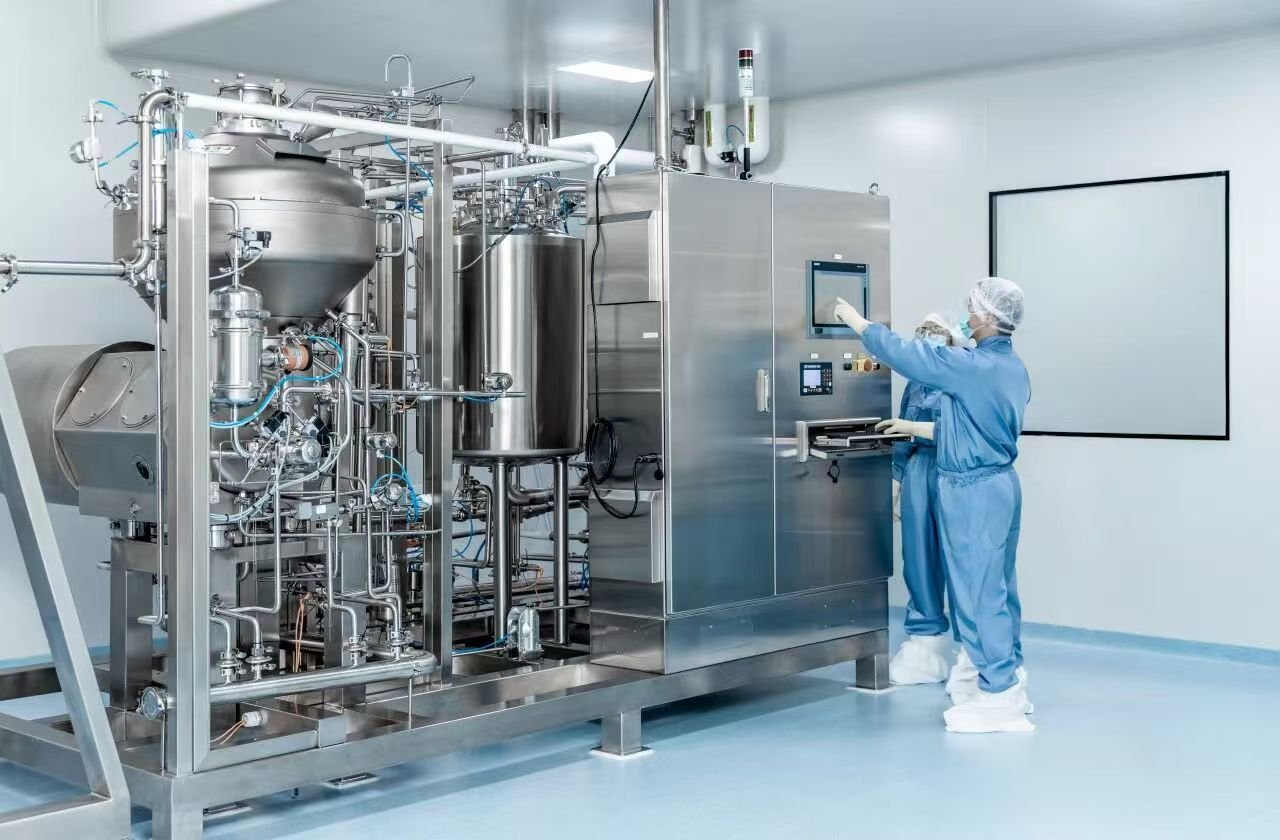
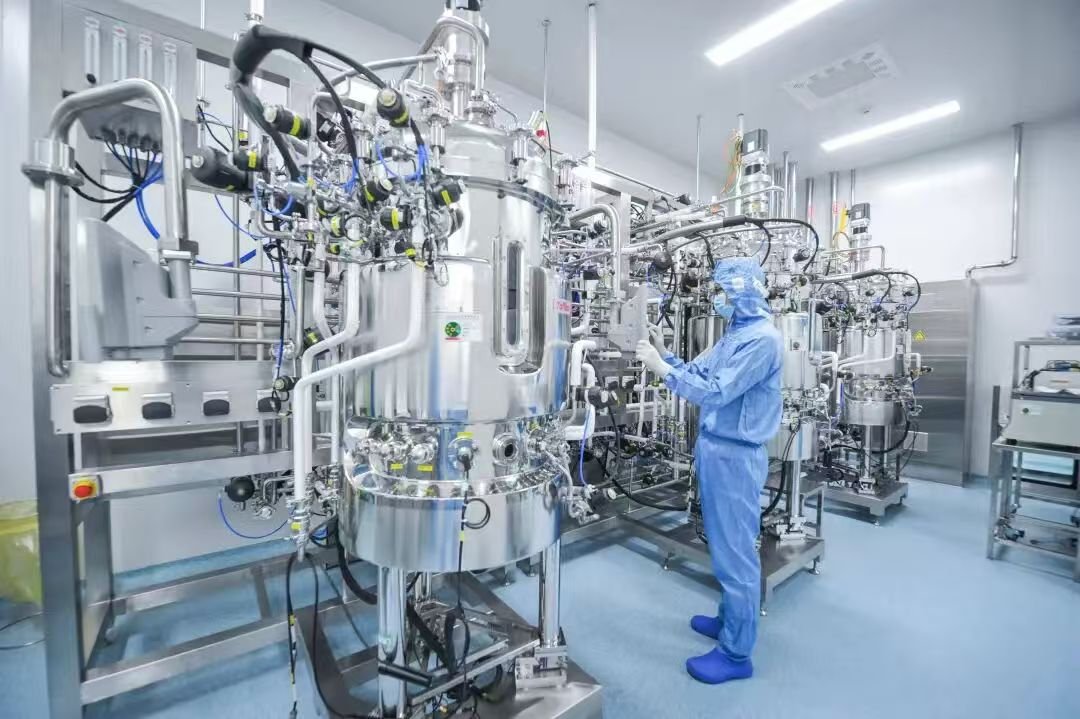
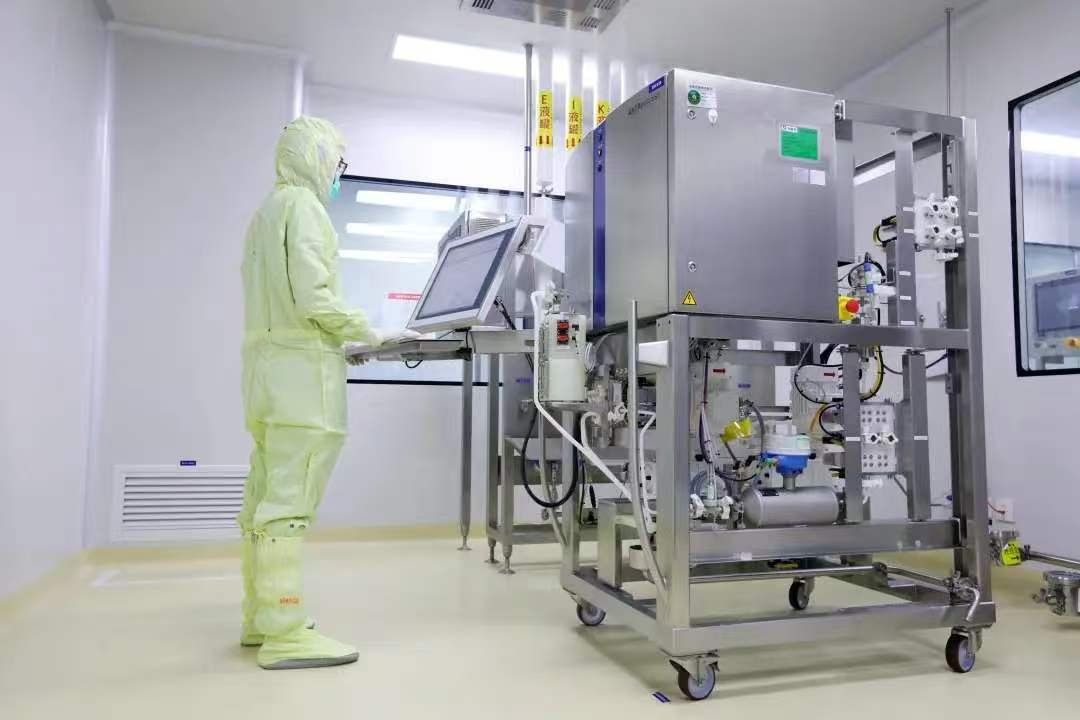
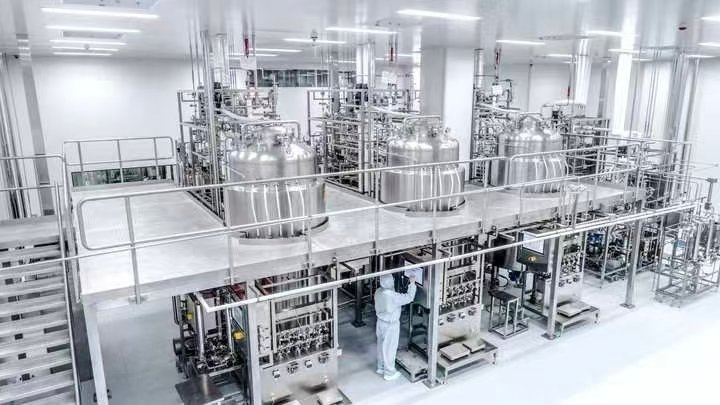
The measurement and control system acts as the sensory organ and brain of the fermentation process. It collects real-time data, performs computational processing and closed-loop regulation on critical parameters including temperature, pH, dissolved oxygen and stirring speed. This maintains the cultivation environment steadily at set technological values, realizing controllable, reproducible and scalable fermentation operations.
In bioreactor operation, it is essential to analyze individual measurement and control loops. Parameters such as stirring speed, temperature, pH, dissolved oxygen, defoaming and feeding are mutually coupled and dynamically varied throughout fermentation. Mastering the working principle of each control loop, sensor characteristics, actuator response modes and common engineering implementation schemes enables technicians to shift from basic equipment cognition to flexible selection and commissioning of control strategies based on technological requirements. This paper elaborates on the schematic diagrams and operational logic of major parameter measurement and control systems for bench-top bioreactors.
1. Agitation Speed Control
Agitation speed control relies on feedback signals transmitted by a tachometer mounted on the driving motor. Actual rotational speed is displayed in revolutions per minute (rpm) and detected via tachometer signals. Some systems are equipped with power meters to indicate motor load, which indirectly reflects the viscosity or density of culture broth. Bench-top bioreactors generally adopt 24-50 V low-voltage DC motors to ensure operational safety.
Typical rotational speed range for bacterial culture: 50-1500 rpm
Typical rotational speed range for cell culture: 10-300 rpm
Universal motors are widely applied to cover the full speed spectrum for microbial and cell cultivation in bench-top bioreactors.
A tachometer is an electronic component integrated inside the driving motor, converting actual rotor speed into analog feedback signals.
When agitation speed serves to regulate dissolved oxygen level, external signals from the oxygen controller adjust stirring velocity. Upper and lower absolute speed limits can be configured in the speed control module to restrict the adjustment range of the oxygen controller.
2. Temperature Control
Jacket-circulated thermal systems represent the most sophisticated temperature control configuration and are illustrated as the typical case. Direct jacket heating is achieved by activating heaters after target temperature setting. Cooling is realized via cold fingers and cooling water flow. Pt-100 platinum resistance sensors deliver feedback signals to controllers, which drive solenoid valves to execute the following operations:
Full-power heating when actual temperature is far below the set point
Pulsed power supply for heaters when temperature approaches the target value
Cooling valve activation when actual temperature exceeds the set point
A cold finger is a sealed pipeline or coil penetrating the bioreactor top plate, enabling circulating cooling water to exchange heat with culture medium.
Indicator lights display real-time operational status of temperature controllers. Pipeline fittings bring thermal inertia, and indirect heating transfers heat through circulating water rather than direct medium heating. Clamps and cable joints firmly connect jackets and water pipelines. Drain outlets are mandatory, and overflow pipes are installed with proper gradient for complete drainage at the lowest pipeline position connecting water tanks.
Water supply requirement: minimum water pressure 1.5-2 bar, flow rate over 5 L/min
Water quality standard: water hardness ≤50 ppm, suspended solids ≤50 ppm to prevent scaling and blockage
Vessels are connected to circulation loops via quick couplings and pressure-resistant flexible hoses
Chillers are increasingly adopted to supply circulating cooling water, requiring bypass and pressure relief valves installed on bioreactors. Rapid cooling post sterilization cannot be guaranteed with limited refrigeration capacity, in which case tap water serves as an alternative. Vessels with volume ≤10 L can be fully cooled by chillers alone.
Large-scale reactors adopt dual heat exchanger systems. Closed thermal circulators exchange heat with steam for heating and cold water for cooling before transferring thermal energy to culture materials. Jackets are pre-filled with water via manual valves, with heating and cooling regulated by adjusting jacket water temperature. Jackets provide extensive contact area for efficient heat exchange, ensuring superior temperature stability. The conventional temperature control range is 0-60 ℃, expandable to 90 ℃ under special conditions.
Common alternative configurations for bench-top bioreactors include silicone heating jackets wrapped around single-wall vessels and detachable after sterilization. Heating blocks embedded with electric heating elements and cooling coils are occasionally applied, with cold fingers immersed in medium for cooling. Such compact heating blocks facilitate parallel operation of multiple bioreactors.
3. Gas Supply Control
Oil-free compressed air is delivered to bioreactors, with gas flow rate regulated by rotameters. Gas flow carries moisture away from broth, and condensers mounted on exhaust pipelines mitigate liquid loss.
Float position inside rotameter tubes varies proportionally with valve opening, and flow rates are calibrated in mL/min or L/min.
Air passes through inlet sterile filters to avoid microbial contamination before entering reactors, and disperses into fine bubbles via perforated ring aeration heads. Impellers and baffles break bubbles thoroughly to achieve uniform gas distribution across the vessel. Baffles guarantee sufficient aeration in all culture zones, and slight positive pressure is maintained at the reactor headspace.
Headspace accounts for 20-40% of total vessel volume. In mammalian cell cultivation, mixed gas preprocessed by gas mixing stations can be introduced through pipelines installed on the top plate.
4. pH Control
pH value is stabilized by automatic acid and alkali dosing responding to metabolic variations. Gel-type pH electrodes detect hydrogen ion concentration and transmit feedback signals to trigger reagent supplementation for pH restoration.
Latest electrodes support Modbus serial communication with pH meters, storing calibration data internally. Steam-sterilizable electrodes withstand 50-100 sterilization cycles, with service life affected by medium properties. Dosing pumps are integrated into reactor bases, connected to reagent bottles via silicone tubes. Tube inner diameter determines single droplet volume.
Acid and alkali concentrations are selected to ensure mild pH fluctuation upon dosing. Ammonia solution serves as an optimal alkaline reagent, providing nitrogen sources for microbial growth besides pH adjustment.
Controllers allow configuration of set values, threshold limits and dead bands ranging ±0.05 pH unit, within which no dosing action is activated. Proportional band parameters adjust the effective response range of pH regulation.
5. Dissolved Oxygen Control
Dissolved oxygen (DO) is one of the most challenging fermentation parameters to regulate. Polarographic DO electrodes feature rapid response and high accuracy, requiring 2-6 hours of polarization with sustained power supply for anode and cathode activation.
Fluorescent DO electrodes eliminate polarization requirements and store calibration data with Modbus communication compatibility.
Electrode calibration proceeds sequentially post sterilization: zero calibration is completed by purging vessels with pure nitrogen or saturated sodium sulfite solution to exhaust residual oxygen; saturation calibration is finished by aerating air under maximum stirring speed to set 100% oxygen saturation.
Consumable components of both electrode types require periodic replacement with dedicated maintenance kits.
DO concentration is regulated by adjusting stirring speed, aeration flow or combined strategies. Elevated stirring velocity and gas flow enhance oxygen dissolution yet risk excessive foaming. Thermal mass flow controllers deliver precise gas flow regulation by measuring thermal dissipation effects on heating elements.
Pure oxygen pulsed supplementation via solenoid valves applies to high-density cultivation such as Escherichia coli and Pichia pastoris fermentation. Tank pressure adjustment serves as an additional DO enhancement method for large steel bioreactors. Cascaded control strategies are implemented sequentially until regulation limits are reached.
Conventional DO control range: 0-150% relative to air saturation
Extended range for beer brewing: 0-500% with pure oxygen aeration
6. Defoaming Control
Conductive foam sensors installed at reactor tops detect foam accumulation. Foam contact triggers automatic defoamer dosing, with adjustable delay time to avoid excessive reagent addition. Protective sheaths around sensor tips prevent false alarms caused by splashing broth, though conventional automatic defoaming control suffers limited precision and frequent over-dosing issues.
Applicable defoamers include mineral oil, vegetable oil and alcohols for pharmaceutical fermentation. Oil-based defoamers form interfacial films hindering mass transfer. Uncontrolled foam accumulation blocks exhaust filters and raises contamination risks.
7. Feeding Control
Fresh nutrients and mineral salts are supplemented through three feeding modes:
Fed-batch Culture: Fresh medium is supplemented at key fermentation stages upon initial carbon source depletion. No culture broth is discharged except sampling throughout cultivation.
Perfusion Culture: Fresh medium is intermittently added while equal volume supernatant is withdrawn. Cells are retained inside reactors, widely adopted for immobilized mammalian cell cultivation.
Continuous Culture: Medium inflow and broth outflow maintain constant volume. Chemostats control microbial growth rate via limited substrate supply, while turbidostats sustain maximum specific growth rate with sufficient nutrients and stable biomass concentration monitored by overflow weirs and liquid level sensors.
8. Influencing Factors of Chemostat Operation
Dilution rate: ratio between medium volumetric flow rate and effective reactor volume
Hydraulic retention time: average residence duration of medium inside vessels
Steady state: stable microbial and product concentration achieved when substrate consumption balances medium inflow
Specific growth rate: calculated via Monod equation, growing with substrate concentration until reaching maximum specific growth rate
8.1 Advantages and Disadvantages of Continuous Culture
Advantages
Stable physiological state of microbial cells under steady state
Compatible with immobilization technology for high-density cultivation
Optimized efficiency for downstream processing
Reduced cleaning and downtime
Ideal for water treatment and environmental remediation processes
Disadvantages
Restricted synthesis of secondary metabolites and recombinant proteins generated in late growth phase
Difficult long-term sterile maintenance
Hard recovery once contamination occurs
Potential operational instability caused by abnormal liquid level
9. Fed-batch Fermentation
Fed-batch fermentation dominates industrial production of recombinant proteins and secondary metabolites with superior product yield compared with continuous cultivation. E. coli biomass reaches 16-20 OD₆₀₀ in batch culture, while fed-batch cultivation achieves over 350 OD₆₀₀.
Glycerol-based yeast cultivation presents rapid initial biomass accumulation. Nutrient limitation at high cell density induces AOX gene expression and target product synthesis.
Feeding rates are regulated via multiple strategies:
Time-based control: constant, linearly increased or decreased dosing rate preset by timeline
DO-stat feedback feeding: nutrient supplementation triggered by sharp DO rise caused by reduced oxygen consumption upon substrate exhaustion
pH-stat feedback feeding: dosing activated by pH drop induced by excessive glucose metabolism
Exponential feeding: controlled feeding rate to maintain designated specific growth rate
All feeding strategies are integrated and executed by core process control software of modern bioreactors.
Comprehensive understanding of control loop principles lays fundamental foundation for industrial fermentation system construction. Complete production lines rely on systematic integration of sensor selection, actuator configuration and control algorithm design based on coupled parameter variations, rather than simple hardware assembly. Profound mastery of signal acquisition, algorithm operation and executive output logic supports hierarchical control design, redundancy configuration and fail-safe strategy formulation. It facilitates parameter matching according to cultivation demands, and rapid fault diagnosis covering sensor drift, actuator malfunction and parameter mismatch. Measurement and control systems bridge laboratory cultivation and large-scale industrial production with stable operation, scalable amplification and economic profitability, constituting essential professional competence for bioprocess engineers engaged in full production line development.