

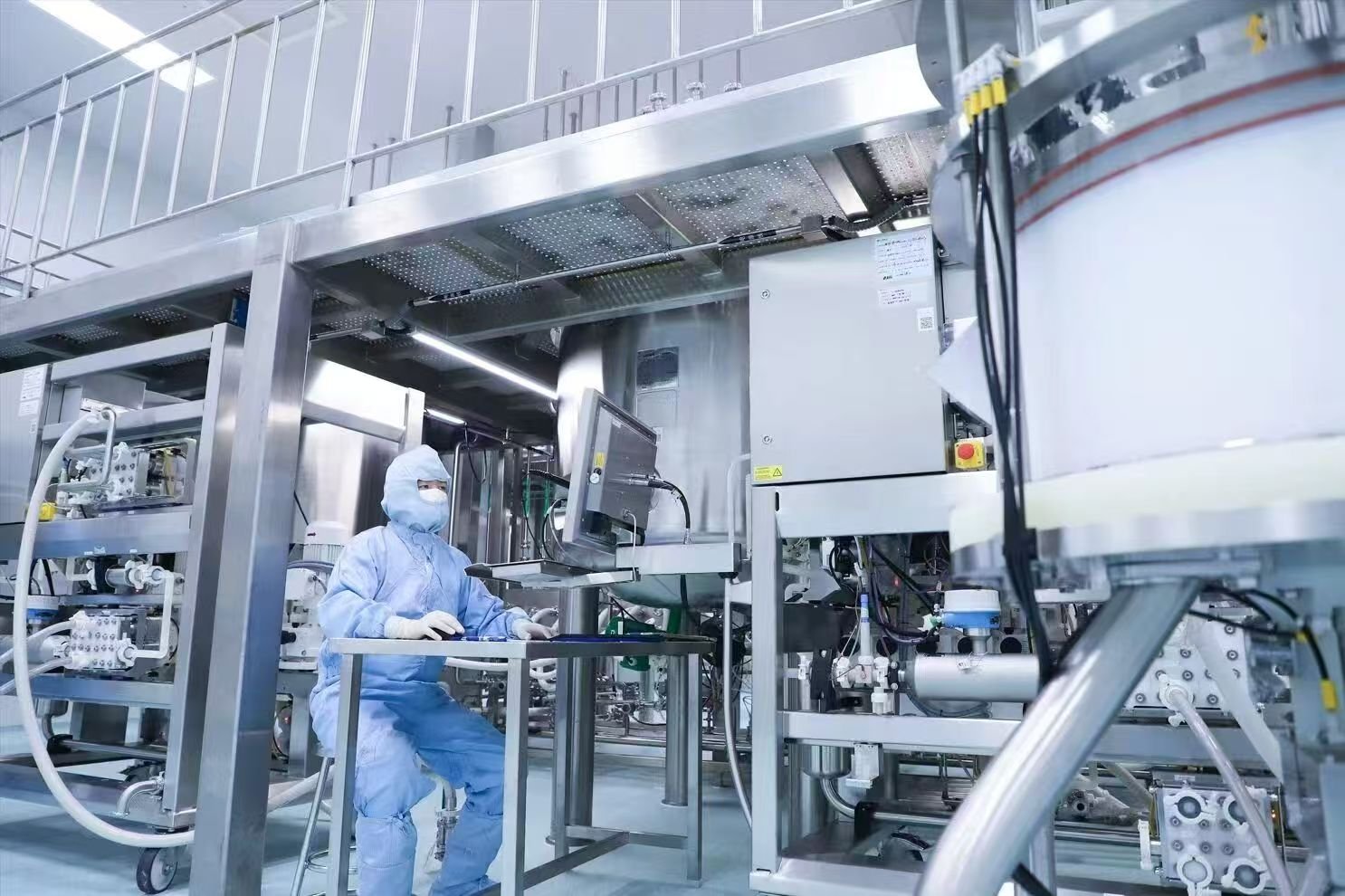
Bispecific antibodies (bsAbs) represent a promising class of biotherapeutics. Accordingly, downstream processing of such antibodies is critical to ensuring the production of high-purity and high-yield products. Owing to fundamental structural similarities between bsAbs and monoclonal antibodies (mAbs), most current downstream purification approaches for bsAbs are adapted from well-established mAb purification platforms, commonly adopting affinity-based, charge-based, size-based, hydrophobicity-based, and mixed-mode chromatographic strategies.
Nevertheless, the presence of bsAb-specific byproducts—including mispaired species, undesired fragments, and elevated aggregate levels—poses unique challenges to downstream purification. These byproducts are either absent or present at negligible levels in mAb cell culture supernatants, thereby necessitating customized purification strategies to achieve high-purity bsAb products.
This article reviews the mainstream purification methodologies for bsAbs, with a focus on corresponding solutions tailored to address the unique purification bottlenecks of bsAbs, including differential affinity chromatography, sequential affinity chromatography, and multi-step elution strategies utilizing salt additives, pH gradients, or integrated purification modes. Finally, future perspectives for process development are proposed.
By recognizing and targeting two distinct antigens simultaneously, bispecific antibodies (bsAbs) have demonstrated remarkable potential in enhancing therapeutic efficacy. The substantial clinical value of bsAbs has driven the development of more than 50 distinct formats of recombinant bsAbs to date. Extensive literature has elaborated on diverse bsAb formats, associated upstream platform technologies, and strategies to minimize product-related impurities for corresponding therapeutic applications. However, reviews specifically focused on downstream purification of bsAbs remain relatively limited, a circumstance partly attributable to insufficient research dedicated to bsAb downstream processing.
Most current downstream workflows for bsAbs are built upon mature mAb purification platforms due to inherent structural homology, as bsAb design is partially derived from conventional mAbs. While optimized mAb downstream protocols serve as a viable starting point for bsAb purification, disparities in intrinsic structure, physicochemical properties, and the generation of unique bsAb-related byproducts mean that conventional optimization alone cannot fully eliminate impurities. A thorough understanding of these discrepancies is essential to identify key challenges and design optimal downstream processing strategies for bsAbs.
Key Structural Characteristics of Bispecific Antibodies and Major Byproducts
BsAbs are structurally categorized into three primary classes: asymmetric, symmetric, and fragment-based formats.
Asymmetric bsAbs typically consist of heavy chains (HCs) and light chains (LCs) derived from two distinct parental mAbs. Partial or full sequence homology of LCs and/or HCs on two antibody arms is often engineered to minimize chain mispairing. Similar to asymmetric formats, symmetric bsAbs retain an Fc region and maintain structural symmetry via identical HCs with additional antigen-recognition domains (e.g., scFv) fused to the antibody backbone. Fragment-based bsAbs exhibit the most diverse structural variants, assembled through permutations of antibody chains and peptide linkers.
Core Difficulties in Bispecific Antibody Purification
Extremely complex composition of bsAb-specific impurities: beyond conventional host cell proteins (HCPs) and host cell DNA (HCD), impurities include diverse mispaired species, antibody fragments, and aggregates.
Mispaired byproducts share highly similar structural and physicochemical properties with target bsAbs, making them extremely difficult to remove. Random chain pairing can result in mispaired products accounting for up to 90% of the total product mass.
BsAbs, especially fragment-based formats, are more prone to aggregation compared with conventional mAbs.
Common Downstream Purification Processes for Bispecific Antibodies
Affinity-Based Purification
Affinity chromatography is routinely employed as the initial capture step, predominantly including Protein A and Protein G affinity chromatography, which can partially remove mispaired species, fragments, and aggregates. Differential Protein A affinity chromatography is a well-established downstream strategy for eliminating homodimeric heavy chain mispaired products. This approach requires engineering modifications to one heavy chain during bsAb design to alter its Protein A binding affinity. Unlike stepwise elution in standard Protein A chromatography, differential Protein A purification adopts pH gradient or multi-step pH elution to separate heavy chain mispaired byproducts from target bsAbs. Beyond mispaired species, Protein A chromatography has also proven effective in separating half-antibodies from intact bsAbs via pH gradient elution, with separation performance dependent on column loading capacity.
Analogous strategies have been developed for Protein G chromatography. Combinatorial mutations introduced in the Fc and CH1 regions to disrupt Protein G binding enable differential elution and separation of homodimers from heterodimeric bsAbs.
Immobilized Metal Affinity Chromatography (IMAC) is the gold-standard method for purifying histidine-tagged recombinant proteins, relying on reversible binding between polyhistidine tags and immobilized metal ions on chromatographic resins. IMAC columns are typically charged with nickel, zinc, or cobalt ions at pH 7.2–8.0 prior to equilibration, followed by sample loading and washing steps, with target elution achieved using imidazole concentrations up to 500 mM. Due to the relatively low specificity of IMAC, non-specific host proteins often co-elute with target molecules. The addition of low-concentration imidazole to wash buffers can effectively mitigate non-specific binding.
Charge-Based Purification
Charge-based separation, predominantly implemented via Ion Exchange Chromatography (IEX) including Cation Exchange Chromatography (CEX) and Anion Exchange Chromatography (AEX), is widely utilized as a polishing step. For bind-elute mode IEX applications, the loading pH is generally recommended to be 1–3 pH units away from the isoelectric point (pI) of the target molecule. Selection of optimal buffer pH requires prior characterization of the target pI, given the substantial pI variability across different bsAb formats.
Ion exchange chromatography enables the separation of homodimeric byproducts from target bsAbs via targeted mutagenesis or domain swapping with specific regions of mAb subclasses to amplify pI differences. CEX, in particular, can efficiently remove 3/4 antibody fragments using linear pH gradients and polyethylene glycol (PEG) additives in the mobile phase.
Size-Based Purification
Size Exclusion Chromatography (SEC) is a conventional polishing technique that separates molecules based on hydrodynamic radius. However, its large-scale industrial application is limited by poor scalability, restricting its use primarily to laboratory-scale purification. Phosphate-buffered saline (PBS) at physiological pH serves as the standard running buffer for SEC; separation resolution and retention time are determined by discrepancies in molecular weight and hydrodynamic radius between target bsAbs and impurities.
Tangential Flow Filtration (TFF) is a scalable alternative size-based separation technology. While optimized TFF processes deliver efficient aggregate removal for bsAbs, they present inherent limitations, including large final product volume, substantial membrane area consumption, high diafiltration buffer demand, and prolonged processing time.
Hydrophobicity-Based Purification
Hydrophobic Interaction Chromatography (HIC) achieves separation based on differences in surface hydrophobicity between target products and impurities. Sample loading is performed in high-concentration kosmotropic salt solutions (e.g., ammonium sulfate) to promote reversible interactions between exposed nonpolar residues on bsAbs and HIC resins, followed by elution under reduced salt concentrations. In selected applications, HIC can effectively resolve homodimeric mispaired byproducts from intact asymmetric bsAbs.
Mixed-Mode Purification
Mixed-mode chromatography integrates more than one fundamental separation mechanism, offering new potential to enhance the performance and capacity of existing bsAb purification platforms. Mixed-mode resins are capable of removing mispaired species, aggregates, and fragments. Rigorous optimization of chromatographic conditions is imperative to achieve high yield and purity of target bsAbs when utilizing mixed-mode media.
Conclusion and Future Perspectives
The profound clinical potential of bsAbs underscores the necessity of systematically evaluating current downstream purification technologies to develop optimized processes and innovative methodologies, thereby improving overall process productivity and product quality. Compared with substantial advancements in upstream engineering, such as cell line development and cell culture optimization, progress in novel downstream purification technologies for bsAbs remains limited. As summarized in this review, the structural diversity of bsAb formats and the complexity of associated product-specific byproducts pose considerable challenges to developing streamlined workflows that deliver high-purity, high-yield bsAbs within a minimal number of purification steps.
Protein A and IMAC chromatography remain the dominant affinity-based purification platforms for bsAbs, while alternative affinity chromatography targeting distinct bsAb epitopes represents a viable complementary strategy. Decades of optimization have significantly improved the performance and reduced the resin cost of Protein A affinity purification. Recent advances in fibrous chromatography media have further overcome the limitations of conventional porous resins, indicating that optimized alternative affinity purification workflows can address the unique purification challenges of bsAbs and enhance overall purification efficiency in the future.
While charge-based, size-based, and hydrophobicity-based chromatographic methods are widely adopted as polishing steps, their application as capture media for bsAb purification has been rarely reported. Cation exchange chromatography has demonstrated superior performance over Protein A chromatography in removing specific impurities from symmetric bsAbs, highlighting the need for further research into its potential as a capture step alongside Protein A. In particular, integration with novel continuous chromatography technologies can enhance separation resolution between target bsAbs and impurities without compromising product yield.
The addition of excipients such as salts and crowding agents can improve the separation efficiency of bsAbs and their impurities across multiple chromatographic platforms, and in some cases, modulate the interaction between bsAbs and their respective ligands.
In summary, downstream purification of bsAbs is far more challenging than that of conventional mAbs. Single-mode chromatographic approaches are insufficient to meet the stringent purity requirements of bsAb production. Consequently, combinatorial integration of multiple separation technologies is expected to be widely adopted in future industrial downstream purification workflows for bsAbs.