
As a vital component of modern pharmaceutical industry, biological products play an essential role in disease treatment and public health protection. The biological product industry has achieved vigorous development in recent years, covering a wide variety of categories, including vaccines, blood products, antibody drugs, recombinant proteins, etc. Immune checkpoint inhibitors represented by PD-1/PD-L1, as well as cell therapies such as CAR-T, have become hot research areas. The COVID-19 pandemic has also triggered an upsurge in vaccine R&D worldwide.
However, pharmaceutical regulatory authorities worldwide have formulated strict limits on pyrogen content in biological drugs. Pyrogens can exert a severe impact on product quality and safety. Even minor bacterial contamination during manufacturing may introduce endotoxins. Even if the starting raw materials are endotoxin-free, pyrogen contamination may still occur due to environmental factors or operational errors, compromising product quality and safety. Endotoxin is the predominant type of pyrogen. Therefore, implementing effective endotoxin control strategies is critically important throughout the manufacturing of biological products.
Sources and Hazards of Endotoxins
Expression systems such as yeast expression systems and Chinese Hamster Ovary (CHO) cell lines do not inherently produce endotoxins. The main causes of endotoxin contamination in production lie in raw and auxiliary materials, production environments, and manual operations.
To remove endotoxins from biological products, it is essential to understand their fundamental properties first. Endotoxins refer to toxic components derived from bacterial cells. Specifically, high-purity endotoxins belong to lipopolysaccharides (LPS), originating from the outer membrane of Gram-negative bacteria and released upon bacterial death or decomposition. Structurally, an endotoxin consists of three distinct chemical domains: the inner Lipid A domain responsible for pyrogenic reactions, the core polysaccharide domain, and the specific polysaccharide chain domain.
With abundant phosphate and acidic groups in the inner and middle layers, endotoxins are negatively charged. Relevant studies have verified that the specific polysaccharide chain end of endotoxin is hydrophilic, while the Lipid A end is hydrophobic. Its structural characteristics are similar to surfactants, endowing it with hydrophobicity. Endotoxins generally exist in aggregate forms and can form bilayer lipid membranes or liposomes in aqueous environments. The chelation between phosphate groups of endotoxins and divalent metal ions further stabilizes intermolecular polymerization, forming larger endotoxin complexes with molecular weights ranging from several thousand to tens of millions. Given their negative charge and hydrophobicity, endotoxins are capable of binding to positively charged and hydrophobic molecules.
Not being proteins, endotoxins feature extreme thermal stability. They cannot be inactivated after heating at 100 °C for 1 hour. Their biological activity can only be destroyed by heating at 160 °C for 2–4 hours, or boiling with strong alkali, strong acid or strong oxidants for more than 30 minutes.
Endotoxins are the primary pyrogen contaminants in biological products. Trace amounts of endotoxins entering the human body can cause high fever, diarrhea, vasodilation, and even syncope or death. Due to their significant hazards, regulatory authorities including the FDA have set clear requirements for endotoxin control to reduce residues to a safe level.
Core Strategies for Endotoxin Control
Biological products differ greatly from traditional chemical drugs, requiring differentiated microbial control strategies in production. Comprehensive endotoxin control requires targeted measures at all manufacturing stages.
1. Strict Screening and Management of Raw Materials
Raw material selection is the primary link for endotoxin control. Collaborate with qualified suppliers to guarantee raw material quality and require official endotoxin test reports. Establish a stable raw material supply chain, and conduct regular supplier audits and evaluations to effectively mitigate endotoxin risks.
2. Production Environment Management and Sanitation Measures
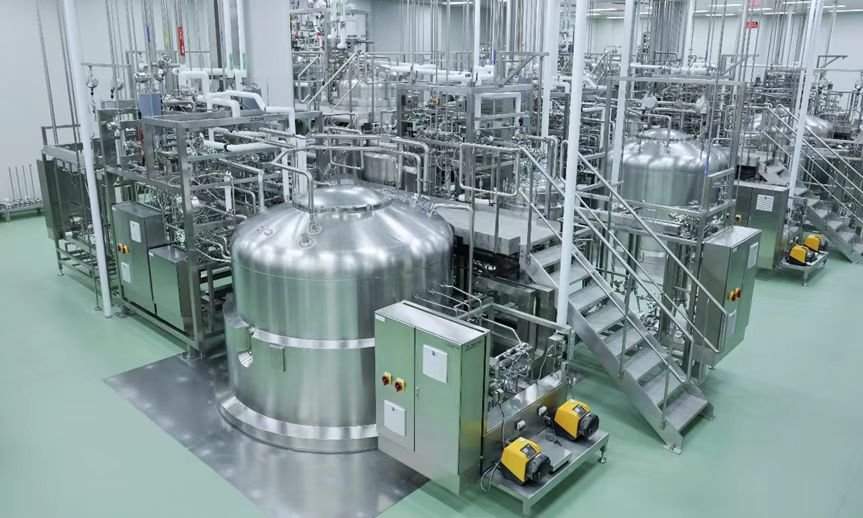
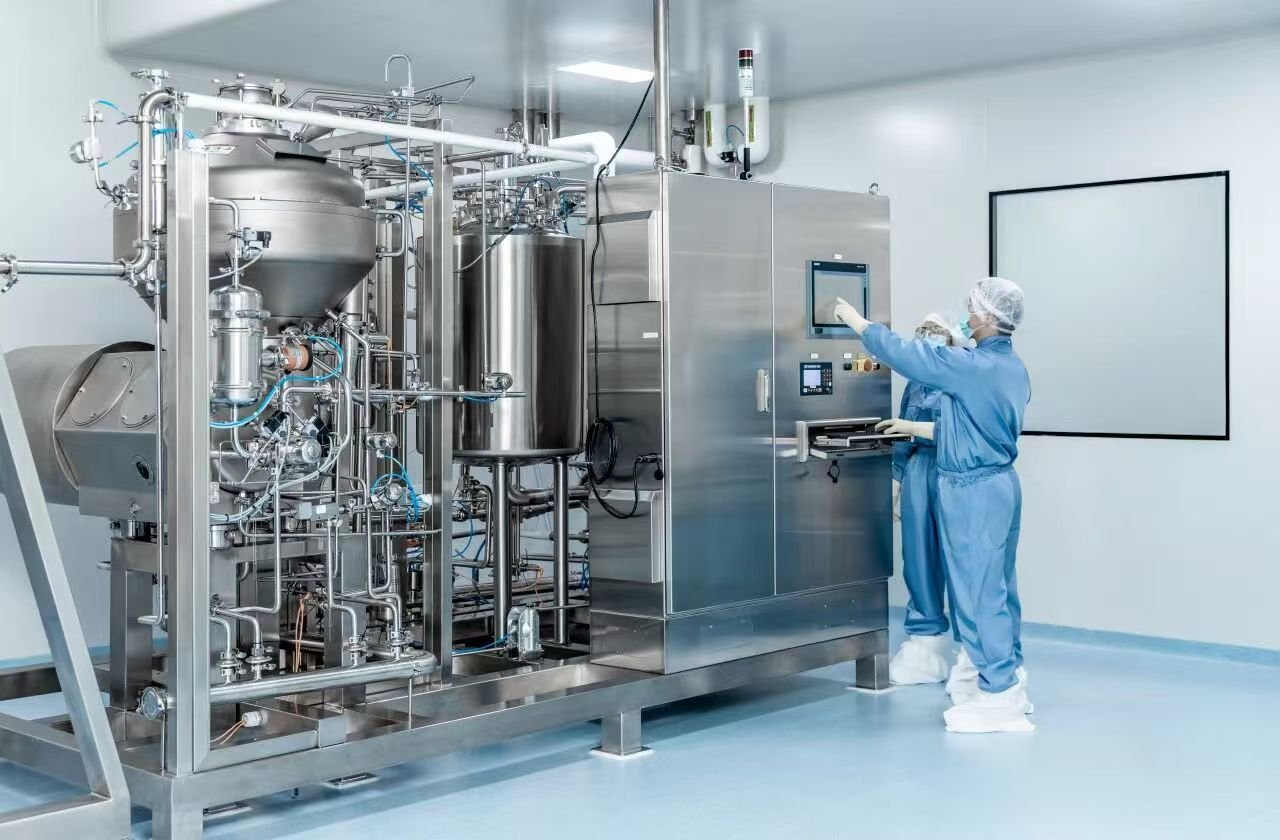
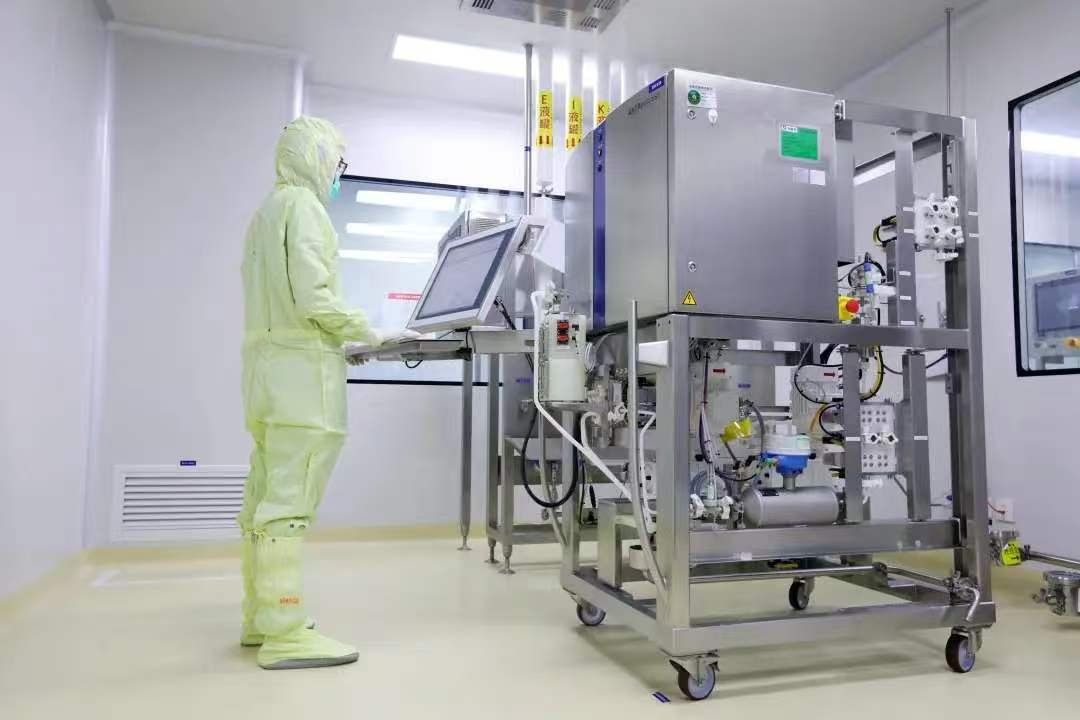
Maintaining a classified clean and aseptic production environment is the foundation of endotoxin control. Implement regular thorough cleaning and disinfection, and enforce strict standard operating procedures (SOPs) to restrict bacterial transmission and growth, fundamentally lowering endotoxin risks.
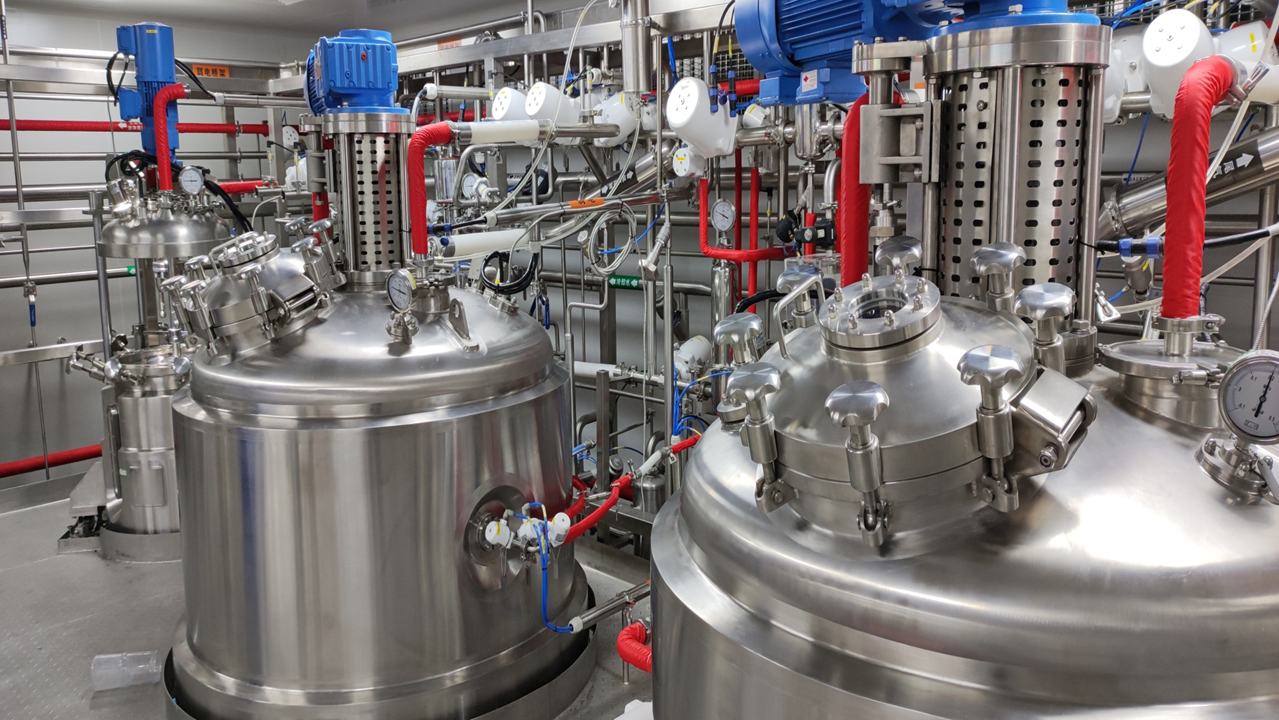
Eliminate exogenous endotoxin contamination at the source by ensuring that all equipment, containers, storage bags, raw and auxiliary materials, and consumables in direct contact with samples are endotoxin-free. For instance, soaking or performing CIP (Clean-in-Place) on production pipelines, valves and chromatography columns with 0.5–1 mol/L NaOH for over 1 hour can effectively remove endotoxins. High-temperature treatment is widely applied to eliminate endotoxins in glass and stainless steel containers. Aseptic operation and controlled cleanliness classification of operating areas are also effective means to prevent exogenous endotoxin contamination.
3. Optimization and Real-time Monitoring of Bioprocesses
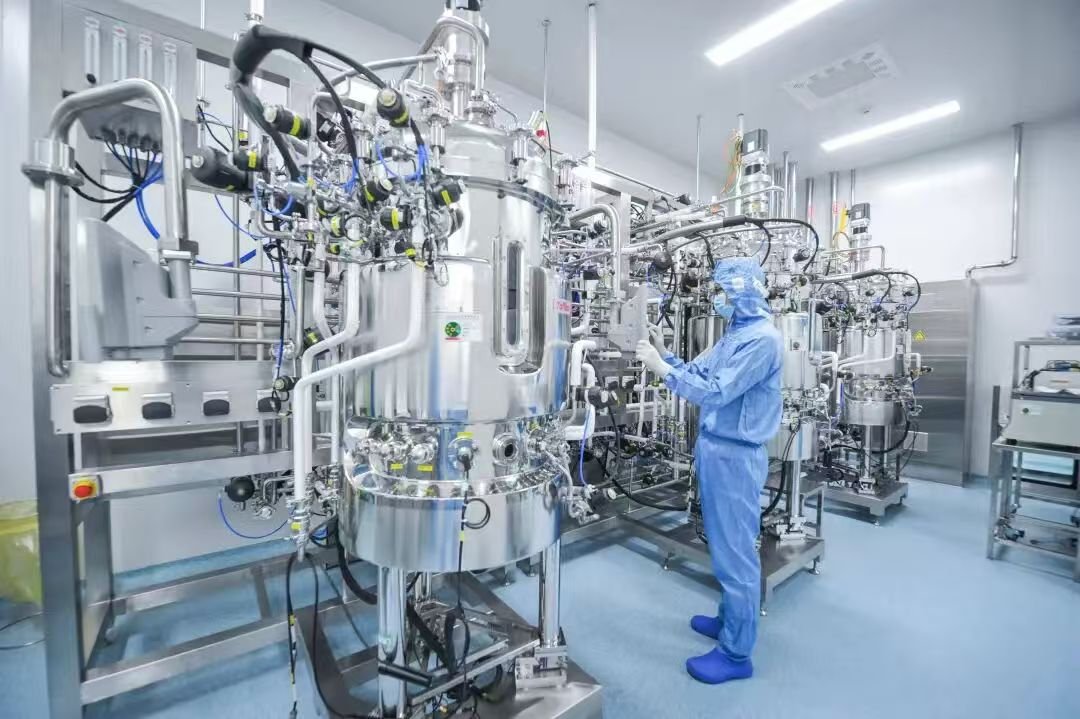
Optimizing bioprocess parameters is critical to inhibiting endotoxin formation. Adjust cell culture and fermentation conditions such as temperature, pH value and oxygen supply to regulate bacterial growth and metabolism. Real-time monitoring of bacterial proliferation and endotoxin levels, combined with timely adjustment of production parameters, helps minimize endotoxin risks.
4. Cell Line Selection and Genetic Engineering Modification
Appropriate cell line selection is essential for endotoxin control. Certain cell lines such as CHO cells are inherently low in endotoxin production. In addition, genetic engineering technology can be adopted to reduce the capacity of host bacteria to generate endotoxins. Continuous R&D and upgrading of engineered cell lines to inhibit endotoxin synthesis remain a key research direction.
5. Optimization of Purification and Separation Processes
In the purification stage, high-efficiency separation and purification technologies including ion exchange chromatography, hydrophobic interaction chromatography, size-exclusion chromatography and mixed-mode chromatography can effectively remove bacteria and endotoxins. Gradual purification procedures reduce endotoxin residues and improve the quality and safety of finished products.
From the perspective of process economy and lean production, the removal of endogenous pyrogens is normally integrated with impurity removal and product refining processes. Independent targeted endotoxin removal steps are avoided to prevent increased production costs and process complexity.
6. Testing and Validation of Finished Products
Pyrogen and bacterial endotoxin levels in finished products are the cumulative result of all production links. Most biological products cannot withstand terminal sterilization due to thermal instability. Therefore, endotoxin detection and control must be implemented throughout the entire production workflow. Endotoxin testing shall be conducted on finished products to ensure compliance with relevant regulatory standards. Meanwhile, product stability and batch consistency shall be evaluated to maintain qualified endotoxin levels throughout the product shelf life.
7. Systematic Risk Assessment and Management
Establish a systematic endotoxin risk assessment and management system. Identify potential endotoxin hazards according to different production workflows and product categories, and formulate targeted control measures. Conduct regular reassessment to ensure the effectiveness and adaptability of endotoxin control strategies.
Conclusion
Endotoxin control is a core procedure in the manufacturing of biological products, which is directly related to product quality, efficacy and clinical safety. Endotoxin risks can be comprehensively controlled through strict raw material screening, standardized production environment management, bioprocess optimization, cell line selection and engineering modification, purification process upgrading, as well as full-process testing and systematic risk management.
As a leading process-oriented engineering company, Sino Bioengineering delivers professional bioengineering solutions and comprehensive technical services to clients worldwide.
For more products and solutions: https://sinobioengg.com/category/solution/
For more service: https://sinobioengg.com/category/service/