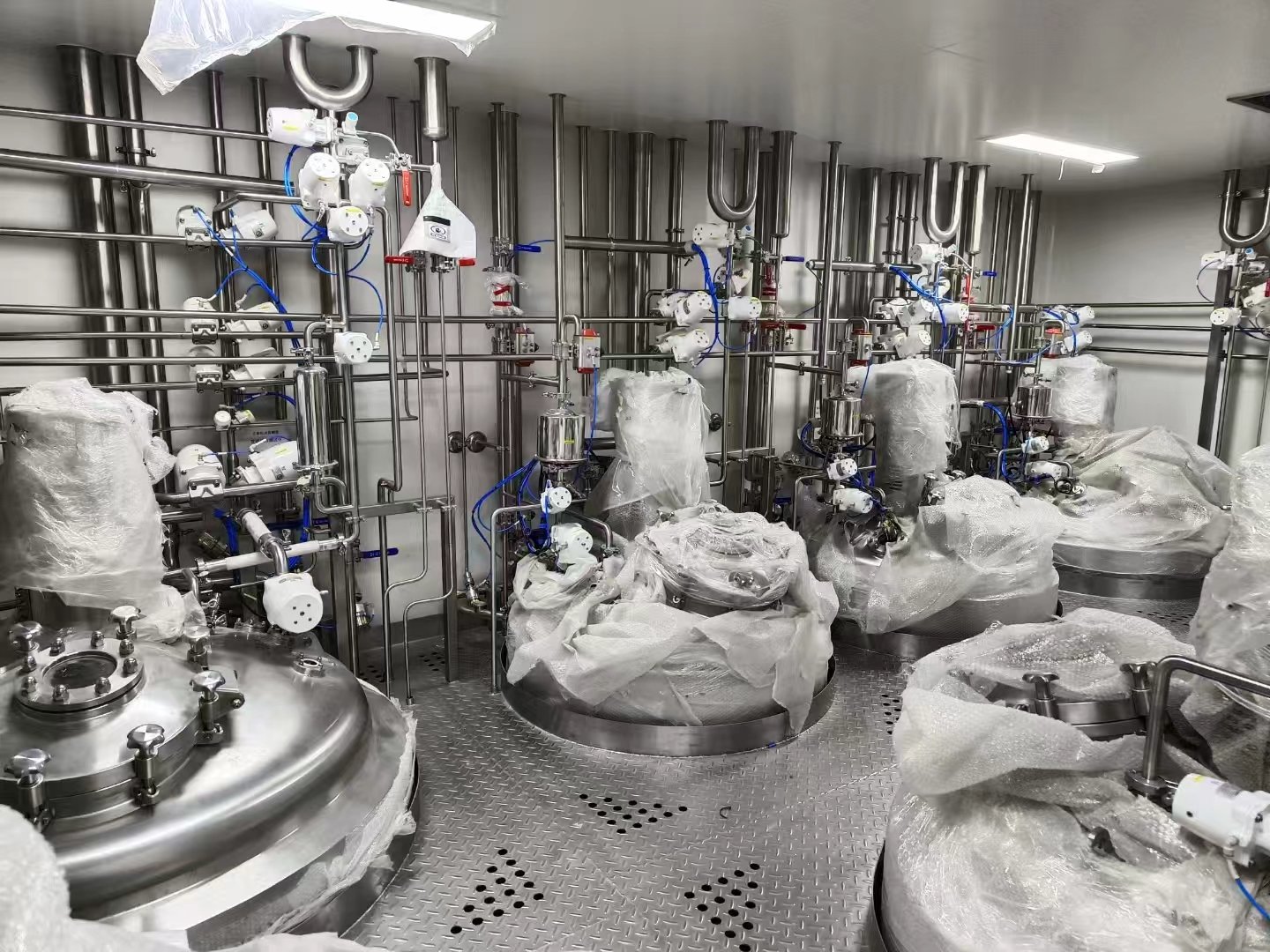
Among various heterologous protein expression systems and culture modes, large-scale mammalian cell culture has long been the mainstream technology for the industrial production of therapeutic antibody drugs. Chinese Hamster Ovary (CHO) cells serve as the predominant host for manufacturing therapeutic monoclonal antibodies (mAbs). Notably, all therapeutic antibody drugs approved for marketing since 2016 have been produced using CHO cells. Nevertheless, CHO cell metabolism remains far from optimal in the prevailing fed-batch culture processes. The development of corresponding culture technologies relies on extensive professional expertise, as well as continuous process optimization and in-process monitoring.
A primary contributor to this suboptimal metabolic state is the generation and accumulation of cytotoxic and growth-inhibitory metabolites during cultivation. Lactic acid and ammonia are the most representative inhibitory byproducts. This article systematically reviews lactic acid metabolism in CHO cells during fed-batch culture, covering the production and consumption of lactic acid, mechanisms underlying lactic acid metabolic shift, relevant influencing factors, regulatory strategies, and the applications of these findings in process development.
1 Growth Characteristics and Glucose Metabolism of CHO Cells in Fed-Batch Culture
Metabolism of in vitro cultured CHO cells is typically inefficient and suboptimal. These cells rapidly uptake glucose, glutamine and other substrates from the culture medium as carbon and nitrogen sources.
Glucose, the major carbon source, is phosphorylated into glucose-6-phosphate (G6P) upon cellular uptake. It subsequently undergoes glycolysis to generate adenosine triphosphate (ATP), nicotinamide adenine dinucleotide (NADH) and pyruvate. Pyruvate can be fully oxidized via the tricarboxylic acid (TCA) cycle into carbon dioxide and water to yield substantial energy for cellular activities. Alternatively, it can be converted into lactic acid by lactate dehydrogenase A (LDHA), accompanied by the oxidation of NADH. Approximately 35% to 70% of consumed glucose is converted into lactic acid and other metabolic wastes, which impose varying degrees of adverse impacts on cell culture performance.
The growth cycle of CHO cells in fed-batch culture is generally divided into three phases: the exponential growth phase with a sharp increase in cell density, the stationary phase with stable cell density, and the apoptotic phase featuring continuous declines in cell density and cell viability.
Cell metabolism undergoes pronounced changes across different growth phases. Among these metabolic alterations, the shift from lactic acid production to consumption stands out as a critical event that profoundly affects fed-batch culture. This metabolic transition is closely correlated with prolonged culture duration and elevated final product titers.
2 Lactic Acid Metabolism and Metabolic Shift of CHO Cells in Fed-Batch Culture
Lactic acid is one of the major cytotoxic metabolites identified in CHO cell culture. Its accumulation acidifies the culture environment. To maintain pH stability, alkaline reagents are routinely supplemented, which in turn elevates osmotic pressure. Excessive osmotic stress inhibits cell growth, induces apoptosis, reduces the productivity of recombinant therapeutic products, and may even compromise the quality of antibody products in certain cases.
Lactic acid metabolism in fed-batch culture generally proceeds in two distinct phases:
During rapid cell proliferation in the exponential phase, glucose undergoes incomplete oxidation to meet the high demand for ATP and fatty acids required for cell division. Rapid glucose consumption is coupled with massive lactic acid accumulation.
As cells transition from rapid proliferation to the stationary phase, lactic acid shifts from net production to net consumption. This metabolic transition is widely regarded as an indicator of improved metabolic efficiency in fed-batch culture.
A strong positive correlation has been observed between high target protein expression levels and the lactic acid metabolic shift in the mid-to-late culture stage. The lack of effective strategies to regulate this metabolic transition is a major cause of increased process variability. An in-depth understanding of lactic acid metabolism provides essential guidance for the development of mammalian cell-based bioprocesses. Multiple external conditions can trigger the metabolic shift, including abrupt arrest of cell proliferation, reduced glycolytic flux, and elevated extracellular lactic acid concentration.
3 Influencing Factors and Regulatory Strategies for Lactic Acid Metabolism and Metabolic Shift
Numerous factors modulate cellular metabolism in fed-batch culture, and corresponding regulatory approaches cover genetic intervention, medium composition optimization, feeding strategies, and physicochemical parameters of the culture environment.
3.1 Genetic-level Intervention
Genetic intervention targeting lactic acid metabolism in mammalian cells refers to the modification of key enzymes in metabolic pathways via genetic engineering. This approach is developed based on metabolic flux analysis, transcriptomics and metabolomics data, aiming to construct host cell lines with improved metabolic profiles.
Transcriptomic and metabolic flux studies demonstrate that the expression of energy metabolism-related enzymes is downregulated during the metabolic shift, yet this change alone cannot initiate the transition. High extracellular lactic acid inhibits the activity of phosphofructokinase, a key enzyme in glycolysis, thereby reducing glycolytic flux and facilitating the conversion of lactic acid back to pyruvate. In the late culture stage, transcriptional levels of the AKT1 and P53 signaling pathways, which regulate glycolytic activity, also change significantly.
Traditional cell engineering strategies for modulating lactic acid metabolism primarily focus on regulating endogenous genes of host cells:
Downregulating lactate dehydrogenase expression to promote pyruvate transport into mitochondria;
Modulating cellular transporters to alter the utilization of glucose or alternative carbon sources;
Partially silencing the LDHA gene to reduce lactic acid production and glucose consumption, so as to improve cell growth;
Co-regulating the activities of lactate dehydrogenase and glycerol-3-phosphate dehydrogenase to enhance cell growth and protein expression;
Enhancing pyruvate dehydrogenase kinase activity to mitigate lactic acid accumulation and boost antibody titers.
In recent years, heterologous gene expression has been explored to remodel lactic acid metabolism. For instance, recombinant yeast pyruvate carboxylase 2 (PYC2) is a widely studied target.
Studies have shown that CHO cell clones stably expressing exogenous PYC2 exhibit a robust and systematic shift toward lactic acid consumption during culture. This modification effectively extends the exponential growth phase, increases peak cell density, and ultimately raises antibody yields. Even under high-glucose conditions, PYC2-expressing CHO cells maintain efficient metabolic performance in fed-batch culture. This eliminates the necessity of maintaining extremely low glucose concentrations to prevent lactic acid buildup, and further alleviates the potential adverse effects of low glucose levels on antibody glycosylation.
Introduction of the human pyruvate carboxylase (hPC) gene into DG44 cells also reduces lactic acid production. In addition, anti-apoptotic genes can substantially remodel lactic acid metabolism in CHO cells, trigger the shift to lactic acid consumption, and increase final antibody titers.
3.2 Culture Medium Composition and Feeding Strategies
Serum-free media for CHO cell culture are typically rich in glucose and glutamine, which are essential substrates supporting rapid cell growth. Consistent with the metabolic characteristics of immortalized cell lines, glucose is preferentially incompletely oxidized into lactic acid rather than fully degraded into carbon dioxide and water, even under sufficient oxygen supply.
Alternative carbon sources with slower metabolic rates can replace glucose and glutamine in culture media to alleviate lactic acid accumulation. Common alternatives include fructose, maltose and galactose for glucose, and glutamate for glutamine.
For cell clones prone to severe lactic acid buildup, multiple strategies are applicable: maintaining glucose concentration below 0.2 mM, or implementing pH-feedback controlled glucose feeding. Moreover, supplementation of copper sulfate in the medium can effectively relieve lactic acid accumulation, especially under glucose-overload conditions.
Rational, timely and safe feeding strategies are critical for successful cultivation. Different cell lines, or even clones derived from the same parent cell line, possess distinct metabolic characteristics and require customized feeding protocols. From the perspective of lactic acid metabolism, feeding strategies can be designed to impose metabolic restrictions such as limited carbon source supplementation. Real-time and online monitoring of cellular metabolism and nutrient consumption can also guide dynamic feeding adjustment. For cultures using ActiPro as the basal medium, clones with low specific productivity (Qp) show better performance in cell growth, metabolism and product expression when supplemented with reduced dosages of Cellboost 7a/7b.
3.3 Temperature Shift Strategy
Culture temperature is one of the most critical and easily controllable process parameters for cell culture, compared with pH, dissolved oxygen and partial pressure of carbon dioxide (pCO₂). Temperature shift (TS) is a widely adopted strategy in industrial fed-batch culture of CHO cells.
In general, cells are cultured at approximately 37 °C during the exponential phase to accelerate proliferation and reach the target cell density for protein production. When cells enter the late exponential phase and the protein production stationary phase, the culture temperature is lowered. Reduced temperature arrests cells at the G1 phase, lowers apoptosis rate, prolongs the maintenance of high viable cell density, and consequently increases product yield.
Lactic acid metabolism is highly sensitive to temperature changes, and temperature shift is recognized as one of the triggers for the transition from lactic acid production to consumption.
Practical process development reveals that the lactic acid consumption rate increases with the elevation of lowered culture temperature. When the post-shift temperature is higher than 34 °C, the lactic acid metabolic shift occurs earlier with a lower peak lactic acid concentration. In contrast, temperatures below 33 °C lead to a higher lactic acid peak and delayed metabolic transition. Therefore, temperature adjustment must take lactic acid metabolism into full consideration.
Furthermore, temperature shift exerts impacts on critical quality attributes (CQAs) of antibodies, including aggregates, charge variants, N-glycosylation and host cell protein residuals. Process development must balance product titer and product quality. The effects of temperature regulation on cell growth, metabolism, protein expression and product quality are cell line-specific. Hence, targeted optimization is required for individual clones, including determination of the timing for temperature reduction, temperature drop range, and selection between stepwise and one-step cooling modes.
Ideally, pH remains stable throughout the culture process without the need for acid or alkali addition. In practice, however, lactic acid production inevitably lowers culture pH. Excessively low pH inhibits cell proliferation, so alkaline reagents are added for pH adjustment, which usually results in elevated osmotic pressure caused by improper pH control.
The minimum tolerable pH for mammalian cell culture varies by cell clone, generally ranging from 6.6 to 6.8. Most bioprocesses start at a relatively high pH, followed by a gradual pH decrease during cultivation. Yet the rate of pH decline is often insufficient to prevent lactic acid accumulation.
Within the viable pH range for cell growth, a slightly higher pH correlates with faster cellular metabolic rates. Accordingly, some processes operate at a relatively low pH to restrict lactic acid production at the cost of reduced cell proliferation.
Since pH is also closely associated with antibody quality, both lactic acid metabolism and product quality need to be addressed simultaneously. To date, no universal pH control protocol has been established for fed-batch culture.
3.5 Partial Pressure of Carbon Dioxide (pCO₂)
Lactic acid production tends to increase with the scale-up of bioreactors, and the metabolic shift toward lactic acid consumption is weakened or even completely absent in large-scale cultures. This phenomenon is likely attributed to differences in gas exchange efficiency across bioreactor scales: small-scale bioreactors remove carbon dioxide far more efficiently than large-scale ones. Accumulating evidence indicates that pCO₂ profoundly influences lactic acid metabolism.
Studies have demonstrated that lactic acid switches from production to consumption when pCO₂ is controlled at 12.5% in fed-batch culture. When pCO₂ rises to 20%, lactic acid is continuously generated throughout the entire culture period.
The effects of pCO₂ on cellular metabolism differ markedly before and after the lactic acid metabolic shift. Prior to the shift, elevated pCO₂ reduces the specific oxygen uptake rate of cells, indicating weakened oxidative capacity and sustained lactic acid production. After the shift, the average oxygen consumption rate and cell growth rate show no significant differences across varying pCO₂ levels. Nevertheless, cultures under lower pCO₂ consume less glucose, and cells are more inclined to catabolize lactic acid and ammonia.
Current evidence suggests that pre-shift metabolic discrepancies induced by different pCO₂ levels are the primary cause of divergent lactic acid profiles, while post-shift metabolic variations are partially the consequence of altered lactic acid metabolism. Variations in pH curves under different pCO₂ conditions are marginal, but osmotic pressure can differ drastically. Higher pCO₂ leads to increased osmotic pressure, which further disturbs cellular metabolism.
The exact mechanism underlying pCO₂-mediated regulation of lactic acid metabolism remains to be fully elucidated. It is hypothesized that CO₂/HCO₃⁻ participates in the modulation of enzymatic reactions. Reducing CO₂/HCO₃⁻ concentration can promote the transition to lactic acid consumption, offering a viable solution to lactic acid accumulation in large-scale fed-batch and perfusion cultures.
This article elaborates on lactic acid metabolism and related metabolic shifts in CHO cells during fed-batch culture for recombinant protein and monoclonal antibody production, as well as corresponding influencing factors and regulatory approaches. It aims to provide theoretical references at the cellular metabolic level for the development and optimization of fed-batch culture processes.