1 Development History of Serum-Free Media
Driven by the expanding scale, higher efficiency and stricter biosafety requirements for animal cell culture in the biopharmaceutical industry and fundamental life science research, the research and development of serum-free media (SFM) has become a key topic in cell engineering. Animal cell culture media have a development history of over 60 years. Classical Media (CM) refer to traditional formulations launched in the 1950s and 1960s, including MEM, M199, DMEM, RPMI 1640 and DMEM/F12. Such media are conventionally supplemented with approximately 10% bovine serum for cell culture.
Nevertheless, bovine serum features complex compositions and significant batch-to-batch variations, and carries risks of exogenous contamination during culture. Accordingly, researchers have long devoted efforts to developing serum replacements and serum-free culture systems.
The evolution of serum-free media has gone through four successive stages: serum-free media, animal component-free media, protein-free media and chemically defined media. This progression has gradually simplified and clarified medium compositions, further strengthened the advantages of eliminating exogenous contamination, and facilitated the extensive application and advancement of serum-free media in bioproduction and life science research.
1.1 Serum-Free Medium (SFM)
Serum-free media are formulated without animal serum. To sustain cell growth, various animal and plant-derived proteins are added to replace the biological functions of serum. However, the undefined chemical compositions of these supplements pose adverse impacts on downstream processing.
1.2 Animal Component-Free Medium (ACFM)
In this type of medium, animal-derived proteins are substituted with protein hydrolysates, recombinant proteins or other chemical compounds to support cell growth and proliferation. It effectively eliminates risks associated with animal-derived raw materials and reduces production costs, yet generally results in relatively low culture productivity.
1.3 Protein-Free Medium (PFM)
Protein-free media contain neither serum nor animal-derived proteins, but may still incorporate plant protein hydrolysates (e.g. soybean hydrolysates) or synthetic polypeptides and their derivatives. With extremely low protein content, these media feature relatively defined compositions and facilitate downstream separation and purification of recombinant products. Their main limitations lie in the instability of hydrolysate components and poor universality, which necessitates targeted optimization for specific cell lines.
1.4 Chemically Defined Medium (CDM)
Chemically defined media are completely free of serum, animal proteins and plant hydrolysates, with all components having fully defined chemical structures and concentrations. They exhibit minimal batch-to-batch differences, ensuring excellent process reproducibility and lowering purification costs. The well-characterized compositions also support in-depth research on cellular metabolism and regulation. Currently, CDM has become the mainstream choice for industrial production of monoclonal antibodies (mAbs) and recombinant proteins, representing the safest and most ideal form of serum-free cell culture media.
2 Optimization of Serum-Free Media
2.1 Optimization Strategies
Three major approaches are commonly adopted to optimize the components of serum-free media: culture process analysis, molecular biotechnology and statistical design.
Culture process analysis: Monitors dynamic changes in concentrations of nutrients and metabolic byproducts throughout cultivation to characterize cellular metabolic profiles.
Molecular biotechnology: Tracks cellular alterations at the molecular level during culture, enabling accurate prediction of cell growth and metabolic status.
Statistical design: Applies statistical tools for medium formulation optimization and data analysis, so as to evaluate multiple factors with fewer experimental runs.
2.2 Design of Experiment (DOE) in Medium Development and Optimization
Design of Experiment (DOE) is a mathematical and statistical methodology for experimental planning and data analysis. Its core advantages include simultaneous evaluation of multiple medium components and their interactions, reduction of unnecessary experimental workload, and characterization of complex interrelationships among medium ingredients.
The DOE-based optimization of cell culture media consists of three key phases:
Screening: Preliminary screening is performed based on existing commercial media to identify key component groups and conduct initial optimization. The One Factor at a Time (OFAT) method is conventionally used for preliminary troubleshooting, while the Plackett-Burman design is also widely applied to screen dominant influencing factors from a large number of candidates.
Optimization: Targeted optimization is carried out on the key components identified in the screening stage, covering basal media, feed media and additives. Response Surface Methodology (RSM), including Central Composite Design and Box-Behnken Design, is employed to determine the optimal conditions for multi-factor systems.
Validation: Scale-up verification is conducted for the finalized medium. Cell growth indicators and antibody expression levels are compared between cultures using the optimized medium and conventional/commercial serum-free media.
3 Applications of Serum-Free Media
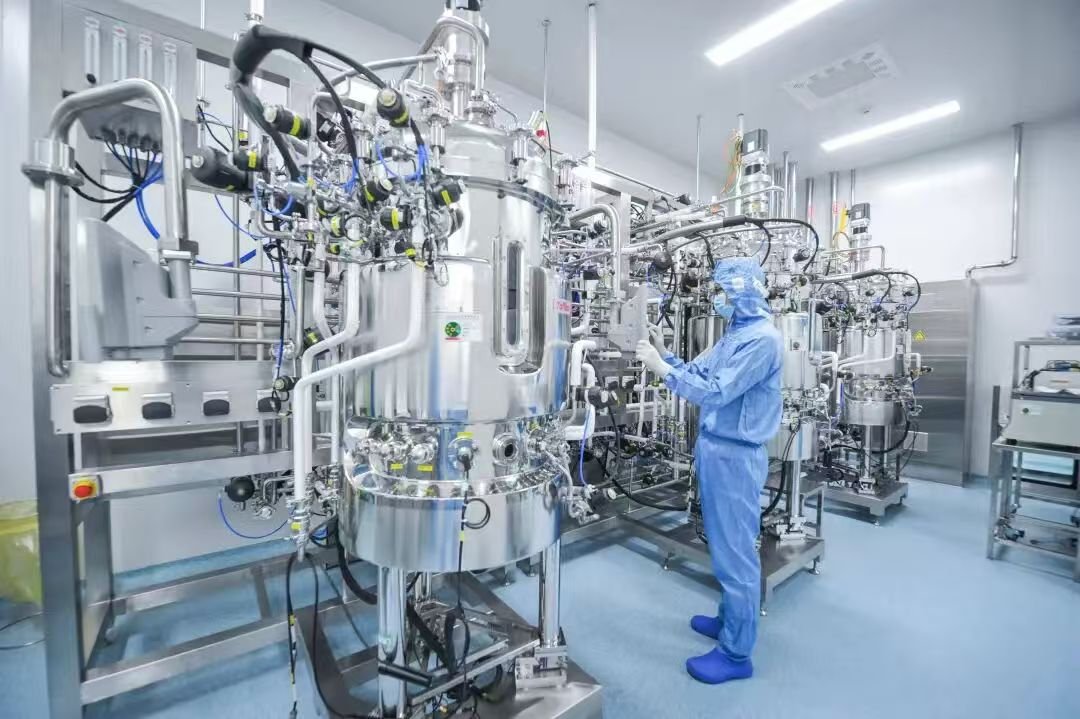
Animal cell culture serves as the core technology for biopharmaceutical manufacturing, and cell culture media are fundamental raw materials that determine production performance. At present, cell culture media are widely applied in the production of various biologics, including recombinant proteins, monoclonal antibodies, vaccines and viral vectors for gene therapy.
3.1 Application in Culture Platforms for Monoclonal Antibodies and Recombinant Proteins
Chinese Hamster Ovary (CHO) cells have become the preferred host cells for manufacturing therapeutic proteins and monoclonal antibodies requiring complex post-translational modifications, accounting for over 70% of all animal cell-derived biopharmaceutical products. Chemically defined media combined with dedicated feeds are the predominant choices for mAb production.
For instance, HyClone ActiPro, together with Cell Boost 7a/7b feeds, is a commercially available chemically defined, animal-component-free medium developed based on cellular metabolic pathway analysis for recombinant protein and antibody production in CHO cells. This combination can significantly boost product titers and is compatible with multiple CHO cell lines, including CHO-K1, CHO-DG44 and CHO-S.
3.2 Application in Culture Platforms for Viral Vaccines
Since 2020, the global COVID-19 pandemic has posed severe threats to public health, and viral vaccines have become critical tools for epidemic prevention and control. Traditional vaccine production relies on classical media supplemented with bovine serum, which brings inherent risks due to serum’s complex composition and potential exogenous contamination. Serum-free media effectively resolve these issues.
For large-scale viral vaccine production, the core of serum-free culture lies in developing media adapted to adherent cell characteristics and high-density cultivation. HyClone VaccineXpress is a typical serum-free medium optimized for high-density culture and maintenance of adherent kidney-derived cell lines such as Vero cells. It has been widely used for the production of vaccines against influenza, Zika, poliovirus, dengue fever and respiratory syncytial virus (RSV).
3.3 Application in Viral Vector Production for Cell and Gene Therapy
Human Embryonic Kidney 293 (HEK293) cells are extensively utilized to produce therapeutic biologics, including viral vectors for gene therapy, oncolytic therapeutics, virus-like particle vaccines and viral vector vaccines. Chemically defined serum-free media are the standard choice for HEK293 cell culture in these applications.
3.4 Application in Cell Therapy
Stem cells (SCs) are pluripotent cells with self-renewal capacity and the potential to differentiate into various functional cell types. Serum-free media are the mainstream option for stem cell culture in therapeutic applications, while α-MEM complete medium supplemented with serum is still used for some basic research.
In oncology, dendritic cell (DC)-based tumor vaccines are recognized as a promising strategy for malignant tumor treatment, and serum-free culture completely eliminates the interference caused by serum in DC vaccine preparation. In cellular immunotherapy, serum-free media are also routinely used for the cultivation of CAR-T and CAR-NK cells.