
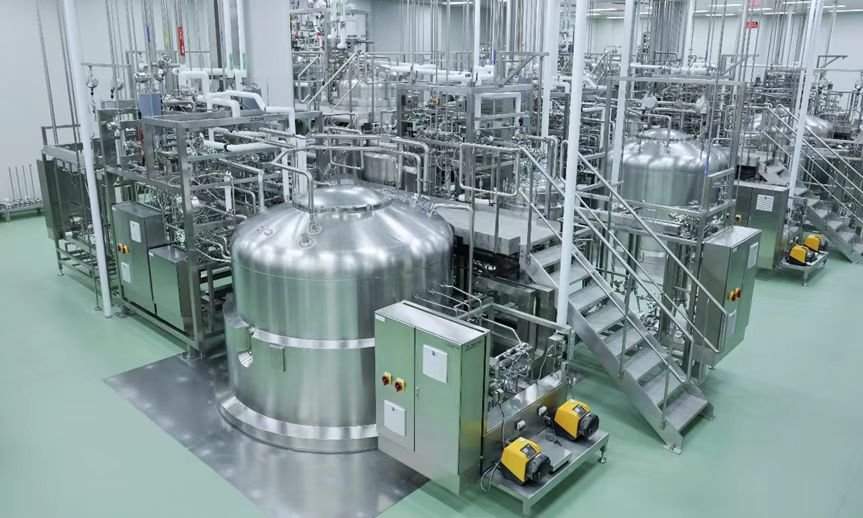

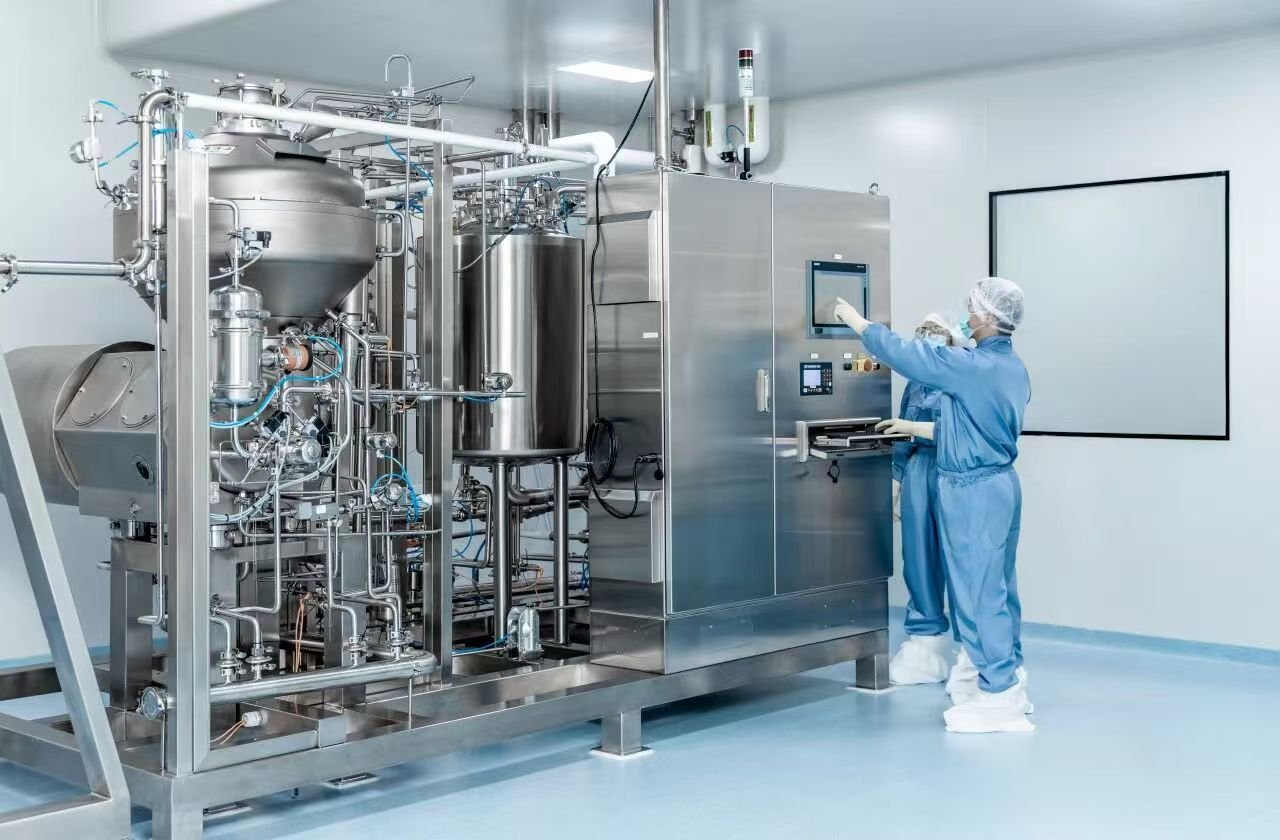
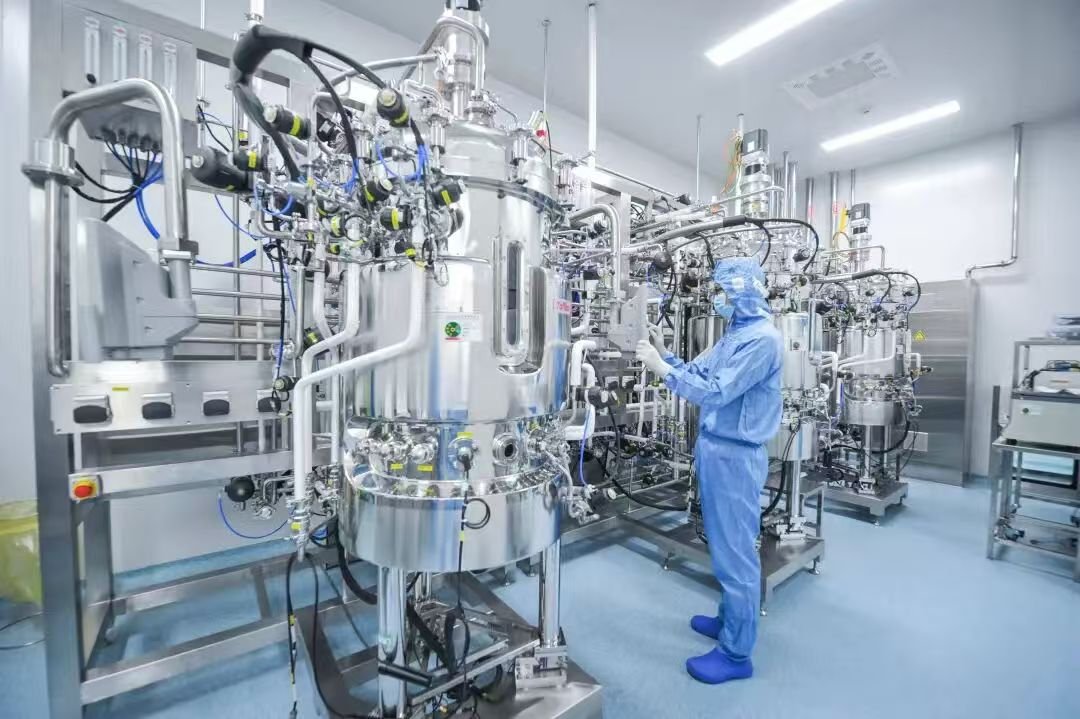
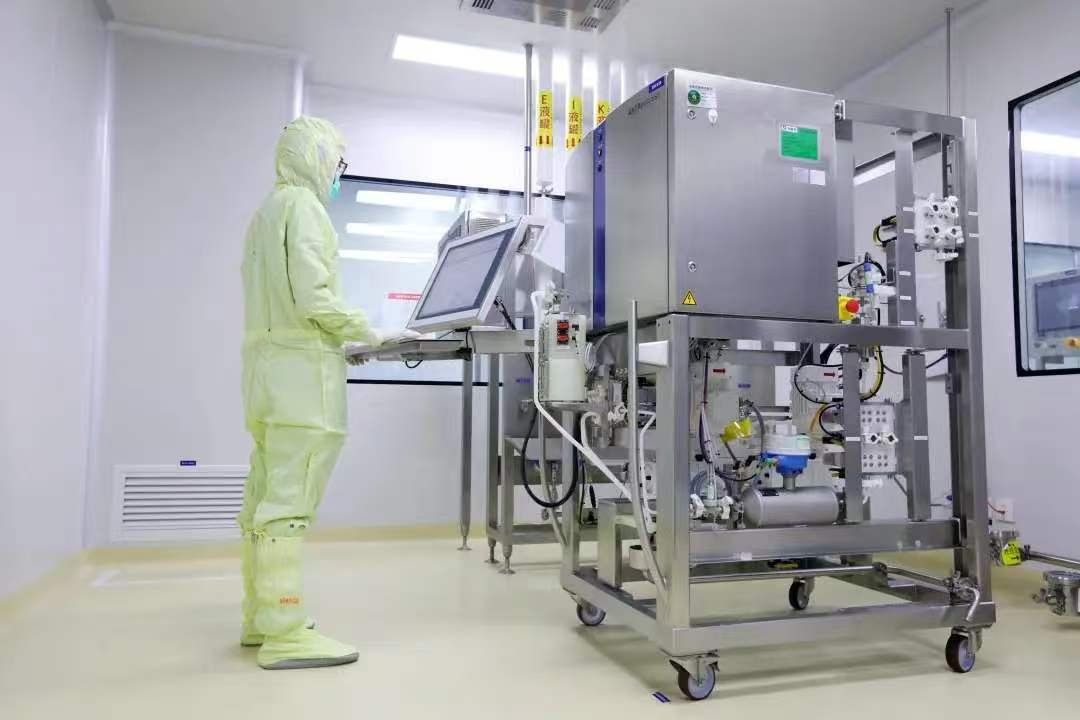
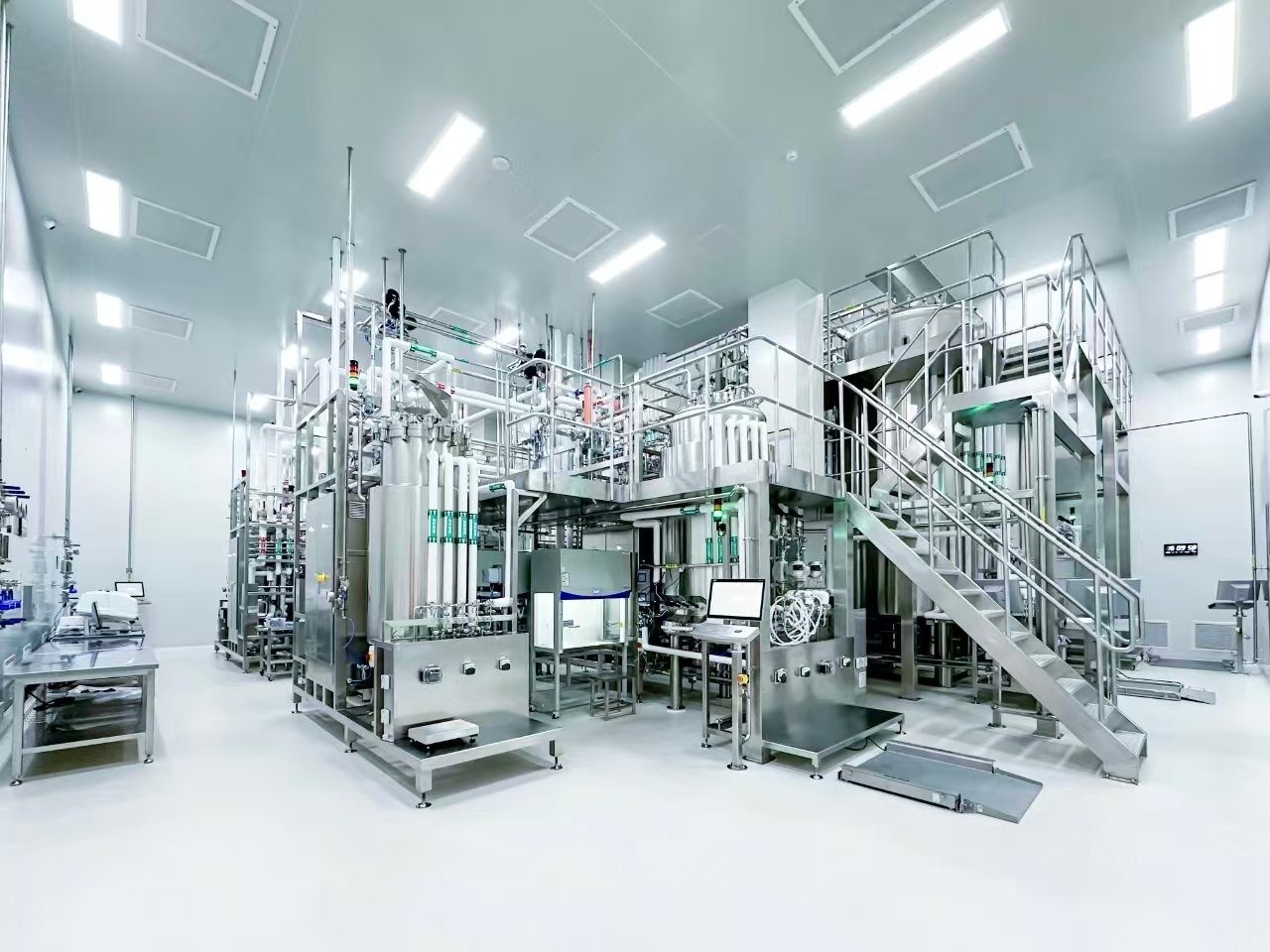
The first biopharmaceutical facilities for large-scale cultivation of recombinant micro-organisms were designed and commissioned decades ago . The relatively meager competitive landscape of the early 1990s, caused in part by patent protection of novel drugs, meant that biopharmaceutical manufacturing facilities were built to produce large volumes of single blockbuster products year after year at considerable cost. At the time, however, the ends, characterized by multi-billion dollar revenues, justified the considerable expenditures required.
Since then, there has been a steady evolution in the design and construction of research, development, and manufacturing facilities borne out of the changing regulatory, technological, and commercial landscape of this industry. The global biopharmaceutical industry of today reflects increased competition through a greater prevalence of large molecule drugs (both innovator and biosimilar) and an expansion in the number of personalised targeted products. These trends have given rise to biopharmaceutical products with limited production runs, highly specific manufacturing requirements, and genotype-specific products.
Although the industry has long focused on finding ways to develop and launch new and innovative therapies in less time and at lower costs, in recent years it has increasingly turned its attention toward improvements not only in process manufacturing technologies, but also in evaluation of the gains that can be made through facility design and construction methodologies.
The key aim of all facility design is to assure manufacturing operations provide a continuously consistent high-quality product. That is, for facility design to be functional, it must first ensure that products being produced meet or exceed the minimum required attributes of product safety, potency, purity, and efficacy. However, to be considered a success, the design and operation must meet both the patient and business needs of satisfying demand requirements at the lowest cost.
A critical driver in achieving consistent product quality is a facility that uses operational excellence to remain in compliance with appropriate regulatory guidelines. Regulatory guidelines provide the basis of Good Manufacturing Practices (cGMPs) and process validation, which define the standards by which facilities are inspected and product approval submissions are made. In biopharmaceutical manufacturing in particular, meeting all business drivers is wholly dependent on compliance with regulatory authorities. Complete knowledge, understanding, and implementation of all the applicable guidelines is required to assure compliance at all times and hence is needed for successful facility design.
The other major consideration of the facility design is cost. The aim is to minimize the initial capital expenditure (CAPEX) required prior to gaining any revenue from manufactured products. CAPEX is a major component of the business resources required to bring a biopharmaceutical facility to fruition. Assets with faster implementation schedules allow for deferral of resources, spending, and an improved cash flow. In terms of biopharmaceutical facilities, the overall cost of manufacturing product can be viewed as a combination of operating and capital costs. With the current cost pressures on the industry, understanding and controlling both is critical.
High utilization rates almost always translate into cost-effective facilities. The aim is to design facilities that are sized properly and have the characteristics and capabilities that allow them to run at a high production rate to achieve business objectives. In the biopharmaceutical industry, flexibility can be a key enabler to improved facility utilization. If a manufacturing facility is flexible, with the capability to quickly and efficiently supply different multiproduct manufacturing requirements, it is far more likely to have a high utilization rate because it can handle a wide variety of the enterprise’s manufacturing requirements. Of equal importance is that a flexible facility can support an emerging product pipeline where individual products may have various probabilities of success. Designing facilities with this level of flexibility protects companies from owning capital assets that require significant capital to reconfigure to support new products in the future. Thus, a facility that can handle multiple phases of manufacturing for several products employing a variety of different processes is more likely to have a high utilization rate. In biopharmaceuticals, the facility must be capable of quickly and efficiently adapting to different multiproduct manufacturing requirements despite process problems and changing product demand.
Finally, the geographical location of the facility is a key business driver that requires consideration as the pharmaceutical industry looks to meet significant unmet medical needs while generating sources of revenue. Many countries require local manufacturing for market access. The result is the need to configure future facilities to be rapidly and efficiently deployable for emerging markets by focusing on optimizing the combination of capital costs, timelines, regulatory considerations, operational drivers, and the design of the process.
In summary, the successful design of a biopharmaceutical facility must account for regulatory, technical, operational, and economic aspects simultaneously. There is unlikely to be an optimal balance among these factors; for instance, the most technically advanced facility addressing all operational and regulatory issues will seldom be the most economical. Conversely, a facility that is designed in the most economical fashion, while adhering to regulatory standards, may rarely be the most operationally efficient. Therefore, the designer and facility sponsor will need to select a solution that reflects the best compromise between these factors. However, one aspect around which there can be no compromise is the facility design adherence to regulatory compliance