
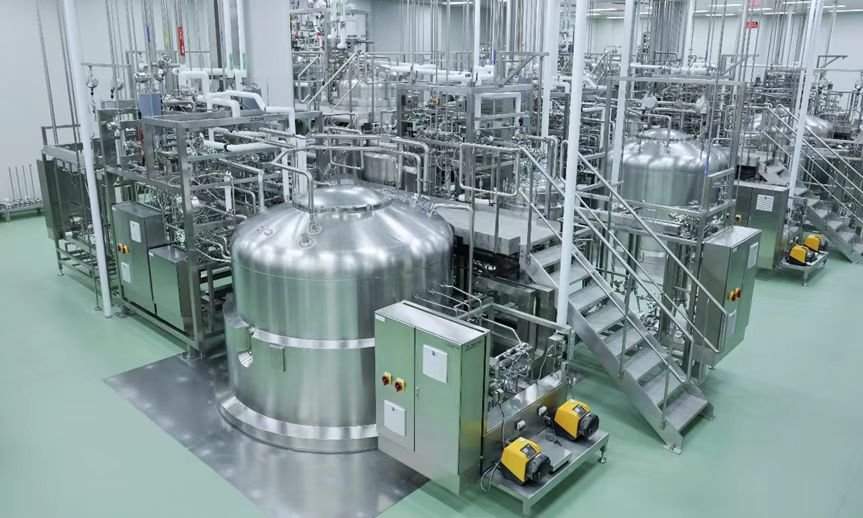
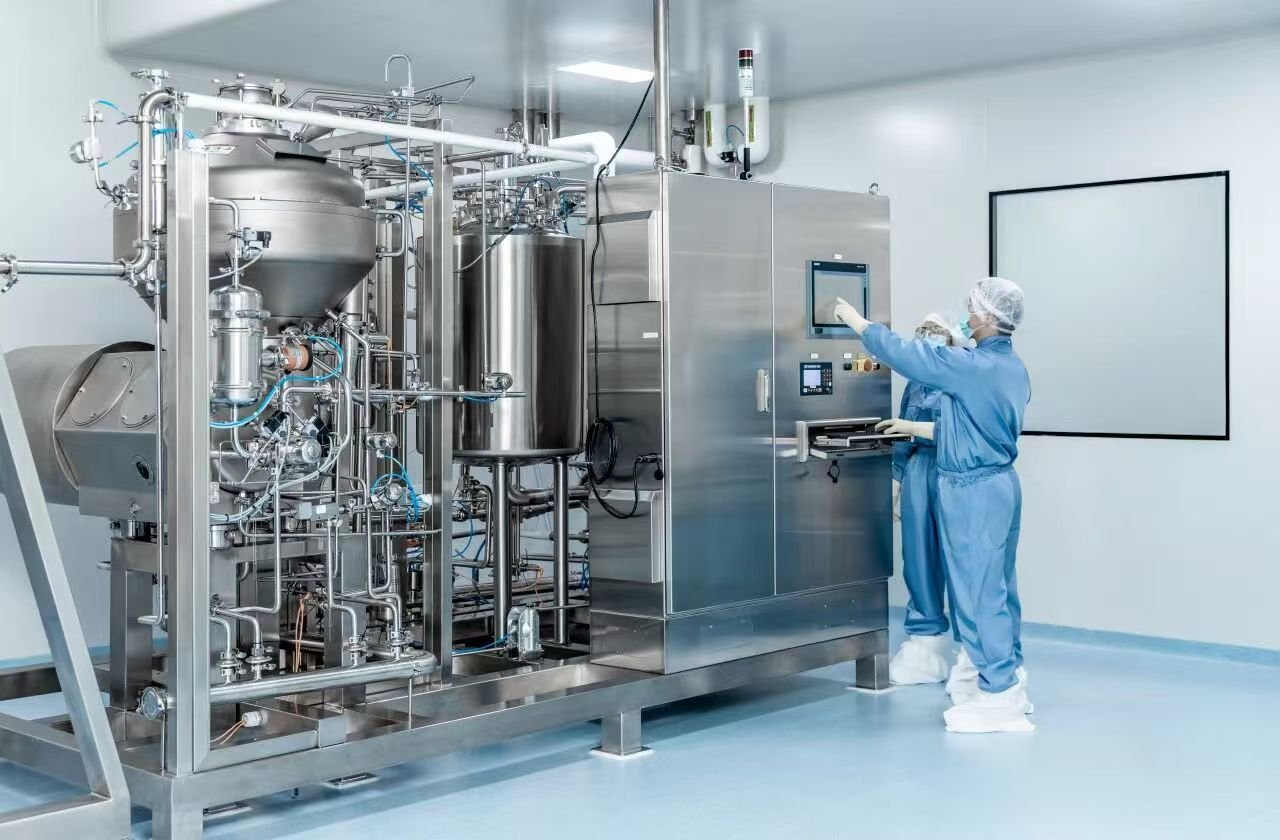
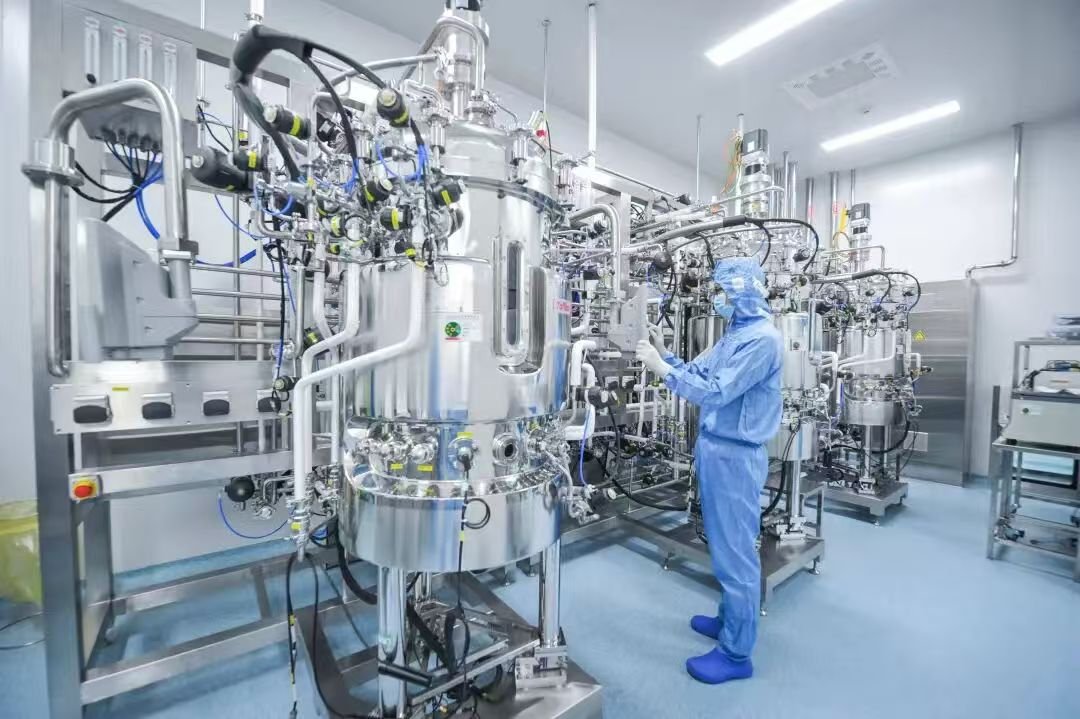
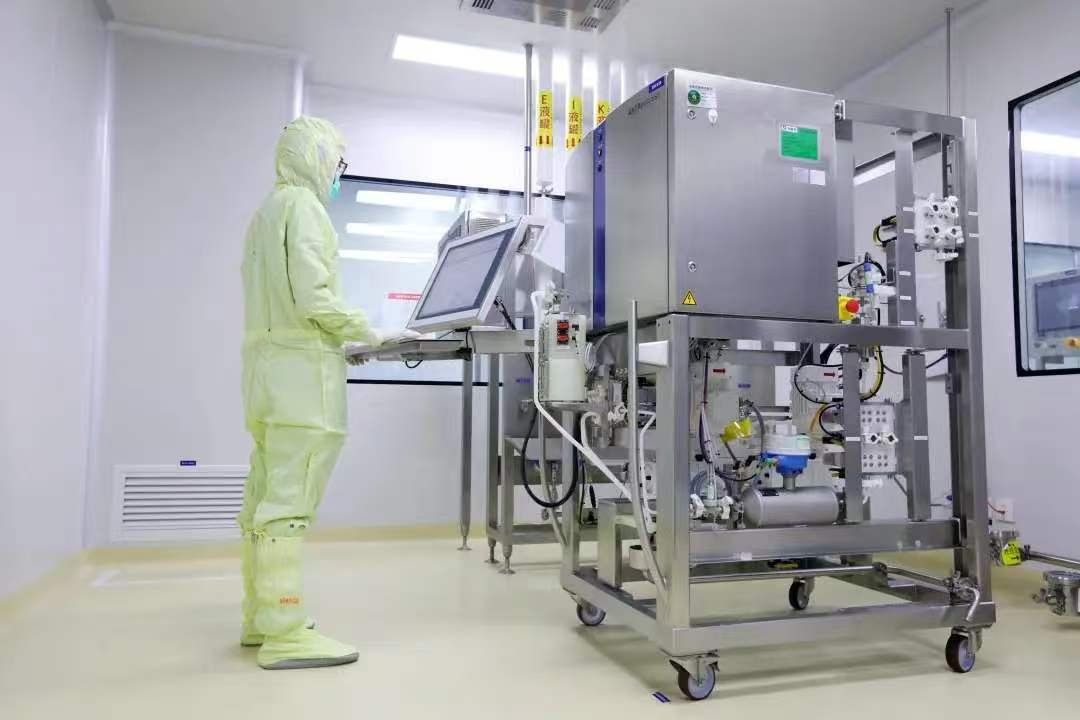
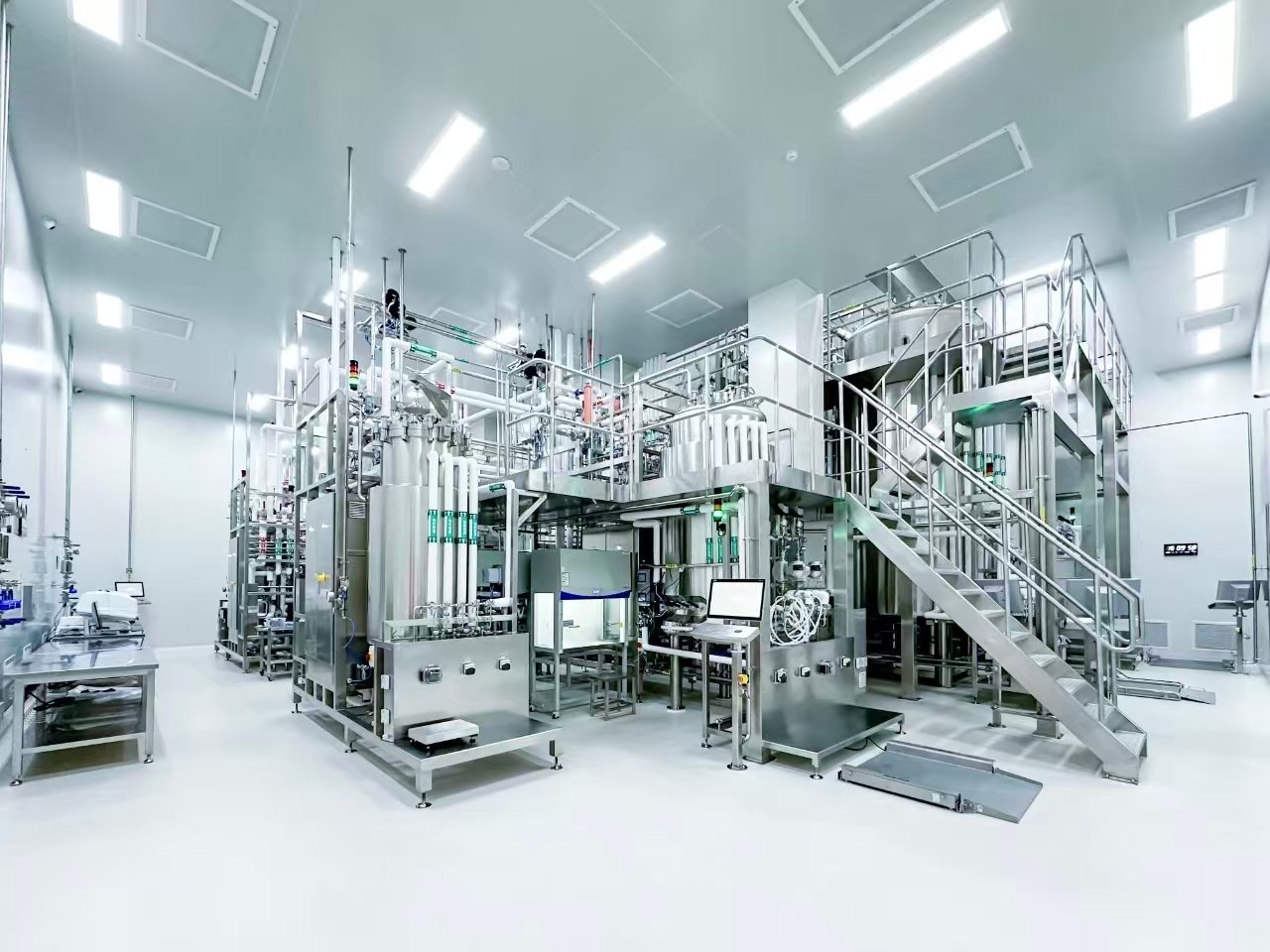
Recombinant protein drugs have become core therapeutic modalities for cancer, autoimmune diseases and infectious diseases. Filtration technologies applied throughout their manufacturing processes are directly correlated with product purity, safety and yield. In biopharmaceutical workflows, filtration operations run through the entire upstream and downstream processes, undertaking critical tasks including cell separation, product concentration, viral clearance and sterile filtration. This article systematically reviews the principles and application strategies of filtration technologies at different stages of recombinant protein production, analyzes key process parameters and solutions to common process challenges, aiming to provide theoretical references for process development in industrialization.
1 Main Stages of Filtration for Recombinant Proteins
Filtration and purification of recombinant proteins constitute a multi-stage progressive precision separation process, designed to remove impurities step by step and guarantee final product characteristics. The workflow starts with cell harvesting and primary clarification. Techniques such as centrifugation, depth filtration or tangential flow filtration (TFF) are adopted for solid-liquid separation in expression systems, effectively eliminating cells, large debris and insoluble aggregates while addressing challenges of high solid content and fluid shear force. The primary clarified liquid then proceeds to secondary clarification, where combined fine-depth filters and 0.45/0.22 μm membrane filtration are applied to remove submicron colloids, residual nucleic acids and host cell proteins (HCP). The introduction of flocculation and precipitation technologies can markedly improve impurity removal efficiency, providing low-turbidity and low-impurity feedstock for downstream chromatography. Intermediate processing between chromatographic steps relies on TFF systems. Based on the molecular weight of the target protein, TFF selects membrane cassettes with appropriate molecular weight cut-off (MWCO). In diafiltration mode, samples are efficiently concentrated with simultaneous buffer exchange, ensuring ionic strength and pH compatibility for subsequent purification steps. Filtration in the final product stage focuses on sterility assurance and formulation stability. Sterile filtration employs integrity-validated 0.22 μm or 0.1 μm sterile-grade membranes to achieve absolute removal of microbial load, with operations strictly following pre-filtration bubble point testing and post-filtration diffusion flow validation.
2 Key Filtration Technologies and Principles
As a core component of downstream purification in the full workflow of recombinant protein production, combined multi-stage filtration technologies realize efficient separation and safety assurance. Depth filtration undertakes the clarification of harvest broth first. Utilizing the three-dimensional network structure of porous filter media such as cellulose and diatomaceous earth, it removes cell debris, colloids and partial impurities through a combined mechanism of mechanical interception, adsorption and inertial impaction, laying a foundation for subsequent precision filtration. Microporous filtration generally adopts a pore size of 0.1–0.65 μm, achieving physical sieving via precise membrane pore size selectivity for further advanced clarification. It also serves as a critical step for sterile filtration, ensuring absolute microbial retention and sterility of intermediate products. In the polishing purification stage, TFF suppresses concentration polarization through high shear force generated by tangential flow across the membrane surface, and efficiently achieves concentration and buffer exchange of target proteins via the size-exclusion sieving mechanism of MWCO membranes. Common geometric configurations of TFF membranes include hollow fiber, spiral-wound and cassette membranes. Viral removal filtration acts as the final safety barrier of the process. Adopting rigid membrane structures with pore sizes of 15–40 nm, it physically retains viral particles based on strict size-exclusion principles and requires rigorous validation to meet regulatory requirements. In addition, nanofiltration features refined separation capability of 1–10 nm. Synergistically combining size sieving and membrane surface charge effects, it selectively removes small-molecule impurities and endotoxins or assists viral clearance, further enhancing product purity. These interconnected technologies jointly build a full-chain filtration system from crude purification to high-safety final products.
3 Key Process Parameters of Filtration
In the downstream processing of recombinant proteins, coordinated control of transmembrane pressure (TMP), tangential flow velocity, temperature, concentration factor (CF) and diafiltration volume (DV) directly determines filtration efficiency and product quality. Excessively high TMP (>2.5 bar) triggers concentration polarization and membrane fouling, resulting in protein deposition and yield loss of 15–30%. Insufficient TMP (<0.8 bar) significantly reduces flux. Moreover, tangential flow velocity should be matched with TMP: a velocity of 2–4 m/s inhibits boundary layer thickening and maintains flux attenuation below 20% per cycle, while shear force exceeding 5 m/s may induce protein aggregation. Temperature regulation is also crucial with dual-sided effects: low temperature of 4–10 °C inhibits protein degradation but increases viscosity by 30–50%, whereas temperatures above 25 °C enhance mass transfer yet accelerate deamidation of recombinant proteins. CF values should generally avoid solubility limit risks; an excessively high CF tends to cause phase separation, while an overly low CF prolongs process duration. Meanwhile, DV optimization is essential: 5–7 DV enables removal of over 99% of impurities in recombinant proteins, while DV exceeding 10 DV increases product adsorption loss and reduces overall yield.
The core performance of recombinant protein filtration processes is synergistically regulated by multi-dimensional key parameters. Beyond the aforementioned kinetic parameters, separation precision parameters form the fundamental framework: depth filters adopt a pore size gradient distribution, with 5–30 μm for primary clarification and 0.5–5 μm for fine clarification; the MWCO of ultrafiltration membranes is typically set at 1/3 to 1/6 of the target protein molecular weight; and sterile-grade membranes feature absolute pore sizes of 0.22 μm or 0.1 μm. Fluid dynamic parameters dominate process stability. Chemical environmental parameters profoundly affect separation selectivity: buffer pH is critical for regulating protein charge state and aggregate formation, while ionic strength modulates impurity adsorption capacity and membrane surface zeta potential. Temperature balances protein stability and viscosity effects, and the dosage of antioxidants and surfactants also requires strict control. Bioburden parameters serve as key risk control indicators, covering initial cell density (OD600), residual host cell protein, nucleic acid load and endotoxin level. These indicators are gradually reduced and controlled by optimizing flocculant dosage and deploying pre-chromatography protective filters.
4 Common Challenges and Solutions
Membrane fouling is the most prevalent and far-reaching core issue in downstream filtration of recombinant proteins. In depth filtration and microfiltration stages, cell debris, host cell proteins, nucleic acids and lipids easily form filter cake layers or block membrane pores, leading to flux decline and elevated operating pressure. A multi-level prevention strategy is therefore required. First, optimize pretreatment to reduce feedstock complexity via pH adjustment, flocculant addition or nuclease treatment. Second, select composite depth filter cartridges tailored to impurity characteristics, such as charge-modified cellulose-diatomaceous earth media, and adopt graded filtration strategies with gradient pore size design. Finally, introduce periodic backwashing or gas-liquid pulse technology to mitigate fouling. In the TFF stage, shear-induced protein denaturation and concentration polarization pose dual challenges. Although high tangential flow velocity alleviates membrane fouling, it may disrupt the spatial structure of macromolecules such as monoclonal antibodies, while the polarization layer drastically reduces mass transfer efficiency. Optimization approaches include selecting low-shear membrane modules such as hollow fiber membranes; implementing dynamic parameter control by initiating operation at low TMP and gradually increasing pressure while maintaining an optimal ratio of tangential flow velocity to TMP; adding surfactants such as polysorbate to protect protein interfacial stability. In addition, staged diafiltration can reduce buffer consumption and improve impurity removal efficiency. For viral clearance filtration and nanofiltration, insufficient process robustness and yield loss are prominent concerns. Viral filters are prone to sharp flux decline due to blockage by protein aggregates and debris, while small-pore nanofiltration membranes may inadvertently retain target proteins. Key countermeasures include placing chromatographic polishing steps upstream to ensure low impurity load, deploying pre-filtration protection to intercept aggregates, selecting high-compatibility membrane materials such as hydrophilic polyvinylidene fluoride (PVDF) membranes and optimizing membrane area redundancy, and dynamically adjusting operating pressure in diafiltration mode to balance viral retention rate and target protein recovery. Furthermore, batch-to-batch consistency across the entire workflow can be addressed through digital monitoring and the Quality by Design (QbD) philosophy. Online turbidimeters and particle counters can be used for real-time clarification efficiency detection, and process analytical technology (PAT) tools such as Raman spectroscopy can track buffer exchange endpoints. Establishing membrane lifespan models to predict replacement cycles and implementing cleaning validation also ensure the compliance of membrane reuse.
Conclusion
Filtration technologies run through the entire manufacturing workflow of recombinant proteins, playing an indispensable role from clarification of initial culture broth to polishing, concentration and final product finishing. This paper systematically discusses the key filtration stages in recombinant protein production, and deeply analyzes the principles and application scenarios of core technologies including depth filtration, membrane filtration, TFF and viral removal filtration. It also emphasizes that precise control of operating parameters such as transmembrane pressure, flow velocity, temperature, CF and DV determines filtration efficiency, product yield and quality. In response to prevalent challenges in filtration processes, including membrane fouling, yield loss, shear-induced protein damage and the complexity of viral validation, corresponding optimization strategies and solutions are summarized, covering pretreatment optimization, scientific selection of membrane materials and pore sizes, dynamic regulation of operating parameters, effective cleaning and regeneration procedures, and rigorous quality control systems. These measures are critical to ensuring process robustness, enhancing product purity and biological activity, and reducing production costs.
As a leading process-oriented engineering company, Sino Bioengineering delivers professional bioengineering solutions and comprehensive technical services to clients worldwide.
For more products and solutions: https://sinobioengg.com/category/solution/
For more service: https://sinobioengg.com/category/service/