


Vaccines represent the most effective public health tool for human prevention and control of infectious diseases. The evolution of vaccine development, ranging from traditional inactivated vaccines and live attenuated vaccines to protein subunit vaccines, and further to the rapidly advanced nucleic acid vaccines in recent years, reflects the continuous progress of molecular biology and biotechnology. As a new generation of genetically engineered vaccines, DNA vaccines and mRNA vaccines have attracted extensive attention due to their flexible design, short research and development cycles, and high production efficiency, and have demonstrated pivotal value particularly during the COVID-19 pandemic. Plasmids play an indispensable role in the research, development and production of both types of vaccines. In DNA vaccines, plasmids act directly as vectors to enter host cells and drive the expression of antigens to induce immune responses. In mRNA vaccines, plasmids primarily serve as templates for in vitro transcription to synthesize high-quality mRNA molecules.
This paper reviews the applications of plasmids in DNA and mRNA vaccines, with a focus on their structural characteristics, application strategies, production processes, and future development directions.
1. Basic Structure of Plasmids
Plasmids are a class of circular double-stranded DNA molecules independent of chromosomal DNA, widely existing in bacteria and some eukaryotes, and possess the capability of autonomous replication. As commonly used vectors in genetic engineering, plasmids consist of several core functional modules: origin of replication (ORI), selectable marker genes, multiple cloning site (MCS), as well as regulatory elements such as promoters and enhancers. Among these components, the origin of replication determines the copy number and stability of plasmids in host cells; selectable marker genes, typically antibiotic resistance genes, are used for screening target strains; the multiple cloning site provides an insertion locus for exogenous genes; promoters and enhancers regulate the expression level of exogenous genes.
Compared with viral vectors, plasmids do not rely on specific host replication mechanisms and thus exhibit higher safety. In contrast to short-chain oligonucleotides, plasmids can carry longer genetic information, making them more suitable for the construction of complex genes. In addition, plasmids feature mature production processes, low costs, and feasibility for large-scale industrial preparation. These advantages establish the core position of plasmids in both DNA and mRNA vaccines.
2. Applications of Plasmids in DNA Vaccines
DNA vaccines are novel vaccines that directly utilize plasmids as immunogens. Their mechanism of action involves delivering exogenous genes encoding antigens into host cells via plasmids. The host’s intrinsic transcription and translation machinery is then employed to synthesize antigen proteins. Subsequently, antigens are presented to the immune system through major histocompatibility complex (MHC) molecules, activating cytotoxic T lymphocytes and helper T cells, and further promoting B cell differentiation to produce antibodies. Therefore, DNA vaccines can induce both humoral and cellular immunity simultaneously, laying a theoretical foundation for antiviral infection and tumor therapy.
DNA vaccines possess superior advantages including good thermal stability, room-temperature storage feasibility, short production cycles and high safety, endowing them with prominent application value especially in resource-limited regions. Nevertheless, insufficient immunogenicity and low efficiency of plasmid nuclear entry restrict the large-scale clinical application of DNA vaccines.
Future research directions include further optimization of delivery technologies, safety improvement of plasmid construction, and development of adjuvant combination strategies to overcome existing bottlenecks.
2.1 Design and Optimization Strategies of DNA Vaccine Plasmids
The construction of DNA vaccine plasmids requires full consideration of transcription and translation efficiency. The application of strong promoters is critical, with commonly used types including CMV, CAG and EF1α, which drive high-level transcription and enhance antigen expression. Enhancers such as SV40 are often combined with promoters to further boost transcriptional efficiency. Meanwhile, codon optimization adjusts the nucleotide sequence of exogenous genes according to host translation preferences, thereby markedly increasing protein yield.
In addition to the above elements, the introduction of Kozak sequences improves translation initiation efficiency, while signal peptides facilitate antigen secretion or membrane localization to enhance immune recognition. In recent years, plasmid design has trended toward the removal of resistance genes to reduce potential safety risks in clinical applications. The development of minicircle DNA (mcDNA) also provides a more efficient expression platform for DNA vaccines; by eliminating unnecessary replicative elements, mcDNA can significantly enhance gene transcriptional activity and antigen expression levels.
2.2 Delivery Systems and Immune Efficacy
The immune efficacy of DNA vaccines is closely correlated with delivery methods. Intramuscular injection of naked plasmids suffers from low cellular uptake efficiency in vivo, necessitating auxiliary delivery technologies. Electroporation is one of the most prevalent approaches, which temporarily increases cell membrane permeability via electric fields to drastically improve plasmid internalization. Liposomes and polymeric nanoparticles can protect plasmid stability, optimize in vivo distribution, and facilitate cellular uptake. The gene gun technology delivers gold particles coated with plasmids directly into target tissues under high pressure, serving as another effective delivery method. With the continuous advancement of delivery technologies, the immune performance of DNA vaccines has been substantially enhanced.
3. Applications of Plasmids in mRNA Vaccines
mRNA vaccines induce immune responses via artificially synthesized mRNA. The underlying principle is to deliver mRNA encoding antigens encapsulated in lipid nanoparticles into host cells, where antigens are translated in the cytoplasm to trigger humoral and cellular immune responses. Compared with DNA vaccines, mRNA can express antigens without entering the cell nucleus, enabling faster immune responses and avoiding the potential risk of genomic integration.
Despite the irreplaceable role of plasmids in mRNA vaccine production, their industrial application still faces challenges. How to achieve large-scale standardized production while ensuring high transcriptional efficiency, and how to further reduce residual plasmid impurities remain urgent problems to be solved. In the future, driven by synthetic biology, novel transcription templates independent of traditional plasmids may emerge; alternatively, automated manufacturing and continuous-flow purification technologies will enable more efficient template preparation. These advances will further accelerate the industrialization of mRNA vaccines.
3.1 Plasmids as Production Templates for mRNA Vaccines
Although plasmids are not present in the final mRNA vaccine products, they serve as the fundamental raw material for mRNA manufacturing. mRNA synthesis relies on in vitro transcription, and the transcription template is generally derived from linearized plasmid DNA. In addition to the antigen gene, plasmids need to integrate multiple key regulatory elements, including RNA polymerase promoters (e.g., T7, SP6), poly(A) tail signal sequences, and 5′/3′ untranslated regions (UTRs). These elements collectively determine the stability and translation efficiency of transcribed mRNA. In some design schemes, guiding sequences that facilitate the formation of cap structures are incorporated into plasmids to endow transcription products with characteristics similar to natural eukaryotic mRNA.
It is evident that the quality of plasmid templates directly determines the yield and batch consistency of downstream mRNA products. For instance, the research and development of Pfizer and Moderna COVID-19 vaccines both relied on high-quality plasmid templates to support large-scale mRNA production.
3.2 Optimization and Process Improvement of Plasmid Templates
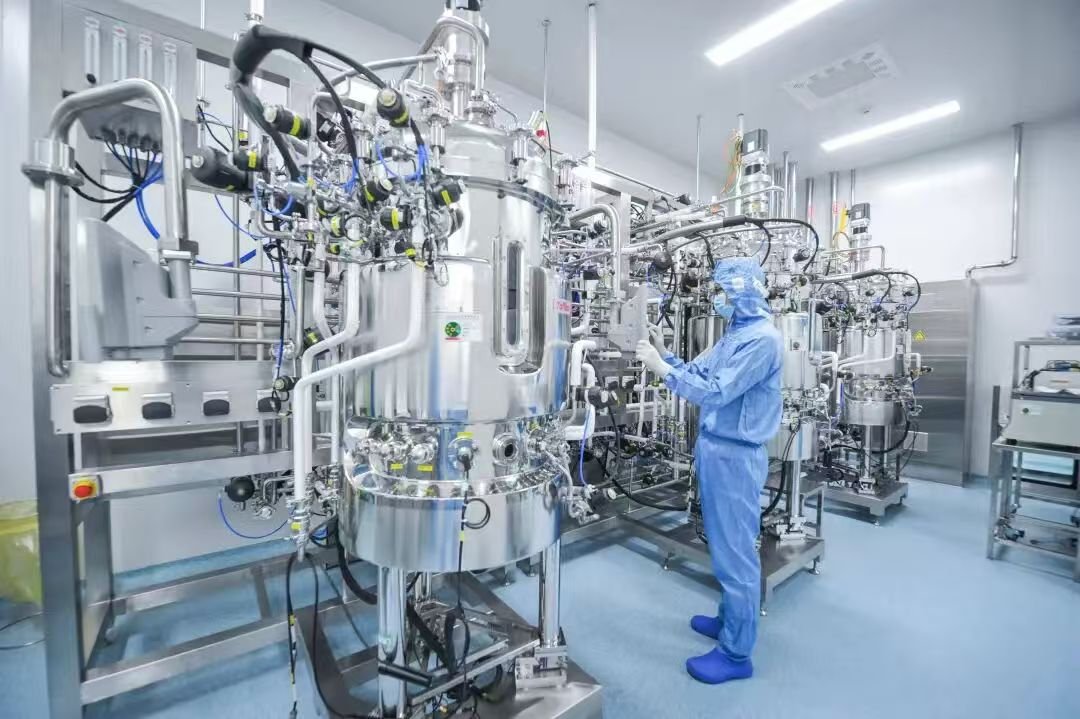
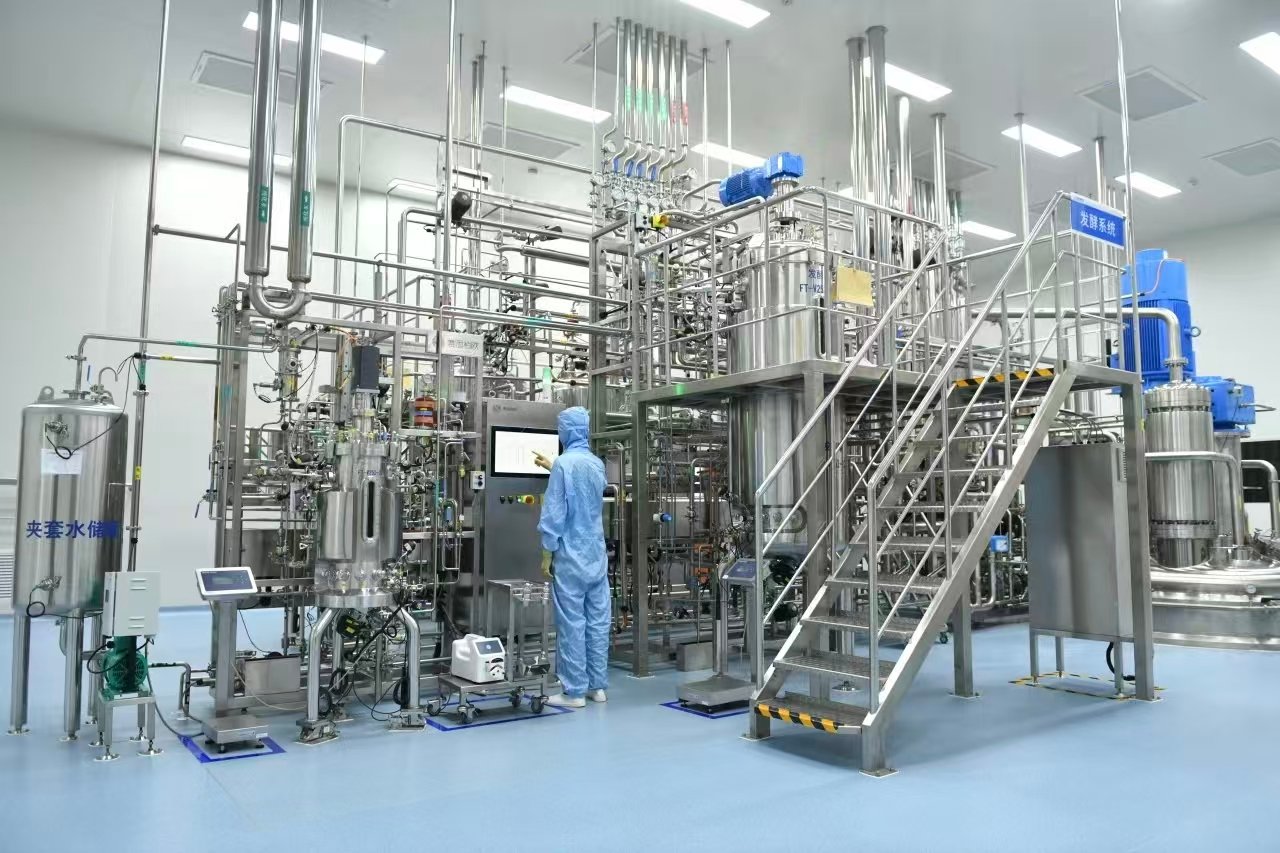
For industrial production, continuous optimization of plasmid templates is required in both design and manufacturing processes. Firstly, the adoption of high-copy-number origins of replication can significantly increase plasmid yield in Escherichia coli, providing sufficient DNA templates for in vitro transcription. Secondly, strict control of endotoxin and host impurity residues is mandatory during plasmid preparation, as residual contaminants may induce adverse immune reactions in final mRNA products. Common removal techniques include anion exchange chromatography and membrane adsorption.
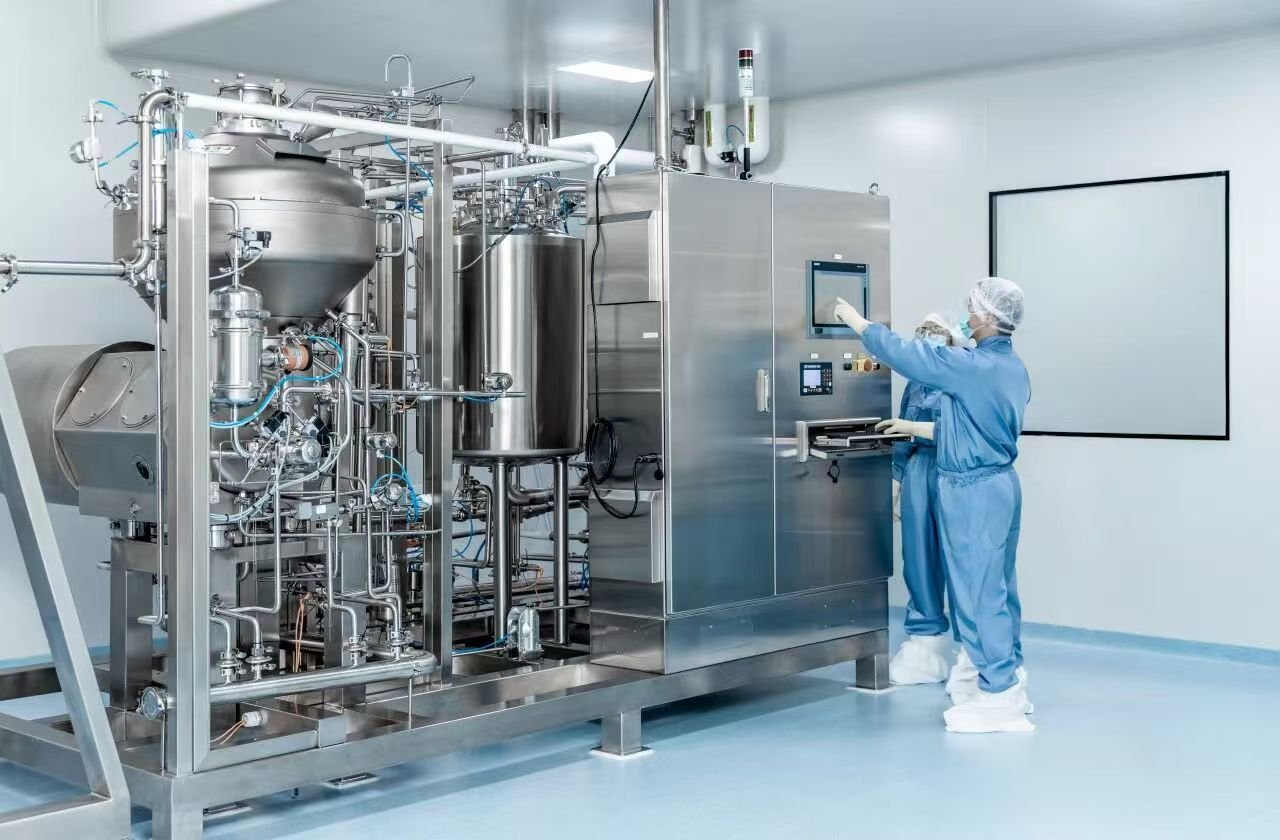
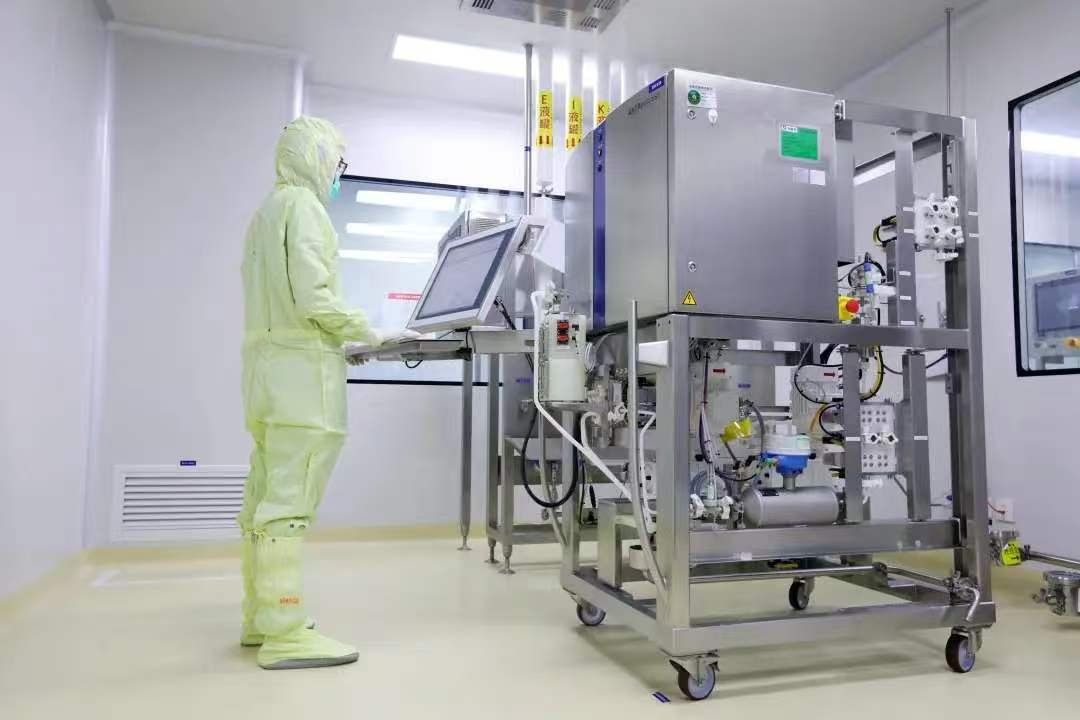
Plasmids must be linearized prior to use. While traditional restriction endonuclease digestion is widely adopted, it carries the risk of residual cleaved fragments, and is thus gradually replaced by high-precision alternatives such as CRISPR-Cas9-mediated precise cleavage and long-fragment PCR amplification. After linearization, high-resolution chromatography and ultrafiltration are applied to remove supercoiled DNA and host impurities, ensuring template purity and consistency. Under GMP-compliant production conditions, plasmids are subjected to rigorous quality testing covering sequence integrity, purity, residual RNA content, endotoxin levels and other indicators.
Future development trends may include replacing traditional plasmids with synthetic DNA as transcription templates, or adopting mcDNA and marker-free systems to further elevate safety and production efficiency.
4. Conclusion and Prospect
The functions of plasmids in DNA vaccines and mRNA vaccines share similarities while exhibiting distinct differences. In DNA vaccines, plasmids act as an integral component of the final vaccine formulation, directly entering the organism to undertake gene delivery and antigen expression. In mRNA vaccines, plasmids only function as templates for in vitro transcription and do not participate in the immune process directly. A common challenge for both applications lies in achieving large-scale preparation of high-quality plasmids that meet stringent safety and consistency requirements for clinical use.
In the future, plasmid optimization will focus on the development of marker-free plasmids, minicircle DNA and novel regulatory elements to further improve safety and expression efficiency. Meanwhile, the integration of synthetic biology with innovative delivery systems will provide new solutions for plasmid engineering. It is foreseeable that with the advancement of relevant technologies, plasmids will play an increasingly extensive role in vaccine research, development and industrial production.
As a leading process-oriented engineering company, Sino Bioengineering delivers professional bioengineering solutions and comprehensive technical services to clients worldwide.
For more products and solutions: https://sinobioengg.com/category/solution/
For more service: https://sinobioengg.com/category/service/