

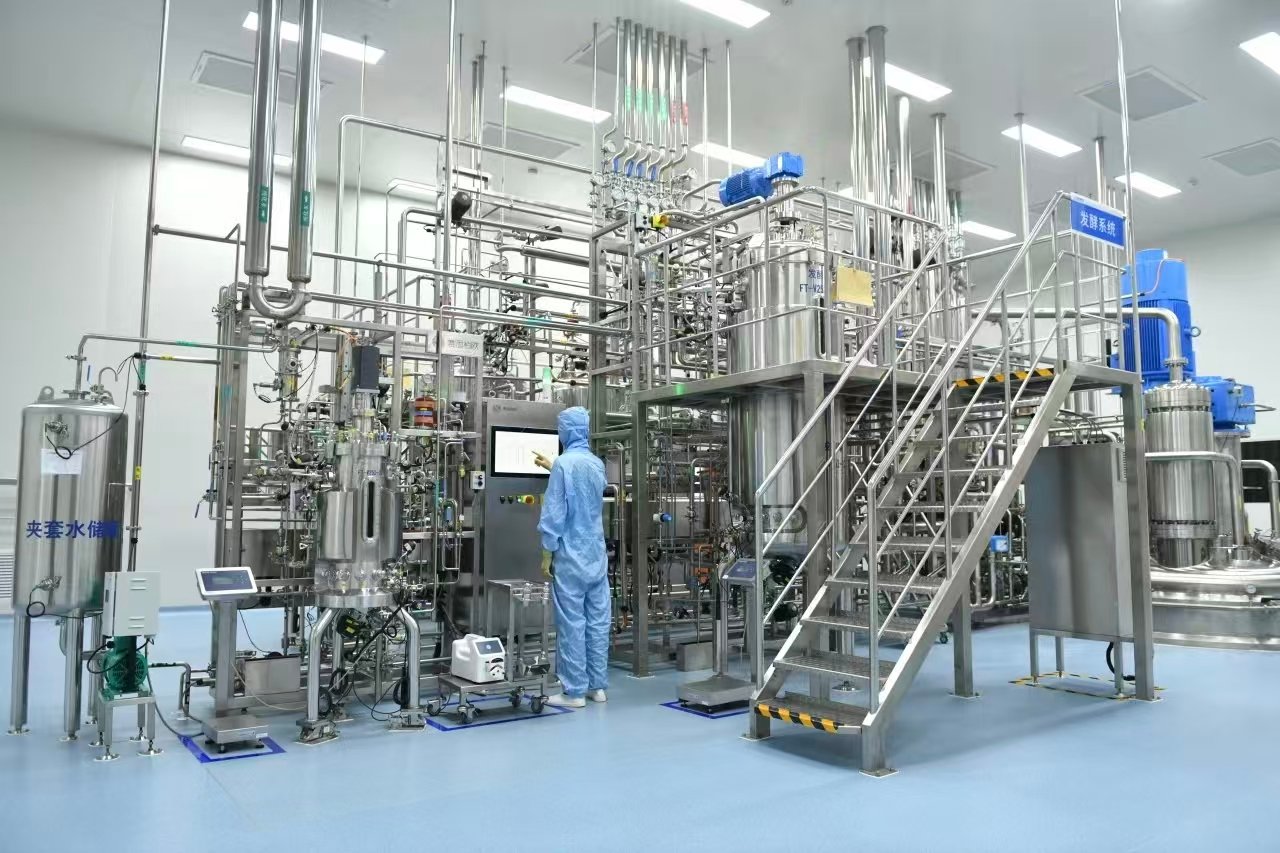
In biopharmaceutical production, raw materials are widely recognized as a critical source of variability affecting process stability and product consistency, among which cell culture media stand out as particularly vital. Variations in media composition and batch-to-batch differences can impair cell growth rate, viability and productivity, and may even alter critical quality attributes (CQAs) of therapeutic proteins. As the biopharmaceutical industry continues to expand, alongside the increasing adoption of high-density culture and continuous manufacturing processes, the sector has raised stringent requirements for formulation stability, manufacturing consistency and supply chain reliability of cell culture media. This article begins with a historical review of media formulation evolution, elaborates on the transition from serum-containing systems to serum-free and chemically defined media, and discusses the manufacturing mechanisms of liquid and powdered culture media. It also introduces major analytical and monitoring techniques for media characterization and root cause analysis of variability, providing a systematic reference for understanding and mitigating culture media variability.
Evolution of Culture Media Formulations: Serum-Free and Chemically Defined Media
Mammalian cell culture has become a core technological platform for producing recombinant therapeutic proteins and monoclonal antibodies in modern biopharmaceuticals. With expanding production scales and escalating demands for product quality consistency, controllability and reproducibility of cell culture processes have attracted growing attention. As the direct microenvironment for cell growth and product formation, the compositional stability of culture media is deemed one of the key factors driving process fluctuations and product quality discrepancies. Media-associated variability mainly stems from poorly defined raw material components, high compositional complexity and inherent batch-to-batch variations, which collectively lead to deviations in cell growth rate, metabolic flux, product titer and critical quality attributes.
In the early stage of industrial cell culture development, serum, especially fetal bovine serum (FBS), was extensively used as an essential supplement in culture media. Serum supplies cells with a broad spectrum of growth factors, hormones, lipids, vitamins and protective proteins, and can also mitigate cell damage caused by shear stress to a certain extent. Nevertheless, serum is an extremely complex mixture that cannot be fully characterized. Its chemical composition is affected by numerous factors including individual animal differences, blood collection timing, rearing conditions and processing protocols, resulting in substantial batch-to-batch variability. Such inherent uncertainty makes serum a primary contributor to culture media variability, triggering fluctuations in cell performance and productivity. Additionally, serum may introduce exogenous proteins, viruses and other biological contaminants, complicating downstream purification and quality control. Furthermore, the animal-derived nature of serum has sparked ongoing concerns regarding biosafety, ethical compliance and regulatory acceptance.
With deeper recognition of the risks associated with serum, serum-free media have been progressively adopted in industrial manufacturing. By supplementing explicitly defined amino acids, vitamins, inorganic salts and functional small molecules, serum-free media greatly reduce process fluctuations arising from undefined serum components and simplify downstream purification workflows. However, complete serum removal often leads to retarded cell growth or compromised production performance in practical applications. To replicate the nutritional and biological functions of serum, many serum-free media still incorporate complex additives such as peptones and protein hydrolysates. Produced via enzymatic or chemical hydrolysis of plant or microbial feedstocks, hydrolysates consist of oligopeptides, free amino acids, trace elements and other low-molecular-weight compounds. Despite their remarkable efficacy in promoting cell proliferation and enhancing recombinant protein expression, the composition of hydrolysates is highly dependent on raw material sources, cultivation or fermentation conditions and hydrolysis parameters, rendering them another major source of variability in serum-free culture systems.
Numerous studies have demonstrated that even hydrolysates from identical sources can exhibit notable discrepancies across batches in supporting cell growth, regulating metabolism and facilitating protein expression. Such variations not only amplify uncertainties during process scale-up but also pose challenges for quality risk assessment and deviation investigation. Under the current regulatory landscape that emphasizes process robustness and Quality by Design (QbD), culture media relying on incompletely characterized raw materials have revealed inherent limitations.
Against this backdrop, chemically defined (CD) media have emerged as a key direction to minimize media variability. Composed of fully characterized compounds with well-defined chemical structures and precisely controlled concentrations, CD media contain no animal-derived or other undefined components, substantially lowering batch-to-batch variations and potential contamination risks. By replacing conventional serum and hydrolysates with recombinant proteins and growth factors, chemically defined media lay a solid foundation for achieving high consistency, reproducibility and regulatory compliance in cell culture processes.
Systematic Impacts of Media Manufacturing and Product Form on Variability
As the biopharmaceutical industry advances toward large-scale, continuous and highly consistent manufacturing, variability of cell culture media extends beyond formulation to manufacturing processes and product forms. Culture media are required not only to support high-density cell growth and stable product expression biologically, but also to maintain superior consistency throughout industrial production, transportation, storage and application. Raw material sourcing, processing technologies and physical properties of final products have become pivotal factors governing batch stability and process reproducibility of culture media.
Liquid culture media feature ease of use, yet their application is constrained by high transportation costs, short shelf life and elevated microbial contamination risks. This scenario has driven the widespread adoption of powdered media in industrial settings. Powdered media enable centralized manufacturing and on-site reconstitution, offering greater flexibility for large-scale production. Meanwhile, their production processes introduce new sources of variability, particularly in terms of mixing homogeneity, particle size control and stability of heat-sensitive components.
Ball milling is the predominant manufacturing technology for powdered culture media. This process utilizes mechanical impact from ceramic balls inside a sealed cylinder to pulverize and blend raw materials into micron-sized particles. However, ball milling has limitations in achieving high homogeneity for media formulations containing a wide range of minor components. In particular, trace-level ingredients at the microgram scale tend to distribute unevenly when blended with bulk base materials at the kilogram scale. Moreover, frictional heat generated during ball milling may degrade heat-labile substances such as vitamins and certain amino acids, compromising the functional performance of final media. Dust generation and equipment wear also raise risks of cross-contamination and batch discrepancies.
The growing prevalence of serum-free and protein-free media has imposed stricter requirements on the mildness and controllability of manufacturing processes. In this context, high-speed impact milling technologies such as pin milling have become preferred alternatives. Pin mills achieve instant pulverization via high-speed rotating pin discs, with materials remaining in the system for an extremely short residence time. Operation under circulating inert gas cooling further prevents heat accumulation and protects sensitive components. Compared with ball milling, pin milling produces powdered products with more controllable particle size distribution and superior compositional homogeneity, thereby reducing batch fluctuations induced by manufacturing. Other technologies including air classification milling and hammer milling are also applied in specific media systems, all aiming to avoid over-grinding, mitigate thermal effects and improve powder consistency.
Apart from milling techniques, physical properties of powdered media represent another critical source of variability. Particle size distribution directly affects dissolution behavior and operational reproducibility. Generally, smaller particle sizes increase specific surface area and accelerate dissolution. However, excessively fine particles are prone to agglomeration, which in turn results in incomplete dissolution or prolonged reconstitution time. Additionally, ultra-fine powders usually have poor flowability, leading to weighing and transfer deviations that further exacerbate batch-to-batch differences. Therefore, a balance among solubility, flowability and stability must be struck during media manufacturing, and the optimal balance point is highly dependent on specific formulations and process parameters.
Powder flowability is commonly evaluated by bulk density, tapped density and their ratio. Finer particles trap more air between granules and thus exhibit poorer flowability, which may cause uneven feeding and reduced mixing efficiency in production. Although such physical differences do not directly alter the chemical composition of media, they can indirectly affect cell culture performance by disrupting local concentration distribution during reconstitution, making them an easily overlooked source of variability.
Driven by overall industrial demands, culture media production is evolving toward high efficiency, superior consistency and flexible supply. Powdered media have become the mainstream product form due to easy scale-up/scale-down, long shelf life and low transportation costs. Meanwhile, industrial expectations for media performance have evolved beyond basic cell growth support, requiring consistent biological performance across different batches, production facilities and regions. This trend has transformed culture media manufacturing from traditional formulation-oriented development into a systematic engineering discipline centered on process control and physical property management of final products.
In summary, variability of cell culture media originates not only from compositional ingredients, but also from manufacturing process selection, powder physical characteristics and evolving industrial application requirements. As biopharmaceutical production demands higher process robustness and predictability, manufacturing technologies and their impacts on product consistency have become indispensable considerations in media development and quality control.
Systematic Analysis and Control Strategies for Culture Media Variability
As discussed above, cell culture media are highly complex and dynamic systems. Compositional variations, raw material discrepancies and batch differences can profoundly influence cell growth status, metabolic profiles and product quality. Accordingly, media management has shifted from a passive control model relying solely on finished product testing to a proactive quality management strategy built upon systematic analysis and process understanding. A diverse array of analytical techniques provides fundamental data for identifying and dissecting media variability, while Design of Experiments (DoE), Quality by Design (QbD) and Process Analytical Technology (PAT) constitute the core methodological framework to translate analytical findings into controllable processes and robust quality systems.
Conventional separation and quantification techniques remain irreplaceable for analyzing compositional variations and raw material differences in culture media. Chromatographic methods are widely applied to quantify key nutrients including carbohydrates, amino acids, organic acids and selected vitamins, delivering high accuracy and reproducibility. On this basis, mass spectrometry is employed to characterize trace components and impurities in complex media and hydrolysates, facilitating the identification of molecular-level differences among raw material batches. Elemental analysis plays a vital role in quantifying trace elements and metal ions in media; despite their low concentrations, these substances can significantly disrupt cellular metabolic balance and product quality. The aforementioned analytical approaches are routinely implemented during media development, deviation investigation and risk assessment to uncover underlying sources of variability.
In addition to high-resolution targeted analytical methods, biochemical and functional assays occupy an important position in media evaluation. Measurements of osmolarity, pH buffering capacity, redox state and dynamic changes of specific metabolites enable comprehensive assessment of the capability of culture media to maintain a favorable cell culture microenvironment. While these methods cannot resolve individual components directly, they are highly practical for evaluating batch consistency and overall impacts on cellular physiological status.
Spectroscopic techniques serve as complementary tools for holistic characterization of culture media and raw materials. Near-infrared spectroscopy, infrared spectroscopy, Raman spectroscopy and fluorescence spectroscopy require minimal sample pretreatment to acquire global characteristic profiles of the entire system. Combined with chemometric models, these techniques are applied for batch discrimination, trend monitoring and anomaly detection. Compared with chromatographic and mass spectrometric methods for targeted analysis, spectroscopic approaches are more suitable for high-throughput screening and rapid release decisions. Their performance, however, heavily relies on model establishment and accumulation of historical datasets, hence they are typically used in combination with other analytical tools.
In practical applications, a single analytical technique is insufficient to cover all dimensions of media variability. Consequently, multi-data integration strategies have become mainstream. Fusion of targeted quantitative results, biochemical indicators and spectral fingerprints enhances the capability to identify critical variations and predict cell culture performance, while maintaining analytical efficiency. This multi-dimensional analytical framework provides a reliable data foundation for subsequent statistical modeling and experimental design.
Design of Experiments is extensively utilized for media optimization and variability quantification. By systematically varying multiple factors and their levels, DoE allows researchers to evaluate the effects of media components and their interactions on cell growth, product titer and critical quality attributes with a limited number of experiments. Combined with high-throughput parallel culture systems, DoE is particularly applicable to formulation screening, feeding strategy optimization and assessment of raw material fluctuation impacts. Results generated from DoE help establish design spaces and support process scale-up.
The QbD philosophy further integrates the above insights into a regulatory-compliant quality system. Within the QbD framework, media components are defined as critical input variables, whose risks are managed via systematic assessment and hierarchical control. Clarifying the correlation between media composition, process performance and product quality converts empirical decisions into data-driven and risk-based control strategies.
Process Analytical Technology delivers real-time monitoring and feedback to enable QbD implementation. PAT transforms media management from static end-point testing to dynamic in-process control, and is applicable to raw material release, monitoring of media preparation and reconstitution, as well as shelf-life stability evaluation. Integration of PAT data with DoE results and historical analytical data continuously strengthens the resilience of media control strategies. This integrated approach underpins robust and predictable cell culture processes for biopharmaceutical manufacturing.
Conclusion
Variability of cell culture media arises across the entire lifecycle, including formulation design, raw material selection, manufacturing processes and analytical monitoring. The adoption of serum-free and chemically defined media has substantially reduced uncertainties introduced by animal-derived and undefined components, while imposing more stringent requirements on manufacturing stability, controllability of powder physical properties and quality monitoring systems. Rational selection of manufacturing technologies, systematic evaluation of powder characteristics, together with multi-layered analytical methodologies and in-process monitoring strategies, enable effective identification and mitigation of culture media variability. Moving forward, media development and production will further evolve toward data-driven manufacturing and built-in quality, to support high-density culture, continuous bioprocessing and biopharmaceutical production modes that are highly sensitive to critical quality attributes.
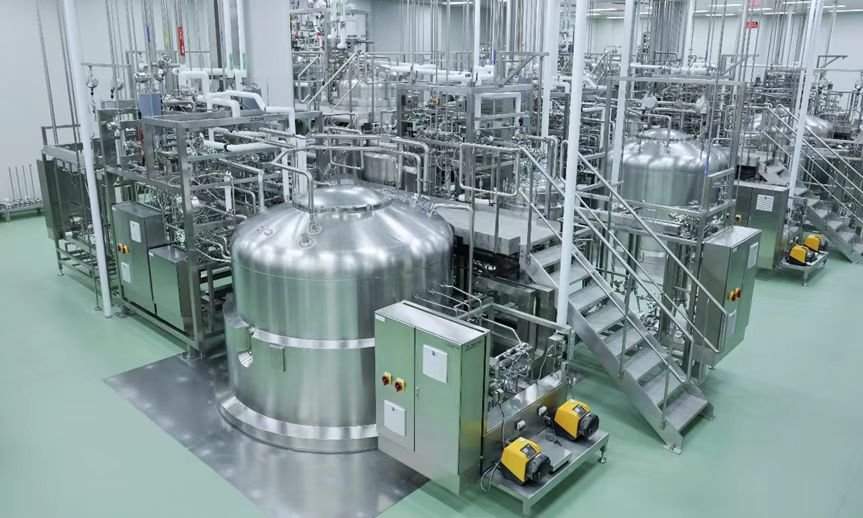
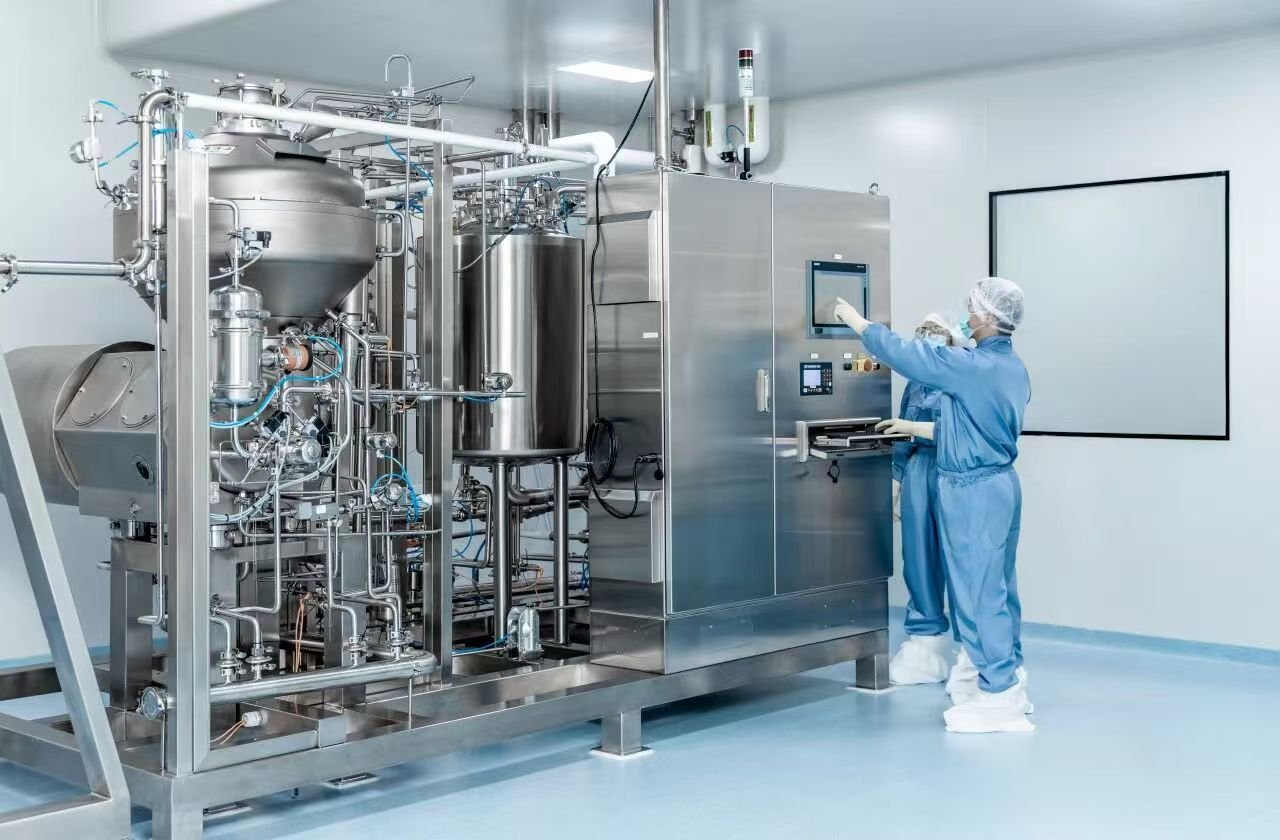
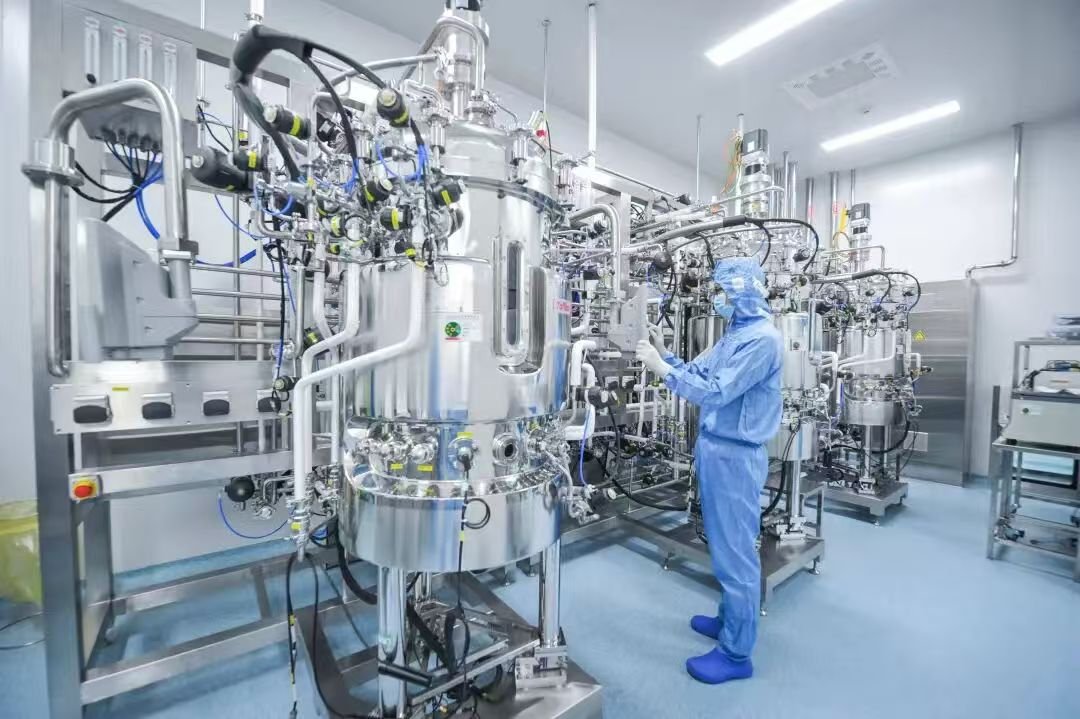
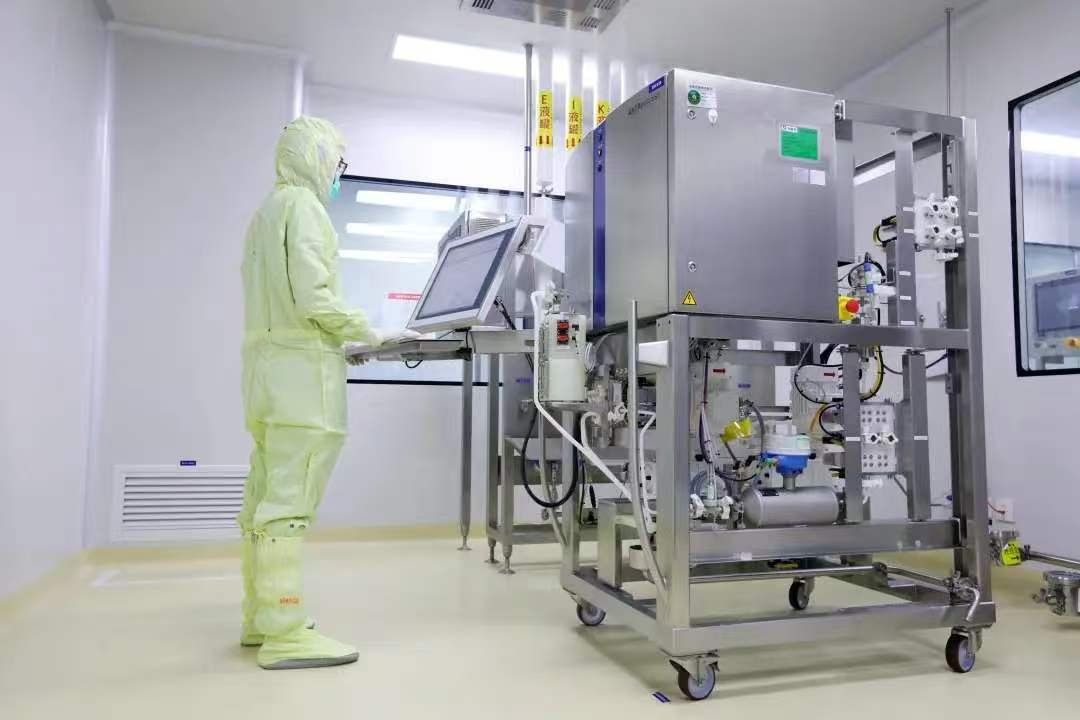
Sino Bioengineering specializes in formulation development and industrialization of serum-free media and next-generation chemically defined media, catering to cell culture applications for recombinant proteins, monoclonal antibodies, vaccines and novel biotherapeutics. Leveraging a systematic formulation design platform and in-depth process expertise, we develop customized culture media tailored to diverse cell lines and cultivation modes, balancing cell growth performance, product yield and consistent product quality. On the production side, we implement standardized manufacturing workflows and a multi-level quality control system to rigorously manage critical raw materials, physical properties of finished products and batch consistency. Supported by comprehensive analytical and release protocols, our culture media deliver stable performance throughout R&D scale-up and commercial manufacturing, providing reliable support for customers to establish reproducible and scalable cell culture processes.